Best Yearly Premium Auto Insurance in 2026 (Our Top 10 Picks)
Erie, NJM, and Liberty Mutual offer the best yearly premium auto insurance, with annual rates starting at $624. Nationwide's SmartRide program rewards safe drivers with yearly premium savings. Amica's dividend policies can return part of eligible policyholders' annual premiums over time.
Read more





Find the Lowest Car Insurance Rates Today
Quote’s drivers have found rates as low as $42/month in the last few days!




Table of Contents
Table of Contents

Managing Editor
Laura Kuhl holds a Master’s Degree in Professional Writing from the University of North Carolina at Wilmington. Her career began in healthcare and wellness, creating lifestyle content for doctors, dentists, and other healthcare and holistic professionals. She curated news articles and insider interviews with investors and small business owners, leading to conversations with key players in the le...
Laura Kuhl

Head of Content
Meggan McCain, Head of Content, has been a professional writer and editor for over a decade. She leads the in-house content team at Quote.com. With three years dedicated to the insurance industry, Meggan combines her editorial expertise and passion for writing to help readers better understand complex insurance topics. As a content team manager, Meggan sets the tone for excellence by guiding c...
Meggan McCain

Licensed Auto Insurance Agent
Daniel Walker graduated with a BS in Administrative Management in 2005 and has run his family’s insurance agency, FCI Agency, for over 15 years (BBB A+). He is licensed as an insurance agent to write property and casualty insurance, including home, life, auto, umbrella, and dwelling fire insurance. He’s also been featured on sites like Reviews.com and Safeco. To ensure our content is accura...
Daniel Walker
Updated August 2026
The best yearly premium auto insurance comes from Erie, NJM, and Liberty Mutual, with annual rates starting at $624 and valuable yearly car insurance policy benefits.
- Compare yearly premium auto insurance for long-term savings
- One-year policies reduce renewal hassles and rate changes
- Amica’s Dividend Policy returns eligible yearly premium payments
Erie is known for its Rate Lock feature, which keeps your premium steady even if you make most changes that aren’t related to driving during your policy term.
NJM stands out for its exceptionally low customer complaint ratio and consistently high claims satisfaction among regional insurers.
Top 10 Companies: Best Yearly Premium Auto Insurance
| Company | Rank | Claim Satisfaction | A.M. Best | Best for |
|---|---|---|---|---|
 | #1 | 743 / 1,000 | A+ | Stable Premiums |
 | #2 | 731 / 1,000 | A+ | Regional Value |
 | #3 | 730 / 1,000 | A | Bundle Savings |
 | #4 | 729 / 1,000 | A | Usage Discounts |
 | #5 | 718 / 1,000 | A+ | Dividend Policies |
 | #6 | 716 / 1,000 | A++ | Discount Variety |
 | #7 | 716 / 1,000 | A+ | AARP Benefits |
 | #8 | 711 / 1,000 | A++ | Agent Support |
 | #9 | 702 / 1,000 | A | Loyalty Rewards |
 | #10 | 697 / 1,000 | A++ | Online Savings |
Liberty Mutual rounds out the top three with Better Car Replacement, accident forgiveness, and multiple discounts that can help lower your yearly premium.
Enter your ZIP code to compare personalized yearly premium auto insurance quotes from top providers and find the coverage that offers the best value for your budget and driving needs.
Comparing Yearly Premium Auto Insurance
Insurers consider your driving history, age, car, ZIP code, and coverage level when determining your yearly premium. Because of these factors, the average cost of auto insurance may not reflect what you’ll actually pay for yearly insurance.
This is why the same driver might get very different yearly premiums from different companies, even if the coverage is similar.
Yearly Premium Auto Insurance by Coverage Level
| Insurance Company | Minimum Coverage | Full Coverage |
|---|---|---|
| $828 | $1,884 |
| $732 | $1,680 |
| $624 | $1,440 |
| $672 | $1,536 |
| $660 | $1,512 |
| $984 | $2,232 |
| $756 | $1,812 |
| $648 | $1,500 |
| $708 | $1,596 |
| $768 | $1,812 |
Choosing a higher deductible can lower your yearly premium, but you’ll pay more out of pocket if you file a covered claim.
If you qualify for discounts such as bundling, safe driving, or low annual mileage, your yearly premium may decrease without reducing your coverage.
The cheapest policy isn't always the one that saves you the most. In particular, make sure your liability limits still fit your needs.Justin Wright Licensed Insurance Agent
Adding or removing a driver, replacing your vehicle, or moving to a new ZIP code during your policy term can change your premium, so report these updates to your insurer as soon as possible.
To find the best yearly premium auto insurance in the USA, shop around before your policy renews to see whether another insurer offers better rates or discounts.
Free Insurance Comparison
Compare Quotes From Top Companies and Save
Coverage Options for Yearly Premium Auto Insurance
Choosing the best yearly premium auto insurance means knowing which coverage options are worth adding to your policy. If you’re comparing providers, our best car insurance companies offer coverage options for different budgets and driving needs.
Rental reimbursement helps pay for a temporary vehicle while your car is being repaired after a covered claim, and roadside assistance covers towing, battery jump-starts, flat tire changes, fuel delivery, and lockout services.
If you’ve added custom wheels, a premium sound system, or other permanent upgrades, custom parts and equipment coverage helps protect modifications that a standard policy may not fully cover.
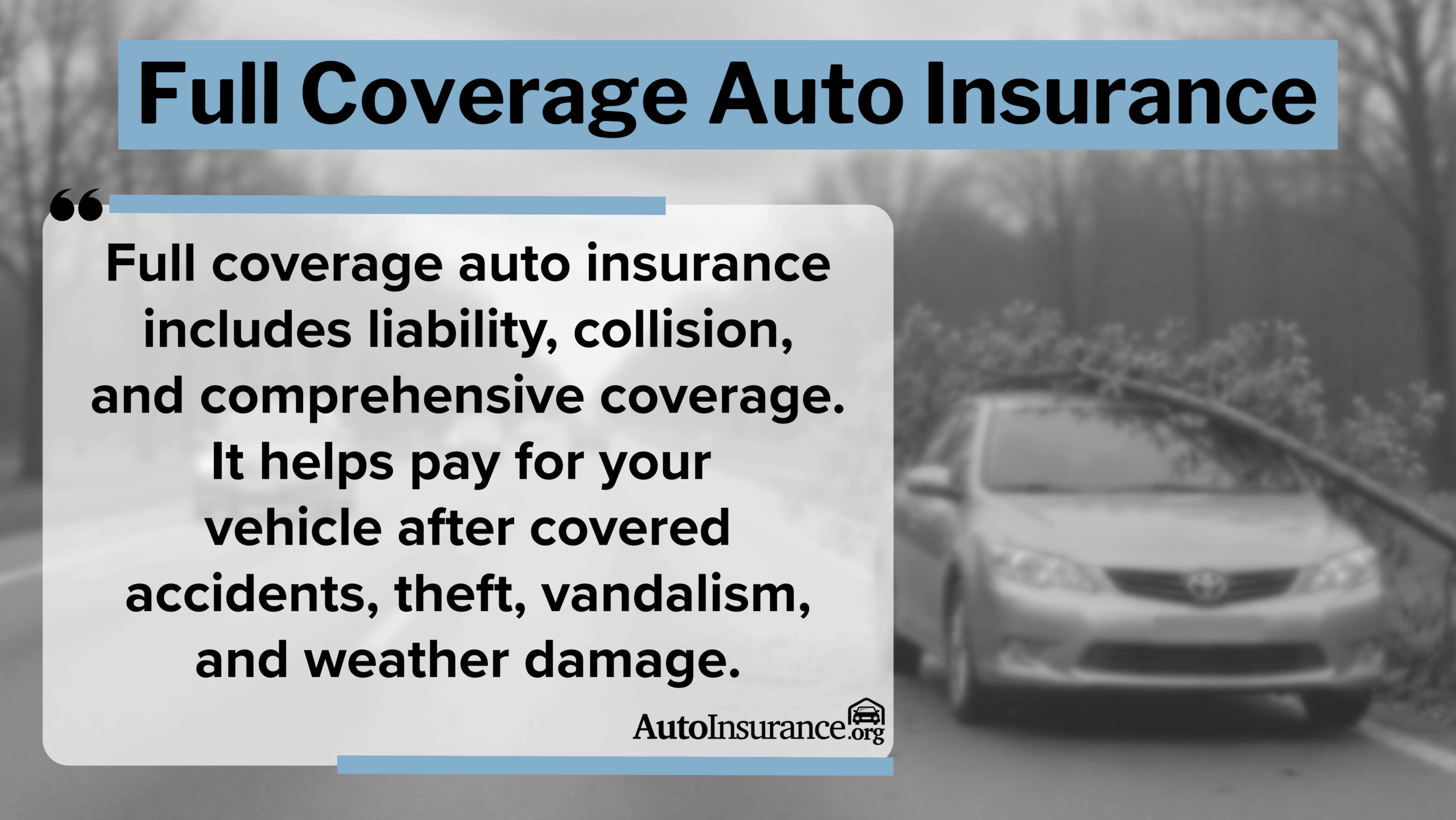
When comparing yearly insurance for car coverage, review your policy to see whether these additional coverages still match your vehicle, budget, and driving habits. Here are a few other options to consider:
- Collision Coverage: Pays to repair or replace your vehicle after a covered crash, regardless of who is at fault.
- Comprehensive Coverage: Covers non-collision damage caused by theft, fire, hail, vandalism, flooding, falling objects, or animal strikes.
- Gap Insurance: Pays the remaining balance on your loan or lease if your vehicle is declared a total loss and your insurance settlement doesn’t cover what you still owe.
- Liability Coverage: Pays for injuries and property damage you cause to others and is required by law in nearly every state.
- Uninsured and Underinsured Motorist Coverage: Helps pay for your injuries or vehicle damage if the at-fault driver has little or no insurance.
Understanding how these car insurance coverage options work makes it easier to choose a yearly policy that provides the protection you need without paying for unnecessary coverage.
If your vehicle is financed or leased, check your loan agreement because your lender may require collision, comprehensive, or gap insurance throughout the loan term.
Proven Ways to Save on Yearly Premium Auto Insurance
Not every discount is available to every driver, so it’s worth checking which auto insurance discounts you qualify for before choosing a yearly auto insurance policy. Some insurers are also best for discounts, making it easier to lower insurance costs.
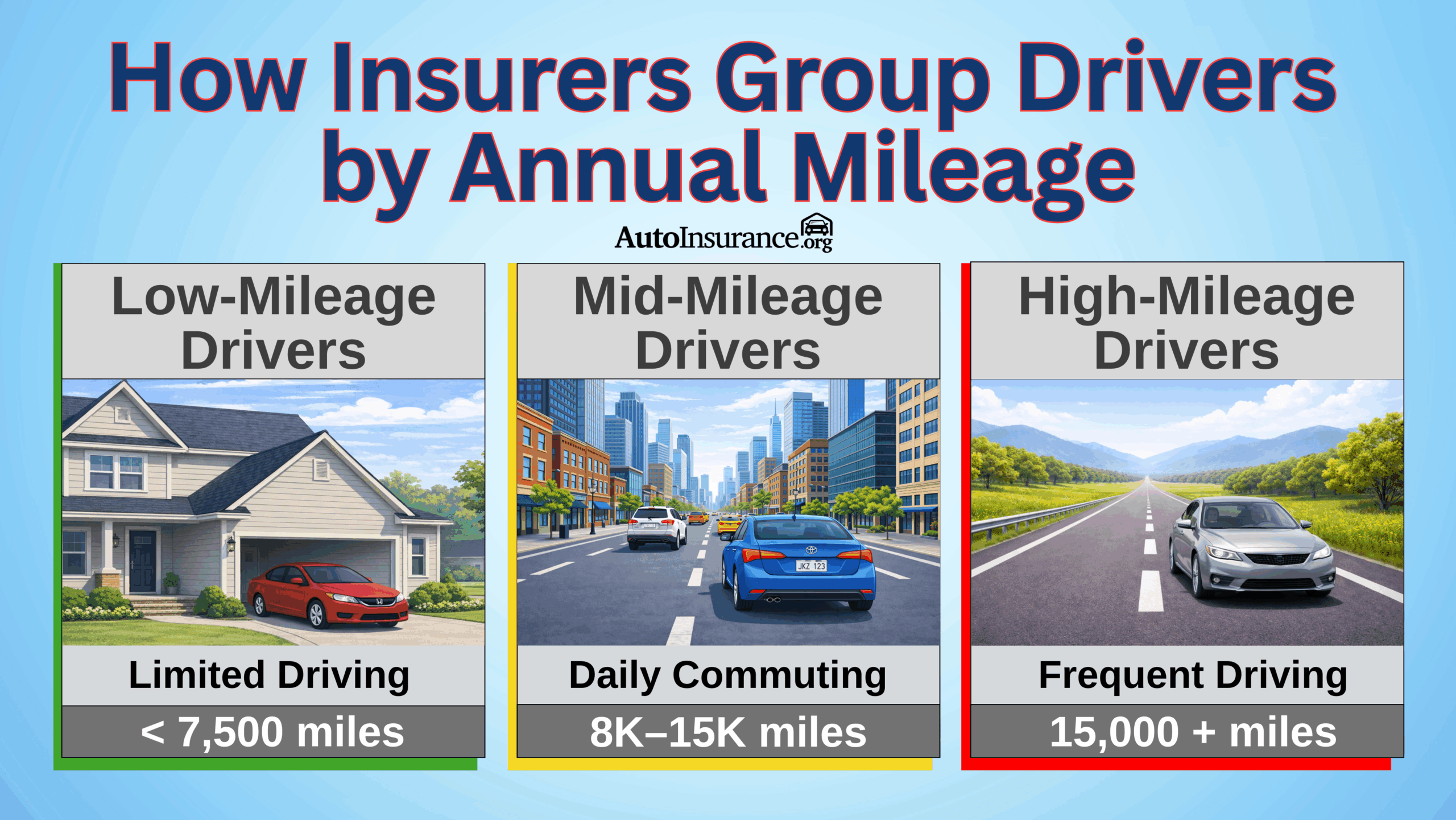
Bundling usually means buying another policy from the same insurer, while low-mileage insurance discounts reward drivers who spend less time on the road. Comparing the cheapest low-mileage car insurance can help you save even more.
Top Discounts for Yearly Premium Auto Insurance
| Company | Bundling | Low-Mileage | Safe Driver | Usage-Based |
|---|---|---|---|---|
| 25% | 20% | 18% | 35% |
| 20% | 25% | 15% | 20% |
| 16% | 30% | 8% | 30% |
| 15% | 30% | 15% | 30% |
| 6% | 30% | 15% | 25% |
| 10% | 30% | 20% | 30% |
| 18% | 40% | 12% | 40% |
| 20% | 22% | 20% | 30% |
| 18% | 30% | 20% | 30% |
| 12% | 10% | 8% | 40% |
Usage-based programs track habits such as speeding, hard braking, phone use, and quick acceleration. If you drive safely, you could save more money over time.
Spend a few minutes checking which discounts you qualify for to help lower your yearly premium. If you don’t qualify for every discount, the right policy choices can still help you find the best yearly premium auto insurance for less.
- Compare Quotes Before Renewing: Rates change over time, so compare the best car insurance companies before your policy renews to help find a better yearly premium.
- Choose a Higher Deductible: Selecting a higher deductible usually reduces your yearly premium, but make sure you can comfortably pay your share of a covered claim.
- Improve Your Credit Score: Most insurers use credit-based scores to set premiums, so improving your credit may qualify you for lower rates.
- Keep a Clean Driving Record: Avoiding accidents and moving violations helps you maintain lower renewal rates and keeps you eligible for better pricing over time.
- Review Your Coverage Each Renewal: As your vehicle ages or needs change, adjusting your coverage can help you avoid paying for protection you no longer need.
Finding the best yearly premium auto insurance often comes down to more than discounts. Compare quotes, review your coverage, and maintain a strong driving profile to help secure a lower yearly premium without reducing essential protection.
Even changes, such as updating coverage or comparing quotes before renewal, can make a difference over time. See what you could save on car insurance by comparing personalized quotes before your renewal.
Find Out More: Best Companies for Bundling Home and Auto Insurance
How Yearly Auto Insurance Renewals Work
Most policies last six or 12 months. Before your policy renews, your insurer reviews your record to set your rate. Your premium usually stays the same during the policy term unless you change your vehicle, add a driver, or update your coverage.
Before your policy renews, your insurer checks for any changes that might affect your rate. This includes recent tickets, at-fault accidents, claims, and whether you still qualify for discounts.
A renewal is a good time to make sure your coverage still fits your car. For example, an older vehicle may not need every optional coverage.Dani Best Licensed Insurance Producer
A clean driving record can help keep your renewal premium competitive, while violations or claims may increase your costs. If you’re shopping for the best yearly premium auto insurance in California, review your renewal notice before it expires.
This is also a great time to compare car insurance quotes. You could save money if another company offers the same coverage at a lower price.
Auto Insurance Renewal
Your renewal notice shows the premium and coverage that will apply to your next policy term, so don’t assume it’s identical to your current policy.
Take a few minutes to confirm your insurance deductible, listed drivers, vehicle information, and coverage limits are still accurate before renewing.
If your premium goes up, compare it with the average cost of car insurance in the U.S. and ask your insurer why. Losing a discount, adding a driver, or changing vehicles can all affect your renewal price.
Checking these details before your policy ends can help you avoid paying for coverage you do not need or missing out on savings you still qualify for.
Get More Details: When does my auto insurance renew?
What Underwriters Review Before Renewal
Your renewal premium depends on more than one thing. Before renewing your six- or 12-month policy, underwriters look at several details to see if your risk has changed since your last policy period.
When deciding on your renewal, underwriters usually check the following to assess your current level of risk:
- Claims History: Reviews your CLUE report and recent claims to see whether your claim history could affect your renewal premium.
- Discount Eligibility: Reviews whether you still qualify for savings like multi-policy, multi-vehicle discounts, safe driver, paperless, or telematics discounts.
- Driving Record: Looks for new speeding tickets, at-fault accidents, DUIs, or other driving violations since your last renewal.
- Household Drivers: Makes sure all licensed drivers in your household are listed correctly and checks whether any changes affect your policy.
- Vehicle and Usage: Reviews your vehicle, annual mileage, commute, and how you use your car because these can affect your rate.
Keeping your policy information up to date and maintaining a clean driving record can help you qualify for a better renewal rate when finding the best car insurance companies.
If your rate increases, ask your insurer what caused it and whether you qualify for discounts. You can also compare car insurance by state before switching providers.
Free Insurance Comparison
Compare Quotes From Top Companies and Save
Six-Month vs. Yearly Auto Insurance Policies
The main difference between a six-month and a yearly auto insurance policy is how long your premium stays the same before your insurer reviews it.
With a yearly policy, your rate stays the same for 12 months, making it similar to annual auto insurance. With a six-month policy, your insurer can change your premium twice a year if your risk or market conditions change.
A six-month policy is an option if your insurance needs might change. If you’re comparing semi-annual premium car insurance with yearly coverage, consider how often rates may change. A yearly policy is better if you want a stable premium and fewer renewals.
Before you decide, compare the total cost over 12 months instead of focusing only on the initial premium. A lower six-month auto insurance rate may not be the better value if your renewal premium increases before the year ends.
Benefits of Choosing Yearly Auto Insurance
While six-month policies are more common, some insurers still offer 12-month policies for drivers who want longer rate stability.
When comparing quotes, look at the total cost over a full year instead of focusing only on the first premium, since a six-month policy covers only half the term. Here are some advantages of choosing a yearly auto insurance policy:
- Delays Premium Increases: New tickets or at-fault accidents generally won’t affect your rate until your yearly policy renews.
- Fewer Renewal Reviews: You only review your policy once a year, which means less paperwork and fewer renewal decisions.
- Locks in Your Premium Longer: Your rate stays the same for 12 months unless you make changes to your policy.
- May Include Pay-In-Full Discounts: Some insurers reduce your premium when you pay the entire yearly policy upfront.
- Simplifies Annual Budgeting: Knowing your insurance cost for the next 12 months makes it easier to plan your yearly expenses.
A yearly policy isn’t the right choice for every driver, but it can provide more predictable insurance costs and fewer interruptions throughout the year.
Comparing both the total annual cost and policy features, along with online auto insurance quotes, will help you decide which option offers the better long-term value.
10 Best Insurance Companies for Yearly Premium
Finding the best insurance company for yearly premium auto insurance comes down to more than just the price you pay once a year.
While some of the cheapest auto insurance companies offer low annual premiums, it’s also important to compare the types of car insurance coverage, claims service, and customer satisfaction.
Erie, NJM, and Liberty Mutual each stand out for different reasons, including dependable claims service, strong customer satisfaction, and flexible coverage options.
The reviews below explain what makes each company a strong choice and the situations where it may be the best fit.
#1 – Erie: Top Overall Pick
Pros
- Rate Lock Protection: With Erie‘s Rate Lock, your yearly premium stays the same after most non-driving-related changes, such as moving or adding a car, until renewal.
- Diminishing Deductible: For every claim-free year, Erie lowers your deductible by $100, giving your yearly premium policy more value if you file a covered collision claim.
- First Accident Forgiveness: If you qualify, your first at-fault accident won’t raise your yearly premium, helping you avoid an immediate rate increase after a covered claim.
Cons
- Limited State Availability: Erie sells yearly premium auto insurance in only 12 states and Washington, D.C., making coverage unavailable in much of the country.
- Independent Agent Requirement: Purchasing or updating a yearly premium policy generally requires working with a local Erie agent because direct online sales are limited.
#2 – NJM: Best for Regional Value
Pros
- Competitive Regional Pricing: NJM serves drivers in Connecticut, Maryland, New Jersey, Ohio, and Pennsylvania, offering a competitive yearly premium.
- Low Customer Complaint Ratio: NJM receives fewer customer complaints than expected for a company its size, giving drivers confidence in their yearly premium.
- Dividend Eligibility: Eligible policyholders may receive dividend payments that help lower their yearly premium, depending on the company’s financial performance.
Cons
- Restricted Service Area: NJM offers yearly premium auto insurance in only five states, so drivers elsewhere can’t purchase a policy. Learn More: NJM Insurance Review
- Limited Optional Coverages: Some optional coverages for a yearly premium policy vary by state, so available endorsements depend on where you live.
#3 – Liberty Mutual: Best for Bundle Savings
Pros
- Multi-Policy Savings: Bundle your auto insurance with homeowners, renters, or condo insurance to help lower your yearly premium while keeping your policies together.
- Better Car Replacement: Eligible yearly premium policies replace a totaled car that’s less than one year old with a newer vehicle that has 15,000 fewer miles.
- Deductible Fund: Liberty Mutual‘s Deductible Fund lets drivers build savings toward a collision deductible, helping reduce out-of-pocket costs with a yearly premium.
Cons
- Discount Qualification: Many of Liberty Mutual’s biggest yearly premium discounts require qualifying through bundling, safe driving, or other discount programs.
- Limited Feature Availability: Certain yearly premium discounts, coverage options, and policy features aren’t available in every state, so choices may vary.
#4 – Nationwide: Best for Usage Discounts
Pros
- SmartRide Rewards: Eligible drivers can save up to 40% on their yearly premium by practicing safe driving through Nationwide’s SmartRide program.
- SmartMiles Program: If you don’t drive much each year, Nationwide’s SmartMiles pay-per-mile option can help lower your yearly premium.
- On Your Side Review: Nationwide offers a free On Your Side Review to check your coverage and find discounts that could help lower your yearly premium.
Cons
- Telematics Participation: Receiving the largest yearly premium discounts generally requires enrolling in SmartRide or SmartMiles and sharing driving information.
- Mileage-Based Savings: SmartMiles works best for lower-mileage drivers, so your yearly premium savings depend on how much you drive annually.
#5 – Amica: Best for Dividend Policies
Pros
- Annual Dividend Option: Policyholders get 5% to 20% of their yearly premium through Amica’s Dividend Policy, depending on the company’s financial performance.
- Platinum Choice Auto: Amica’s Platinum Choice Auto adds accident forgiveness, full glass coverage, and identity fraud expense coverage to the yearly premium policy.
- Claim-Free Discount: Amica rewards eligible drivers with a claim-free discount, helping lower the cost of a yearly premium for safe, responsible driving.
Cons
- Higher Initial Payment: Dividend policies generally require paying a higher upfront yearly premium before any eligible dividend is returned at the end of the policy period.
- Dividend Not Guaranteed: Dividend payments from your yearly premium depend on Amica’s financial performance, so amounts vary yearly. Related: Amica Insurance Review
#6 – State Farm: Best for Discount Variety
Pros
- Extensive Savings Programs: State Farm offers Drive Safe & Save, Steer Clear, Good Student, and multi-policy discounts to lower yearly premiums when you qualify.
- Large Local Agent Network: With 19,000 agents across the U.S., State Farm makes it easy to review your yearly premium policy, update coverages, and receive guidance.
- Exceptional Financial Strength: State Farm holds an A++ A.M. Best Financial Strength Rating, reflecting its ability to meet financial obligations throughout your yearly premium.
Cons
- Discount Eligibility Requirements: Many State Farm discounts have eligibility requirements, so your yearly premium depends on driving history and where you live.
- State-Specific Coverage Options: Some coverage options for a yearly premium policy aren’t available in every state, so your choices depend on where you live.
#7 – The Hartford: Best for AARP Benefits
Pros
- Exclusive AARP Benefits: Eligible AARP members receive features with their yearly premium, including Lifetime Renewability for experienced drivers.
- RecoverCare Coverage: RecoverCare helps pay for housekeeping, lawn care, and transportation after a covered accident, adding value to your yearly premium policy.
- New Car Replacement: Eligible yearly premium policies replace a qualifying totaled new vehicle with a brand-new model instead of reimbursing only its depreciated value.
Cons
- AARP Membership Required: Many of The Hartford‘s signature yearly premium benefits are available only to eligible AARP members.
- Age-Focused Benefits: Several features in a yearly premium policy are designed for drivers age 50 and older, making them less relevant for younger policyholders.
#8 – Auto-Owners: Best for Agent Support
Pros
- Personalized Agent Guidance: Every yearly premium policy is sold through an independent agent who helps choose coverage for your vehicle and driving habits.
- Common Loss Deductible: If a covered event damages your home and vehicle, eligible yearly premium policyholders pay one deductible instead of two.
- Collision Coverage Advantage: Eligible yearly premium policies include waived deductibles after certain not-at-fault accidents and coverage for repaired vehicles.
Cons
- Agent Purchase Required: Drivers generally must work directly with an independent agent to purchase or modify a yearly premium policy because online purchasing is limited.
- Limited Availability: Auto-Owners offers yearly premium auto insurance in 26 states, so coverage isn’t available nationwide. Explore More: Auto-Owners Insurance Review
#9 – American Family: Best for Loyalty Rewards
Pros
- Customer Loyalty Discounts: American Family rewards loyal customers with discounts that can help lower their yearly premium over time.
- KnowYourDrive Program: Drivers practicing safe driving through the KnowYourDrive app may earn discounts on their yearly premium at renewal.
- Generational Discount: Eligible drivers whose parents are American Family customers can receive savings that lower their yearly premium from the start.
Cons
- Limited State Availability: American Family currently sells yearly premium auto insurance in 19 states, so many drivers cannot purchase its policies.
- Program Availability Varies: Some discounts and rewards included with a yearly premium policy depend on state regulations and individual eligibility requirements.
#10 – Geico: Best for Online Savings
Pros
- Digital Savings Opportunities: Geico helps save on yearly premium with online quotes, paperless billing, and digital policy management. See More: Geico Insurance Review
- Military and Federal Discounts: Active-duty military members, veterans, and federal employees can get discounts to lower their yearly premium.
- Mechanical Breakdown Insurance: Eligible newer vehicles can add Mechanical Breakdown Insurance to cover repairs after warranty expires.
Cons
- Primarily Digital Service: Most yearly premium policy management, claims updates, and customer support are handled online or by phone instead of through local offices.
- Claims Satisfaction Score: Geico received a 697 out of 1,000 claims satisfaction score, reflecting customer feedback on its yearly premium policies.
Getting the Best Yearly Premium Auto Insurance
The best yearly premium auto insurance gives you dependable protection for a full 12-month policy while helping you avoid unnecessary costs at renewal.
Erie is a good pick if you want stable rates. NJM is known for handling claims well and having loyal customers. Liberty Mutual lets you add extra features to customize your coverage.
Compare the types of auto insurance, claims process, and discounts each insurer offers. Doing so can help you find the cheapest car insurance for young adults without sacrificing coverage.
If you finance or lease your vehicle, your lender will typically require you to carry collision and comprehensive coverage until the loan or lease is paid off.
Don't wait until after an accident to understand your policy. In particular, take a few minutes to review what's covered before renewing.Jeff Root Licensed Insurance Agent
These details can affect what you pay over time. Finding the best car insurance company also means choosing one with dependable customer service and a smooth claims process, not just the lowest price.
Enter your ZIP code to compare personalized yearly auto insurance quotes and choose the policy that best fits your budget and driving needs.
Frequently Asked Questions
Who offers the cheapest yearly premium auto insurance?
Erie, NJM, and Liberty Mutual are among the best options for yearly premium auto insurance, but the cheapest company depends on your location, vehicle, and driving history. Compare quotes to find your lowest annual rate.
How much is the average annual auto insurance premium?
The average yearly cost for full coverage auto insurance in the U.S. is about $1,700. Your own rate will depend on your age, where you live, your car, and the coverage you choose.
What insurance companies offer 12-month auto insurance policies?
Erie, NJM, and Liberty Mutual offer 12-month auto insurance policies in certain states. Since availability varies by location, comparing quotes can help you find affordable auto insurance rates online.
How can I lower my yearly auto insurance premium?
One of the easiest ways to lower your yearly premium is to compare quotes before renewing your policy. You can also save by maintaining a clean driving record, choosing a higher deductible, and taking advantage of discounts.
Is a $500 or $1,000 deductible better for your yearly premium?
A $1,000 deductible usually means a lower premium, while a $500 deductible helps keep your out-of-pocket costs lower after a covered claim. Pick the option that best fits your budget.
Compare the best yearly premium auto insurance available in your area by entering your ZIP code.
Why is my yearly auto insurance premium so high with a clean driving record?
Your premium may still increase because of several factors that affect auto insurance rates, including your ZIP code, vehicle, repair costs, insurance history, and rising claim costs in your area.
What is a good annual rate for car insurance?
A good rate is one that provides the coverage you need at a competitive price compared with similar drivers in your area. Comparing quotes helps determine if your annual premium is reasonable.
Does my deductible reset every year for yearly premium auto insurance?
No. Your deductible applies each time you file a covered claim and does not reset or decrease when your policy renews.
Find the best yearly premium auto insurance that fits your budget by entering your ZIP code.
What is the downside to having a high deductible for yearly premium auto insurance?
A higher deductible lowers your premium, but you’ll have to pay your auto insurance deductible before your insurance covers a claim.
How does age affect yearly auto insurance premiums?
Teen drivers usually pay the highest rates; premiums often decrease through middle age, and may increase again for older drivers.
Is it cheaper to buy yearly auto insurance online than through an agent?
Which auto insurance companies receive the most customer complaints?
Which auto insurance company is best for yearly premium auto insurance?
Does yearly auto insurance cover windshield replacement?
Is AAA cheaper than Geico for yearly premium auto insurance?
Why is Geico’s yearly auto insurance premium lower than some competitors’?
Why is Progressive’s yearly auto insurance premium so affordable?
Is a $5,000 deductible for comprehensive and collision coverage worth it?
Does car color affect your yearly auto insurance premium?
What should you avoid saying to your auto insurance company after an accident?
Which auto insurance companies have the highest claim denial rates?
Related Articles
-
Apr 2025

Best Windshield Replacement Coverage in North Carolina (Top 10 Companies in 2026)
-
Apr 2025
Best Windshield Replacement Coverage in Arkansas (Top 10 Companies in 2026)
-
Apr 2025
What to Do if You Get in an Accident With a Self-Driving Car in 2026 (Follow These 4 Steps)
-
Oct 2024
Best Windshield Replacement Coverage in Iowa (Top 10 Companies Ranked for 2026)
-
Apr 2025
Best Joint Ownership Auto Insurance in 2026 (Find the Top 10 Companies Here!)
-
Mar 2025
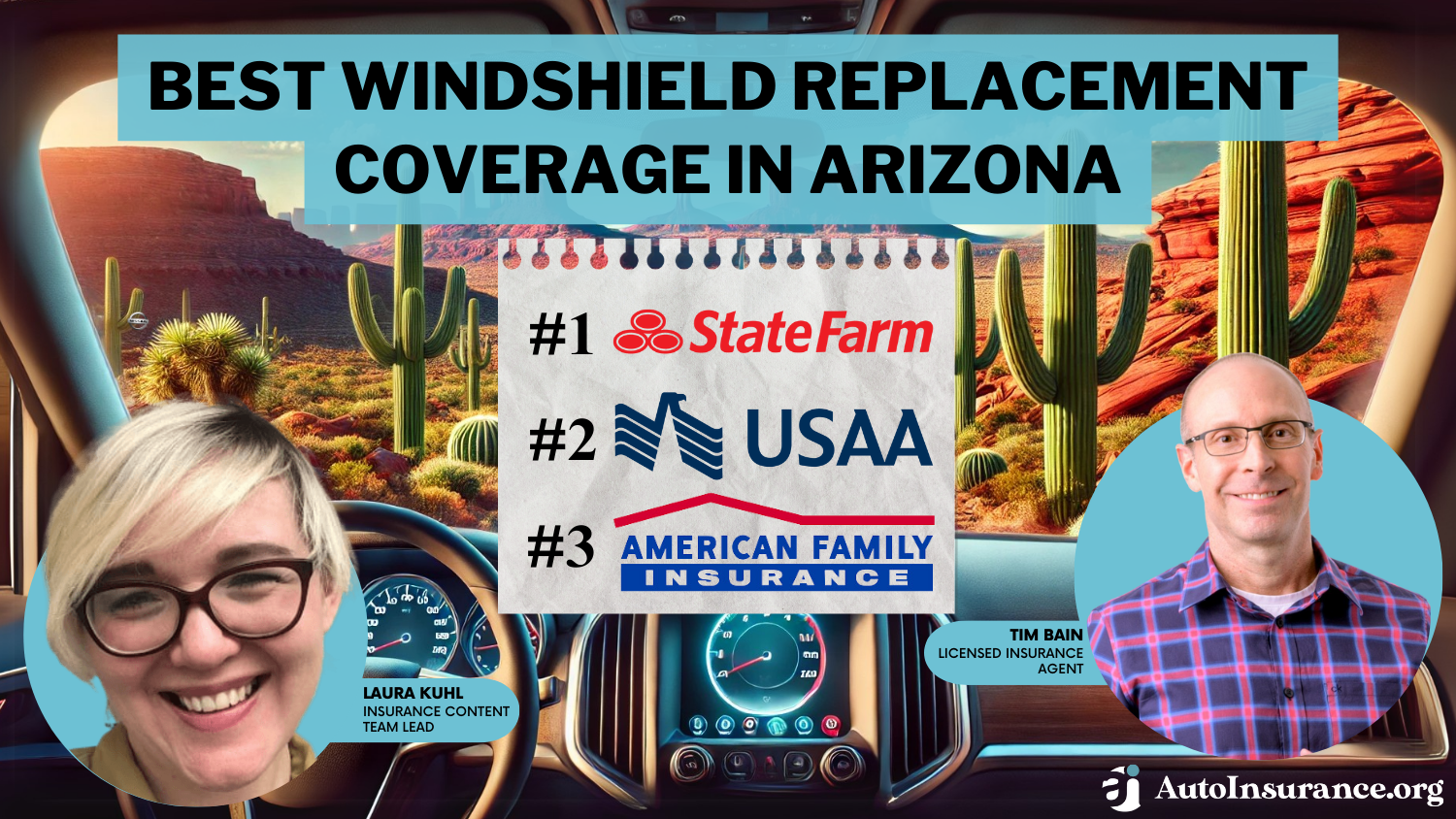
Best Windshield Replacement Coverage in Arizona (Top 10 Companies for 2026)


Get a FREE Quote in Minutes
Insurance rates change constantly — we help you stay ahead by making it easy to compare top options and save.