Best Yearly Premium Auto Insurance in 2026
Erie, Nationwide, and State Farm offer the best yearly premium auto insurance, with annual rates starting from $624. Erie’s Rate Lock keeps rates unchanged unless drivers make qualifying changes. Nationwide’s SmartRide offers up to 40% savings, while State Farm’s Steer Clear rewards eligible drivers under 25.
Read more





Table of Contents
Table of Contents

Managing Editor
Laura Kuhl holds a Master’s Degree in Professional Writing from the University of North Carolina at Wilmington. Her career began in healthcare and wellness, creating lifestyle content for doctors, dentists, and other healthcare and holistic professionals. She curated news articles and insider interviews with investors and small business owners, leading to conversations with key players in the le...
Laura Kuhl

Head of Content
Meggan McCain, Head of Content, has been a professional writer and editor for over a decade. She leads the in-house content team at Quote.com. With three years dedicated to the insurance industry, Meggan combines her editorial expertise and passion for writing to help readers better understand complex insurance topics. As a content team manager, Meggan sets the tone for excellence by guiding c...
Meggan McCain

Licensed Auto Insurance Agent
Daniel Walker graduated with a BS in Administrative Management in 2005 and has run his family’s insurance agency, FCI Agency, for over 15 years (BBB A+). He is licensed as an insurance agent to write property and casualty insurance, including home, life, auto, umbrella, and dwelling fire insurance. He’s also been featured on sites like Reviews.com and Safeco. To ensure our content is accura...
Daniel Walker
Updated September 2026
Erie, Nationwide, and State Farm offer the best yearly premium auto insurance, with rates starting at $624.
- Yearly policies can keep premiums stable for a 12-month term
- Usage-based programs track driving habits to help lower premiums
- Paying premiums upfront may help you qualify for pay-in-full discounts
Erie’s Rate Lock keeps premiums the same after most policy updates. Rates only change when drivers make certain updates.
Nationwide’s SmartRide tracks driving habits like braking and acceleration and offers eligible safe drivers up to 40% off.
Top 10 Companies: Best Yearly Premium Auto Insurance
| Company | Rank | Claims Satisfaction | AM Best | Best for |
|---|---|---|---|---|
 | #1 | 743 / 1,000 | A | Rate Stability |
 | #2 | 729 / 1,000 | A | Low Mileage |
 | #3 | 716 / 1,000 | A+ | Discount Variety |
 | #4 | 711 / 1,000 | A+ | Agent Support |
 | #5 | 702 / 1,000 | A | Loyalty Rewards |
 | #6 | 697 / 1,000 | A++ | Online Savings |
 | #7 | 693 / 1,000 | A+ | Bundle Savings |
 | #8 | 691 / 1,000 | A++ | Driver Tracking |
 | #9 | 690 / 1,000 | A | Policy Flexibility |
 | #10 | 673 / 1,000 | A+ | Risky Drivers |
State Farm’s Steer Clear rewards eligible drivers under 25 who complete its training program and meet safe-driving requirements.
Enter your ZIP code to compare yearly car insurance rates from providers in your area and find coverage that fits your budget and driving needs.
Comparing Yearly Car Insurance Costs
Insurers consider your driving history, age, car, ZIP code, and coverage level when determining your yearly premium. Because of these factors, the average cost of auto insurance may not reflect what you’ll actually pay for yearly insurance.
The same driver can get very different annual rates from insurers, even with similar coverage.
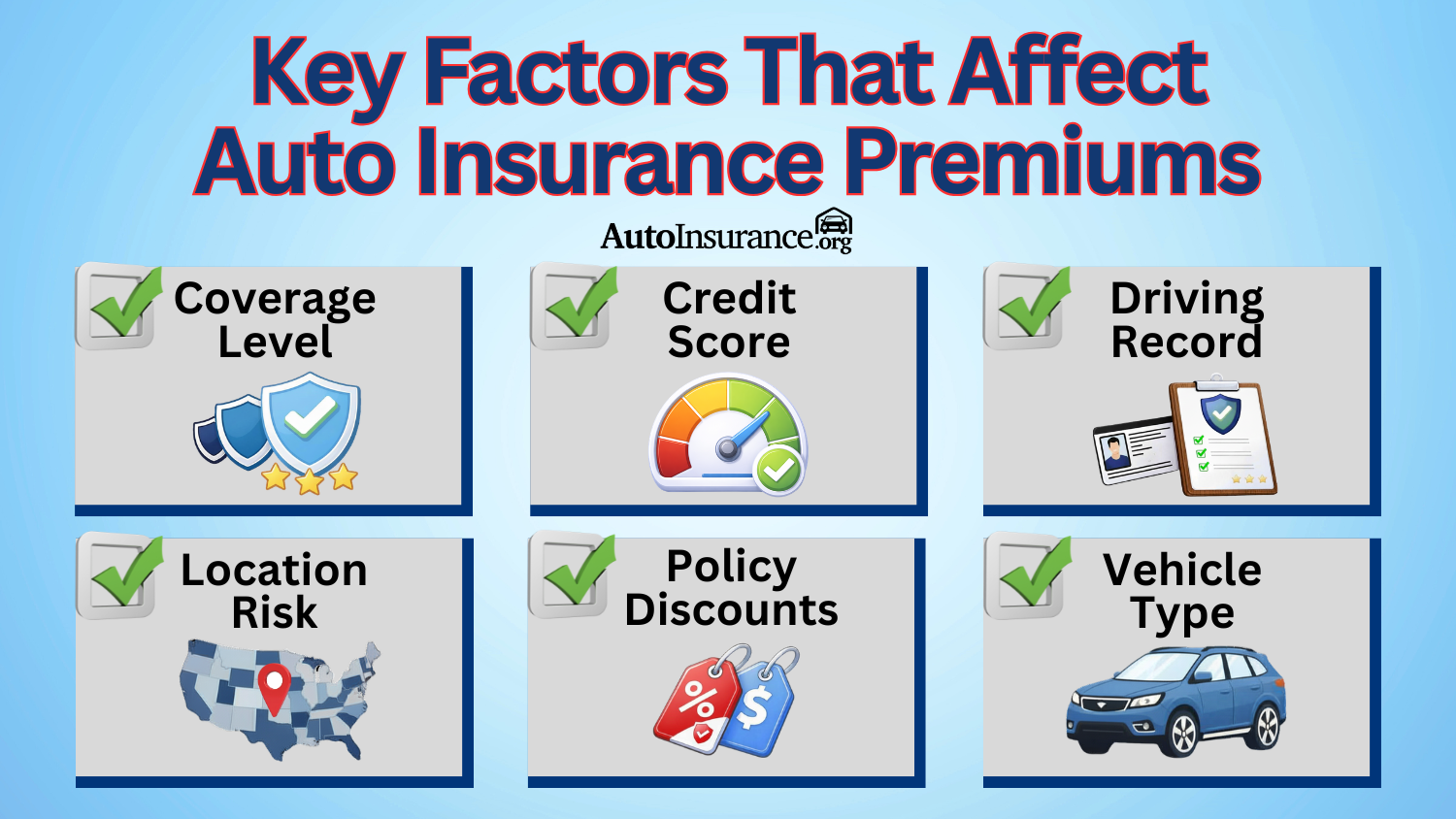
Choosing a higher deductible can lower your yearly premium, but you’ll pay more out of pocket if you file a covered claim.
Bundling, safe driving, and low annual mileage may help you save without cutting back on your insurance protection.
I’d check what it costs to pay monthly versus upfront. Paying in full could save you from extra fees.Justin Wright Licensed Insurance Agent
Adding a driver, buying a new car, or moving to a different ZIP code can change your premium, so let your insurer know when something changes.
Before renewal, compare quotes to see if another insurer offers a lower rate or more ways to save.
Minimum vs. Full Coverage Yearly Premium Pricing
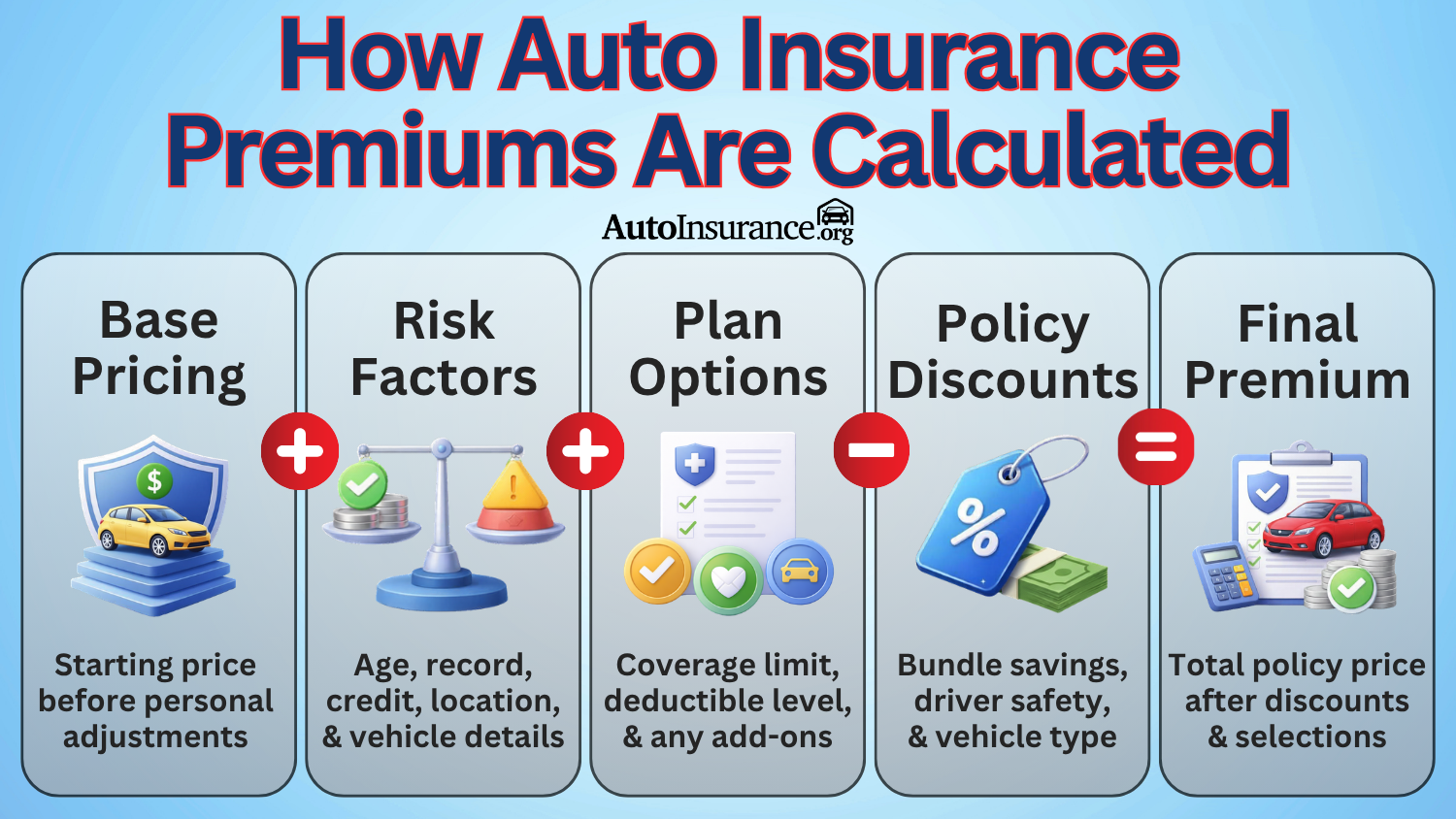
Your choice between minimum and full coverage can make a big difference in what you pay each year. Minimum coverage typically includes the liability insurance your state requires, so it usually costs less.
Full coverage adds collision and comprehensive coverage to help pay for damage to your car.
Yearly Premium Auto Insurance by Coverage Level
| Insurance Company | Minimum Coverage | Full Coverage |
|---|---|---|
| $936 | $2,100 |
| $828 | $1,884 |
| $624 | $1,440 |
| $672 | $1,536 |
| $888 | $2,064 |
| $660 | $1,512 |
| $756 | $1,812 |
| $852 | $1,992 |
| $708 | $1,596 |
| $840 | $1,920 |
A newer car or an active auto loan can also affect the protection you need. Lenders generally require comprehensive and collision coverage until you pay off the loan.
Before choosing a policy, compare the extra cost of full coverage with what you could afford to pay for repairs or replace your car after a claim. Shopping around can also help you find similar protection at a lower rate.
How Location Affects Yearly Car Insurance Costs
Where you live can make a difference in what you pay for car insurance. Rates vary by state based on factors such as insurance requirements, repair costs, and claim trends.
Use your state’s average as a reference when reviewing your options, but keep in mind that each insurer sets its own price.
Paying more than your state’s average is a good reason to review your protection level and deductible. Adjusting either one could change what you pay.
You can also check rates from other insurers to see if you could pay less for similar protection.
Learn More: Which states have the cheapest auto insurance rates?
How Your Credit Profile Affects Yearly Car Insurance Costs
Your credit history can affect your car insurance costs. Before your policy renews, take a look at your financial profile to see if anything has changed.
Paid off debt or fixed an error on your credit report? Looking at different companies for credit-based auto insurance could help you find a lower rate.
Insurers can weigh credit information differently when setting rates. Compare insurance prices to see how rates vary from one company to another.
California, Hawaii, Massachusetts, and Michigan limit how credit affects auto insurance rates. Your driver history and coverage choices can still affect what you pay.
Compare Yearly Car Insurance Rates After a Violation
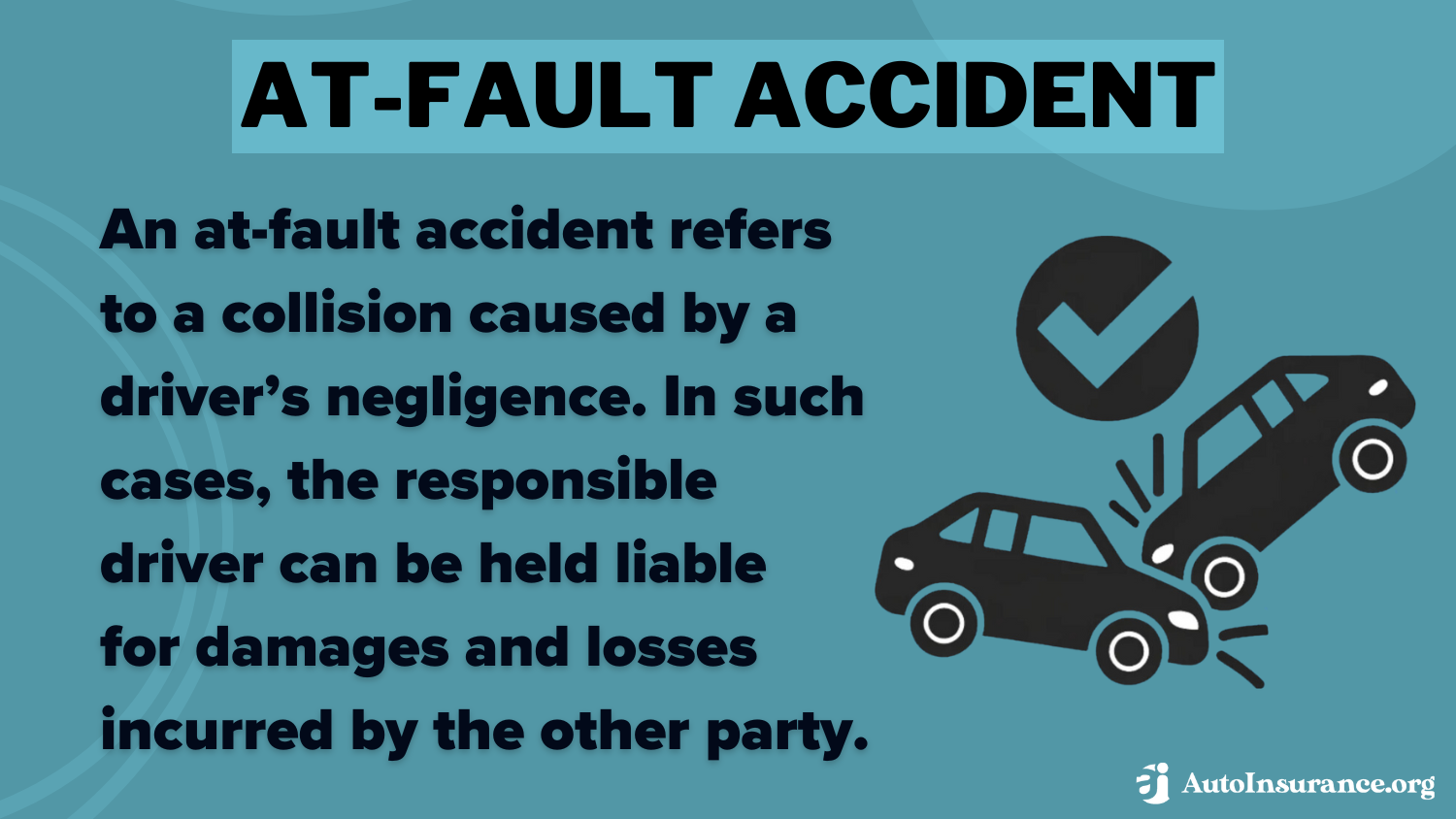
A ticket or at-fault accident can affect your premium differently depending on how an insurer evaluates driving violations.
Ask your insurer how long the incident will affect your rate. Speeding tickets and at-fault accidents can stay on your insurance record for several years, while a DUI may affect pricing longer.
Shopping for high-risk auto insurance? Check prices from other companies instead of relying only on your renewal rate.
Approved defensive driving courses may provide premium reductions based on state rules and insurer requirements.
Once a driving offense no longer affects your record, review your insurance options and ask your insurer for an updated rate.
Knowing when a surcharge ends can help you avoid paying it longer than your policy requires.
Related: Cheap Auto Insurance for a Bad Driving Record
How Driver Demographics Affect Yearly Car Insurance Pricing
What you pay for car insurance can partly come down to your age and gender. Your driver history, location, vehicle, and protection level also factor into your rate.
Rates can change as you get older, but they don’t always move by the same amount each year. Gender can affect pricing, too, and the difference can vary by age and insurer.
Younger drivers may qualify for savings through approved driver training programs or good student discounts when they meet the insurer’s requirements.
Retired or working from home? Keep your annual mileage updated so your insurer has an accurate idea of how much you drive.
I remind drivers that age and gender are only part of the pricing picture. Your driving experience and record can make a difference, too.Melanie Musson Published Insurance Expert
A birthday isn’t the only reason your premium can change. A claim, traffic violation, new driver, vehicle change, or different protection level can also affect your yearly cost.
Knowing how auto insurance rates by age can change gives you more context when checking your renewal. If your current policy no longer fits your budget or needs, check your available coverage choices before your next renewal.
Free Insurance Comparison
Compare Quotes From Top Companies and Save
Coverage That Matters for Yearly Premium Car Insurance
Start with the car insurance coverage your state requires, then think about what else makes sense for your vehicle, budget, and driving needs.
The best car insurance companies have different policy options, so check what’s available before choosing your protection.
Common Car Insurance Protection
Your state decides how much liability coverage you need to carry. If you cause an accident, that coverage helps pay for the other person’s injuries or property damage.
Collision and comprehensive coverage focus on your own car. Collision helps with repairs or replacement after a covered crash, while comprehensive covers things like theft, hail, fire, vandalism, and animal strikes.
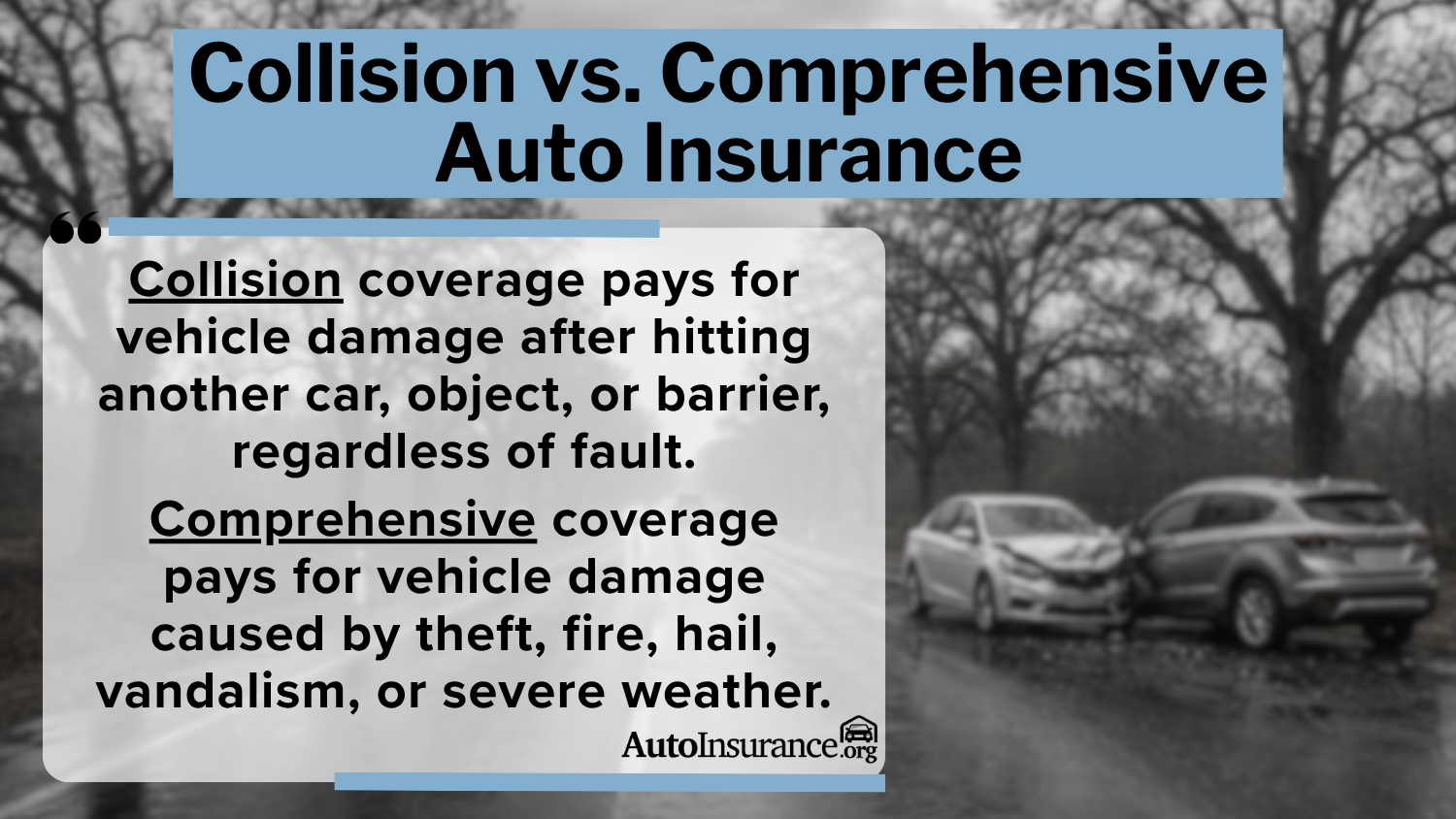
Financing or leasing a vehicle can affect the protection you need. Check your agreement to see if collision, comprehensive, or gap insurance is required.
Once the loan or lease ends, take another look at your coverage to see if it still fits your vehicle and budget.
Optional Protection for Your Yearly Policy
Need a temporary car while yours is being repaired after a covered claim? Rental reimbursement can help with the cost. Roadside assistance can also come in handy if you need a tow, jump-start, flat tire change, fuel delivery, or lockout service.
Added custom wheels, a premium sound system, or other permanent upgrades? Check whether your policy covers them or if you need additional protection.
When choosing yearly insurance for car protection, you may also want to consider:
- Gap Coverage: Helps cover what you still owe after a covered total loss.
- Medical Payments: MedPay helps pay eligible medical expenses for you and your passengers after an accident.
- Personal Injury Protection: Helps with eligible medical expenses and other covered costs after an accident.
- Uninsured and Underinsured Motorist: UM/UIM helps pay for your injuries or vehicle damage if the at-fault driver has little or no insurance.
Before adding anything to your policy, check what you already have and what you could afford to pay after a claim.
If you’ve added custom parts or permanent upgrades, check whether your current policy covers them, too. Pick coverage that fits your car, budget, and driving needs.
Ways to Save Money on Yearly Premium Car Insurance
Not every savings opportunity is available to every driver. Check which auto insurance discounts you qualify for before choosing a yearly policy.
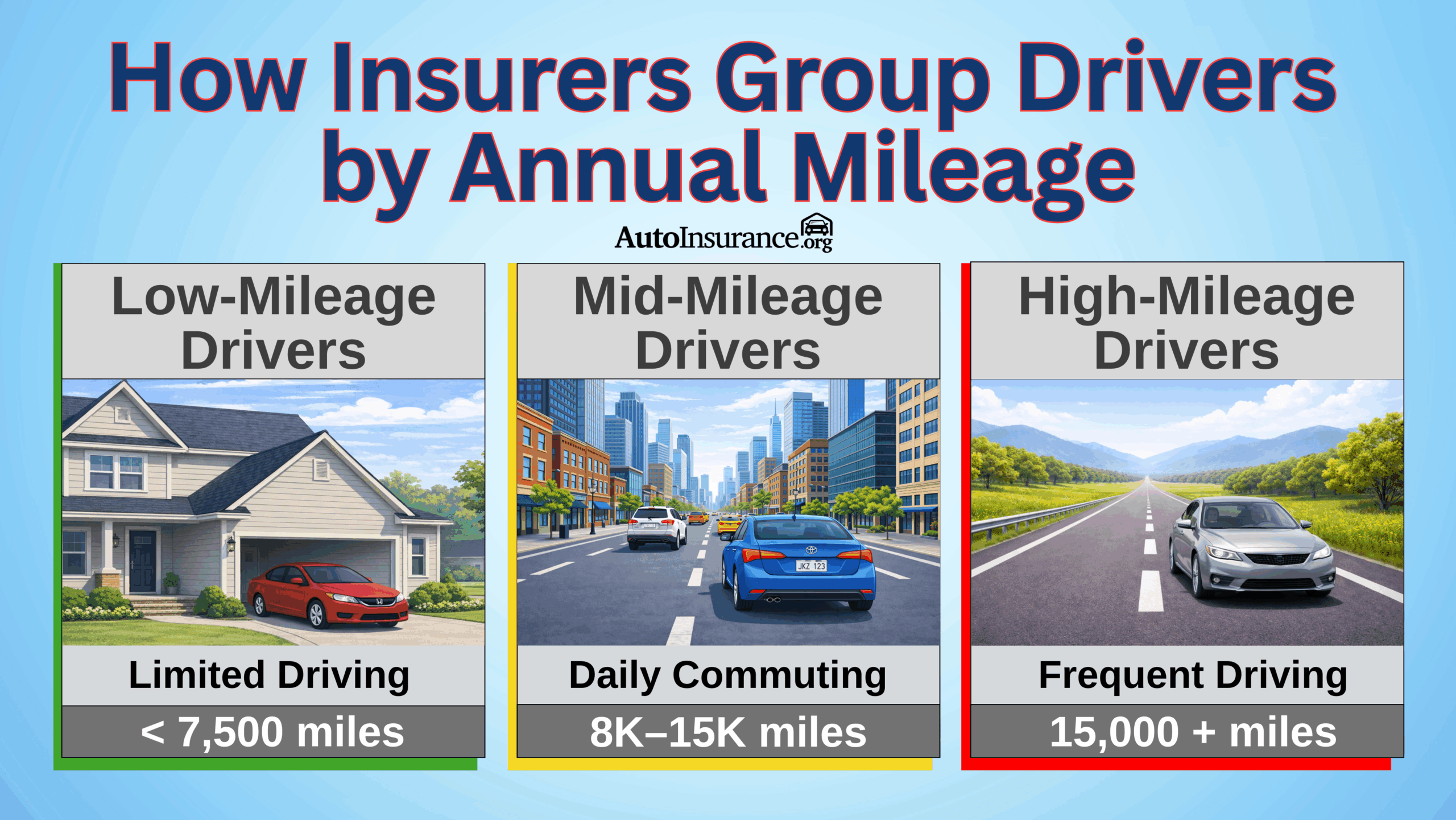
Bundling means buying another policy, such as home or renters insurance, from the same company. Low-mileage insurance discounts can also lower costs if you don’t drive many miles each year.
Top Discounts for Yearly Premium Auto Insurance
| Company | Bundling | Low-Mileage | Safe Driver | Usage-Based |
|---|---|---|---|---|
| 17% | 30% | 18% | 30% |
| 25% | 20% | 18% | 35% |
| 16% | 30% | 8% | 30% |
| 15% | 30% | 15% | 30% |
| 20% | 10% | 20% | 30% |
| 6% | 30% | 15% | 25% |
| 18% | 40% | 12% | 40% |
| 11% | 30% | 10% | 30% |
| 18% | 30% | 20% | 30% |
| 13% | 20% | 15% | 30% |
Usage-based programs track driving habits such as speeding, hard braking, phone use, and quick acceleration. How you drive can affect the savings you receive, depending on the program.
Discounts aren’t the only way to lower your yearly premium. Your deductible, coverage choices, credit profile, and driving record can also affect what you pay.
- Check Rates Before Renewal: See how other insurers price similar coverage.
- Maintain a Clean Record: Avoiding tickets and at-fault accidents can help you avoid added costs at renewal.
- Raise Your Deductible: A higher deductible can lower your premium, but you’ll pay more after a covered claim.
- Recheck Your Protection: As your car ages, see if your current coverage still makes sense.
- Work on Your Credit: A stronger credit profile may help lower rates where credit-based insurance scoring is allowed.
Finding the best yearly premium auto insurance isn’t just about getting the biggest discount. Look at the annual cost, deductible, available savings, and what the policy covers before making a choice.
Before renewal, check personalized rates to see whether another insurer offers similar protection for less.
Find Out More: Best Companies for Bundling Home and Auto Insurance
How Yearly Auto Insurance Renewals Work
Your insurer takes another look at your rate when your policy renews. Until then, your premium generally stays the same unless you change your car, drivers, or coverage.
A lot can happen between renewals. A new ticket, at-fault accident, claim, or change in discount eligibility can affect the price you’re offered for the next term.
Got your renewal notice? Check whether your premium, deductible, coverage, or savings have changed. If your rate is higher, reviewing those details can help you understand what’s behind the increase.
For the best yearly premium auto insurance in California, don’t rely on your renewal price alone. Check rates for similar coverage from other insurers before your new term begins, then see which policy fits your budget and coverage needs.
Auto Insurance Renewal
Your renewal notice shows the price and coverage for your next policy term. Take a look before renewing instead of assuming everything stayed the same.
Check your insurance deductible, listed drivers, vehicle details, and coverage limits to make sure they’re still accurate.
I’d use renewal time to check whether your coverage still makes sense for your car. An older vehicle, for example, may not need every optional coverage.Dani Best Licensed Insurance Producer
Notice a higher premium? Ask your insurer what changed and check how your price compares with the average cost of car insurance in the U.S. Losing a discount, adding a driver, or replacing your vehicle can affect what you pay.
Reviewing these details before your current policy ends can help you catch outdated coverage or discounts that are no longer applied.
Get More Details: When does my auto insurance renew?
What Underwriters Review Before Renewal
Your rate can change when a new policy term starts. Underwriters look at your driver and policy information to see what’s changed since your last term.
Those changes help determine what you’ll pay for the next one. Here are some of the details they may consider:
- Claims History: Your CLUE report and recent claims can affect your renewal premium.
- Discount Eligibility: Check whether you still qualify for multi-policy, multi-vehicle discounts, safe driver, paperless, or telematics savings.
- Driving Record: Looks for new speeding tickets, at-fault accidents, DUIs, or other traffic violations.
- Household Drivers: Makes sure the drivers on your policy are listed correctly and accounts for any changes.
- Vehicle and Usage: Considers your car, annual mileage, commute, and how you use the vehicle when setting your rate.
Keep your driver, vehicle, and policy details current so your insurer has accurate information when setting your next premium. A clean driving record can also help you avoid surcharges tied to tickets or at-fault accidents.
If your price goes up, ask your insurer what changed and whether any savings are available. You can also check rates from other insurers before deciding whether to renew.
Free Insurance Comparison
Compare Quotes From Top Companies and Save
Six-Month vs. Yearly Auto Insurance Policies
Six-month and yearly policies mainly differ in how often they renew. A yearly policy renews once a year, while a six-month policy renews twice.
With annual auto insurance, your rate is generally set for 12 months unless you make changes to your policy. A six-month policy renews sooner, so your rate can be adjusted earlier based on updated pricing factors.
When comparing semi-annual premium car insurance with yearly coverage, consider how often you’re comfortable renewing your policy. A six-month policy has a shorter term, while yearly coverage gives you more time between renewals.
Before choosing, look at what each option could cost over a full year. A lower six-month auto insurance rate to start may end up costing more if the price goes up at renewal.
Benefits of Choosing Yearly Auto Insurance
A 12-month policy gives you more time between renewals. Your rate is generally set for the term unless you change your car, drivers, or coverage.
When comparing six-month and yearly options, look at what each one could cost over a full year instead of focusing only on the starting premium. Here are a few benefits of a yearly policy:
- Easier Budgeting: Knowing your premium for the policy term can make planning your insurance costs simpler.
- Fewer Renewals: A 12-month policy renews once a year instead of twice.
- Later Rate Changes: New tickets or at-fault accidents may not affect your premium until your next renewal.
- Longer Rate Period: Your premium is generally set for 12 months unless you change your policy.
- Pay-in-Full Savings: Paying upfront may qualify you for a discount if your insurer offers one.
A yearly policy can make sense if you prefer fewer renewals and a longer period between rate reviews. Check the full annual cost, coverage, deductible, and available savings before choosing a policy term.
You can also check online auto insurance quotes to see how insurers price similar coverage before making your choice.
10 Best Yearly Premium Car Insurers
State Farm, Progressive, and Geico offer yearly policies with different coverage options, ways to save, and policy features to consider.
Several major insurers offer yearly car insurance, but their market presence varies. The chart shows how five leading companies compare by market share.
Among these five insurers, State Farm has the largest share at 31%, followed by Progressive at 25%. Geico, Allstate, and USAA make up the rest of the group.
State Farm, Progressive, Geico, Allstate, and USAA differ in their policy features, discounts, and types of car insurance coverage. Looking at these details along with annual rates can help you see what each company offers.
Check the cheapest car insurance companies if keeping costs down is a priority. To find the right policy, also consider claims service, available savings, coverage, and yearly costs before choosing an insurer.
#1 – Erie: Top Overall Pick
Pros
- Rate Lock Protection: Erie’s Rate Lock keeps rates steady unless you make a qualifying policy change.
- Diminishing Deductible: Each claim-free year lowers your collision deductible by $100, up to $500.
- First Accident Forgiveness: Your first at-fault accident won’t trigger a surcharge after three years with Erie.
Cons
- Limited State Availability: Our Erie insurance review shows coverage is limited to 12 states and Washington, D.C.
- Agent-Based Service: Buying or updating coverage generally requires working with a local Erie agent.
#2 – Nationwide: Best for Low Mileage
Pros
- SmartMiles Pricing: SmartMiles combines a base rate with a mileage charge, so driving less can reduce costs.
- SmartRide Discount: Safe driving with SmartRide can save you up to 40%. Related: Nationwide Insurance Review
- Driving Feedback: SmartRide shows how you’re doing by tracking mileage, braking, acceleration, idle time, and nighttime driving.
Cons
- Seven-State Exclusion: SmartMiles isn’t available in Alaska, Hawaii, Louisiana, Michigan, North Carolina, New York, and Oklahoma.
- Variable Monthly Cost: Payments can change based on mileage recorded during the previous billing cycle.
#3 – State Farm: Best for Discount Variety
Pros
- Extensive Savings Programs: Drive Safe & Save, Steer Clear, Good Student, and multi-policy discounts provide several ways to save.
- Large Local Agent Network: State Farm has about 19,000 agents available to help with coverage changes and policy questions.
- Exceptional Financial Strength: State Farm holds an A++ AM Best Financial Strength Rating, indicating a strong ability to meet financial obligations.
Cons
- Discount Eligibility Requirements: Savings depend on factors such as driving history, location, and individual program requirements.
- State-Specific Coverage Options: Our State Farm insurance review shows coverage and discount availability can differ by state.
#4 – Auto-Owners: Best for Agent Support
Pros
- Personalized Agent Guidance: Independent agents help customers choose coverage based on their vehicles and insurance needs.
- Common Loss Deductible: When the same covered event damages your home and vehicle, you may only have to pay one deductible.
- Collision Coverage Advantage: The collision deductible may be waived when an accident involves another vehicle insured by Auto-Owners.
Cons
- Agent Purchase Required: Policies generally must be purchased and updated through an independent agent rather than entirely online.
- Limited Availability: Coverage is available in 26 states rather than nationwide. Explore More: Auto-Owners Insurance Review
#5 – American Family: Best for Loyalty Rewards
Pros
- Customer Loyalty Discounts: Long-term customers may qualify for savings based on how long they’ve stayed with American Family.
- KnowYourDrive Program: Safer driving recorded through KnowYourDrive may lead to additional savings.
- Generational Discount: Customers with parents who have American Family coverage may qualify for a generational discount.
Cons
- Limited State Availability: As noted in our American Family insurance review, policies are sold in 19 states.
- Program Availability Varies: Discounts and rewards depend on state regulations and individual eligibility.
#6 – Geico: Best for Online Savings
Pros
- Online Quote Savings: Qualifying customers may receive a discount when they get their Geico quote online.
- Military and Federal Discounts: Qualifying military members and federal employees may receive additional policy discounts.
- Mechanical Breakdown Insurance: Eligible newer vehicles can get protection for certain mechanical repairs beyond the manufacturer’s warranty.
Cons
- Primarily Digital Service: Policy management and claims support are largely handled online or by phone rather than through local offices.
- Claims Satisfaction: Geico received 697 out of 1,000 for claims satisfaction. See More: Geico Insurance Review
#7 – Allstate: Best for Bundle Savings
Pros
- Home and Auto Savings: Combining qualifying home and auto policies can provide savings of up to 25%.
- Deductible Rewards: Allstate cuts your collision deductible by $100 at signup and another $100 each accident-free year, up to $500, per the Allstate insurance review.
- Drivewise Savings: Completing at least 50 Drivewise trips can qualify participants for driving-based renewal savings.
Cons
- Bundle Savings Vary: Advertised savings aren’t available everywhere, and the discount amount depends on the state.
- Drivewise Trip Minimum: At least 50 recorded trips are required before a Drivewise score can qualify for savings.
#8 – Travelers: Best for Driver Tracking
Pros
- 90-Day Tracking: IntelliDrive tracks your driving for 90 days, so you know exactly how long the program monitors your habits.
- Trip Corrections: You have 10 days to fix trips the app incorrectly records as yours.
- Driving Feedback: You can review your recorded driving habits while using IntelliDrive. Discover More: Travelers Insurance Review
Cons
- Rate Can Increase: Riskier driving with IntelliDrive 365 can raise your rate by up to 45% where allowed.
- 500-Mile Minimum: You need to record at least 500 miles within 90 days to receive a score.
#9 – Farmers: Best for Policy Flexibility
Pros
- Multiple Coverage Add-Ons: Farmers offers OEM parts, rideshare, glass, residual debt, and other optional coverages.
- Residual Debt Protection: Farmers can pay up to 25% above your vehicle’s actual cash value toward the remaining balance, as explained in our Farmers insurance review.
- OEM Parts Coverage: Farmers may pay for original manufacturer parts if your qualifying vehicle is up to 10 years old.
Cons
- Accident Forgiveness Limit: Farmers only forgives one at-fault accident every three years for qualifying customers.
- Coverage Varies by State: Some coverage options aren’t available everywhere, so what you can add depends on where you live.
#10 – Progressive: Best for Risky Drivers
Pros
- SR-22 Support: Progressive can file an SR-22 when required after certain serious driving violations.
- Continuous Coverage Discount: Your previous insurance history may qualify you for savings when switching to Progressive.
- Accident Forgiveness: Qualifying claims of $500 or less won’t result in a rate increase under Small Accident Forgiveness.
Cons
- SR-22 Filing Cost: You’ll generally pay an additional fee when Progressive files an SR-22 for you. Read More: Progressive Insurance Review
- Limited Local Agents: Most Progressive customers handle their coverage online or by phone rather than with a local agent.
How to Get the Best Yearly Premium Auto Insurance
The best yearly premium auto insurance gives you 12 months of coverage and can make renewal costs easier to plan for. Erie is a good option if you want your rate to stay more consistent throughout the policy term.
Nationwide is worth considering for drivers comfortable using telematics to turn their driving habits into potential savings, while State Farm may appeal to younger drivers looking for a program that combines driver education with opportunities to save.
Compare the types of auto insurance, claims process, and discounts each insurer offers. Doing so can help you find affordable yearly auto insurance without sacrificing coverage.
If you finance or lease your vehicle, your lender will typically require you to carry collision and comprehensive coverage until the loan or lease is paid off.
Don't wait until after an accident to understand your policy. In particular, take a few minutes to review what's covered before renewing.Jeff Root Licensed Insurance Agent
These details can affect what you pay over time. Finding the best car insurance company also means choosing one with dependable customer service and a smooth claims process, not just the lowest price.
Compare yearly auto insurance quotes from top providers in your area and choose the policy that best fits your budget and driving needs.
Frequently Asked Questions
Who offers the cheapest yearly premium auto insurance?
Auto-Owners, Geico, and Erie are among the best options for yearly premium auto insurance, but the cheapest company depends on your location, vehicle, and driving history. Compare quotes to find your lowest annual rate.
How much is the average annual auto insurance premium?
The average yearly cost for full coverage auto insurance in the U.S. is about $1,700. When comparing the best yearly premium auto insurance in the USA, your rate will depend on your age, location, vehicle, and coverage choices.
Compare the best yearly premium auto insurance available in your area by entering your ZIP code.
What insurance companies offer 12-month auto insurance policies?
Erie, Nationwide, and State Farm offer 12-month auto insurance policies in certain states. Since availability varies by location, comparing quotes can help you find affordable auto insurance rates online.
How can I lower my yearly auto insurance premium?
One of the easiest ways to lower your yearly premium is to compare quotes before renewing your policy. You can also save by maintaining a clean driving record, choosing a higher deductible, and taking advantage of discounts.
Is a $500 or $1,000 deductible better for your yearly premium?
A $1,000 deductible usually means a lower premium, while a $500 deductible helps keep your out-of-pocket costs lower after a covered claim. Pick the option that best fits your budget.
Why is my yearly auto insurance premium so high with a clean driving record?
Your premium may still increase because of several factors that affect auto insurance rates, including your ZIP code, vehicle, repair costs, insurance history, and rising claim costs in your area.
Get matched with the best yearly premium auto insurance by checking personalized insurance rates.
What is a good annual rate for car insurance?
A good rate is one that provides the coverage you need at a competitive price compared with similar drivers in your area. Comparing quotes helps determine if your annual premium is reasonable.
Does my deductible reset every year for yearly premium auto insurance?
No. Your deductible applies each time you file a covered claim and does not reset or decrease when your policy renews.
What is the downside to having a high deductible for yearly premium auto insurance?
A higher deductible lowers your premium, but you’ll have to pay your auto insurance deductible before your insurance covers a claim.
How does age affect yearly auto insurance premiums?
Teen drivers usually pay the highest rates; premiums often decrease through middle age, and may increase again for older drivers.
See how much you could save on the best yearly premium auto insurance with our free quote comparison tool.
Is it cheaper to buy yearly auto insurance online than through an agent?
Which auto insurance companies receive the most customer complaints?
Which auto insurance company is best for yearly premium auto insurance?
Does yearly auto insurance cover windshield replacement?
Is AAA cheaper than Geico for yearly premium auto insurance?
Why is Geico’s yearly auto insurance premium lower than some competitors’?
Why is Progressive’s yearly auto insurance premium so affordable?
Is a $5,000 deductible for comprehensive and collision coverage worth it?
Does car color affect your yearly auto insurance premium?
What should you avoid saying to your auto insurance company after an accident?
Which auto insurance companies have the highest claim denial rates?
Related Articles
-
Jun 2026

At-Fault Accident Defined (2026)
-
Jun 2025
Can I get a refund if I switch auto insurance?
-
Dec 2024
Does auto insurance cover lightning strikes?
-
Dec 2024
Pleasure-Use vs. Commuter Auto Insurance in 2026 (Compare Rates & Discounts)
-
Dec 2024
Does auto insurance cover towing a boat?
-
Nov 2024
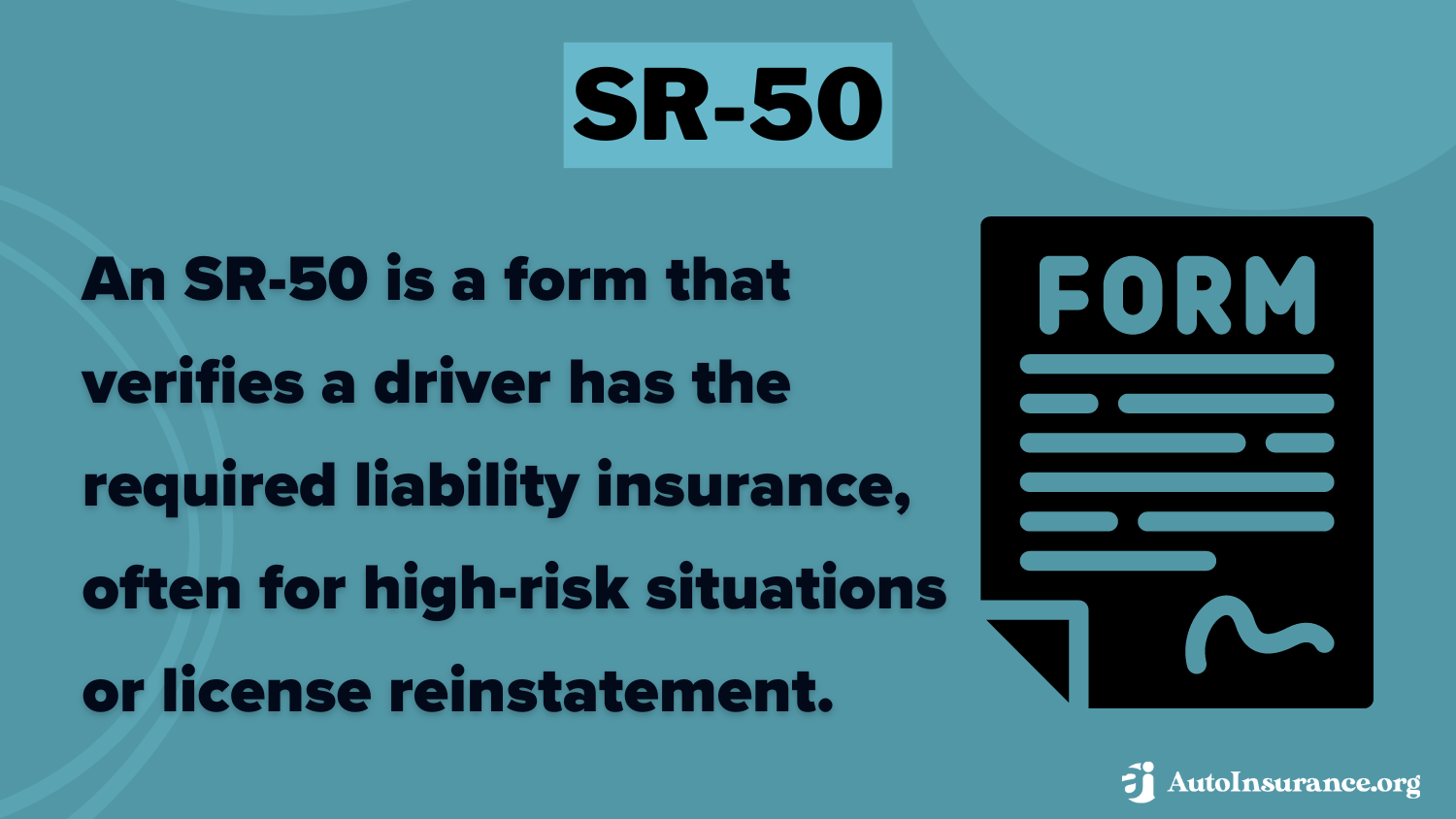
SR-50 Auto Insurance in 2026 (Coverage Explained)

Get a FREE Quote in Minutes
Insurance rates change constantly — we help you stay ahead by making it easy to compare top options and save.