Government Assistance Programs for Low-Income Drivers in 2026
Government assistance programs for low-income drivers offer financial help for as low as $0 per month. Assistance is currently only available in California, New Jersey, and Hawaii. If your state doesn’t offer cheap government auto insurance for low-income drivers, there are other ways to find affordable coverage.
Read more





Table of Contents
Table of Contents

Insurance and Finance Writer
Merriya Valleri is a skilled insurance writer with over a decade of professional writing experience. Merriya has a strong desire to make understanding insurance an easy task while providing readers with accurate and up-to-date information. Merriya has written articles focusing on health, life, and auto insurance. She enjoys working in the insurance field, and is constantly learning in order to ...
Merriya Valleri

Sr. Director of Content
Sara Routhier, Senior Director of Content, has professional experience as an educator, SEO specialist, and content marketer. She has over 10 years of experience in the insurance industry. As a researcher, data nerd, writer, and editor, she strives to curate educational, enlightening articles that provide you with the must-know facts and best-kept secrets within the overwhelming world of insurance....
Sara Routhier

Licensed Insurance Agent
Tim Bain is a licensed insurance agent with 23 years of experience helping people protect their families and businesses with the best insurance coverage to meet their needs. His insurance expertise has been featured in several publications, including Investopedia and eFinancial. He also does digital marking and analysis for KPS/3, a communications and marking firm located in Nevada.
Tim Bain
Updated October 2026
Government assistance programs for low-income drivers can help you find car insurance payments starting at $0 per month if you live in California, New Jersey, or Hawaii.
- California, New Jersey, and Hawaii offer low-income insurance
- Low-income program insurance rates range from $0 to $42 per month
- You can find cheap insurance in other states by comparing rates
These state-sponsored insurance options offer affordable car insurance for low-income families who need to meet state minimum insurance requirements. If there is no government car insurance for low-income drivers in your state, you can still find cheap coverage.
Learn more about finding government auto insurance for low-income drivers below. Then, enter your ZIP code into our free tool to compare low-income auto insurance quotes.
State Car Insurance Programs for Low-Income Drivers
Although most states require car insurance before you can legally drive, finding government assistance with your coverage can be difficult. Only three states currently offer programs to help with car insurance for low-income families: California, Hawaii, and New Jersey.
If you need low-income car insurance in Oregon, Arkansas, or similar states, you won’t find government help. Instead, you’ll need to look for the best auto insurance for low-income drivers.
You may be able to get help with car insurance for low-income families if you live in one of the states with a low-income assistance program. These states have programs that can help you get income-based car insurance for affordable rates.
Government-Sponsored Auto Insurance Monthly Cost by State
| State | Program | Coverage | Monthly Rate | Who Qualifies |
|---|---|---|---|---|
| California | CLCA | Limited liability | $20-$81 | Low-income safe drivers |
| Hawaii | HJUP | PIP & liability | $0 | SSI recipients |
| New Jersey | SAIP | Medical bills | $30 | Medicaid recipients |
As you can see, finding auto insurance for low-income families in California, Hawaii, and New Jersey can be much cheaper if you qualify for assistance.
Not everyone qualifies for low-income car insurance in these states, though. Figuring out whether you qualify for government assistance is the first step.
If you can’t afford your auto insurance and you live in one of the three states with a program, it’s definitely worth applying for help. Finding low-income car insurance is possible through these programs, so long as you qualify.
Although each program is similar, the requirements are different. Carefully review the eligibility requirements to make sure you qualify for low-income insurance help.
California Low Cost Auto Insurance Program
If you reside in California, you may be eligible for California’s Low Cost Auto (CLCA) program to get emergency help paying car insurance.
The CLCA program only offers liability auto insurance. It may not be the best California car insurance for drivers seeking a more comprehensive policy, but it’s enough to keep you street legal.
To benefit from California’s program, you must be a resident with a clean driving record, have a valid license, and own a car valued at $25K or less.
You must also meet certain income requirements and have had continuous liability insurance coverage for the past six months.
How to Qualify for the CLCA
Because the program is designed for drivers who may have difficulty affording auto insurance, applicants must meet eligibility requirements before purchasing a CLCA policy.
While the general requirements are basic, you should check with the CLCA for specifics. For example, the vehicle requirements often change.
- Good Driving Record: You’ll be denied coverage if you have serious driving violations or at-fault accidents in your recent driving history.
- Income Requirements: Your income must not exceed the limit set by the CLCA, which depends on the size of your household.
- No Other Insurance: If you’re just trying to supplement coverage you already have, the CLCA will reject your application.
- Valid Driver’s License: Drivers must be licensed in California to be eligible. They must also be at least 16 years old, though minors may have higher requirements.
- Vehicle Requirements: The CLCA details exactly which types of cars are eligible for coverage. You must also use your vehicle for personal transportation.
If you think you may qualify, you can apply through a CLCA-certified insurance agent or through the program’s application process online. Have documentation regarding your income available to verify that you qualify for the program.
Meeting these requirements does not necessarily guarantee enrollment. Liability coverage is also limited, so drivers should understand what a CLCA policy covers before purchasing one.
Low-Income Car Insurance in New Jersey
New Jersey’s Special Automobile Insurance Policy (SAIP) program offers affordable government car insurance for low-income drivers in NJ.
According to New Jersey’s Department of Banking and Insurance, you must be a New Jersey resident, be enrolled in Medicaid with hospitalization coverage, and have a valid state driver’s license or permit to qualify.
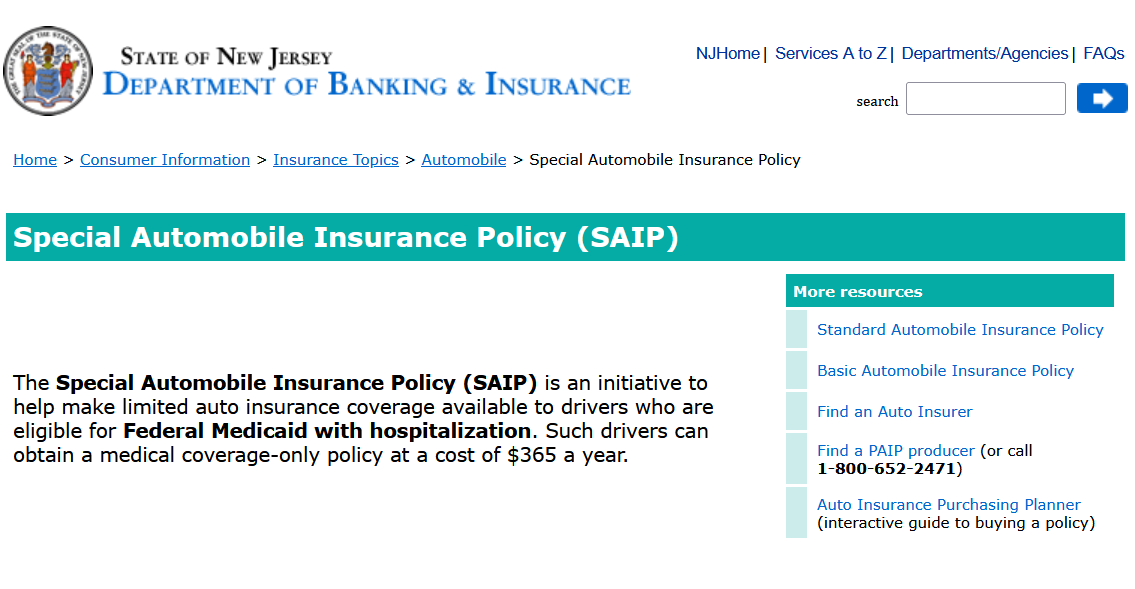
The SAIP program covers medical expenses and accident-related costs involving uninsured motorists. Unfortunately, it does not cover damage to your vehicle or passenger injuries.
This policy costs $30 per month and offers some of the lowest New Jersey auto insurance rates for low-income drivers.
How to Qualify for New Jersey’s SAIP
The New Jersey SAIP is a low-cost auto insurance option for drivers enrolled in Medicaid. The program provides limited coverage at a lower cost. See more policy options in our guide: Auto Insurance for Different Types of Drivers
Not every low-income driver qualifies for the policy. To qualify for SAIP, drivers must meet specific eligibility requirements related to their health insurance, driver’s license, and vehicle.
- Eligible Vehicle: Not every vehicle qualifies for SAIP coverage. Check the SAIP website beforehand, as vehicle eligibility changes frequently.
- Medicaid Enrollment: You need to be enrolled in Medicaid to buy SAIP. If you lose your Medicaid eligibility, you may also lose your SAIP coverage.
- Participating Insurer: You must buy your coverage from an insurance provider that participates in the SAIP program.
- Valid New Jersey License: Only New Jersey residents are eligible, and you need a valid New Jersey driver’s license to qualify for SAIP coverage.
The SAIP is sometimes called the “dollar-a-day” insurance program in New Jersey because its premiums can be much lower than standard coverage.
The policy provides much more limited coverage than a typical auto insurance policy and generally does not provide liability coverage for damage you cause to other people or their property.
If you qualify for the SAIP, you can purchase a policy through a participating insurance company. Before enrolling, make sure you understand the policy’s limitations and whether you need additional coverage to meet your needs.
Learn More: New Jersey Personal Automobile Insurance Plan
Car Insurance for Low-Income Drivers in Hawaii
As a low-income driver in Hawaii, you may qualify for the Aged, Blind, and Disabled (AABD) program, which offers government-assistance car insurance.
If you’re wondering how to get free car insurance in Hawaii, qualifying for this low-income program offers some of the best Hawaii car insurance rates because it’s free.
The AABD program offers only basic liability coverage to drivers seeking government assistance with car insurance rates. It may also provide coverage for vehicle damage.
If you get into an accident using one of the car insurance programs for low-income families, call the AABD office if your car is damaged. They may be able to help you get coverage for your vehicle.
How to Qualify for Hawaii Coverage Through the AABD
The AABD program in Hawaii provides financial assistance to eligible residents who are aged, blind, or disabled and have limited income. While AABD is not an auto insurance program, qualifying for this assistance may help eligible drivers.
According to Hawaii’s Department of Human Services, applicants must meet requirements related to their age, disability or blindness, income, assets, and residency.
- Age Requirement: One way to qualify is to be a driver aged 65 or older. If you meet this requirement, you may not need a disability.
- Blind or Disabled: Younger Hawaiian drivers may qualify for AABD coverage when they have certain disabilities, including blindness.
- Hawaii Resident: To receive AABD assistance, you need to meet Hawaii’s residency requirements. You must also be a U.S. citizen or have eligible immigration status.
- Income Requirements: You’ll need to meet the AABD’s income and asset requirements before you can purchase car insurance through the AABD.
Qualifying for AABD does not automatically provide you with auto insurance. It also won’t be the most robust coverage. Instead, AABD will help you meet Hawaii’s minimum auto insurance requirements so you can legally drive.
If you believe you may qualify for AABD, you can apply through the Hawaii Department of Human Services. Because Hawaii’s income, resource, and eligibility requirements can change, applicants should verify the current rules before applying.
If you are seeking help specifically with auto insurance costs, you may also want to explore other insurance options that could help.
Free Insurance Comparison
Compare Quotes From Top Companies and Save
Cost of Car Insurance for Low-Income Families
If you don’t qualify for assistance with your car insurance payment, you can still find affordable coverage with a standard policy by comparing quotes and asking for car insurance discounts.
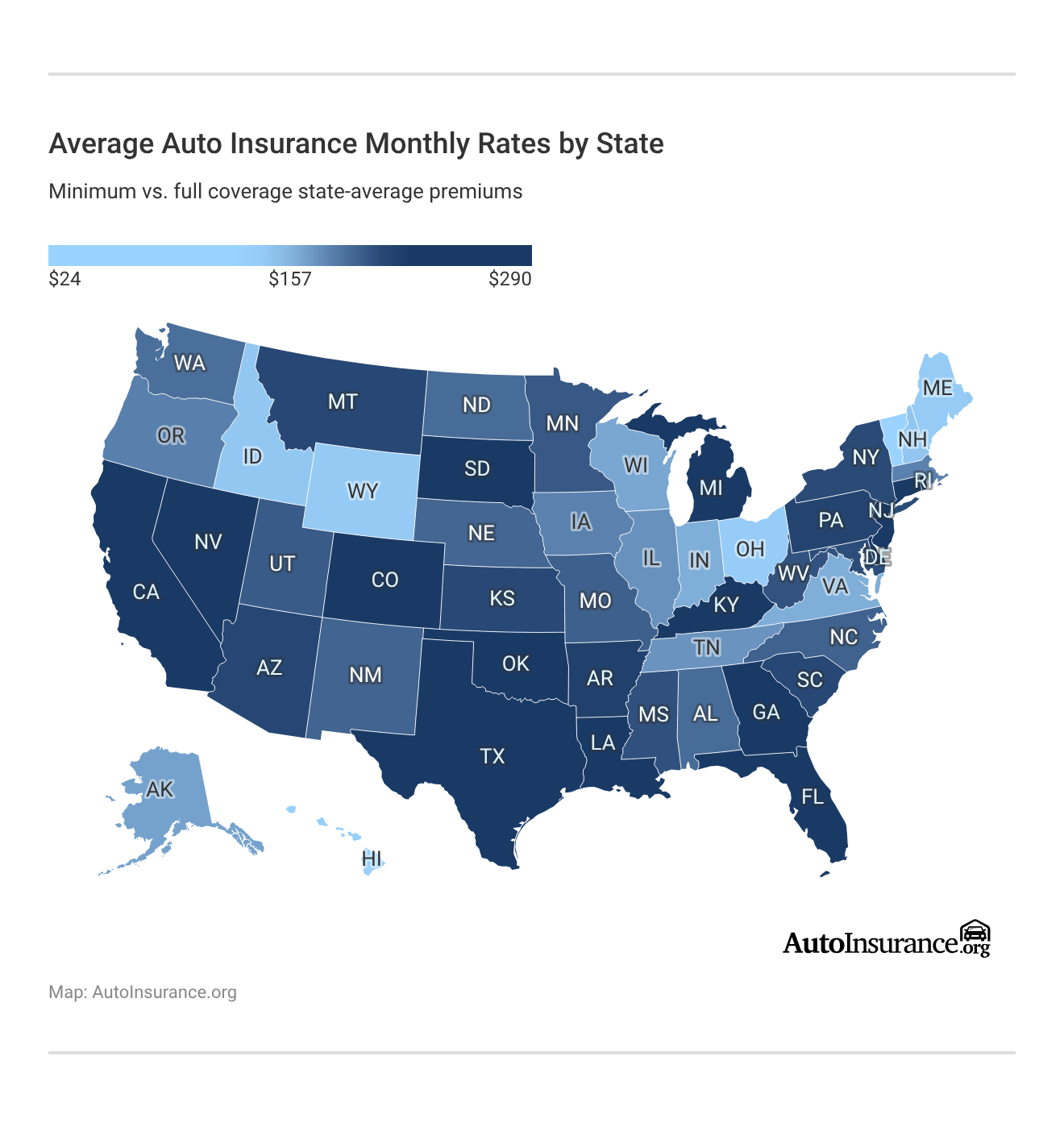
Various factors affect auto insurance rates, such as driving record, car type, driver’s age, gender, location, and coverage types. Check out the map to compare insurance rates by state.
Where you live is a crucial factor in your premiums. For example, drivers looking for low-income car insurance in Tennessee will see much different rates than people who need low-income car insurance in Washington state.
These averages are estimates, and the amount you pay for government-assisted car insurance may vary. To get a quote, use our free comparison tool to find the best deal for you.
Car Insurance Options for Low-Income Drivers
While you want to keep your monthly premium as low as possible, having the right coverage can help protect you from much larger expenses after an accident.
Understanding the different types of car insurance can help you decide where to spend your money and where you can cut costs.
- Collision: Collision insurance covers damages to your vehicle after a collision, regardless of who caused the accident. It may not be cost-effective for lower-value vehicles.
- Comprehensive: Comprehensive insurance covers damage to your vehicle from non-collision events such as theft, vandalism, and fire.
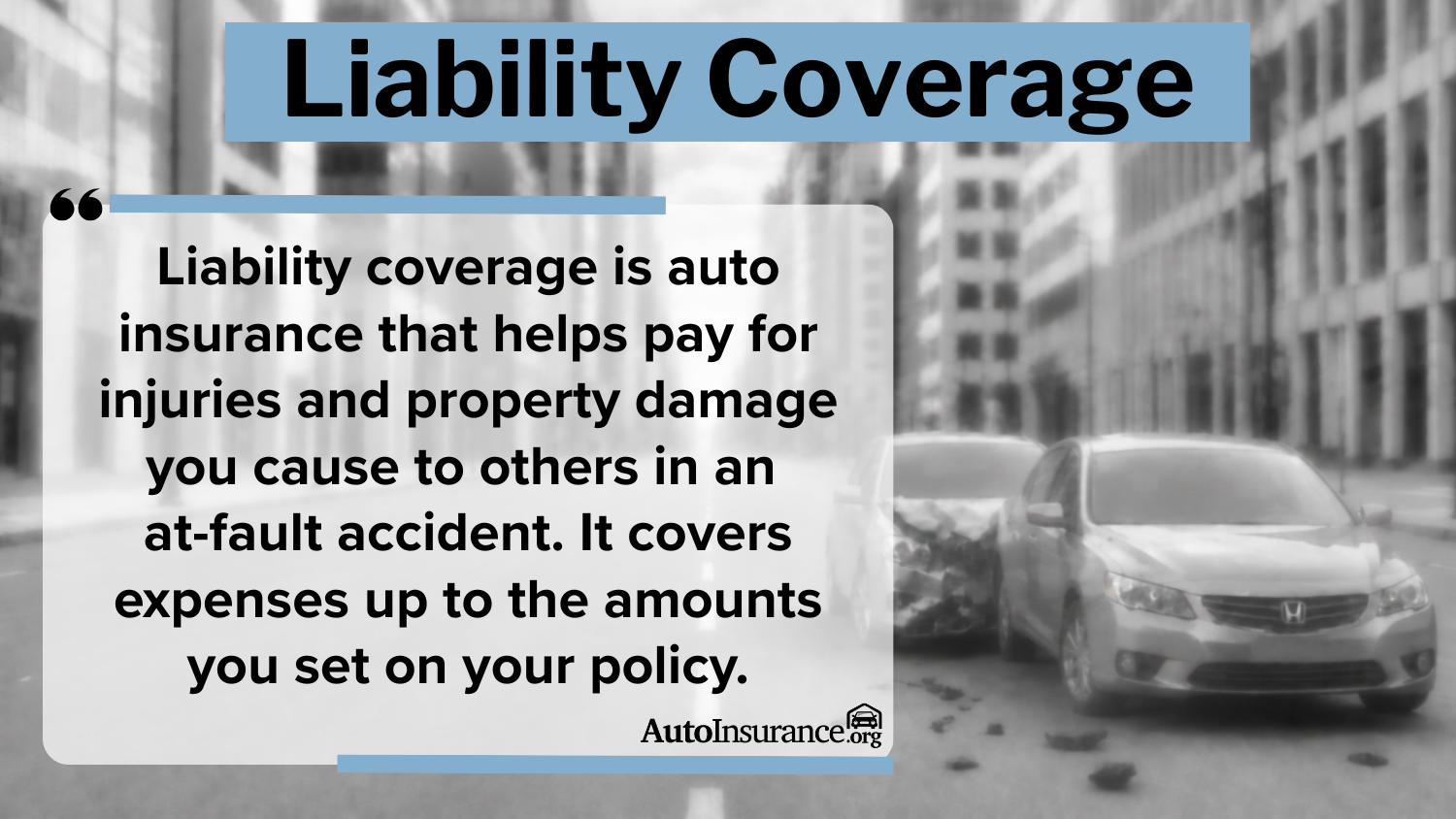
- Liability: Liability insurance pays for injuries and property damage you cause to other people in an at-fault accident. This coverage is usually required by law.
- PIP/MedPay: Depending on your state, you can get personal injury protection (PIP) or medical payments (MedPay) coverage to pay medical expenses after an accident.
- Uninsured/Underinsured Motorist Coverage: Uninsured/underinsured motorist insurance helps pay for injuries and vehicle damage caused by a driver with no insurance.
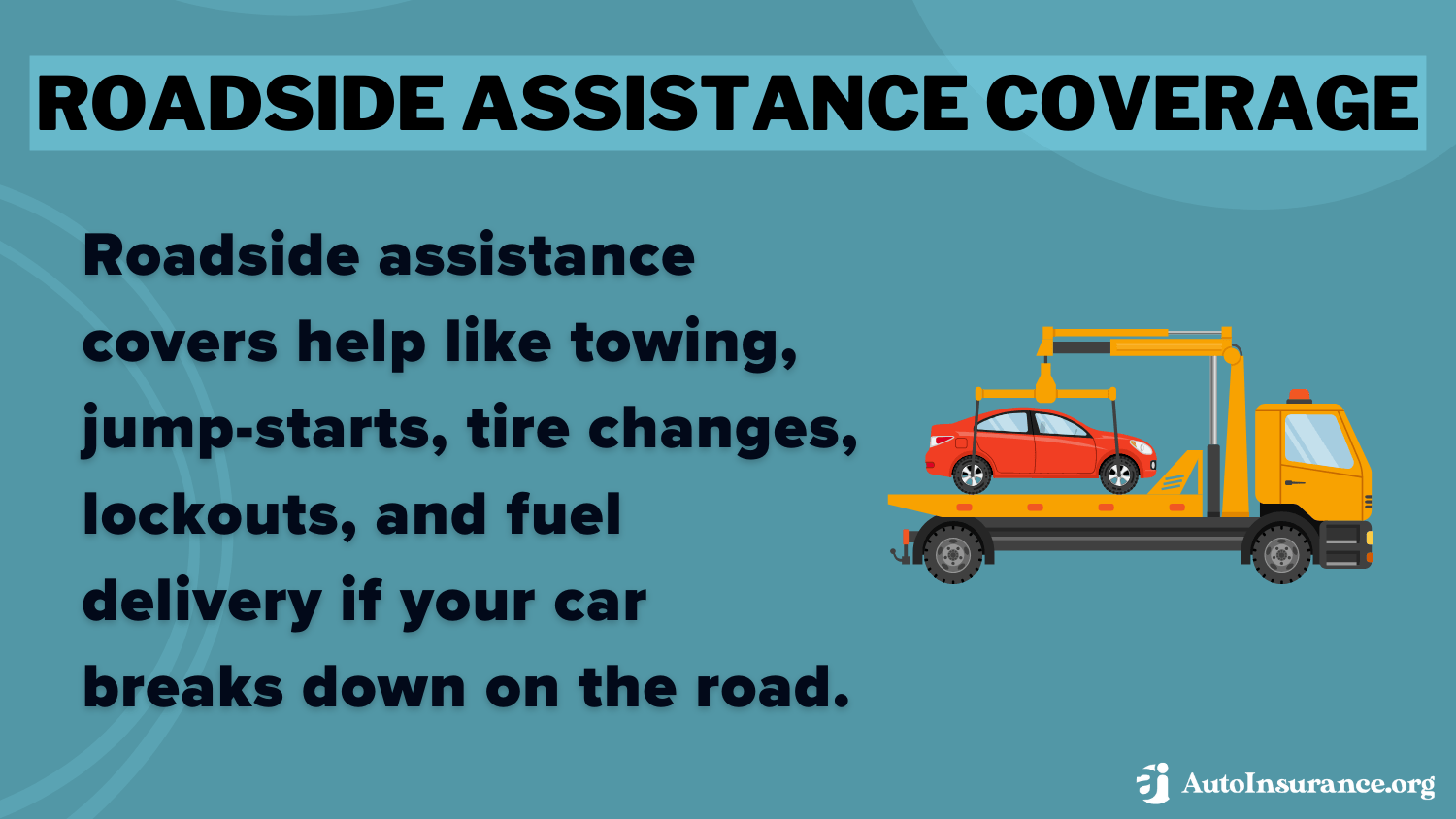
Drivers on a tight budget may also encounter optional add-ons that provide extra protection or convenience. Some options to consider include roadside assistance, rental car reimbursement, and accident forgiveness.
Add-ons increase your insurance cost, sometimes significantly. If keeping your premium low is your top priority, consider whether you are likely to use the benefit and whether you could afford to pay for the service yourself.
When shopping for coverage, consider what you could afford to pay out of pocket after an accident.
If you have very little emergency savings, paying slightly more each month for better coverage or a lower deductible may be cheaper than choosing the lowest premium.
For a low-income driver who does not have much money set aside for emergencies, a large deductible or uncovered loss could be difficult to manage.
Scott W. Johnson Licensed Insurance Agent
Reducing coverage or choosing a high deductible can lower your insurance bill, but it can also leave you responsible for more expenses after an accident.
The goal is to find a policy that fits your monthly budget without leaving you exposed to a bill you can’t afford. To find affordable coverage that also meets your needs, make sure to compare multiple quotes.
Other Ways Low-Income Drivers Can Save on Insurance
Finding affordable car insurance is especially important for drivers who have limited room in their monthly budgets. Fortunately, several ways can lower your insurance costs without dropping important coverage.
Shopping around and comparing quotes from multiple insurers can help you find a lower rate for the coverage you need.
When it comes to saving money on auto insurance, one of the most important steps is comparing quotes from multiple insurance companies. If you skip this step, you’ll most certainly overpay for your coverage.
Other important things you can do to keep your rates low include:
- Avoid coverage lapses
- Consider pay-per-mile insurance
- Look for car insurance discounts
- Own a vehicle that’s cheaper to insure
- Reduce your coverage
Combined with shopping around for quotes, these are fairly simple steps you can take to keep your insurance rates as low as possible. You may not be able to do all of them, but even doing a few can help lower your rates.
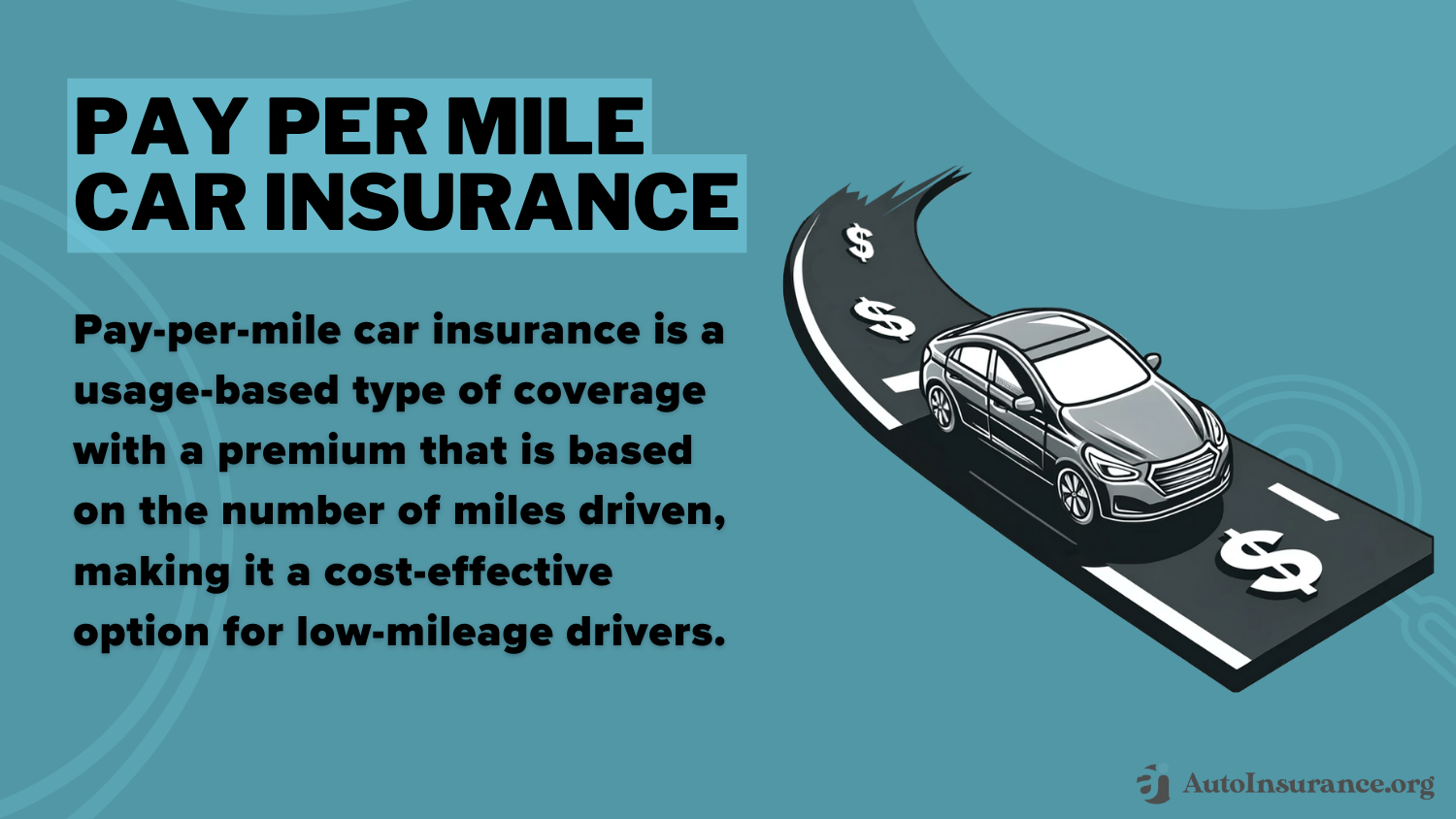
For example, there are two types of usage-based insurance (UBI). Pay-per-mile auto insurance lets you pay for what you use. The other type of UBI uses a telematics device to track your driving behaviors to provide a discount. Typically, you can’t sign up for both.
Keep reading for more information on the best way to minimize the amount you pay for your car insurance.
Don’t Let Your Insurance Lapse
Maintaining continuous auto insurance coverage is vital for several reasons. For one, driving without auto insurance is illegal in most states. Beyond that, letting your insurance lapse can lead to much higher rates when you restart your policy.
The consequences of driving without insurance make it clear why you should never do it.
State-Specific Penalties for Driving Without Insurance
| State | Fine | Suspension | SR-22 Required |
|---|---|---|---|
| Alabama | $500 | Until reinstated | ✅ |
| Alaska | $500 | 90 days | ✅ |
| Arizona | $500 | 3 months | ✅ |
| Arkansas | $50–$250 | Until reinstated | ✅ |
| California | $100–$200 | Up to 4 years | ✅ |
| Colorado | $500 | Up to 1 year | ✅ |
| Connecticut | $100–$1K | 1 month | ✅ |
| Delaware | $1.5K–$2K | 6 months | ❌ |
| Florida | $150 | Up to 3 years | ✅ |
| Georgia | $200–$1K | 60 days | ✅ |
| Hawaii | $500 | 3 months | ✅ |
| Idaho | $75 | Until reinstated | ✅ |
| Illinois | $500–$1K | Up to 4 months | ✅ |
| Indiana | $250 | 90 days | ✅ |
| Iowa | $250 | Until reinstated | ✅ |
| Kansas | $300–$1K | 30+ days | ✅ |
| Kentucky | $500–$1K | 1 year | ❌ |
| Louisiana | Up to $10K | Up to 1 year | ✅ |
| Maine | $100–$500 | Until reinstated | ✅ |
| Maryland | Up to $1K | Until reinstated | ❌ |
| Massachusetts | Up to $1K | 60 days | ❌ |
| Michigan | $200–$500 | 30 days | ✅ |
| Minnesota | $200–$1K | 30 days–1 year | ✅ |
| Mississippi | $500 | Up to 1 year | ✅ |
| Missouri | Up to $500 | Up to 1 year | ✅ |
| Montana | $250–$500 | Up to 180 days | ✅ |
| Nebraska | Up to $1K | Until reinstated | ✅ |
| Nevada | Up to $1K | 30+ days | ✅ |
| New Hampshire | ❌ | ❌ | ❌ |
| New Jersey | $300–$1K | 1 year | ❌ |
| New Mexico | Up to $300 | 30+ days | ✅ |
| New York | $150–$1.5K | At least 1 year | ❌ |
| North Carolina | $50 | 30 days | ❌ |
| North Dakota | Up to $300 | 21 days | ✅ |
| Ohio | $160–$660 | Up to 2 years | ✅ |
| Oklahoma | Up to $250 | Until reinstated | ✅ |
| Oregon | $130–$1K | Up to 3 years | ✅ |
| Pennsylvania | $500 | 3 months | ❌ |
| Rhode Island | $100–$500 | 3 months | ✅ |
| South Carolina | $100–$200 | Until reinstated | ✅ |
| South Dakota | Up to $500 | Up to 1 year | ✅ |
| Tennessee | Up to $300 | 60+ days | ✅ |
| Texas | Up to $1K | Up to 2 years | ✅ |
| Utah | Up to $1K | Until reinstated | ✅ |
| Vermont | $250–$500 | Until reinstated | ✅ |
| Virginia | $600 | Until reinstated | ✅ |
| Washington | $550+ | Up to 3 years | ❌ |
| Washington, D.C. | Up to $2.5K | 30–60 days | ✅ |
| West Virginia | $200–$5K | Up to 30 days | ✅ |
| Wisconsin | Up to $500 | Up to 1 year | ✅ |
| Wyoming | $250–$750 | Up to 1 year | ✅ |
A lapse in coverage can follow you even after you buy insurance again, and a longer lapse can make it harder to find affordable coverage. Depending on your record and state requirements, you may also need high-risk auto insurance.
Some states add filing requirements after an uninsured-driving violation. For example, you’ll need to get SR-22 coverage in Oregon if you’re caught driving without insurance, which can make finding Oregon low-income car insurance more difficult.
If your policy has already lapsed, compare insurers before restarting coverage rather than automatically returning to your previous company. Be ready to provide your prior policy information and the dates your coverage ended, since insurers may use the length of the lapse when setting your new premium.
Try Pay-As-You-Go Policies
Pay-as-you-go insurance is ideal for low-mileage drivers who put fewer than 10,000 miles on their vehicle every year. It’s not the best choice for everyone, but it does help many drivers save.
The best pay-as-you-go auto insurance companies make getting this type of coverage easy. You start with a base rate that you pay every month (for example, $25 per month). Then, you’ll get a charge for each mile you drive, which is usually a few cents.
Your insurance provider will add up the number of miles you drive each month, combine that with your monthly flat rate, and that’s how much you’ll pay for your insurance.
If you’re looking for low-income car insurance in Massachusetts, Delaware, or similar states, usage-based insurance may be the easiest way to get cheap coverage.
If you travel frequently or commute a long distance to work, it may not be right for you. For example, a low-income policy is probably not the best way to the cheapest auto insurance in Florida because the average drive time in this state is on the longer side.
Drivers looking for low-income car insurance in Wisconsin might be able to take advantage of this, as Wisconsin has a shorter average commute.Laura Berry Former Licensed Insurance Producer
If you’re not a low-mileage driver, you may still be able to save with usage-based insurance. UBI policies make use of a telematics device or your phone to track behaviors like speeding, hard braking, what time you drive, and how many miles you spend behind the wheel.
Depending on your overall driving score, you can save up to 40% on your policy with some companies. However, you should skip this method if your driving habits are less than ideal.
Explore More: How Annual Mileage Affects Your Auto Insurance Rates
Look for Car Insurance Discounts
As a low-income driver, inquire about any available auto insurance discounts. You may not find something like an EBT recipients auto insurance discount, but there are plenty of options to take advantage of.
Exploring a full list of common car insurance discounts you’ll find from the best car insurance companies should give you a better idea of what to look for.
Top Auto Insurance Discounts by Category
| Personal | Policy | Vehicle |
|---|---|---|
| Alumni | Auto Billing | Adaptive Headlights |
| Deployment | Claim-Free | Anti-Lock Brakes |
| Family Legacy | Continuous Coverage | Anti-Theft Device |
| Family Plan | Defensive Driver | Audible Alarm |
| Federal Employee | Driver Training | Automatic Braking |
| Good Student | Early Signing | Blind Spot Warning |
| Group Member | Full Payment | Collision Warning |
| Healthy Lifestyle | Good Credit | Cruise Control |
| Higher Education | Loyalty | Economy Vehicle |
| Homeowner | Multi-Policy | Farm Vehicle |
| Life Insurance | Multiple Vehicles | Garage Storage |
| Married | New Customer | Hybrid Vehicle |
| Military | Occasional Driver | Lane Warning |
| New Address | On-Time Payments | Newer Vehicle |
| New Graduate | Online Shopper | Passive Restraint |
| Occupation | Paperless Documents | Running Lights |
| Retiree | Roadside Assistance | Stability Control |
| Stable Residence | Safe Driver | Utility Vehicle |
| Student Away | Seat Belt Use | Vehicle Recovery |
| Volunteer | Telematics | VIN Etching |
Other common auto insurance discounts are good student, anti-theft, new car, defensive driver, paperless, senior driver, and occupational.
Learn how to get more billing discounts in our guide: How to Get an Electronic Automatic Billing Auto Insurance Discount
Shopping for eligible discounts is a great way to get cheap car insurance for low-income drivers. Whether you need low-income car insurance in Minnesota, Vermont, or anywhere in between, you can compare personalized quotes and available discounts with our free tool.
Drive a Vehicle With Cheaper Insurance Rates
Driving a car that comes with low insurance premiums is one of the easiest ways to save on car insurance for low-income individuals. Older cars can help you save money on your insurance because you don’t typically need full coverage insurance for them.
Buying a used car can also help keep your rates down, especially if you buy the right type of vehicle. Some types of cars are more expensive to insure, like sports and luxury cars. Finding affordable auto insurance for older cars is easier than it is for newer cars.
Average Auto Insurance Monthly Rates by Vehicle Type
| Vehicle | Minimum Coverage | Full Coverage |
|---|---|---|
| EV/Hybrid | $85 | $175 |
| Luxury | $95 | $210 |
| Minivan | $60 | $135 |
| Pickup Truck | $65 | $140 |
| Sedan | $60 | $145 |
| Sports Car | $100 | $225 |
| SUV | $70 | $155 |
If you own a low-value car, the best insurance option may be to meet the state minimum requirements. Most low-value vehicles don’t need full coverage.
If you’re buying a brand-new car, you can still lower your insurance rates by choosing the right type of vehicle. If possible, paying for a new car outright is the ideal way to keep your rates low because you won’t need to buy full coverage insurance.
Older cars aren’t the only way to find a cheap car to insure. You can get cheap insurance by buying a low-value car you can afford to pay for outright.
For instance, you could save by buying an older, lower-value vehicle. Examples of cheap cars to insure include:
- Cars With a Low Theft Rate: Cars that have fewer thefts have lower insurance rates.
- Cars With Good Safety Ratings: Cars with a history of fewer accidents or theft claims are less expensive to insure.
- Older Cars: A car’s value depreciates over time, meaning that older cars are generally less expensive to insure.
- Smaller Cars: Smaller cars typically have a lower replacement value and, therefore, a lower insurance cost.
Always ask your car insurance provider about any anti-theft or safety insurance discounts you could qualify for because of the car you own.
If you’re shopping for low-income car insurance in Texas, Georgia, or other states, keeping the vehicle you drive in mind can help you cut costs. You should also compare online quotes to help you find the lowest rates possible.
Reduce the Number of Cars You Own
While there is no such thing as “cars with free insurance,” you can reduce your costs by reducing the number of vehicles you drive and insure.
The number of cars and drivers on a policy often dictates the auto insurance rates. Owning and insuring multiple cars can significantly increase the cost.
Although it might tempting not to add every car or driver in your house to your policy, it's crucial that you do. Otherwise, future claims might be denied.Daniel Walker Licensed Insurance Agent
The best auto insurance companies for multiple vehicles can help if you have several cars, though, especially if you’re trying to add a teen driver to your policy.
One option to reduce insurance costs is to sell or get rid of a second car and become a single-car household. This can also help reduce transportation expenses, like gas and maintenance.
Reduce Your Auto Insurance Coverage
Another potential option for finding low-income car insurance in Missouri, Iowa, and other states is to reduce your coverage, but make sure it’s right for you.
To decide whether you no longer need collision coverage, compare your car’s value to your auto insurance premiums and evaluate your ability to pay for repairs out of pocket after an accident.
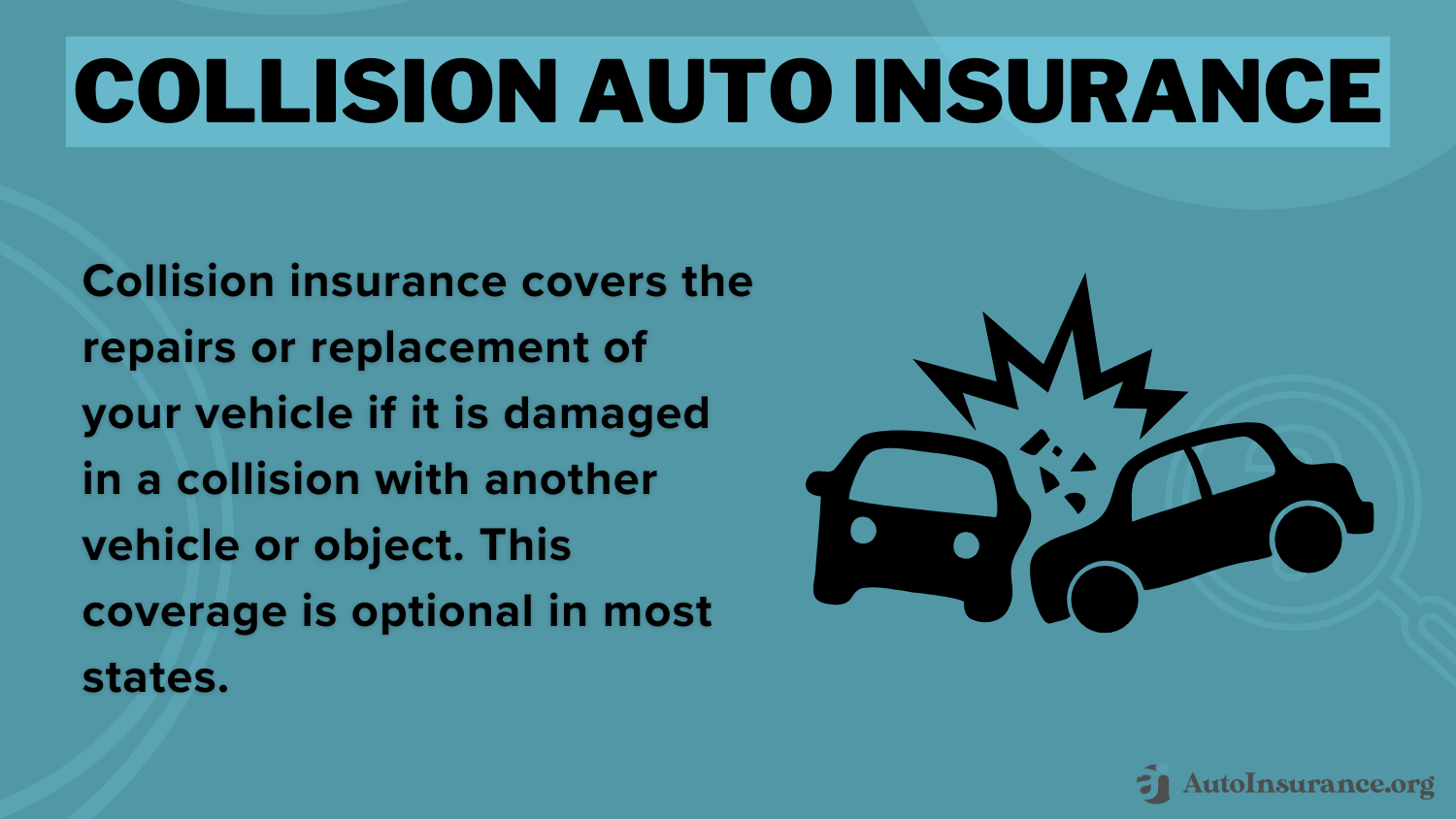
Generally, you can drop full coverage, which includes collision, when your annual auto insurance premiums exceed 10% of your vehicle’s market value. Speak with your insurance agent to discuss your options.
Remember that you might need to maintain higher coverage levels depending on your situation. Most lenders will require that you keep full coverage active on your vehicle until your loan is paid off.
Shop Around for Insurance Quotes
One of the most important steps to find low-income car insurance in Ohio, Maryland, or any other state without a government assistance program is to compare quotes. If you skip this vital step, you’ll likely overpay for your coverage.
As anyone who has ever shopped for auto insurance knows, there can be a wide range of prices from the best auto insurance companies. Insurance companies look at a variety of factors when they set your rates, so you’ll likely see a range of prices.
However, remember that the lowest price is not always the best deal. Several factors go into setting rates, so getting quotes from several companies is imperative.
Michelle Robbins Licensed Insurance Agent
Your insurance company will know how much coverage you legally need. For example, when you try to find low-income car insurance in Colorado, your company will know what the minimum amount of coverage you need.
A representative from your company will also be able to help you deal with new laws. For example, Virginia recently passed a law that requires all drivers to carry insurance. If you need low-income car insurance in Virginia now, your company will help you find it.
Also, make sure to tell your insurance company if you have any special considerations. For example, you won’t find a discount for car insurance for SSI recipients, but your company may know of other discounts that can help reduce prices.
Insurance Savings for Low-Income Senior Drivers
Some insurance companies offer senior driver discounts, but they aren’t common. Instead, you’ll need to do a little research to maximize your savings as a senior driver. Shop Now: Best Auto Insurance for Seniors
Raising your deductible can reduce your monthly premium, but make sure you can afford the higher out-of-pocket cost after a claim.
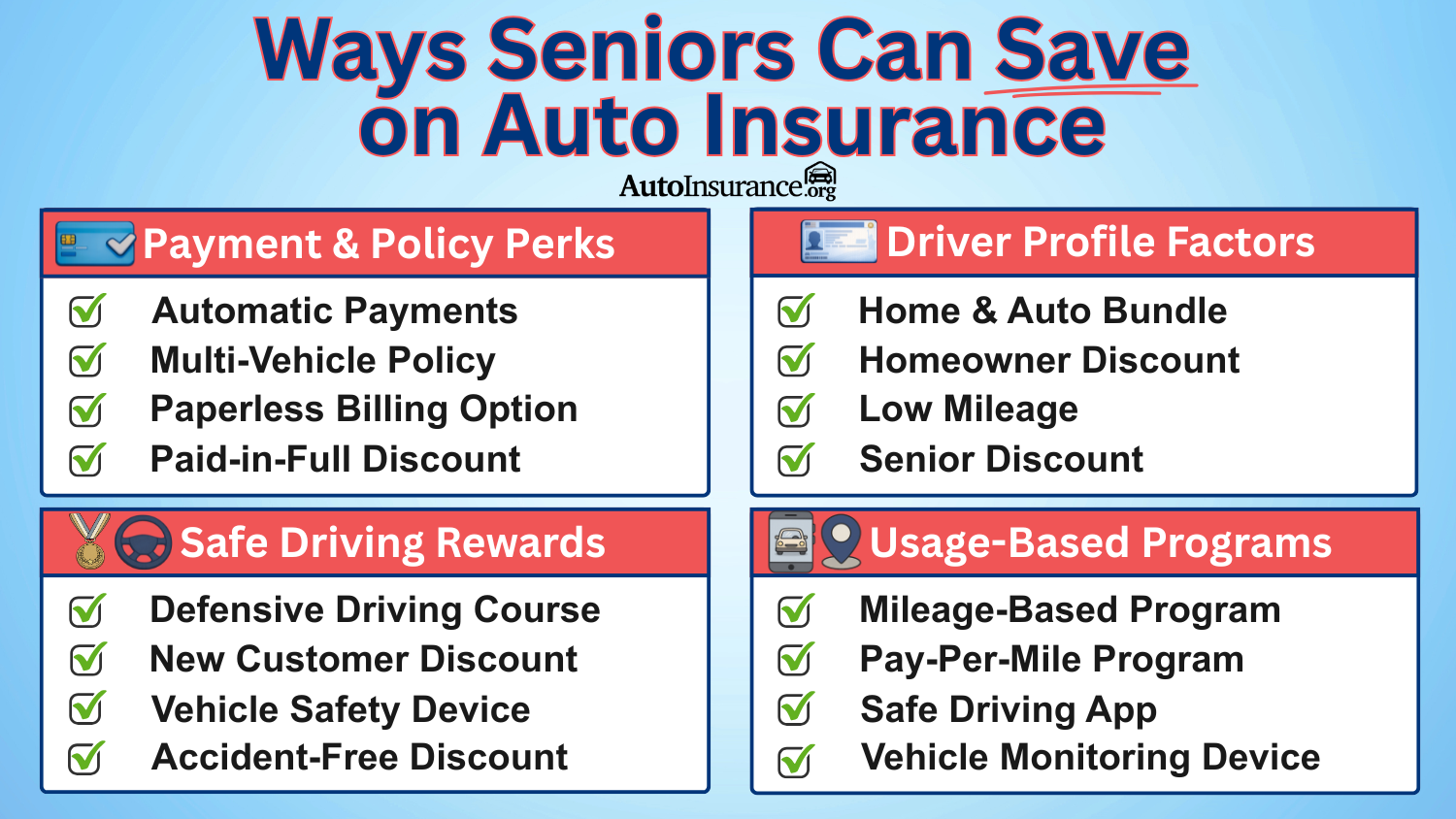
Maintaining a clean driving record can also help you qualify for lower rates over time, and some safe drivers may benefit from usage-based or pay-per-mile insurance programs, particularly if they do not drive very often.
Bundling policies, taking an approved defensive driving course, and reviewing your coverage regularly are other potential ways to save. Seniors should also use a free online quote calculator to see all their insurance options.
Free Insurance Comparison
Compare Quotes From Top Companies and Save
Find the Right Insurance Assistance Program Today
Need help paying car insurance? Government car insurance for low-income families may be the best and most affordable option if you need help making your car insurance payment.
State-sponsored assistance programs offer cheap auto insurance to those who qualify based on their income. Hawaii, California, and New Jersey residents might qualify for help based on their income levels, what car they drive, and health concerns.
If you live in a state with a government-funded option, talk with your insurance provider. They can help you exhaust every option to get affordable coverage.
Dani Best Licensed Insurance Producer
If you don’t qualify for government assistance programs or can’t find an affordable policy, you may still get cheap car insurance for low-income drivers by minimizing your coverage, finding discounts, and increasing your deductible.
Whether you need low-income car insurance in Indiana, Alaska, or anywhere else in the United States, one of the easiest ways to find the right policy is to compare quotes with as many companies as you can.
We could all use a little extra money💰. If you’re low-income, you may be wondering how to pay as little as possible for auto insurance. https://t.co/27f1xf131D is the place to go if you want to save🤑. For more info on lowest-cost insurance, check out 👉https://t.co/NLue1K9wHs pic.twitter.com/eKacFrzTiD
— AutoInsurance.org (@AutoInsurance) June 20, 2023
If you live in a state with an assistance program, check the requirements before you apply. Eligibility changes frequently for some of these programs, so it’s best to confirm so you don’t waste your time.
While there isn’t a government car insurance company, you can shop around and look for discounts from other providers if you can’t get government auto insurance. You can compare multiple insurance quotes for free to start finding rates that match your budget.
Frequently Asked Questions
Is there government assistance for car insurance in all states?
These programs are only available in California, New Jersey, and Hawaii. If you need low-income auto insurance in Michigan, Oklahoma, or other states without a government program, you’ll need to explore other options to find cheap auto insurance premiums.
Is there free car insurance for low-income drivers?
No, but you can find cheap auto insurance for low-income families by shopping for quotes. Compare insurance companies online to find the cheapest rates for you.
Does DHS help with car insurance?
The Hawaii Department of Human Services (DHS) offers government assistance with car insurance to certain drivers. To qualify, you’ll need to be a resident of Hawaii, be a Medicaid recipient, and be under a certain level of annual income.
Read More: Best Auto Insurance in Hawaii
How do I get cheap car insurance for SNAP recipients?
While there is no EBT car insurance program, some states offer government assistance to low-income drivers struggling to pay premiums. So, if you’re looking for SNAP EBT car insurance, enter your ZIP code into our free quote tool below to instantly compare rates from the top providers for low-income individuals.
Is there an EBT car insurance discount?
Unfortunately, there isn’t an auto insurance discount specific to drivers enrolled in the SNAP EBT program, but you may qualify for other car insurance discounts that can lower your premiums.
How do I find emergency help paying car insurance near me?
The application process varies depending on where you live and the car insurance assistance program in your state. You can check your DMV for low-cost insurance resources.
Generally, you’ll need proof of income and a valid driver’s license. You may also need to know the difference between car make vs. car model of what you drive.
Are there charities that help pay car insurance premiums?
Yes, there are some charity programs that help with car insurance. These are state-dependent and can often be found with a simple search for charities in your local area.
Is there low-income car insurance in Georgia?
No, but if you need low-income car insurance in GA, the best Georgia auto insurance companies may be able to help.
Can you get low-income car insurance in AZ?
While Arizona doesn’t have government-sponsored help paying auto insurance for low-income families, you can shop around for coverage in our guide: Arizona Auto Insurance.
Can you get low-income car insurance in Texas?
There’s no program offering government assistance paying car insurance in Texas. You can explore your options and the top companies in the Lone Star State in our guide: Texas Auto Insurance.
Can you get low-income car insurance in MN?
Does Oregon low-income car insurance exist?
Can I get low-income car insurance in Nevada?
Is there low-income car insurance in Washington state?
Can I get low-income car insurance in Florida?
Can I get low-income car insurance in Oklahoma?
Can I get low-income car insurance in NY?
Can I get low-income car insurance in Colorado?
Get a FREE Quote in Minutes
Insurance rates change constantly — we help you stay ahead by making it easy to compare top options and save.