Types of Auto Insurance in 2026 (Coverage Options Explained)
Most states require liability insurance, though you may need other types of auto insurance. For example, drivers with auto loans must carry full coverage, starting from $80/mo, though rates vary by the different types of car insurance companies. We'll go over a list of auto insurance coverages explained below.
Read more





Table of Contents
Table of Contents

Insurance Claims Support & Sr. Adjuster
Kalyn grew up in an insurance family with a grandfather, aunt, and uncle leading successful careers as insurance agents. She soon found she has similar interests and followed in their footsteps. After spending about ten years working in the insurance industry as both an appraiser dispatcher and a senior property claims adjuster, she decided to combine her years of insurance experience with another...
Kalyn Johnson

Licensed Insurance Agent
Brad Larson has been in the insurance industry for over 16 years. He specializes in helping clients navigate the claims process, with a particular emphasis on coverage analysis. He received his bachelor’s degree from the University of Utah in Political Science. He also holds an Associate in Claims (AIC) and Associate in General Insurance (AINS) designations, as well as a Utah Property and Casual...
Brad Larson
Updated August 2026
When purchasing a car insurance policy, picking and choosing the types of auto insurance coverage you need from the best auto insurance companies can be overwhelming. Not having enough coverage can result in high out-of-pocket costs, while having unnecessary auto insurance coverage types means paying higher rates.
- Drivers must carry their state’s required minimum amount of liability insurance
- Drivers with car loans or leases need collision and comprehensive coverage
- Most insurance companies offer multiple add-on coverages for customers
While states require drivers to carry some coverages, others, such as full coverage auto insurance, are optional, and the states leave it up to drivers whether they want extra coverage. Since each coverage protects against different things, drivers should read up on each before deciding.
- Types of Auto Insurance
- What are SR-22 and FR-44 insurance in Virginia?
- New Car Replacement Insurance in 2026 (In-Depth Explanation)
- What are SR-22 and FR-44 insurance in Florida?
- Non-Owner SR-22 Auto Insurance in 2026 (Coverage Explained)
- Cheap No-Fault Auto Insurance in 2026 (10 Most Affordable Companies)
- Collision Auto Insurance in 2026 (What Every Driver Should Know)
- Comprehensive Auto Insurance Defined in 2026 (Everything You Need to Know)
- Pleasure-Use vs. Commuter Auto Insurance in 2026 (Compare Rates & Discounts)
- Progressive SR-22 Insurance Review (2026)
- Cheap Broad Form Insurance in 2026 (Top 10 Low-Cost Companies)
- FR-44 Auto Insurance in 2026 (Get the Facts)
- Mechanical Breakdown Insurance (MBI) in 2026 (Coverage Explained)
- Personal Injury Protection (PIP) Auto Insurance in 2026 (What it Means for Your Coverage)
- Bodily Injury Liability (BIL) Auto Insurance Defined in 2026 (Coverage Breakdown)
- Guaranteed Auto Protection (Gap) Insurance in 2026 (Coverage Explained)
- Cheap Usage-Based Auto Insurance in 2026 (Save With These 7 Companies)
- 10 Best Auto Insurance Companies for Cheap Personal Injury Protection (PIP) in 2026: Top Provider Ranking
- SR-22 Auto Insurance in 2026 (Coverage Explained)
- SR-50 Auto Insurance in 2026 (Coverage Explained)
- Cheap Temporary Auto Insurance in 2026 (Top 10 Low-Cost Companies)
- Best Business Auto Insurance in 2026 (Check Out the Top 10 Providers)
- Best Joint Ownership Auto Insurance in 2026 (Find the Top 10 Companies Here!)
- Best Delivery Driver Auto Insurance in 2026 (Find the Top 10 Companies Here!)
- Best Co-Op Auto Insurance in 2026 (Your Guide to the Top 10 Companies)
- Best Auto Insurance for Leased Business Vehicles in 2026 (Top 10 Companies)
- Best Yearly Premium Auto Insurance in 2026 (Our Top 10 Picks)
- Best Classic Car Insurance Without a Garage in 2026 (Top 10 Companies Ranked)
- Cheap 6-Month Auto Insurance in 2026 (Save Big With These 8 Companies!)
- Full Coverage Auto Insurance in 2026 (What All Drivers Should Know!)
- Cheap Assigned Risk Pool Auto Insurance in 2026 (Top 10 Low-Cost Companies)
- Cheapest Liability-Only Auto Insurance in 2026 (Save With These 9 Companies!)
- Collision vs. Comprehensive Auto Insurance Explained in 2026 (Key Points Outlined)
- Best Commercial General Liability Insurance in 2026 (Top 10 Companies Ranked)
Find cheap auto insurance no matter what type of coverage you need by entering your ZIP code into our comparison tool today.
Most Common Types of Auto Insurance Coverage Explained
Auto insurance protects drivers by paying the bills for accidents so drivers don’t end up in debt. Car insurance rates vary from state to state and company to company. On top of that, your car insurance rate can be affected by factors like age, driving history, and even your credit rating.
Every insurance company differs in what coverages they offer. Still, most auto insurance companies will offer the following types of car insurance coverage because either states or lenders require them.
Liability Auto Insurance
Liability auto insurance is an important insurance coverage for drivers and one of the most affordable types of auto insurance. The two types of car insurance coverages within liability insurance include bodily injury liability and property damage liability.
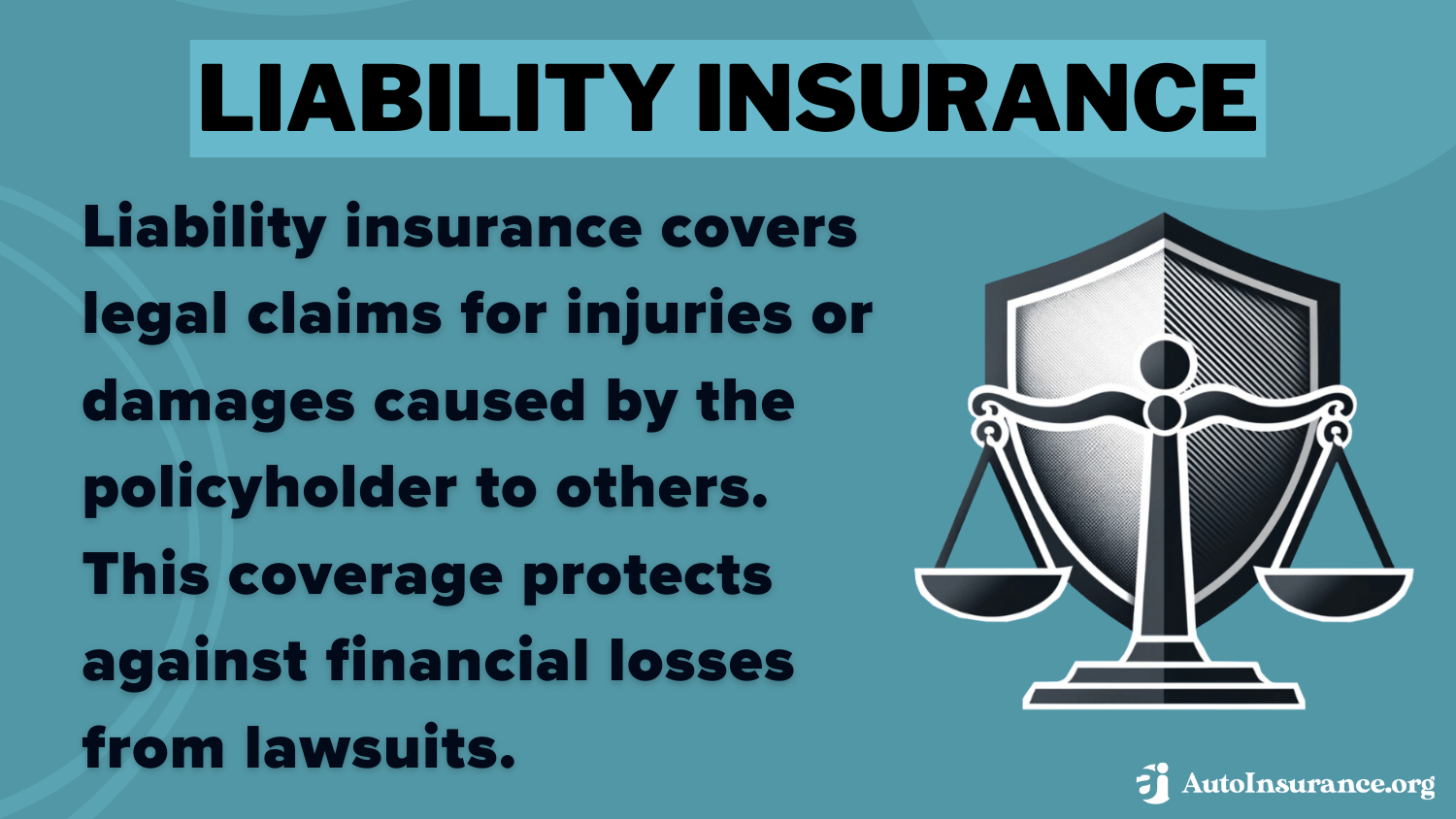
If you cause an at-fault accident, property damage liability insurance pays for the other parties’ damages. On the other hand, bodily injury liability auto insurance pays if the other driver or passengers are injured, and property damage liability pays for the other driver’s vehicle repairs or property damages, such as a broken mailbox.
Keep in mind that there are no liability auto insurance types that cover your accident costs. Almost every state requires drivers to carry this insurance so other parties’ costs get paid if a driver causes an accident.
Read More: Cheapest Liability-Only Auto Insurance
Liability insurance is the most basic legal requirement for insurance coverage. Opting for full coverage is advisable to enhance your protection, albeit it comes with higher costs. Take a look at the chart below to see the average rates for full coverage auto insurance in your state:
Full Coverage Auto Insurance Monthly Rates by State
| State | Rates |
|---|---|
| Alabama | $139 |
| Alaska | $147 |
| Arizona | $156 |
| Arkansas | $162 |
| California | $219 |
| Colorado | $169 |
| Connecticut | $169 |
| Delaware | $183 |
| Florida | $190 |
| Georgia | $179 |
| Hawaii | $100 |
| Idaho | $106 |
| Illinois | $150 |
| Indiana | $143 |
| Iowa | $104 |
| Kansas | $135 |
| Kentucky | $176 |
| Louisiana | $201 |
| Maine | $115 |
| Maryland | $237 |
| Massachusetts | $144 |
| Michigan | $339 |
| Minnesota | $220 |
| Mississippi | $142 |
| Missouri | $156 |
| Montana | $153 |
| Nebraska | $148 |
| Nevada | $144 |
| New Hampshire | $122 |
| New Jersey | $197 |
| New Mexico | $142 |
| New York | $174 |
| North Carolina | $131 |
| North Dakota | $177 |
| Ohio | $114 |
| Oklahoma | $160 |
| Oregon | $147 |
| Pennsylvania | $179 |
| Rhode Island | $143 |
| South Carolina | $191 |
| South Dakota | $127 |
| Tennessee | $130 |
| Texas | $207 |
| Utah | $147 |
| Vermont | $133 |
| Virginia | $132 |
| Washington | $104 |
| Washington D.C. | $192 |
| West Virginia | $141 |
| Wisconsin | $133 |
| Wyoming | $105 |
Also, check out liability insurance rates in contrast to full coverage rates among several leading U.S. auto insurance companies, considering the necessity for Instacart proof of insurance.
Auto Insurance Monthly Rates for Liability vs. Full Coverage
| Insurance Company | Liability Only | Full Coverage |
|---|---|---|
 | $61 | $228 |
 | $43 | $166 |
 | $33 | $124 |
 | $53 | $198 |
 | $30 | $114 |
 | $67 | $248 |
 | $32 | $164 |
 | $39 | $150 |
 | $33 | $123 |
 | $38 | $141 |
 | $22 | $84 |
| U.S. Average | $45 | $165 |
Read on to learn more about the available add-on auto insurance coverage types.
Collision Auto Insurance
Unlike liability insurance, states don’t require collision insurance for drivers. However, according to auto insurance org, drivers with a loan or lease on their vehicle must carry collision insurance.
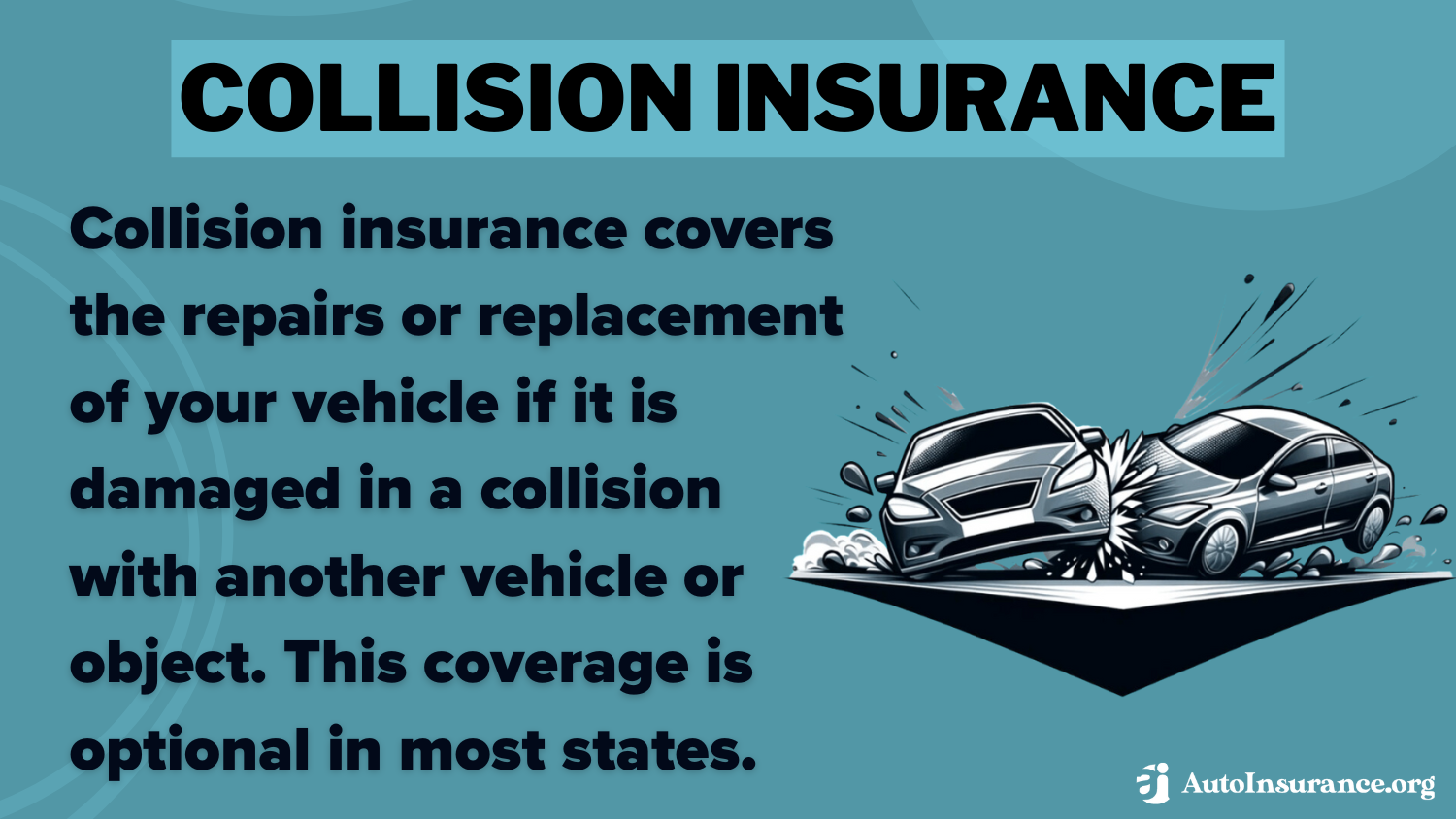
Collision auto insurance pays for vehicle damages if a driver crashes in the following situations:
- They hit another vehicle.
- They hit a stationary object, such as a fence.
Even if your lender doesn’t require collision coverage, you should consider adding it to your policy to help pay for repairs or a new car if your current one is totaled.
Comprehensive Auto Insurance
Like collision insurance, lenders may require drivers to carry comprehensive auto insurance on their vehicles, even though states don’t require it.
Comprehensive insurance covers drivers in the following types of incidents:
- Collision with an animal
- Damages from weather, such as a hurricane or hailstorm
- Damages from falling objects, such as a tree falling on your car
- Damages from vandalism or theft
Once more, individuals unable to afford repairs or vehicle replacements should consider adding comprehensive coverage to their policies for the best auto insurance in Utah.
Personal Injury Protection Auto Insurance
Personal injury protection auto insurance, or PIP insurance, is required in a handful of states but is optional in most of the U.S. If you get in an accident, PIP covers your and your passengers’ medical costs, including emergency medical treatment bills, lost wages, or funeral costs.
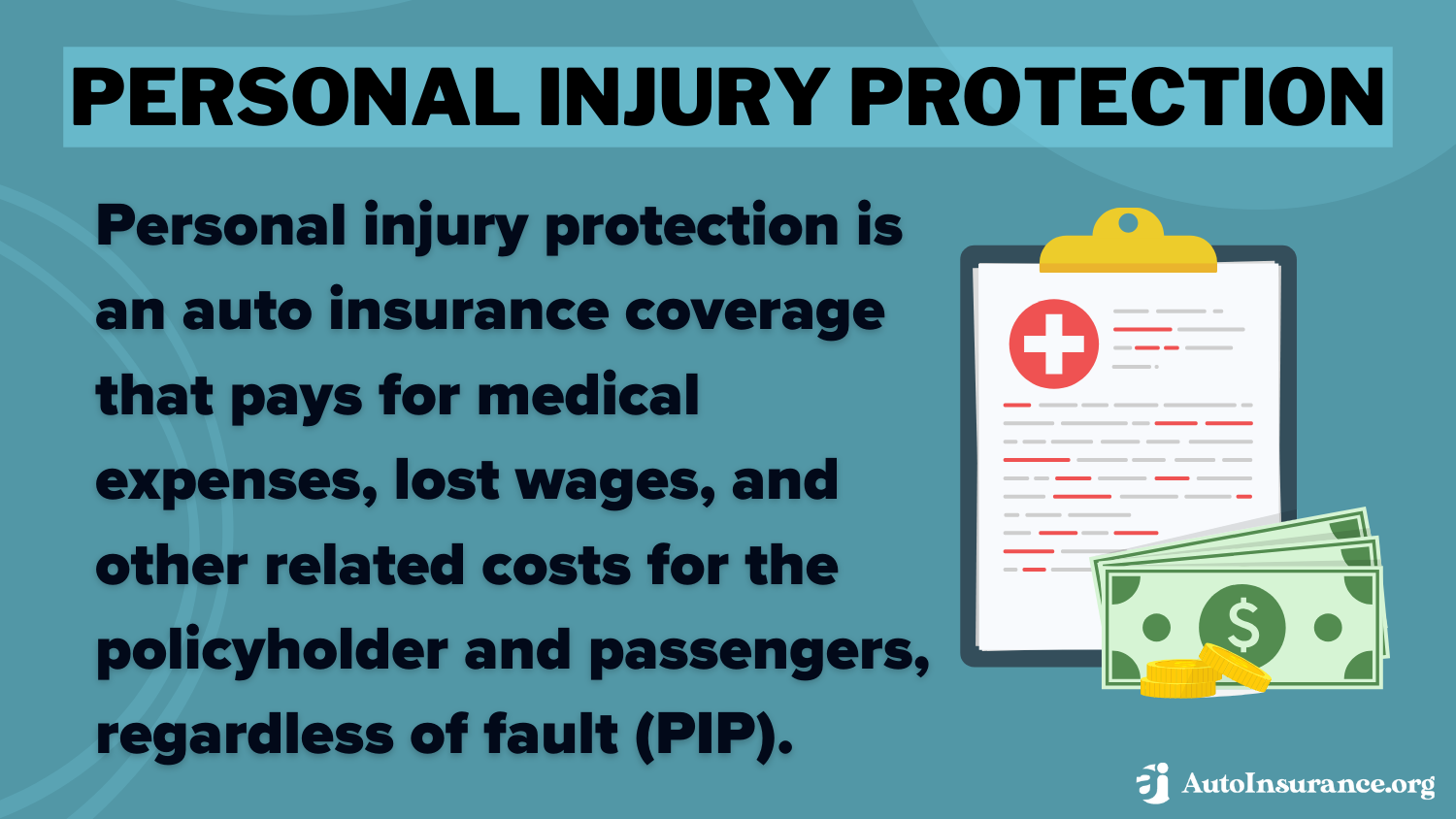
Even if you aren’t required in your state to carry PIP, it’s worth buying if you can afford to add it to your insurance policy unless you have great health insurance. Even then, PIP covers things that health insurance doesn’t, such as lost wages from injuries.
Underinsured/Uninsured Motorist Insurance
Less than half of U.S. states require drivers to carry underinsured/ uninsured motorist insurance, which pays for your accident costs if the at-fault driver has inadequate or no coverage to pay your bills.
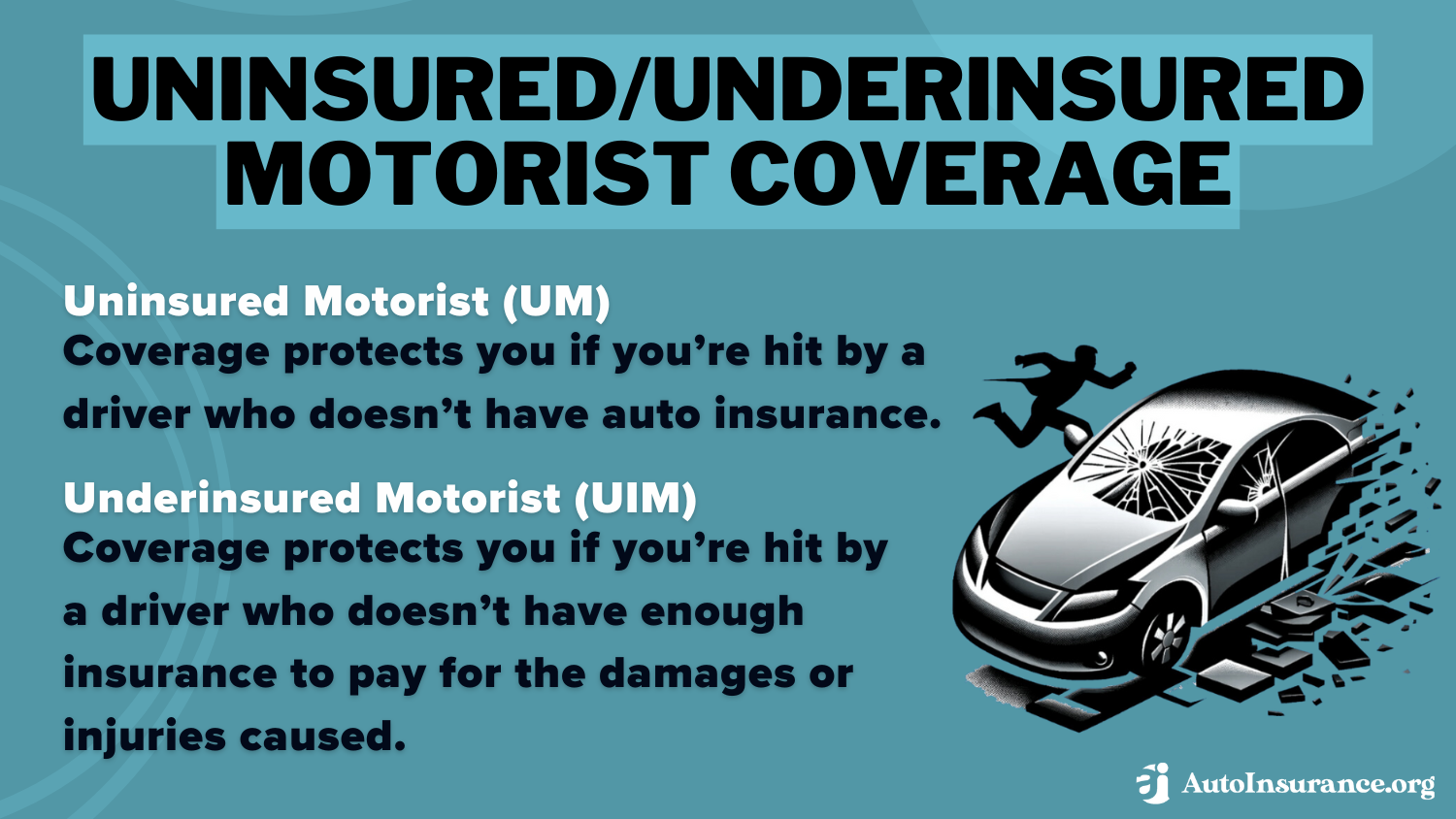
Does car insurance cover a hit-and-run? If the driver doesn’t have insurance, they may hit and run, meaning you’ll need extra protection. If you don’t have collision or comprehensive auto insurance, consider adding underinsured/uninsured motorist coverage to your insurance policy in case another driver can’t pay your bills after crashing into you.
Learn about the best uninsured and underinsured motorist coverage in our comprehensive guide.
Medical Payments Insurance
Medical payments insurance, also known as MedPay, is required in Maine and New Hampshire. MedPay pays for you and your passenger’s medical bills if you are in an accident.
It’s more limited than PIP coverage, as it won’t pay for lost wages or funeral costs. However, if you want extra medical coverage, you may want to add MedPay to your insurance plan. Learn more about whether you need medical payment coverage on auto insurance.
SR-22 Auto Insurance
Some states may require drivers to file for high-risk auto insurance or SR-22 insurance if they have a DUI or other incidents on their record.
If you have to file for SR-22 coverage, you can expect rates to be higher than average as you’re considered a high-risk driver.Heidi Mertlich Licensed Insurance Agent
You may have to shop around for cheap SR-22 auto insurance because not all insurance companies provide it. Read more about how to find the best auto insurance for drivers with a bad driving record.
Non-Owner Auto Insurance
Drivers who don’t own their own car will have to purchase non-owner auto insurance. Non-owner insurance provides liability insurance if you crash a car, so the other parties’ bills will be paid.
However, non-owner insurance won’t cover the damages to the driver’s car — that will be up to the vehicle owner’s insurance. Your medical bills also won’t be covered under non-owner insurance.
The good news is that even though non-owner car insurance isn’t as comprehensive as owned car insurance, it’s usually cheaper than purchasing a regular auto insurance policy.
Rideshare Auto Insurance
If you drive for rideshare companies like Uber or Lyft, your regular auto insurance won’t cover you. States require all drivers to be insured to drive legally, so you must purchase rideshare auto insurance to transport customers legally.
Not all insurance companies sell rideshare insurance, so you may have to shop around for a policy.
Free Insurance Comparison
Compare Quotes From Top Companies and Save
Other Types of Auto Insurance Coverages
Unlike the most common types of auto insurance, the following coverages are completely optional, no matter what state you live in. Not all insurance companies offer them. Look at them below to see how auto insurance works with these add-on coverages.
Classic Car Coverage
Generally, insurance companies consider cars classic if they’re at least 25 years old. Classic car auto insurance is similar to a standard car insurance policy with liability, collision, and comprehensive bundles, but it’s cheaper than regular auto insurance. The reason it’s more affordable is that classic cars only get driven by occasional pleasure drivers. So, you’ll need a standard auto insurance policy if you use your classic car regularly.
Emergency Roadside Assistance Coverage
Some insurance companies offer optional emergency roadside assistance coverage. The best roadside assistance coverage helps with all of the following:
- Dead batteries
- Empty gas tank
- Flat tires
- Locked out of the car
- Tows
If you have an older car prone to breakdowns, adding roadside assistance to your plan can save you money in the long run. Check out our ranking of the best roadside assistance plans to see which provider offers the most value and coverage for your specific needs.
Gap Insurance
All cars start losing value as soon as they leave the lot. If you have a loan or lease and total your car, the amount your auto insurance pays you will be based on your car’s actual cash value.
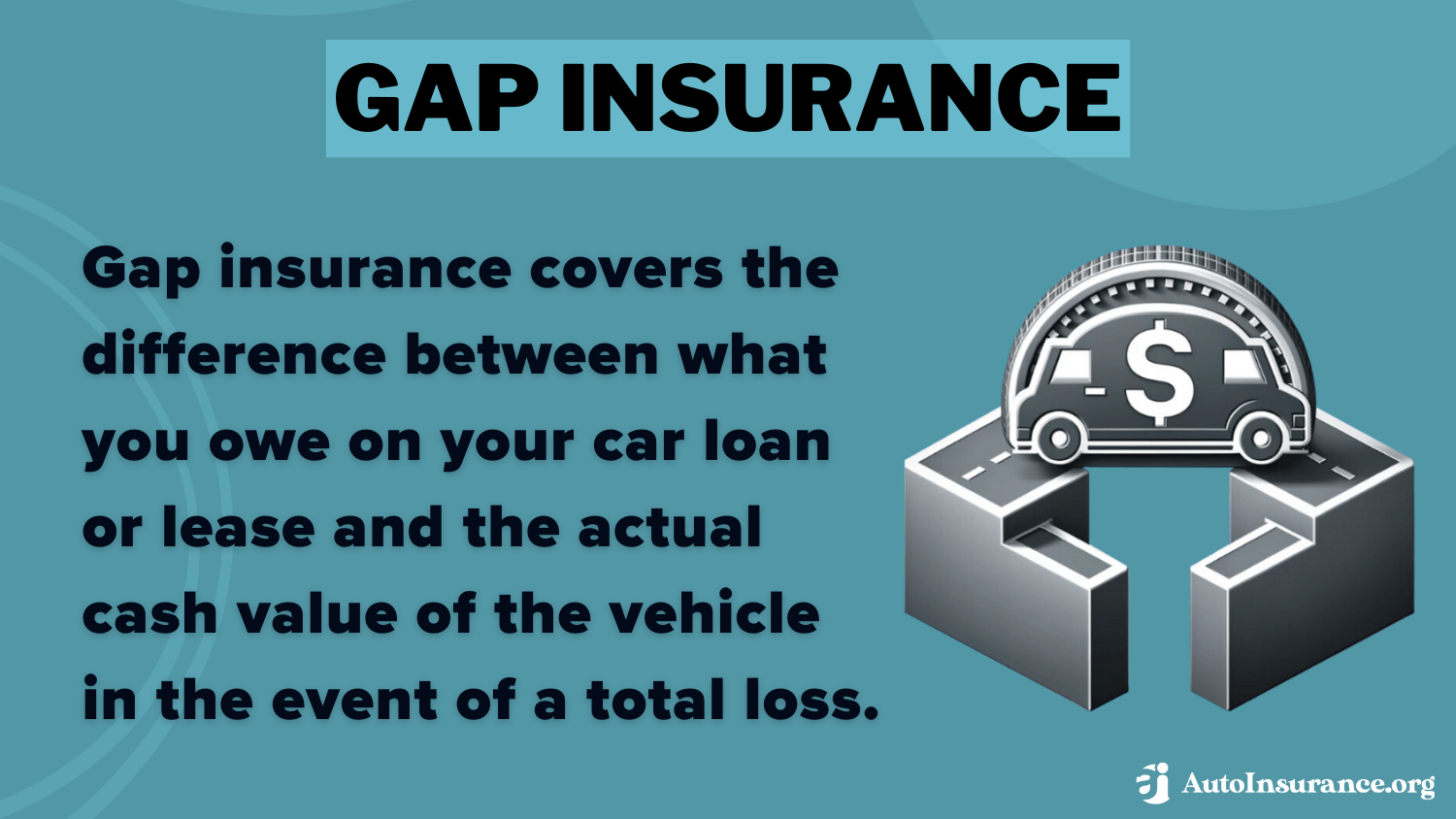
This depreciated amount can be significantly less than the amount left on your car’s loan or lease — this is where gap coverage comes in. Gap insurance pays the difference between the depreciated actual cash value and the amount left on your loan or lease.
Mechanical Breakdown Coverage
Mechanical breakdown insurance will pay for car repair costs if mechanical parts in your car, such as your engine or transmission, break down. It is similar to extended warranty coverage.
Typically, insurance companies won’t sell mechanical breakdown coverage for old cars or cars with many miles, as these cars are more prone to breaking down.
Modified Auto Coverage
Some auto insurance companies offer modified car coverage to drivers who have made expensive car modifications, such as a custom paint job or a new sound system. Without modified car insurance, the cost of modifications won’t be covered if the modifications are damaged in an accident.
Read More: Best Auto Insurance Companies for Modified Cars
New Car Replacement Coverage
If you total your car, new car replacement coverage pays for a new car of the same make and model as your totaled car. Only cars no more than a few years old can qualify for new car replacement coverage.
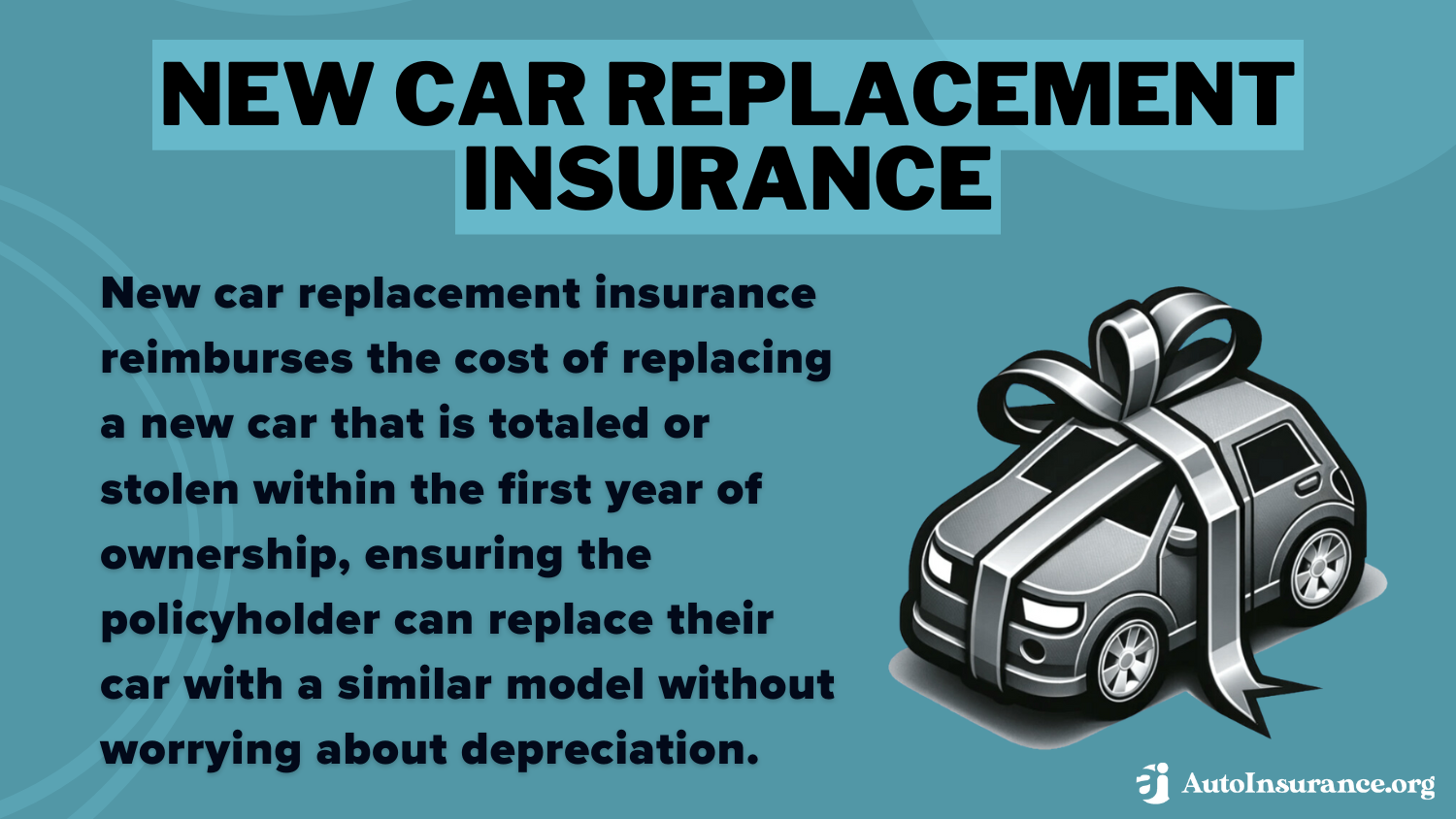
The cars that qualify for this coverage vary by insurance company. For example, Allstate requires your car to be 2 years old or newer to qualify for new car replacement insurance. Check out our review of Allstate to see how its coverages for newer vehicles compares to other providers.
Rental Reimbursement Coverage
A common question drivers ask is, “Does my auto insurance cover rental cars?” If your car is in the shop getting repaired under a covered loss, rental car reimbursement will pay for your rental car until it is fixed.
Remember that what kind of rental car insurance companies will pay for and how long they will pay for the rental car depends on the company.
Umbrella Coverage
Umbrella coverage is extra liability insurance if you cause an accident in which costs exceed your basic coverage limits.
It will also help pay for costs if you are sued after an accident. The amount of umbrella coverage depends on the policy and company.
Usage-Based Auto Insurance Coverage
Some insurance companies offer usage-based auto insurance. Drivers pay a daily rate and then a small fee based on how much they drive. Some companies may also offer usage-based programs where drivers let the company track their driving data and then earn discounts.
If this sounds like a good fit for your driving habits, check out our guide to cheap usage-based auto insurance to find affordable options that reward safe and low-mileage drivers.
Overlooked Auto Insurance Coverage Options That Could Save You Money
While most drivers are familiar with standard auto insurance coverages, several lesser-known auto insurance options could provide significant benefits:
- Non-Owned Auto Insurance: Ideal for individuals who frequently rent cars or borrow vehicles from friends or family, non-owned auto insurance provides liability coverage that kicks in before the vehicle owner’s policy. This is especially useful for people who don’t own a car but want financial protection when driving.
- OEM Endorsement: An original equipment manufacturer (OEM) policy ensures that your car is repaired with new parts from the original manufacturer instead of aftermarket parts. This is especially important for new or luxury cars to maintain their value and quality (Read More: Best Auto Insurance Companies That Offer OEM Parts Coverage).
- Full Glass Coverage: Often available as an add-on, full glass coverage protects against common and costly windshield and window damage. Some policies offer this without a deductible, making glass repairs or replacements more accessible and affordable.
Tailoring your auto insurance policy ensures you’re not paying for unnecessary coverage but still protected where it matters most.
More About Common Types of Auto Insurance Coverage
All drivers are required to carry liability insurance, no matter where they live. However, most other coverages are optional, leaving it up to the driver to decide what types of auto insurance coverage they want to carry.
So, what does car insurance do? Liability coverage covers the other driver’s expenses if you’re at fault in an accident, and it’s required by auto insurance laws in most U.S. states. On the other hand, collision and comprehensive auto insurance policies cover your vehicle damages and medical expenses.
You need it. But how do you get it🫤? We’re talking about car🚘 insurance. https://t.co/27f1xf1ARb can help you get started and make an informed📊 decision regarding the coverage you need. For the info you need, check out👉: https://t.co/U1DDipUs78 pic.twitter.com/k5F8jDetnk
— AutoInsurance.org (@AutoInsurance) August 6, 2023
To shop around for the best affordable types of auto insurance coverage in your area, use our free quote comparison tool.
Frequently Asked Questions
What are the three types of car insurance?
The 3 types of car insurance commonly mandated by most states and lenders are liability, collision, and comprehensive. These essential policies represent the most common auto insurance coverage options.
What are the two types of liability auto insurance coverage?
The two different liability auto insurance types are bodily injury and property damage liability auto insurance.
What is a full coverage policy?
Typically, a full-coverage auto insurance policy includes liability, collision, and comprehensive insurance. For comprehensive protection, drivers can also add Personal Injury Protection (PIP) or Medical Payments (MedPay). This combination covers various types of car insurance, ensuring that different types of insurance coverage and types of car insurance are included.
Learn More: Do you need medical payment coverage on auto insurance?
What is the one type of auto insurance everyone must carry?
Liability insurance is among the most cost-effective auto insurance options that every driver is required to have. If a driver is responsible for causing harm to another person or vehicle, this type of insurance covers the damages incurred by the other party. This is a prime example of the different car insurance types available.
Is full coverage the same as comprehensive insurance?
No, they are not the same. Full coverage refers to a policy that includes liability, collision, and comprehensive coverages, representing different car insurance levels. On the other hand, comprehensive insurance is a type of insurance coverage that addresses damages caused by animals, weather, vandalism, and other unexpected incidents. These illustrate examples of the three types of auto insurance. Discover cheap full coverage auto insurance in our guide.
What is collision coverage?
Collision coverage covers the repair costs for your vehicle if you collide with another car or a stationary object, like a mailbox. Drivers who finance or lease their cars are required to have this coverage. Understanding collision coverage is essential when exploring car insurance choices. It’s one of the five types of vehicle insurance coverage illustrated in the automobile insurance examples.
Is it worth it to carry comprehensive coverage on an older car?
The general guideline is that if the yearly expense of comprehensive coverage matches your car’s total value over a few years, it’s advisable to skip comprehensive insurance. Otherwise, you might pay the equivalent of your car’s worth in coverage fees within a few years. This applies to all car insurance cover types, including auto insurance for young adults. Comparing policies from the best comprehensive auto insurance companies can help you decide whether this coverage is worth it for your vehicle.
What is recommended for car insurance coverage?
What is needed for adequate auto insurance coverage? We suggest that most drivers opt for a full coverage insurance policy, which includes essential vehicle insurance coverage types such as liability, comprehensive, and collision auto insurance. For the best rates, check out autoinsurancequotes.com and cheapautoinsurance.org for cheap car insurance options.
What are the basic types of auto insurance?
The basic types of auto insurance include liability, collision, and comprehensive coverages. These foundational coverages protect against the most common risks drivers face.
How many types of car insurance are there?
In the realm of car insurance in the USA, the Missouri Auto Insurance Plan offers a spectrum of coverage options. These include various types of driving insurance such as liability, collision, comprehensive, PIP, uninsured/underinsured motorist, and gap insurance, each distinguished by specific car insurance codes.
What kind of auto insurance do I need?
What is the difference between collision and comprehensive auto insurance?
Which of the following types of automobile insurance coverage is usually required by most states?
How do you choose car insurance?
How much is 15e insurance?
Is buying more than minimum coverage insurance necessary for drivers?
How do you choose auto insurance coverage?
What is grid level in insurance?
What is uninsured motorist coverage?
What are the types of car insurance coverage?
How auto insurance works?
What are the basic types of auto insurance?
Related Articles
-
Dec 2024

Can I suspend auto insurance for a month?
-
Apr 2025
Best Windshield Replacement Coverage in Missouri (Top 10 Companies Ranked for 2026)
-
Dec 2024
Is gap insurance transferable if you sell the car? (2026)
-
Dec 2024
Does auto insurance cover shopping cart damage?
-
Feb 2025
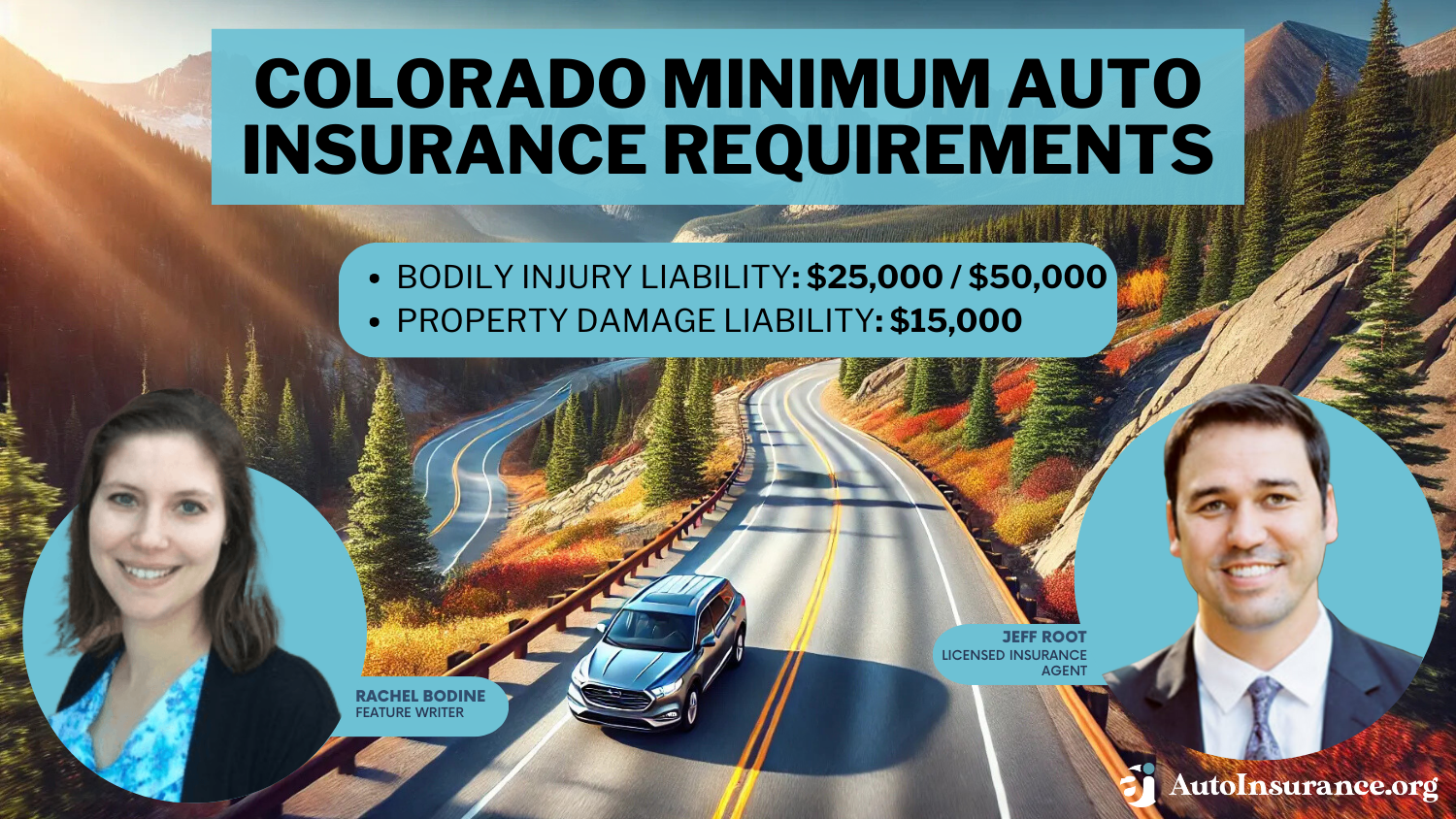
Colorado Minimum Auto Insurance Requirements in 2026 (Everything CO Drivers Should Know)
-
Oct 2024
How long can an auto insurance claim stay open?
Get a FREE Quote in Minutes
Insurance rates change constantly — we help you stay ahead by making it easy to compare top options and save.