Best Auto Insurance for First Responders in 2026
USAA, Liberty Mutual, and Nationwide are top choices for auto insurance for first responders, with rates beginning at $29 per month. Eligible drivers may also get occupational discounts and combine them with other savings, like bundling or safe-driver discounts, to lower their premiums even more.
Read more





Find the Lowest Car Insurance Rates Today
Quote’s drivers have found rates as low as $42/month in the last few days!




Table of Contents
Table of Contents

Feature Writer
Rachel Bodine graduated from college with a BA in English. She has since worked as a Feature Writer in the insurance industry and gained a deep knowledge of state and countrywide insurance laws and rates. Her research and writing focus on helping readers understand their insurance coverage and how to find savings. Her expert advice on insurance has been featured on sites like PhotoEnforced, All...
Rachel Bodine

Licensed Insurance Agent
Michelle Robbins has been a licensed insurance agent for over 13 years. Her career began in the real estate industry, supporting local realtors with Title Insurance. After several years, Michelle shifted to real estate home warranty insurance, where she managed a territory of over 100 miles of real estate professionals. Later, Agent Robbins obtained more licensing and experience serving families a...
Michelle Robbins

Licensed Auto Insurance Agent
Daniel Walker graduated with a BS in Administrative Management in 2005 and has run his family’s insurance agency, FCI Agency, for over 15 years (BBB A+). He is licensed as an insurance agent to write property and casualty insurance, including home, life, auto, umbrella, and dwelling fire insurance. He’s also been featured on sites like Reviews.com and Safeco. To ensure our content is accura...
Daniel Walker
Updated July 2026
USAA, Liberty Mutual, and Nationwide offer the best auto insurance for first responders. USAA has the lowest listed rate, with minimum coverage starting at about $348 per year.
- USAA has the cheapest full coverage rate at $76 per month
- Liberty Mutual has a claims satisfaction score of 730 out of 1,000
- Nationwide offers several optional coverage add-ons
Compare these providers with other top auto insurance companies to find affordable first-responder car insurance and coverage that fit your needs.
USAA, Liberty Mutual, and Nationwide all provide useful benefits for first responders. USAA has low rates for eligible military families, Liberty Mutual offers savings for eligible law enforcement officers, and Nationwide has several coverage add-ons. Looking at rates and discounts from each company can help you choose the best value.
Top 10 Companies: Best Auto Insurance for First Responders
| Company | Rank | Claims Satisfaction | A.M. Best | Best for |
|---|---|---|---|---|
 | #1 | 741 / 1,000 | A++ | Military Families |
 | #2 | 730 / 1,000 | A | Law Enforcement |
 | #3 | 729 / 1,000 | A | Coverage Add-Ons |
 | #4 | 716 / 1,000 | A+ | Agent Support |
 | #5 | 702 / 1,000 | A | EMT Savings |
 | #6 | 697 / 1,000 | A++ | Online Tools |
 | #7 | 697 / 1,000 | A | Roadside Assistance |
 | #8 | 693 / 1,000 | A+ | Usage-Based |
 | #9 | 690 / 1,000 | A | Firefighter Savings |
 | #10 | 673 / 1,000 | A+ | Flexible Pricing |
The top-rated company might not be the cheapest for every first responder. Where you live, your driving history, your vehicle, and the coverage you choose all play a role in your final price.
Check out the cheapest auto insurance options for first responders below. Enter your ZIP code in our free tool to see which companies offer the lowest prices near you.
Comparing Car Insurance Costs for First Responders
Car insurance prices can vary quite a bit from one insurer to another. What you pay will depend on your coverage choices, driving record, age, location, and, in some states, your credit history.
A first responder discount can help, but it does not always mean that company is the cheapest. It’s a good idea to compare final quotes and consider both minimum and full coverage before choosing a policy.
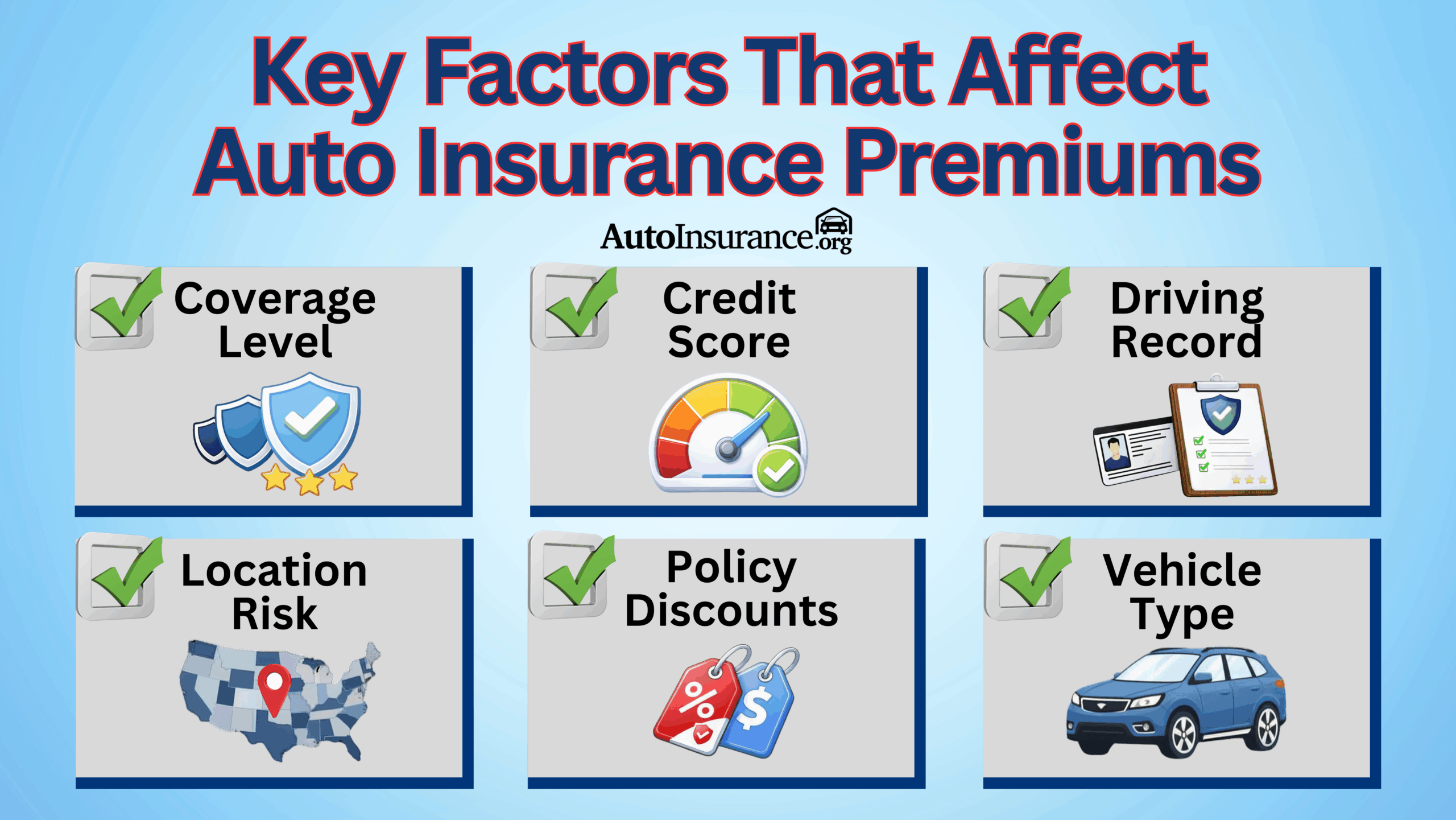
These risk factors show why two first responders might get very different quotes from the same company. Keeping a clean driving record, good credit, and the right coverage can help lower your premiums. Comparing several providers helps you see which one offers the best price.
First responders may be able to stack occupational savings with good-driver, bundling, paid-in-full, and claims-free discounts for even more savings.Laura Berry Former Licensed Insurance Producer
First responders should look at both discounts and the final premium price, because savings can be different from one company to another. Sometimes, a company with a smaller discount still offers a lower overall cost, especially if you have a clean record, more than one policy, or good coverage.
Cost of Car Insurance for First Responders by Job Type
Insurance companies do not always charge every first responder the same. Your job title, driving habits, work schedule, and state discounts can all affect what EMTs, firefighters, police officers, or paramedics pay.
Still, your job is only one part of the quote. Your final premium also depends on your coverage, vehicle type, driving record, and where you live.
First Responder Car Insurance Rates & Discounts by Occupation
| Occupation | Monthly Cost | Discount |
|---|---|---|
| Emergency Medical Technician | $150 | 10% |
| Firefighter | $160 | 15% |
| Law Enforcement | $170 | 12% |
| Paramedic | $155 | 14% |
To see how much you might pay, look at the average minimum and full coverage rates from our top auto insurance companies for first responders. Also, compare premiums from different providers and review the factors that affect your rates.
Minimum coverage usually costs less, but it does not protect your own vehicle after most accidents. Full coverage costs more but includes collision and comprehensive insurance, which may be important for a newer, financed, or leased car.
Comparing Minimum and Full Coverage Costs for First Responders
What you pay depends heavily on the coverage you choose. A minimum policy is cheaper, while full coverage may make more sense for a newer, financed, or expensive vehicle.
Comparing both options helps you decide if a lower monthly payment is worth having less coverage.
First Responder Auto Insurance Monthly Rates by Coverage Level
| Insurance Company | Minimum Coverage | Full Coverage |
|---|---|---|
| $60 | $113 |
| $78 | $205 |
| $56 | $149 |
| $62 | $162 |
| $40 | $105 |
| $84 | $218 |
| $57 | $148 |
| $50 | $135 |
| $42 | $111 |
| $29 | $76 |
USAA offers the lowest rates for first responders, but only military members and their families can join. Geico and State Farm are also good choices because they have competitive prices, are widely available, and offer helpful discounts.
Auto insurance rates for first responders are usually a bit lower than the national average. However, not everyone qualifies for a discount, so your quote might be higher.
Cost of First Responder Car Insurance Based on Driving History
Your driving record is one of the main things insurers look at when setting prices. A clean record usually gets you the lowest rate, while a speeding ticket, accident, or DUI can make your rate go up.
The size of the increase varies by company. One insurer may be more forgiving after a single ticket, while another may charge much more after an accident. A DUI usually causes the largest jump and may also limit which companies are willing to offer coverage.
A ticket or accident can make your insurance more expensive, so compare quotes from a few companies. Your current insurer may not be the cheapest anymore. Look at the total price, not just the discount.
How Credit Affects First Responder Auto Insurance Rates
In many states, insurance companies can look at your credit-based insurance score when setting your premiums. If you have excellent credit, you’ll usually get lower rates because insurers see you as less likely to file a claim.
Poor credit can raise the cost of coverage even when the driver has a clean record. The difference between companies can also be significant, since each insurer weighs credit differently.
Improving your credit will not change rates overnight, but paying bills on time and lowering outstanding balances may help at future renewals. First responders should still compare quotes because some companies charge much less than others for the same credit profile.
How Driver Age Impacts First Responder Insurance Premiums
Age can affect how much you pay for car insurance because younger drivers have less experience and are more likely to be in an accident. That means younger first responders may still pay more, even with emergency-driving training.
Rates often begin to fall as drivers gain experience and maintain a clean record. By age 35 or 45, premiums are typically lower than those charged to drivers in their teens or early twenties.
Age is only one part of the quote. Your vehicle, location, credit profile, coverage level, and driving history can still make one company much cheaper than another.
Free Insurance Comparison
Compare Quotes From Top Companies and Save
How Much Auto Insurance First Responders Need
How much coverage you need depends on your car and budget. Compare rates and different coverage types before choosing a policy, especially if your car is new, financed, or expensive.
Take a look at the main types of coverage below:
- Collision Coverage: Pays to repair your car after a covered accident.
- Comprehensive Coverage: Covers theft, vandalism, weather, fire, and other non-collision damage.
- Liability Coverage: Steps in when you’re responsible for an accident, helping pay for the other person’s injuries or damaged property.
- Medical Payments Coverage: Helps with medical expenses for you and your passengers after a covered crash.
- Personal Injury Protection (PIP): Can cover medical bills, lost income, and certain related costs after an accident, depending on your state.
- Uninsured/Underinsured Motorist Coverage: Helps if the other driver has little or no insurance.
Minimum insurance costs less, but it usually does not pay for damage to your own car. Full coverage is often better if you have a newer or valuable car, or if you cannot afford to replace it after an accident.
Newer, leased, or financed cars usually need more protection than older vehicles. Compare minimum and full coverage to find what works for your car and budget without paying for coverage you don’t need.
Commercial auto insurance is required only if you own and use a vehicle for work, like a paramedic owning an ambulance.Ty Stewart Licensed Insurance Agent
Most first responders only need a regular personal auto policy for commuting, errands, and off-duty driving. You may need commercial auto insurance if you use your own vehicle for emergency response work.
Your coverage needs may change if you use your vehicle often for business, emergency response, or carrying equipment.
How First Responders Can Save on Auto Insurance
Besides getting a first responder discount, you can save on your insurance by following these tips:
- Compare car insurance quotes to find the lowest prices.
- Keep your driving record clean.
- Purchase only what you need.
- Select a higher deductible.
- Take advantage of other discounts and ask about stackable discounts.
Read More: Cheap Auto Insurance for a Bad Driving Record
An insurance representative can also help you find savings by reviewing your policy and offering suggestions.
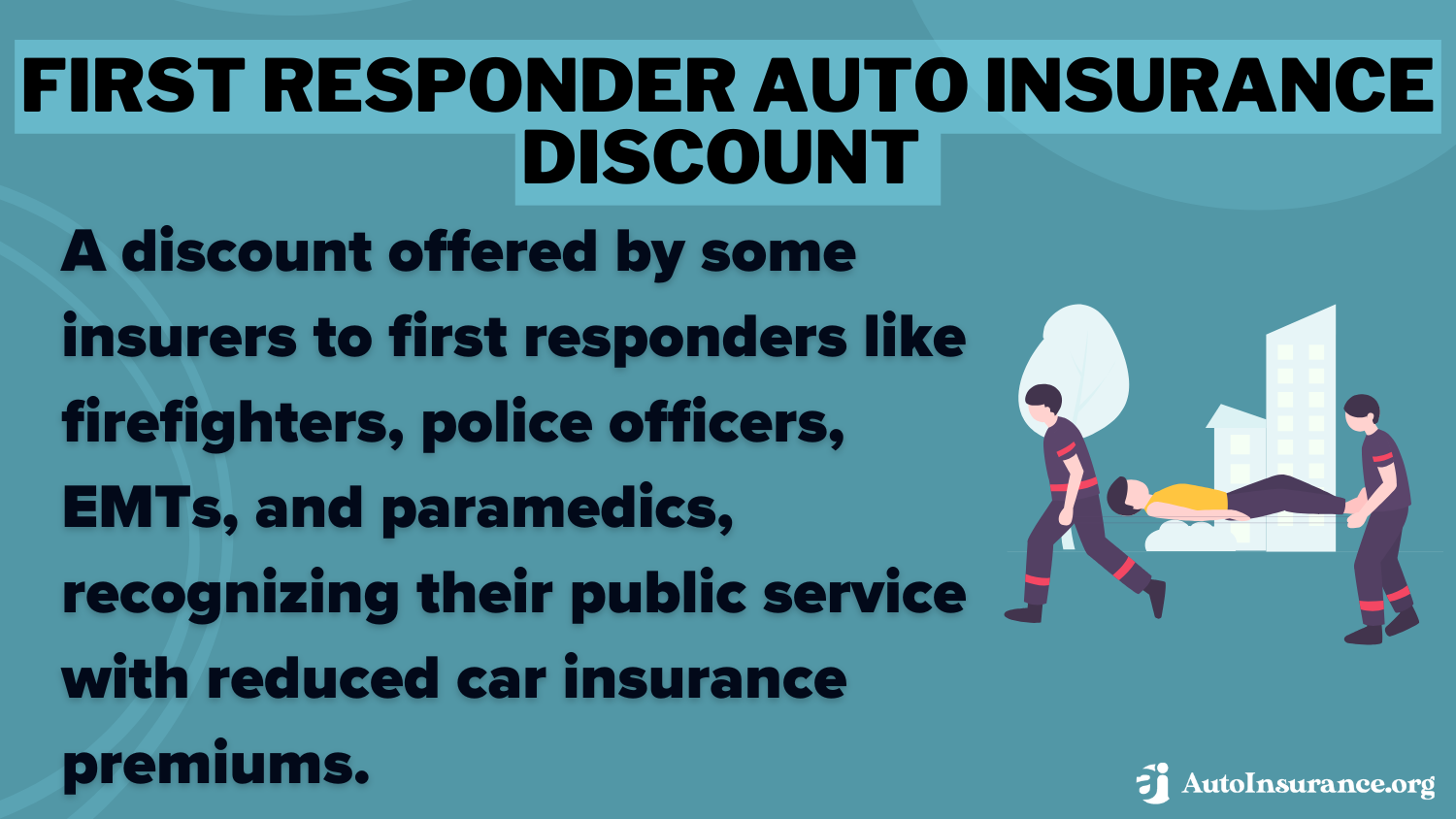
First responders should compare discounts with actual quoted rates, since the biggest discount does not always mean the cheapest policy. Sometimes, a company with a smaller discount still has lower premiums, especially if you have a clean record, good credit, or more than one policy.
Other ways first responders can save on car insurance include comparing quotes, asking about discounts for firefighters or EMTs, and checking your coverage before each renewal.
First responders should compare rates regularly because discount rules vary by provider, and another company may still offer the lower overall rate.Leslie Kasperowicz Farmers CSR for 4 Years
The best way to keep your insurance costs low is to compare rates from several companies. First responders should also check which discounts they qualify for and review final policy prices before choosing an insurer. This can help you find savings beyond just the first responder discount.
First Responder discount for car insurance
byu/Mean_Bench inems
First responders may be able to save through occupation-based discounts, but the details differ by company, state, and job. Compare the total price of each policy and confirm that you qualify before signing up.
Discount rules can also differ for full-time, part-time, and volunteer first responders. Check the company’s eligibility requirements and ask which documents you will need before applying.
Qualifying for a First Responder Discount
Finding a company that offers a first responder discount is usually pretty simple. However, the rules differ by insurer, so not everyone will qualify.
Some companies include full-time, part-time, and volunteer first responders. Others may ask you to show proof of employment or membership before adding the discount to your policy.
Insurance companies may offer first responder car insurance discounts for workers in these professions:
- EMTs and paramedics
- Firefighters and volunteer firefighters
- Government and federal law enforcement
- Police officers
Not every insurer has the same rules. Some offer the discount only to full-time first responders, while others include part-time workers and volunteers. Before you apply, ask what documents you’ll need to show that you qualify.
Drivers looking for car insurance for firefighters, police officers, EMTs, or paramedics should ask each company about available job-related discounts.
To qualify for a first responder discount, your job, company, and state all matter. You may need to show proof of your occupation, employment, or membership to get discounts, including those for law enforcement or paramedics. You can also check out our article: How to Get a Federal Employee Auto Insurance Discount.
10 Best Auto Insurance Companies for First Responders
The best car insurance companies for first responders have affordable rates, helpful discounts, and coverage options for firefighters, police officers, EMTs, and paramedics. The top choice can also depend on your profile, state, and available discounts.
First responders should also look beyond the advertised discount. Claims service, coverage options, availability, and the final quoted price can make one provider a better fit than another.
USAA, Liberty Mutual, and Nationwide are our top choices for first responders. Still, the best company for you might depend on your job, where you live, and what kind of coverage you need. Be sure to compare rates, discounts, and eligibility rules to see which option fits you best.
#1 – USAA: Best for Military Families
Pros
- Military Family Benefits: USAA offers coverage and discounts designed for eligible military members and their families.
- Low Rates: USAA has some of the lowest rates in our data for drivers who qualify.
- Specialized Coverage: Our USAA auto insurance review covers its military-focused benefits, eligibility rules, and coverage options.
Cons
- Limited Eligibility: USAA is only available to military members, veterans, and eligible family members.
- No Gap Insurance: USAA does not offer gap insurance.
#2 – Liberty Mutual: Best for Law Enforcement
Pros
- Law Enforcement Savings: Liberty Mutual may offer occupational discounts for eligible police officers and other law enforcement professionals.
- Customizable Policies: Drivers can add coverage such as roadside assistance, rental reimbursement, and gap insurance.
- 24/7 Claims Assistance: Liberty Mutual offers online and phone support for customers who need help filing a claim.
Cons
- Average Rates: Liberty Mutual is not always the cheapest choice for first responders.
- Claims Processing: Some customers report delays or service concerns. Our review of Liberty Mutual covers its claims process and customer experience.
#3 – Nationwide: Best for Coverage Add-Ons
Pros
- Coverage Add-Ons: Nationwide offers options such as gap insurance, roadside assistance, and pet injury coverage. Related: Nationwide Auto Insurance Review
- Vanishing Deductible: Safe drivers may be able to reduce their deductible over time.
- First Responder Savings: Some drivers may qualify for occupational discounts, depending on their job and where they live.
Cons
- Limited Availability: Nationwide isn’t available in every state, so some drivers might not have access.
- Fewer Online Options: You might need to contact an agent to buy or manage your coverage.
#4 – State Farm: Best for Agent Support
Pros
- Agent Support: State Farm has a large agent network that can help first responders compare rates, discounts, and coverage.
- Discount Options: Our review of State Farm explains how drivers may save through Drive Safe & Save, bundling, accident-free, and vehicle safety discounts.
- Roadside Assistance: State Farm offers optional roadside coverage for emergencies such as towing or lockouts.
Cons
- Higher Rates for Some Drivers: Drivers with poor credit or recent violations may pay more.
- Limited Online Purchasing: Some policies require help from an agent.
#5 – American Family: Best for EMT Savings
Pros
- EMT Savings: American Family may offer occupational discounts for eligible EMTs and other emergency workers.
- Dedicated Agents: Agents can help first responders compare policies and available savings.
- Coverage Options: The American Family Auto Insurance Review explains its discounts, agent support, and policy choices.
Cons
- Limited Availability: American Family does not sell auto insurance in every state.
- Higher Rates: Its prices may be above average for some drivers.
#6 – Geico: Best for Online Tools
Pros
- Online Tools: Geico makes it easy to compare quotes, make payments, manage coverage, and file claims online.
- Competitive Rates: Geico is often affordable for drivers with clean records.
- Coverage Options: Our Geico car insurance review covers its rates, DriveEasy savings, and optional roadside assistance.
Cons
- Higher Rates for Some Drivers: If you are a high-risk driver, you might find cheaper coverage with another company.
- Mixed Claims Reviews: Some customers have raised concerns about how claims are handled.
#7 – AAA: Best for Roadside Assistance
Pros
- Roadside Assistance: AAA helps with flat tires, dead batteries, lockouts, towing, and emergency fuel delivery.
- Member Discounts: Members can get a variety of insurance and travel-related savings.
- Coverage Choices: Our review of AAA explains its roadside assistance, member discounts, and options such as gap insurance.
Cons
- Membership Required: You need to pay for an AAA membership before you can buy coverage.
- Regional Differences: Rates, coverage, and discounts depend on your local AAA club.
#8 – Allstate: Best for Usage-Based
Pros
- Usage-Based Savings: Allstate offers Drivewise and Milewise for safe or low-mileage drivers.
- Coverage Add-Ons: Drivers can add options such as rental reimbursement and sound system coverage.
- Discount Options: Our review of Allstate covers savings through Drivewise, Milewise, bundling, safe driving, and other discounts that may vary by state.
Cons
- Higher Average Rates: Allstate is often more expensive than some other insurance companies.
- Mixed Customer Reviews: Some customers have raised concerns about claims and service.
#9 – Farmers: Best for Firefighter Savings
Pros
- Firefighter Savings: Farmers offers occupational savings for eligible firefighters and other first responders.
- Discount Options: Farmers has several other ways to save, including bundling and usage-based insurance.
- Flexible Coverage: Farmers offers add-ons such as roadside assistance and umbrella coverage. Read More: Farmers Auto Insurance Review
Cons
- Higher Than Average Rates: While not the cheapest option, Farmers rarely offers the most affordable first responder car insurance rates.
- Limited Availability: As of 2023, Farmers no longer sells new car insurance policies in Florida.
#10 – Progressive: Best for Flexible Pricing
Pros
- Flexible Pricing: Progressive’s Name Your Price tool lets drivers find coverage that matches their budget.
- Discount Options: Progressive gives discounts for bundling, automatic payments, insuring more than one vehicle, and safe driving. Read More: Progressive Auto Insurance Review
- Online Tools: Drivers can get quotes and manage their policies online.
Cons
- Limited Local Agents: Most of Progressive’s business is handled online.
- Claims Satisfaction: Progressive’s claims satisfaction scores are lower than some competitors.
Frequently Asked Questions
What is the best auto insurance company for first responders?
We found that USAA is the top choice based on claims satisfaction and also has some of the lowest rates for eligible drivers. Liberty Mutual is a good pick for law enforcement, while Nationwide offers several useful coverage add-ons.
What is the cheapest car insurance company for first responders?
USAA has the lowest rate in our data, with minimum coverage starting at $29 per month. However, it is only available to military members, veterans, and eligible family members.
Who is cheaper: Geico or USAA?
According to our data, USAA offers minimum coverage starting at $29 per month, while Geico starts at $40. USAA is available only to military families, but Geico is open to most drivers. Our Geico auto insurance review covers its rates, discounts, and coverage options.
Which auto insurance companies offer the best first responder discounts?
Farmers offers the biggest first responder discount in our data, up to 18%. Geico, Liberty Mutual, State Farm, Nationwide, Allstate, American Family, Progressive, and AAA may also have job-related savings, depending on your state.
What is a first responder insurance discount?
A first responder insurance discount can help lower the cost of coverage for firefighters, police officers, EMTs, and paramedics. Who qualifies and how much you can save will depend on the insurance company and your location. Enter your ZIP code to see which insurers offer savings in your area.
How can first responders get cheaper auto insurance rates?
Start by comparing quotes from several companies instead of focusing only on the biggest discount. You may also qualify for auto insurance discounts for bundling, safe driving, paying in full, or staying claims-free.
Do all first responders qualify for car insurance discounts?
No. Whether you qualify depends on the company, your state, your job, and your work status. Some insurers accept volunteers or part-time workers, but others only give discounts to full-time first responders.
Who is classified as a first responder?
First responders usually include firefighters, police officers, EMTs, paramedics, and some law enforcement workers. Each insurer may have a different list of jobs that qualify.
How do you prove you’re a first responder for auto insurance?
An insurer might ask for your employee ID, a recent pay stub, a membership card, or a letter from your employer. It’s a good idea to check which documents they accept before you apply for the discount. Some government workers may also qualify for a federal employee auto insurance discount.
Does Geico offer first responder discounts?
Geico may offer job-related or law enforcement discounts in some states. These discounts are not available everywhere, so ask Geico which savings apply to your job and where you live. Use your ZIP code to compare Geico with other insurers near you.
Does Progressive have a first responder discount?
Does Allstate offer a first responder discount?
Can first responders buy USAA auto insurance?
Does occupation affect auto insurance rates?
Do you need special auto insurance if you’re a first responder?
Related Articles
-
Aug 2026

Best Auto Insurance Discounts for Police Officers in 2026 (Save up to 25% With These Companies)
-
Mar 2025
Best Auto Insurance After a DUI in New Jersey (Top 10 Companies for 2026)
-
Oct 2024
Best Hanover Auto Insurance Discounts in 2026 (Save 25% With These Offers)
-
Jun 2026

10 Best Companies for Bundling Home and Auto Insurance in 2026
-
Mar 2025
Best Auto Insurance for Uber Eats Delivery Drivers in 2026 (Find the Top 10 Companies Here)
Get a FREE Quote in Minutes
Insurance rates change constantly — we help you stay ahead by making it easy to compare top options and save.