

How to Insure a Commercial Truck for Personal Use in 2026
To insure a commercial truck for personal use, assess your usage, check insurance requirements, contact your insurer, obtain quotes, and select the right coverage. Switching to a personal auto insurance plan can save you up to $150/mo. Read on to learn how to insure a commercial vehicle for personal use.
Read more





Find the Lowest Car Insurance Rates Today
Quote’s drivers have found rates as low as $42/month in the last few days!




Table of Contents
Table of Contents

Insurance Content Team Lead
Tonya Sisler has been a technical insurance writer for over five years. She uses her extensive insurance and finance knowledge to write informative articles that answer readers' top questions. Her mission is to provide readers with timely, accurate information that allows them to determine their insurance needs and choose the best coverage. Tonya currently leads a team of 10 insurance copywrite...
Tonya Sisler

Licensed Insurance Agent
Chris is the founder of Abrams Insurance Solutions and Marcan Insurance, which provide personal financial analysis and planning services for families and small businesses across the U.S. His companies represent nearly 100 of the top-rated insurance companies. Chris has been a licensed insurance agent since 2009 and has active insurance licenses in all 50 U.S. states and D.C. Chris works tireles...
Chris Abrams
Updated February 2025
The way you insure a commercial truck for personal use involves assessing your usage, checking insurance requirements, contacting your insurer, obtaining quotes, and selecting the right coverage.
If you have a semi-truck that you primarily use for personal purposes but also occasionally for your business, this article will guide you through these steps to ensure you have the appropriate insurance coverage.
Enter your ZIP code into our free quote tool above to find the best auto insurance companies for insuring your commercial truck for personal use.
- Step #1: Assess Usage – Determine how you plan to use the commercial truck
- Step #2: Check Requirements – Review state commercial truck insurance laws
- Step #3: Contact Insurer – Discuss options with your current provider
- Step #4: Obtain Quotes – Get multiple quotes from different insurance providers
- Step #5: Select Coverage – Choose a policy that suits your needs
5 Steps to Insure a Commercial Vehicle for Personal Use
To insure a commercial truck for personal use, you’ll want to ensure that the coverage fits your specific needs. While a commercial truck may be built for business purposes, it’s entirely possible to use one for personal activities like road trips or errands. However, this change in use comes with a need to review how your truck is insured.
These five steps will help you navigate the process and secure adequate auto insurance coverage, allowing you to enjoy your commercial truck for personal use while avoiding gaps in protection.
Step #1: Assess Your Usage
Begin by evaluating how you intend to use your commercial truck. Will it primarily serve personal needs, such as transporting family, moving furniture, or recreational activities? If so, it may qualify for personal insurance coverage.
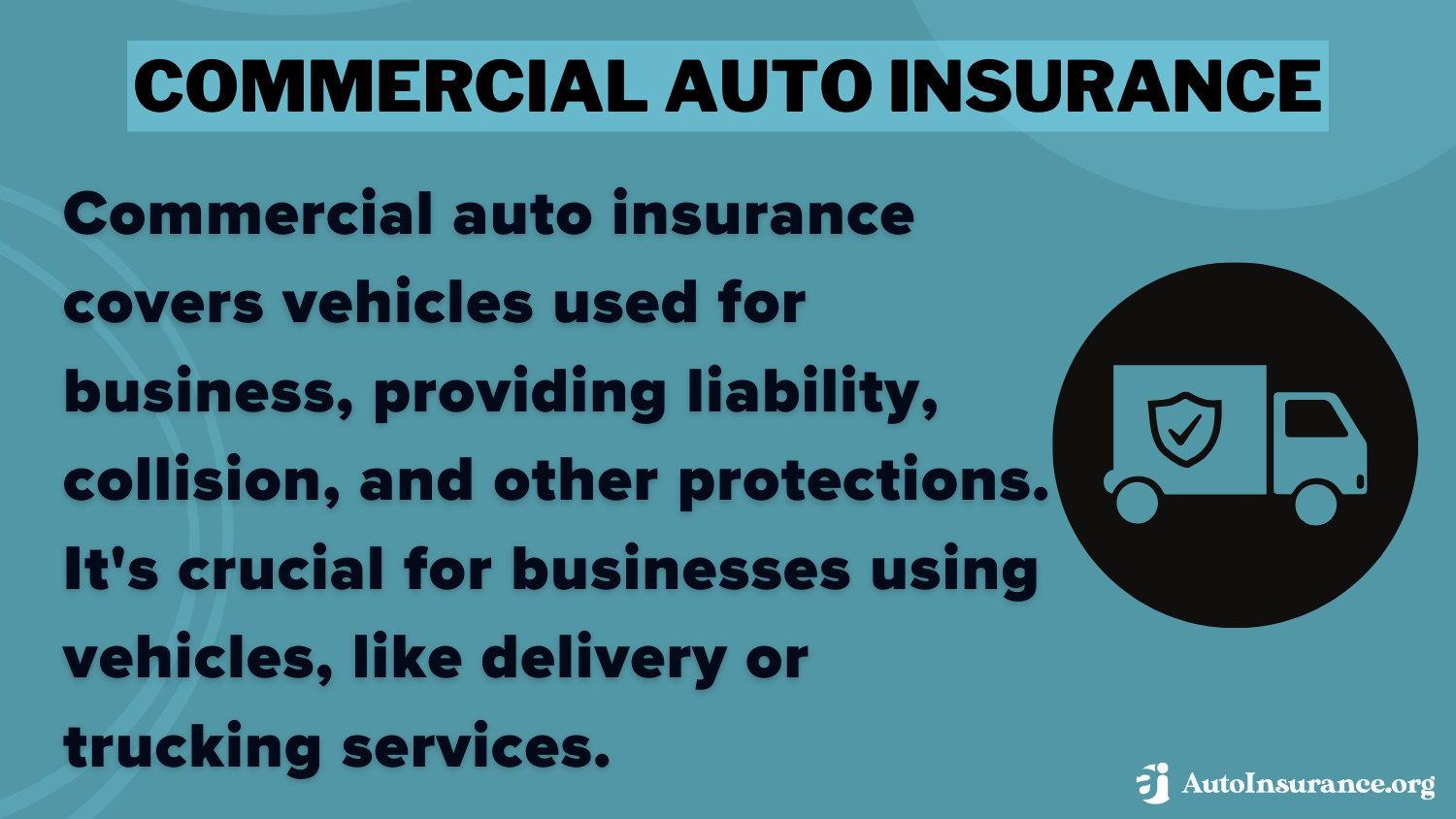
However, if you occasionally use it for business-related activities, such as delivering goods or transporting tools, you need to be transparent with your insurance provider about this usage.
This assessment is crucial, as misclassifying your vehicle can lead to denied claims or legal issues. Keep in mind that auto insurance rates vary so much based on the primary use of the vehicle. To categorize your usage accurately, consider keeping a log of your truck’s activities over a month to illustrate its primary function.
Step #2: Check Insurance Requirements
Each state has unique regulations regarding commercial vehicle insurance. Research your state’s minimum auto requirements for commercial trucks, as these often dictate the minimum coverage needed and any special endorsements required.
Average Annual Private Use Truck Insurance Rates by Company
| Companies | Average Rates for a 2015 Ford F-150 Lariat SuperCab with 2WD 6.5 foot bed and 2.7L V6 | Average Rates for a 2018 Ford F-150 Lariat SuperCab with 2WD 6.5 foot bed and 2.7L V6 |
|---|---|---|
 | $4,429.74 | $5,491.12 |
 | $3,447.30 | $3,487.91 |
 | $4,093.50 | $4,390.19 |
 | $3,092.11 | $3,338.40 |
 | $5,830.16 | $5,988.85 |
 | $3,571.01 | $3,373.64 |
 | $3,914.05 | $3,962.58 |
 | $3,204.23 | $3,497.17 |
 | $4,023.47 | $4,412.42 |
 | $2,551.56 | $2,855.69 |
Websites such as the National Association of Insurance Commissioners (NAIC) can provide guidance. Also, review the federal guidelines from the Federal Motor Carrier Safety Administration (FMCSA) if you plan to operate the truck across state lines.
This information will help you understand if you need a commercial policy or if you can transition to a personal insurance policy without losing the necessary protections.
Step #3: Contact Your Insurance Provider
After assessing your usage and understanding the requirements, contact your insurance provider. Be prepared to provide detailed information about your truck, including the make, model, year, and Vehicle Identification Number (VIN). Explain your intended use and any modifications you’ve made, such as enhanced towing capacity or upgraded safety features.
Read More: How to Find Auto Insurance Agents in Your Area
Ask them about transitioning from a commercial policy to a personal one, and inquire about any potential coverage gaps or additional endorsements you may need. If you’re switching providers, consider looking for insurers specializing in commercial vehicles, as they may offer tailored solutions.
Step #4: Obtain Quotes
Securing quotes from multiple insurance providers is essential to find the best deal. Use online comparison tools or request quotes directly from insurers to get an accurate understanding of your options. When obtaining quotes, specify that you require insurance for a commercial truck used for personal purposes.
Be thorough in providing information about your driving history, the vehicle’s primary use, and any safety features. Ask about available auto insurance discounts—many companies offer savings for safe driving records, completing defensive driving courses, or bundling multiple policies.
Analyze the quotes not just for cost but also for coverage limits, exclusions, and customer reviews to gauge the quality of service. See our guide on how to ask an auto insurance company for quotes for more information.
Step #5: Choose the Right Coverage
After comparing quotes, carefully evaluate the coverage options presented to you. Ensure that the policy includes essential components such as liability coverage, which protects against damages to other vehicles or property if you’re at fault in an accident.
Look for comprehensive and collision auto insurance coverage to protect your truck against theft, vandalism, or damage from accidents. Assess any additional options, such as roadside assistance, rental reimbursement, and uninsured/underinsured motorist coverage.
Common Auto Insurance Coverage Options
| Coverage Name | What it Covers |
|---|---|
| Classic Car | Protects classic vehicles with agreed value coverage |
| Collision Coverage | Pays for vehicle damages after a collision |
| Comprehensive Coverage | Covers damages from non-collision events |
| Gap Insurance | Covers between loan and market value |
| Liability Coverage | Covers damages and injuries you cause to others |
| Medical Payments Coverage | Pays for medical expenses after an accident |
| New Car Replacement | Replaces your new car if totaled in the first year |
| Personal Injury Protection (PIP) | Covers medical expenses and lost wages after an accident |
| Rental Car Coverage | Pays for a rental car during vehicle repairs |
| Roadside Assistance | Provides help if your car breaks down |
| Uninsured/Underinsured Motorist Coverage | Protects you in an accident with an uninsured driver |
Once you select a policy, read through the terms and conditions thoroughly before signing, and confirm that you understand your deductibles, premium payment schedule, and any exclusions. Finally, keep a copy of your insurance policy in your vehicle for easy reference.
Free Insurance Comparison
Compare Quotes From Top Companies and Save
Choosing Between Commercial and Personal Car Insurance
The type of insurance you need depends on the use of your vehicle. Some vehicles are solely used for commercial purposes, such as dump trucks or tractor-trailers.
Commercial vs. Personal Insurance
| Insurance Type | Coverage Features | Average Cost | Best Suited For | Limitations |
|---|---|---|---|---|
| Commercial Insurance | Liability, physical damage, medical payments, uninsured motorist, hired/non-owned vehicles, and business-specific coverage | $120-$300/month | Businesses using vehicles for work, delivery, trucking, etc. | Higher premiums, only covers vehicles for business use |
| Personal Insurance | Liability, collision, comprehensive, medical payments, uninsured motorist | $80-$150/month | Individuals using vehicles for personal use | Does not cover vehicles used for business purposes |
Any vehicle with commercial license plates has been registered primarily for business use, and you should avoid any regular personal use of the vehicle. Other vehicles may be used for personal and business reasons, such as a pickup truck or a sedan, and also used as a taxi.
Trucks of a certain weight may be automatically classified as commercial based on federal and state regulations. These vehicles require any operators to have commercial driver's licenses.Michelle Robbins Licensed Insurance Agent
Commercial vehicle insurance is different from personal insurance in that it covers any vehicle used in the operation of a business. You can add an employee as a driver on your commercial vehicle policy so that any claims resulting from that person’s use will be covered.
So, when do you need commercial vehicle insurance? Most insurers require commercial coverage for any vehicle you use in your business, even if you use it for personal reasons. Your personal auto policy will not cover claims if you use your vehicle for business purposes. You will also need separate auto insurance for business lease vehicles.
A Cost Comparison of Commercial and Personal Insurance
You can usually get a personal insurance policy for less than a commercial policy. However, an individual policy will not cover claims for a vehicle you use in your business.
Commercial insurance rates are higher because the vehicles are continually used for business operations which typically equals out to many more miles, instead of a personal use vehicle that is generally used to drive from one place to another. See our ranking of the best commercial truck insurance companies.
Depending on the business, a commercial vehicle can have passengers, supplies, or other cargo. Damages to persons or property in commercial vehicles can result in additional claimants and higher damage payouts for the insurer.
Trucks that are the most available on the market usually cost less to insure than a rare vehicle. Insurance companies consider the cost of replacement parts in determining their rates, so the more available a vehicle is, the less the insurance will cost.
Also, trucks rated high for safety generally get lower insurance quotes. If you can get a truck with low crash risk, this can also help you save on insurance rates.
The Cost of Insuring a Commercial Truck for Personal Use
Insurance rates can vary widely among insurance companies, with the average cost of commercial vehicle insurance typically ranging between $100 to $300 per month. Rates also depend on discounts and other programs available through specific insurers.
To give you an idea of what it costs to insure a truck, we’ve gathered rates from the top providers for the 2023 Ford F-150, one of the most popular cars in the United States.
Monthly Insurance Rates for 2023 Ford F-150 by Coverage Level & Provider
| Insurance Company | Minimum Coverage | Full Coverage |
|---|---|---|
| $87 | $228 |
| $62 | $166 |
| $76 | $198 |
| $43 | $114 |
| $96 | $248 |
| $63 | $164 |
| $56 | $150 |
 | $47 | $123 |
| $53 | $141 |
| $32 | $84 |
The 2023 Ford F-150, is not a heavy-duty vehicle. If you have a truck designed for more rigorous use, you can expect to pay higher rates even if it is for personal use. Insurance costs also fluctuate if you live in an urban area.
Free Insurance Comparison
Compare Quotes From Top Companies and Save
How You Insure a Commercial Truck Depends on How You Use it
You may have a vehicle that you use for multiple purposes. The critical consideration is if you are using the truck in a money-making enterprise. In such cases, you typically need business auto insurance.
Mirror🪞, mirror on the wall, who’s the best🏆 insurer of them all? Finding the right auto insurance isn’t that easy, but https://t.co/27f1xf1ARb has a guide to make finding and comparing easier. Check it out here👉: https://t.co/ax4M3DStcX pic.twitter.com/LoPaZOL8n2
— AutoInsurance.org (@AutoInsurance) January 12, 2024
As an example, if you grow produce for yourself and use your truck to help you move growing supplies, you are still using the vehicle for personal reasons.
However, if you decide to start selling your produce at the local farmer’s market, you have started a business and use your truck for commercial use. Most businesses allow some off-duty use of commercial vehicles.
There is no prohibition from using a commercial vehicle for personal errands, as long as the truck is also used for business.
You may commit insurance fraud, though, if you misrepresent the use of your vehicle to the insurance company. If you indicate your vehicle is for personal use, but you are also using it to conduct your business, this is a material misstatement. You can be honest about the incidental personal use of a commercial vehicle, as this is acceptable.
Unlock the Benefits of Insuring Your Commercial Truck for Personal Use
If you use a semi-truck in your business, you will need a commercial use policy. A personal use policy will not cover any claims arising while conducting your business.
Read More: What does standard auto insurance cover?
You can use your commercial vehicle for occasional personal reasons. You should advise your insurance company if you no longer use a truck for business reasons, as you should be able to get a less expensive personal use policy.
Get started by entering your ZIP code below into our free comparison tool to find the best rates for insuring a commercial vehicle for personal use.
Frequently Asked Questions
Can I insure a commercial truck for personal use?
Yes, it is possible to insure a commercial truck for personal use, but there are specific considerations and requirements that you need to be aware of.
What types of insurance coverage should I consider for a commercial truck used personally?
For a commercial truck used for personal purposes, it’s generally advisable to consider comprehensive auto insurance, liability coverage, collision coverage, and uninsured/underinsured motorist coverage. Additional coverage options may be available based on your specific needs and preferences.
How do I insure my commercial truck for personal use?
To insure a commercial truck for personal use, evaluate how you plan to use the vehicle. If it’s mainly for personal activities, contact your insurance provider to discuss transitioning to a personal auto policy. Get multiple auto insurance quotes to find the best rate, and ensure you have the proper documentation to support its primary personal use.
What is the weight class of the truck, and why does it matter for insurance?
The weight class refers to the classification of trucks based on their Gross Vehicle Weight Rating (GVWR). Insurance premiums may vary based on the weight class, as heavier trucks typically carry higher risks and may require specialized coverage.
How can I determine the weight class of my commercial truck?
The weight class of a commercial truck is usually indicated on the vehicle’s registration or title. You can also find this information in the owner’s manual or by contacting the truck’s manufacturer.
Does personal auto policy cover business use
A standard personal auto insurance policy generally does not cover business use. If you use your vehicle for business activities, you’ll need commercial auto insurance to ensure adequate coverage. Failing to disclose business use can lead to denied claims.
How does truck insurance work?
Truck insurance provides financial protection against risks associated with operating a truck. It typically includes liability coverage, physical damage coverage (comprehensive and collision), cargo insurance, and medical payments. Insurance rates are based on the vehicle type, usage, and driving history.
What is the difference between commercial insurance and personal insurance?
So, what is the difference between commercial and regular auto insurance? Commercial insurance is designed for vehicles used in business operations, offering higher coverage limits and protections for multiple drivers and business-related activities. Personal insurance covers vehicles used primarily for personal purposes and typically has lower premiums and coverage limits.
What are the key factors to consider when insuring a commercial truck for personal use?
When insuring a commercial truck for personal use, some important factors to consider include the truck’s weight class, usage patterns, modifications, and the specific auto insurance laws in your jurisdiction.
Is commercial auto insurance more expensive than personal auto insurance?
Yes, commercial auto insurance is generally more expensive than personal auto insurance. Why is commercial truck insurance so high? This is largely due to higher risk exposure, the larger size of the vehicles, and specialized coverage needs such as cargo insurance. The costs also reflect the need for higher liability limits and the driving experience of operators, with inexperienced drivers leading to higher premiums.
Can I drive a commercial vehicle for personal use?
Does Progressive insure commercial trucks?
Does commercial insurance cover personal use?
How much does commercial truck insurance cost?
Can you register a commercial vehicle for personal use?
What type of personal insurance should a truck driver have?
What state has the cheapest commercial truck insurance?
Related Articles
-
Jun 2025

How long does it take to compare auto insurance quotes?
-
Aug 2025
How to Find Auto Insurance Agents in Your Area in 2026
-
Mar 2025
Best Auto Insurance for Seniors in Georgia (Top 10 Companies for 2026)
-
Dec 2024
Do you need proof of insurance to buy a car?
-
Dec 2024
Best Auto Insurance After a DUI in Georgia (See the Top 10 Companies for 2026)
-
Dec 2024
Best Auto Insurance for Convertibles in 2026 (Your Guide to the Top 10 Companies)

Get a FREE Quote in Minutes
Insurance rates change constantly — we help you stay ahead by making it easy to compare top options and save.