Police Citation: What All Drivers Should Know in 2026
A police citation can cause your car insurance rates to rise by 24%, which is why managing your coverage is critical after a ticket. This article explains how a citation impacts your policy, offering strategies to reduce the financial burden and keep your insurance affordable despite the penalty.
Read more





Table of Contents
Table of Contents

Insurance and Finance Writer
Luke Williams is a finance, insurance, real estate, and home improvement expert based in Philadelphia, Pennsylvania, specializing in writing and researching for consumers. He studied finance, economics, and communications at Pennsylvania State University and graduated with a degree in Corporate Communications. His insurance and finance writing has been featured on Spoxor, The Good Men Project...
Luke Williams

Licensed Insurance Agent
Michelle Robbins has been a licensed insurance agent for over 13 years. Her career began in the real estate industry, supporting local realtors with Title Insurance. After several years, Michelle shifted to real estate home warranty insurance, where she managed a territory of over 100 miles of real estate professionals. Later, Agent Robbins obtained more licensing and experience serving families a...
Michelle Robbins
Updated December 2024
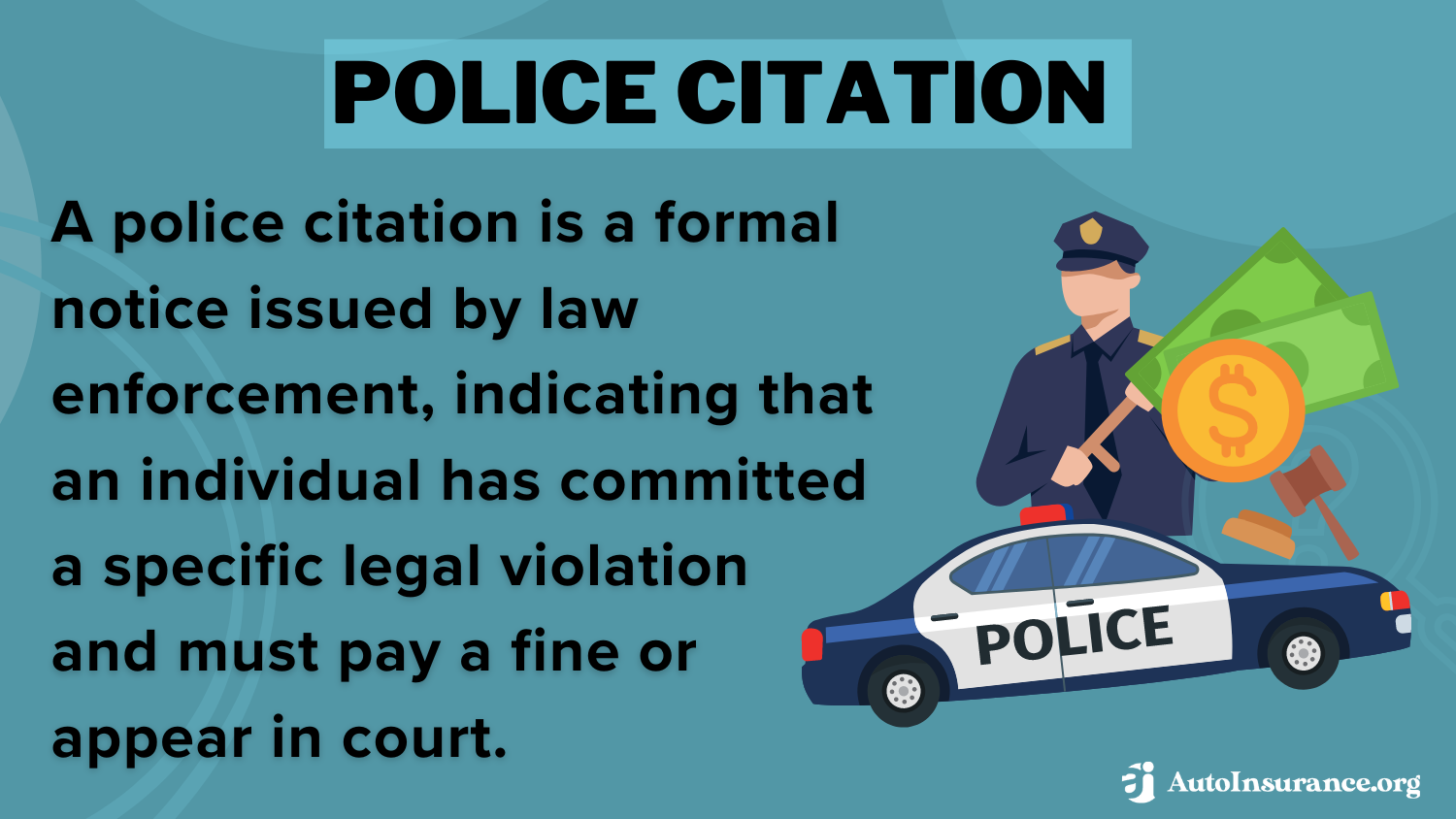
A police citation is a formal warning that law enforcement has issued you for breaking the law, frequently resulting in fines, license points, or even legal repercussions.
This article provides a detailed breakdown of what receiving a police citation means, the potential impact on your driving record, and how it could affect your insurance rates. Learn more in our article, “How Auto Insurance Companies Check Driving Records.”
Understanding the severity of a citation helps you prepare for the financial and legal steps needed to address it properly. Learn how to manage citations to avoid further complications. You can use our free quote tool above to find and compare rates for high-risk drivers in your area today.
- A police citation can raise your insurance rate to an average of 24%
- Police citations add points to your driving record, raising insurance costs
- Handling a police citation quickly reduces financial and legal consequences
Breaking Down Citations and Their Role as Tickets
The debate between a citation vs. a ticket is quite common, but there is no difference between the two. Therefore, if a citation officer issued you a written citation for a traffic violation, you received a ticket. Regardless of the terminology, the citation penalty remains the same.
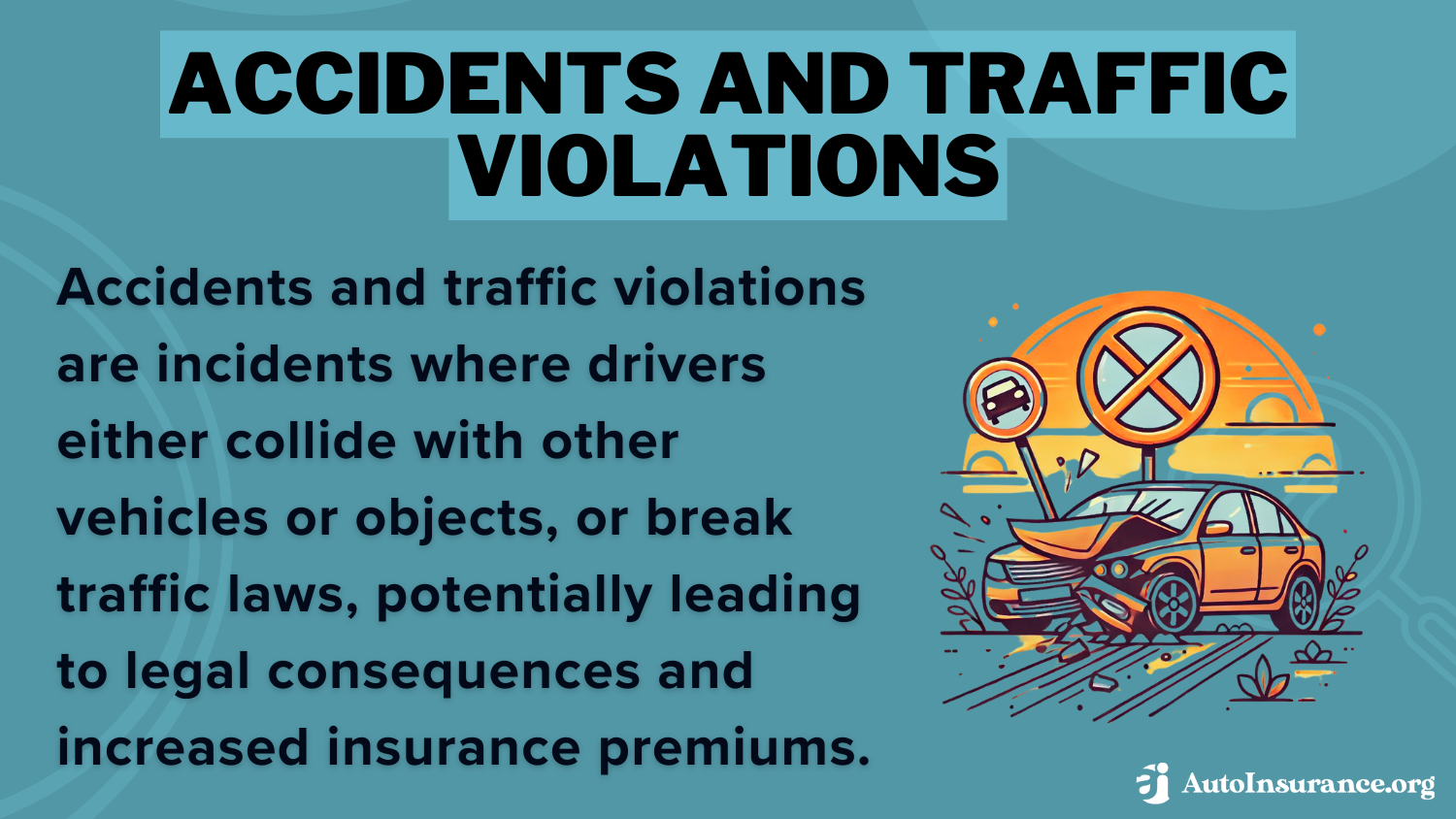
Most people receive traffic citations when they don’t follow traffic laws. Some of the reasons you may receive a traffic citation include:
- Speeding
- Distracted Driving
- Leaving the Scene of an Accident
- Driving Without a License
- Reckless Driving
- Running a Stop Sign or Traffic Light
You could receive a traffic citation for more than one of the reasons listed above at the same time. For instance, you may have been a distracted driver who ultimately ran a stop sign. If that’s the case, you can expect your traffic ticket to be more severe. See more details in our guide titled, “Driving Without Auto Insurance.”
Free Insurance Comparison
Compare Quotes From Top Companies and Save
Understanding if a Citation Equals a Legal Charge
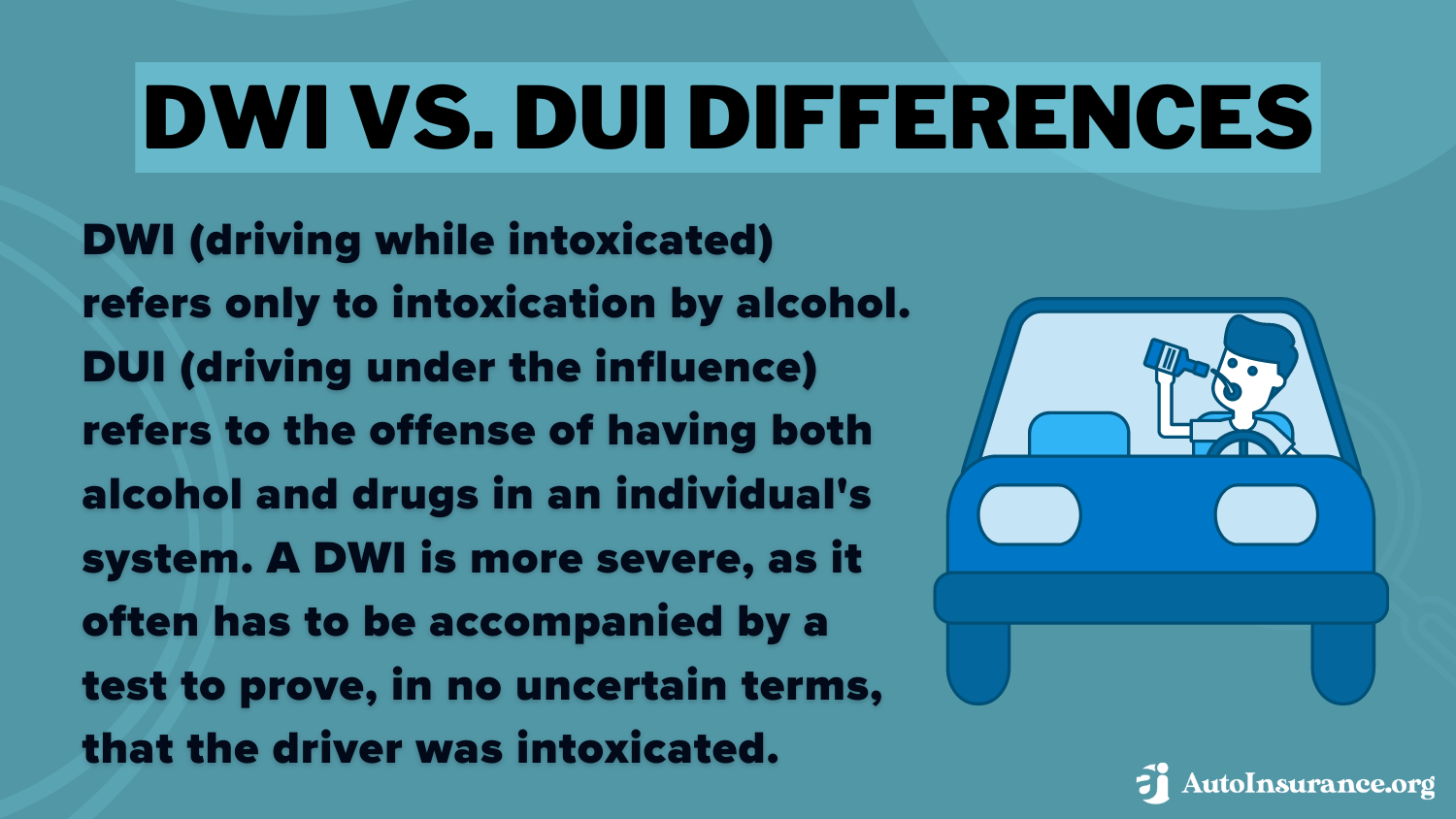
A traffic citation, similar to a traffic ticket, is not associated with criminal charges. However, a traffic citation for an illegal action can result in substantial fines, community service, or even jail time. This illustrates the driving citation meaning and how it compares to the ticket or citation on meaning according to the law.
Leaving the scene of an accident where you were at fault, driving under the influence of drugs or alcohol, or being involved in an accident resulting in serious injury or death are some of the most severe offenses. Additionally, receiving a ticket from the police for speeding or cited by police check can have serious repercussions.
If you are driving and are involved in an accident — regardless of the severity of the impact itself — you cannot leave the scene until law enforcement arrives. You must also remain at the scene until an officer dismisses you.
High-risk auto insurance is often necessary after accumulating too many citations.Michelle Robbins Licensed Insurance Agent
Driving under the influence of illegal substances or alcohol can result in a criminal charge, especially if it’s a repeat offense. This emphasizes how serious receiving a citation from law enforcement is because it may have serious legal repercussions.
Finally, suppose you’re involved in a car accident where someone is seriously injured or killed. In that case, you can expect to be charged, leading to one or more negative outcomes, including receiving a citation when getting pulled over. This can also be considered a criminal citation, meaning severe legal consequences.
However, receiving a traffic citation is not equivalent to facing a legal charge. If you receive an officer citation related to your vehicle, it does not mean you have been legally charged with a crime. Law enforcement notifies you of legal charges, which may necessitate taking legal action.
Essential Steps When You Get a Police Citation
If you receive a police citation, follow any instructions that law enforcement gives you. Feel free to ask questions if you’re unsure about the situation or need assistance in understanding it. After receiving your citation, you can contact the number provided on the ticket for additional inquiries.
If you’re having a hard 🫤time finding an auto insurance company, thanks to some things on your record, you should look🔎 into Direct Auto. They specialize in high-risk policies. Check out our review here👉: https://t.co/aoqgtvQUFo pic.twitter.com/9TvYMS1yyf
— AutoInsurance.org (@AutoInsurance) September 5, 2024
Understanding the Record Implications of a Citation
A traffic ticket or citation is likely to go on your driving record, but there are instances in which this may not happen. Judges can dismiss tickets when you show up to traffic court. Or you may have the option to pay the fine for your traffic citation and have the points stay off your driving record.
The length of time that points remain on your driving record after a police citation depends on your state’s laws. In some states, more severe citations, such as those for a DUI, may stay on your record for more than ten years. This emphasizes the meaning of the driver’s citation and its implications.
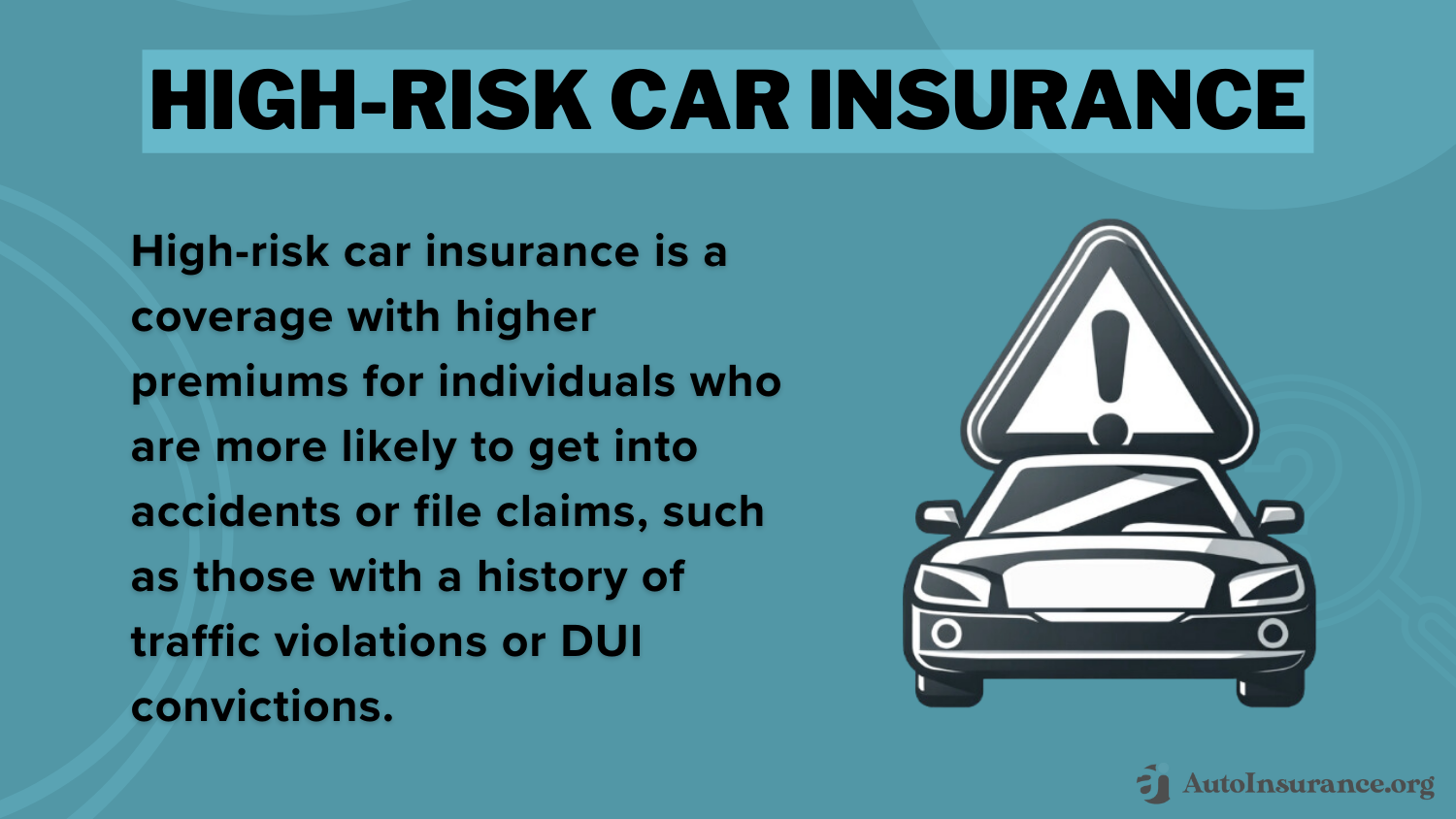
If you have a lot of points on your driver’s license that ultimately impact your record, you may find that most insurance companies are unwilling to do business with you. In this case, you may need to find high-risk auto insurance.
Free Insurance Comparison
Compare Quotes From Top Companies and Save
The Essentials of High-Risk Auto Insurance Coverage
High-risk auto insurance is a way for drivers with poor driving records to still get coverage. Most companies that offer auto insurance for high-risk drivers provide only the state’s minimum auto insurance requirements.
One in eight drivers don’t have insurance🤯. Are you prepared to deal with the aftermath of one of them crashing into you😱? You need uninsured motorist coverage, and we have the guide for you👉: https://t.co/HRY9Rq9pmO pic.twitter.com/YGplwTC6Sr
— AutoInsurance.org (@AutoInsurance) August 26, 2024
If you’ve accrued a lot of points on your driver’s license, you’re probably in high-risk territory. Insurance companies can perform a police citation lookup to check for driving infractions and get the specifics about your driving history.
High-risk insurance can also cost a lot more than car insurance for a premium or standard driver. Take a look at the table below to see how one speeding ticket can impact car insurance rates in three different states:
Impact of Speeding Ticket on Monthly Auto Insurance Rates
| State | Clean Record | One Ticket | Percent Increase |
|---|---|---|---|
| Texas | $152 | $167 | 10% |
| Florida | $197 | $279 | 42% |
| North Carolina | $110 | $171 | 55% |
| U.S. Average | $119 | $147 | 24% |
If you’re looking for car insurance as a high-risk driver, you’ll want to research online before you buy any specific or comprehensive coverage. Be sure to compare plans and rates from multiple companies — large and small — to see the average for high-risk car insurance premiums in your state. Then you’ll be able to find a company that offers the coverage you want at a reasonable price.
No matter your driving history, you can always shop around online to see what car insurance rates are like in your area and what you should expect to pay for coverage. You can use our free quote tool below to find and compare auto insurance rates from several companies in your area.
Frequently Asked Questions
What is the police citation meaning?
The police citation meaning refers to a written notice given for traffic violations, often resulting in fines or penalties. Access comprehensive insights into our guide titled, “Where to Buy Auto Insurance Online.”
How can I find affordable car insurance as a high-risk driver?
Look for companies specializing in coverage for high-risk drivers and consider factors such as coverage options, rates, and customer reviews. Comparison tools and online resources can help you find affordable options tailored to your needs.
What is an Arkansas uniform law enforcement citation?
An Arkansas uniform law enforcement citation is a standardized ticket or citation issued by law enforcement officers in Arkansas for violations of state laws or local ordinances.
What is an NC uniform citation?
A standard ticket that North Carolina law enforcement officials issue for infractions like traffic violations or other offenses is known as an NC uniform citation. Understanding how insurance works after a police citation can feel complicated, but finding affordable rates doesn’t have to be. Enter your ZIP code below for the best insurance rates possible.
What do 16 citations police meaning refer to?
The phrase “16 citations, police meaning” likely refers to a scenario where a police officer issues multiple citations, totaling 16, for various violations.
What are the different types of citations issued by police?
Police can issue various types of citations, including traffic citations for violations such as speeding, running a red light, or driving without a license. Delve deeper into our detailed guide titled, “Types of Auto Insurance.”
What is a citation police?
A citation by police is a formal notice that law enforcement issues for breaking traffic laws.
What is a citation in law enforcement?
A citation is a formal warning that an officer issues for breaking the law, whether it be the law of the road or another one. Gain further insights by exploring our detailed resource on “Best Auto Insurance for Law Enforcement.”
What is the citation meaning when pulled over?
The citation means when pulled over is that you’ve been officially informed of a traffic violation, usually involving a fine or legal consequences.
What happens when a police officer gives you a citation?
When a police officer gives you a citation, you may be required to pay a fine, receive points on your license, or appear in court.
Does a citation go on your record?
What is the difference between citation and ticket?
What is a police citation for speeding?
Who can receive a citation of a law enforcement officer?
What is cited speed vs actual speed?
Does a citation go on your insurance?
How long does it take for a ticket to come off your record?
What is the difference between a speeding ticket vs citation?
What happens if you get a ticket for stop sign violation?
What happens when you go to court for a citation?
Related Articles
-
Apr 2025

Best Joint Ownership Auto Insurance in 2026 (Find the Top 10 Companies Here!)
-
Dec 2024
Are auto insurance accident proceeds taxed?
-
Dec 2024
Do you need proof of insurance to rent a car?
-
Dec 2024
Does auto insurance cover putting in the wrong fuel?
-
Oct 2024
Best Windshield Replacement Coverage in Rhode Island (Top 10 Companies Ranked for 2026)
-
Dec 2024
Is gap insurance transferable if you sell the car? (2026)

Get a FREE Quote in Minutes
Insurance rates change constantly — we help you stay ahead by making it easy to compare top options and save.