Cheapest Full Coverage Auto Insurance in 2026 (9 Most Affordable Companies)
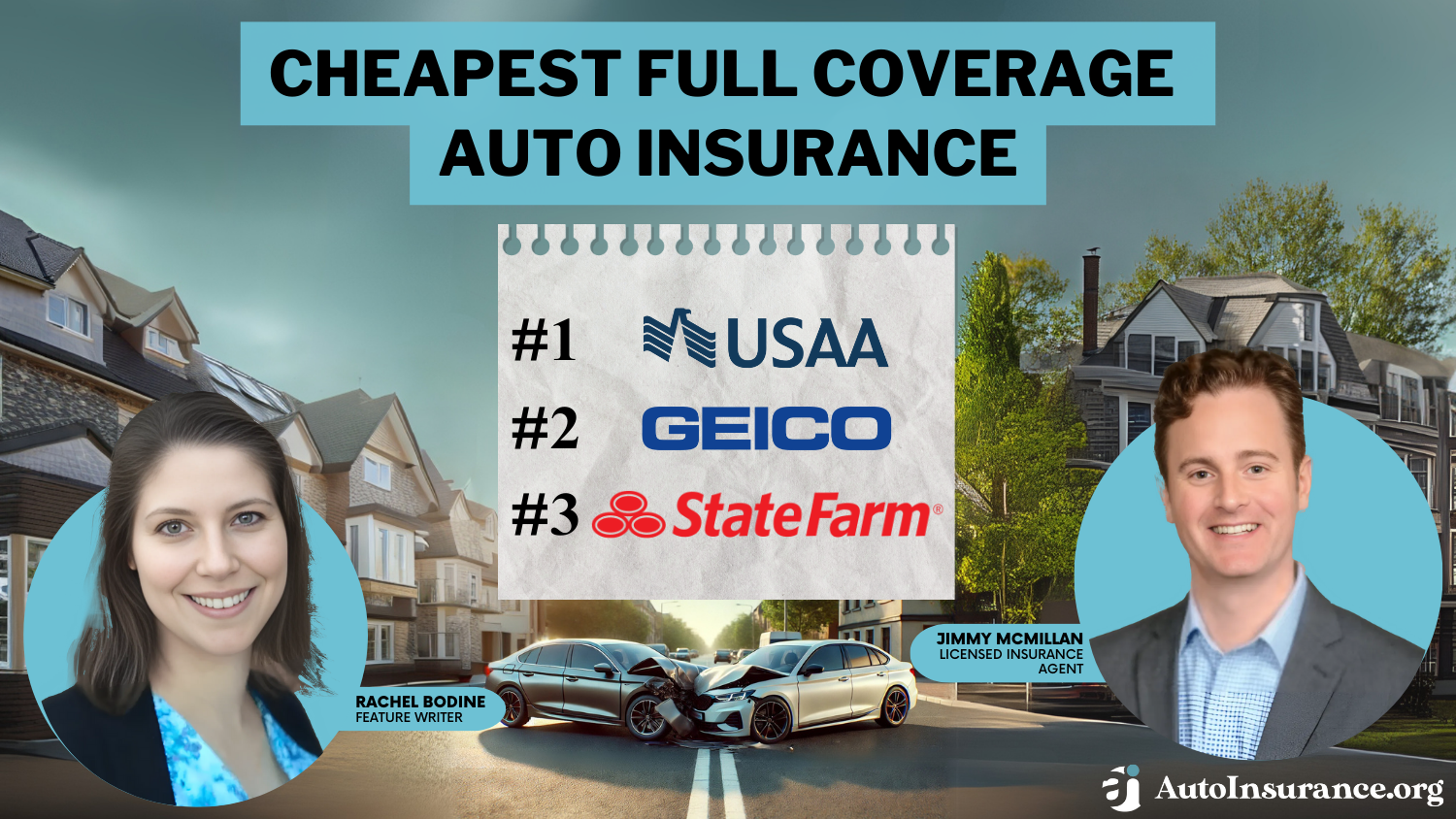
USAA has the cheapest full coverage auto insurance, with an average rate of $112 per month. However, USAA is only available to military members, veterans and their families. For most drivers, Geico and State Farm also offer low full coverage car insurance rates.
Read more





Find the Lowest Car Insurance Rates Today
Quote’s drivers have found rates as low as $42/month in the last few days!




Table of Contents
Table of Contents

Feature Writer
Rachel Bodine graduated from college with a BA in English. She has since worked as a Feature Writer in the insurance industry and gained a deep knowledge of state and countrywide insurance laws and rates. Her research and writing focus on helping readers understand their insurance coverage and how to find savings. Her expert advice on insurance has been featured on sites like PhotoEnforced, All...
Rachel Bodine

Head of Content
Meggan McCain, Head of Content, has been a professional writer and editor for over a decade. She leads the in-house content team at Quote.com. With three years dedicated to the insurance industry, Meggan combines her editorial expertise and passion for writing to help readers better understand complex insurance topics. As a content team manager, Meggan sets the tone for excellence by guiding c...
Meggan McCain

Licensed Insurance Agent
Jimmy McMillan is an entrepreneur and the founder of HeartLifeInsurance.com, an independent insurance brokerage. His company specializes in insurance for people with heart problems. He knows personally how difficult it is to secure health and life insurance after a heart attack. Jimmy is a licensed insurance agent from coast to coast who has been featured on ValientCEO and the podcast Modern Li...
Jimmy McMillan
Updated June 2026
USAA, Geico, and State Farm offer the cheapest full coverage auto insurance, with USAA averaging just $112 per month for military members, veterans, and eligible family members.
- The average full coverage policy costs $125 per month nationwide
- Idaho, Iowa, Maine, Virginia, and Washington have the lowest rates
- Geico offers some of the cheapest coverage for drivers under 25
Paying more for full coverage than state-minimum insurance can be worthwhile because a higher auto insurance premium provides collision and comprehensive coverage that helps pay for vehicle damage from accidents, theft, hail, and costly losses.
Geico stands out by offering full coverage rates under $130 per month and is available in all 50 states plus Washington, D.C.
9 Best Companies: Cheapest Full Coverage Auto Insurance
| Company | Rank | Monthly Rates | Claims Satisfaction | Best for |
|---|---|---|---|---|
 | #1 | $112 | 741 / 1,000 | Military Members |
 | #2 | $126 | 692 / 1,000 | Online Convenience |
 | #3 | $133 | 710 / 1,000 | Local Agents |
 | #4 | $151 | 728 / 1,000 | SmartRide Program |
 | #5 | $157 | 692 / 1,000 | Loyalty Rewards |
 | #6 | $160 | 684 / 1,000 | Bundling Policies |
 | #7 | $166 | 672 / 1,000 | Roadside Assistance |
 | #8 | $172 | 706 / 1,000 | Great Add-Ons |
 | #9 | $175 | 691 / 1,000 | Pay-Per-Mile Rates |
State Farm offers affordable premiums and has one of the largest networks of local agents in the country. This makes it a good option for drivers who like working directly with an agent.
Finding cheap car insurance with full coverage is easier than most people think. Enter your ZIP code to compare rates and find the cheapest full coverage car insurance for your needs.
Comparing Full Coverage Auto Insurance Rates
Many drivers look for the lowest price, but the average cost of auto insurance can change sharply from one company to another, especially with full coverage.
Monthly premiums usually fall between about $100 and just under $200. The exact amount depends on the insurer, the coverage you choose, and your driving profile. Small differences in full coverage car insurance rates can add up over time.
Auto Insurance Monthly Rates by Coverage Level
| Insurance Company | Minimum Coverage | Full Coverage |
|---|---|---|
 | $78 | $175 |
 | $69 | $157 |
 | $74 | $172 |
 | $55 | $126 |
 | $64 | $151 |
 | $71 | $166 |
| $59 | $133 |
| $70 | $160 |
 | $49 | $112 |
Even big national insurers can have very different prices. Some offer full coverage for under $200 a month, while others charge much more for similar coverage. This shows that a popular brand does not always mean lower rates.
These price differences can add up to more than $1,000 a year, so it’s worth taking the time to compare quotes.
A cheap policy should still match your car's value. Specifically, older and newer vehicles often need different coverage.Jeff Root Licensed Insurance Agent
Looking at cheap full coverage car insurance quotes from several companies can help you find better rates without losing important coverage.
Before you pick a policy, check that the insurer works in your state and gives you the protection you need.
State-by-State Full Coverage Insurance Costs
Moving from a low-cost state to a high-cost state can add more than $1,000 a year to your insurance bill. These differences in auto insurance rates by state can affect premiums more than many drivers expect.
Drivers in Maine, Hawaii, Iowa, North Carolina, and Alaska enjoy some of the lowest full coverage rates in the country, making it easier to keep full coverage auto insurance cheap compared to many other states.
Drivers in Michigan, Louisiana, New Jersey, New York, and Florida tend to pay much higher rates for full coverage. Texas falls closer to the middle, though rates can still vary by insurer.
Since location has a big impact on costs, comparing quotes is often the best way to save. Location is only part of the equation, though.
Full Coverage Auto Insurance Monthly Rates by State
| State | | | | | | | | | |
|---|---|---|---|---|---|---|---|---|---|
| Alabama | $149 | $127 | $128 | $109 | $117 | $116 | $114 | $122 | $98 |
| Alaska | $163 | $139 | $140 | $120 | $131 | $127 | $125 | $134 | $121 |
| Arkansas | $136 | $115 | $116 | $99 | $106 | $105 | $106 | $110 | $100 |
| Arizona | $178 | $151 | $152 | $130 | $140 | $138 | $136 | $145 | $129 |
| California | $184 | $167 | $168 | $135 | $154 | $144 | $145 | $158 | $144 |
| Colorado | $171 | $152 | $154 | $125 | $141 | $134 | $134 | $144 | $131 |
| Connecticut | $165 | $146 | $148 | $121 | $136 | $130 | $128 | $139 | $119 |
| Delaware | $169 | $152 | $154 | $125 | $141 | $135 | $134 | $144 | $131 |
| Florida | $199 | $179 | $181 | $146 | $166 | $159 | $155 | $170 | $154 |
| Georgia | $155 | $139 | $141 | $114 | $129 | $123 | $127 | $132 | $120 |
| Hawaii | $86 | $81 | $82 | $65 | $74 | $72 | $71 | $75 | $63 |
| Iowa | $103 | $100 | $82 | $81 | $92 | $87 | $85 | $93 | $86 |
| Idaho | $105 | $98 | $99 | $77 | $90 | $84 | $85 | $92 | $87 |
| Illinois | $143 | $140 | $142 | $112 | $128 | $120 | $119 | $132 | $120 |
| Indiana | $114 | $110 | $113 | $89 | $101 | $96 | $94 | $104 | $95 |
| Kansas | $123 | $119 | $122 | $96 | $109 | $103 | $101 | $113 | $100 |
| Kentucky | $163 | $157 | $160 | $125 | $144 | $134 | $134 | $154 | $138 |
| Louisiana | $185 | $182 | $185 | $144 | $168 | $155 | $153 | $172 | $159 |
| Maine | $88 | $87 | $89 | $72 | $81 | $77 | $76 | $83 | $76 |
| Maryland | $165 | $146 | $148 | $117 | $136 | $125 | $128 | $139 | $126 |
| Massachusetts | $118 | $109 | $110 | $91 | $101 | $97 | $96 | $108 | $98 |
| Michigan | $184 | $149 | $151 | $142 | $162 | $153 | $152 | $147 | $167 |
| Minnesota | $123 | $110 | $110 | $98 | $111 | $106 | $105 | $102 | $117 |
| Mississippi | $119 | $106 | $107 | $95 | $108 | $103 | $103 | $100 | $110 |
| Missouri | $126 | $117 | $117 | $101 | $112 | $110 | $108 | $110 | $121 |
| Montana | $108 | $100 | $164 | $88 | $97 | $96 | $93 | $90 | $96 |
| Nebraska | $99 | $91 | $90 | $81 | $89 | $88 | $87 | $82 | $84 |
| Nevada | $184 | $167 | $168 | $135 | $154 | $144 | $145 | $158 | $144 |
| New Hampshire | $103 | $100 | $102 | $81 | $92 | $87 | $85 | $93 | $86 |
| New Jersey | $191 | $161 | $164 | $144 | $165 | $154 | $155 | $149 | $137 |
| New Mexico | $118 | $119 | $122 | $96 | $109 | $103 | $101 | $113 | $100 |
| New York | $192 | $162 | $166 | $146 | $166 | $156 | $158 | $154 | $142 |
| North Carolina | $118 | $109 | $110 | $91 | $101 | $97 | $96 | $108 | $98 |
| North Dakota | $98 | $94 | $96 | $78 | $88 | $85 | $84 | $94 | $85 |
| Ohio | $101 | $99 | $99 | $80 | $92 | $87 | $87 | $97 | $89 |
| Oklahoma | $138 | $126 | $126 | $108 | $124 | $117 | $117 | $117 | $113 |
| Oregon | $128 | $115 | $115 | $101 | $116 | $109 | $108 | $108 | $108 |
| Pennsylvania | $146 | $133 | $133 | $114 | $131 | $122 | $123 | $125 | $121 |
| Rhode Island | $165 | $146 | $148 | $121 | $136 | $130 | $128 | $139 | $126 |
| South Carolina | $136 | $115 | $116 | $99 | $106 | $108 | $109 | $110 | $99 |
| South Dakota | $105 | $96 | $97 | $80 | $89 | $86 | $87 | $92 | $86 |
| Tennessee | $118 | $109 | $110 | $91 | $101 | $97 | $96 | $108 | $98 |
| Texas | $178 | $151 | $152 | $130 | $140 | $138 | $136 | $145 | $129 |
| Utah | $121 | $102 | $111 | $88 | $95 | $94 | $92 | $102 | $101 |
| Virginia | $118 | $109 | $110 | $91 | $101 | $97 | $96 | $108 | $98 |
| Vermont | $92 | $98 | $99 | $77 | $90 | $85 | $84 | $105 | $87 |
| Washington | $136 | $115 | $116 | $99 | $106 | $108 | $109 | $110 | $108 |
| Washington, D.C. | $172 | $156 | $156 | $128 | $142 | $137 | $136 | $149 | $134 |
| Wisconsin | $105 | $96 | $96 | $80 | $89 | $86 | $86 | $92 | $86 |
| West Virginia | $131 | $112 | $113 | $96 | $103 | $104 | $105 | $107 | $100 |
| Wyoming | $116 | $106 | $105 | $87 | $96 | $92 | $94 | $100 | $92 |
The company offering the lowest rate in one state may not be the cheapest in another because insurers evaluate risks differently. Drivers looking for the cheapest auto insurance for full coverage should compare companies, since rates vary by state.
Factors such as repair costs, weather-related claims, and the number of uninsured drivers can influence pricing. That is why comparing several insurers is often the best way to find a lower full coverage rate where you live.
Learn More: Delaware Auto Insurance
How Credit Scores Affect Full Coverage Rates
If you have a lower credit score, you might pay more for full coverage insurance, even if your car and driving record are the same as someone else’s.
Some insurance companies look more closely at credit than others, so rates can vary widely. Drivers with fair or poor credit often have the best chance of finding cheap car full coverage insurance by comparing multiple insurers.
Full Coverage Auto Insurance Monthly Rates by Credit Score
| Company | Excellent (800+) | Good (670-799) | Fair (580-669) | Poor (<580) |
|---|---|---|---|---|
| $175 | $193 | $219 | $263 |
| $157 | $173 | $196 | $236 |
| $172 | $189 | $215 | $258 |
| $126 | $139 | $158 | $189 |
| $151 | $166 | $189 | $227 |
 | $166 | $183 | $208 | $249 |
| $133 | $146 | $166 | $200 |
| $160 | $176 | $200 | $240 |
| $112 | $123 | $140 | $168 |
If your credit score has improved, getting new quotes could help lower your premium. You can also ask about discounts or payment options that may help make full coverage insurance cheap.
Taking a few minutes to compare offers from several insurers is often more effective than reducing coverage to lower your bill. Since credit scores affect auto insurance rates, comparing quotes can help you find affordable full coverage auto insurance.
How Driving Record Affects Full Coverage Auto Insurance
Auto insurance rates can jump 25% or more after a speeding ticket, and reckless driving violations can increase your rates even more.
If you were recently ticketed, compare quotes from the best auto insurance companies for drivers with speeding tickets to see which insurer can offer you the best rates. Shopping around can help you find low-cost full coverage auto insurance.
Full Coverage Auto Insurance Monthly Rates by Driving Record
| Company | Clean Record | One Accident | One DUI | One Ticket |
|---|---|---|---|---|
| $175 | $250 | $304 | $219 |
| $157 | $223 | $272 | $196 |
| $172 | $245 | $299 | $215 |
| $126 | $180 | $224 | $158 |
| $151 | $215 | $262 | $189 |
| $166 | $239 | $291 | $208 |
| $133 | $204 | $249 | $179 |
| $160 | $229 | $280 | $202 |
| $112 | $160 | $196 | $140 |
Insurance companies assess driving violations differently, which can lead to noticeable differences in full coverage auto insurance rates.
USAA offers some of the lowest rates for drivers with speeding tickets, but coverage is limited to military families. Multiple speeding tickets can make it harder to qualify for the cheapest car insurance full coverage options.
How Age Affects Full Coverage Auto Insurance Rates
A driver’s age can make a big difference in the cost of full coverage insurance, especially in the first few years of driving. Many younger drivers search for auto insurance for cheap full coverage, but they often pay more because insurers view them as higher risk.
New drivers usually pay higher rates because insurance companies do not have much information about how they drive in real-life situations.
As drivers get more experience and go longer without accidents or tickets, insurance companies often see them as less risky. This is why many people find it easier to get cheap full coverage car insurance after their first few years of driving.
Rates usually become more stable as you get older, but car insurance for seniors can still change depending on your driving record and where you live. Age does affect your premium, but comparing quotes can help you find more affordable full coverage insurance.
Free Insurance Comparison
Compare Quotes From Top Companies and Save
Full Coverage Car Insurance Explained
Full coverage auto insurance combines three key coverages: liability, collision, and comprehensive insurance. When you’re responsible for an accident, liability insurance coverage helps pay for the other driver’s injuries and property damage.
Collision insurance helps pay for repairs to your car after an accident, whether you hit another vehicle or something else. Comprehensive coverage protects you from things like theft, vandalism, hail, fire, and falling objects.
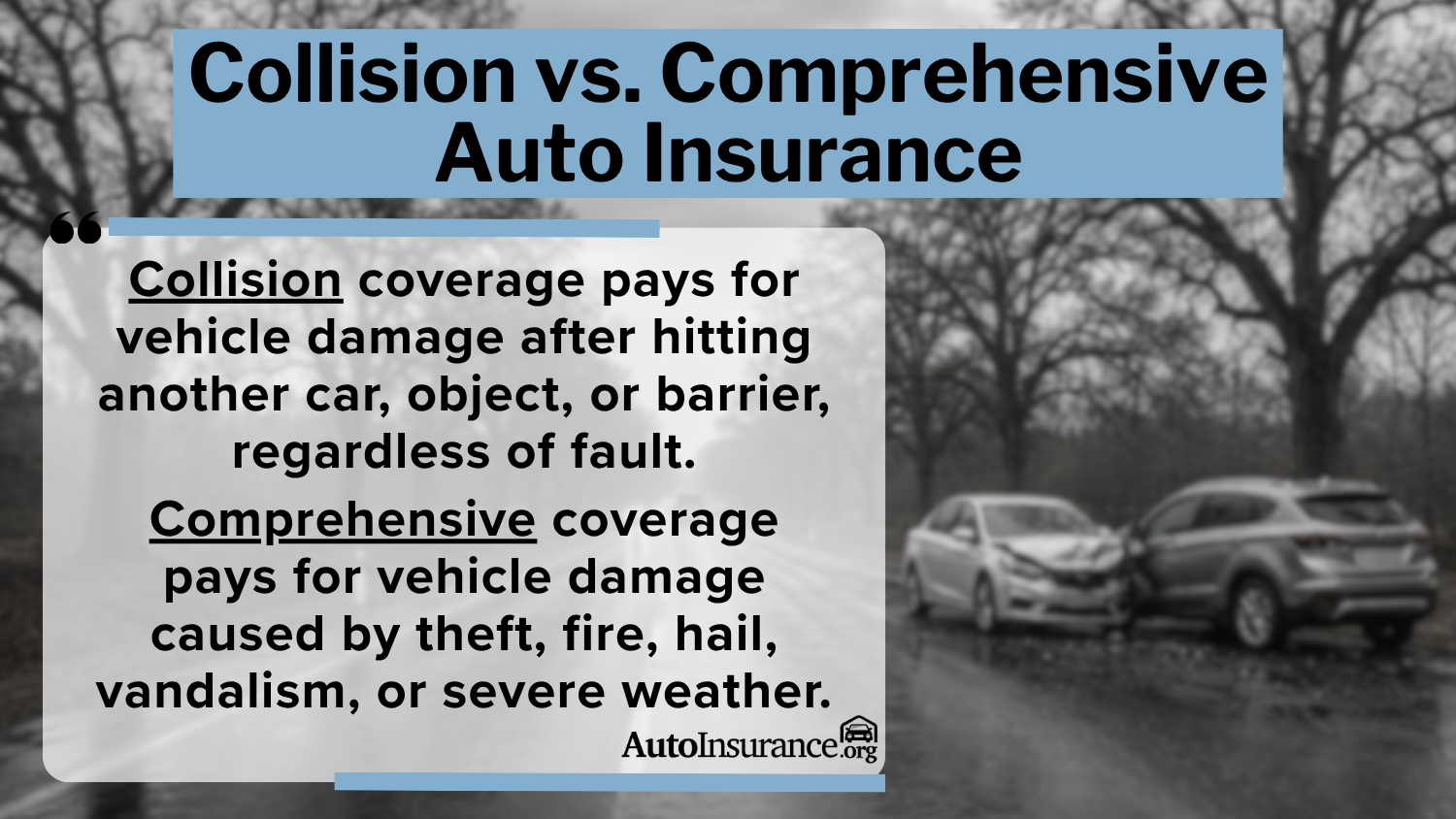
The main difference between full coverage and liability-only insurance is that full coverage also covers your own car. Drivers with a good driving record may have an easier time finding full coverage, affordable car insurance.
Having a clean driving record can help keep your insurance rates lower over time. Full coverage won’t protect against every situation, but it gives you broader protection for both you and your vehicle.
You can also adjust your deductibles, coverage limits, and optional protections to better fit your budget. Comparing insurers can also help you find cheap full coverage auto insurance with no down payment or lower upfront costs.
As your life changes, your insurance needs might change too. Checking your policy every six months can help you avoid paying for coverage you do not need and improve your chances of finding inexpensive full coverage auto insurance.
Add-On Coverages for Full Coverage Policies
Once you’ve chosen your core coverages and set your deductibles, you may want to look at optional protections that address specific financial risks.
These coverages can fill gaps that standard policies may not fully address, especially for financed vehicles, medical expenses, or accidents involving uninsured drivers.
- Guaranteed Auto Protection (Gap) Insurance: Although not required by law, you may want to buy gap insurance if you’re financing your vehicle.
- Medical Payments Coverage (MedPay): It covers medical costs for injuries sustained by you and your passengers.
- Personal Injury Protection (PIP) Auto Insurance: It covers medical costs and lost wages if you or your passengers are injured in an accident or collision.
- Uninsured Motorist (UM) Coverage: It covers damages and injuries caused by a hit-and-run or uninsured/underinsured driver.
Many insurance companies also offer extras like roadside assistance, rental car coverage, accident forgiveness, and new car replacement.
These options can be worth considering, even if you already have one of the lowest full coverage car insurance policies.
Some add-ons are inexpensive but can save a lot of hassle after a claim. For example, rental car coverage can help keep you on the road.Daniel Young Managing Editor
The best add-ons depend on your vehicle, budget, and driving habits. Even with a low full coverage car insurance rate, it is worth reviewing optional coverages to make sure you have the protection you need.
Drivers looking for the cheapest car insurance for full coverage should compare both coverage options and available add-ons to find the best value.
Ways to Lower Full Coverage Auto Insurance Costs
A lot of drivers pay attention to the base premium, but auto insurance discounts can make the difference between paying hundreds more or less for your policy each year.
Telematics programs are a good option for people who drive less, avoid sudden stops, and rarely drive late at night. Safe driving habits can help lower the cost of cheap auto full coverage insurance.
Top Discounts for Full Coverage Auto Insurance
| Company | Bundling | Multi-Vehicle | Safe Driver | Usage-Based |
|---|---|---|---|---|
| 25% | 25% | 18% | 30% |
| 25% | 20% | 18% | 30% |
| 20% | 20% | 20% | 30% |
| 25% | 25% | 15% | 25% |
| 20% | 20% | 12% | 40% |
| 10% | 12% | 10% | $231/yr |
| 17% | 20% | 20% | 30% |
| 13% | 8% | 17% | 30% |
| 10% | 10% | 10% | 30% |
If you own a home, look for bundling deals. Combining your home and auto insurance is often one of the biggest discounts you can get, and it usually does not require changing your coverage.
If you have more than one car, use anti-theft devices, or qualify for several discounts, ask if you can combine them. Stacking discounts can lower your premium more than just switching insurance companies.
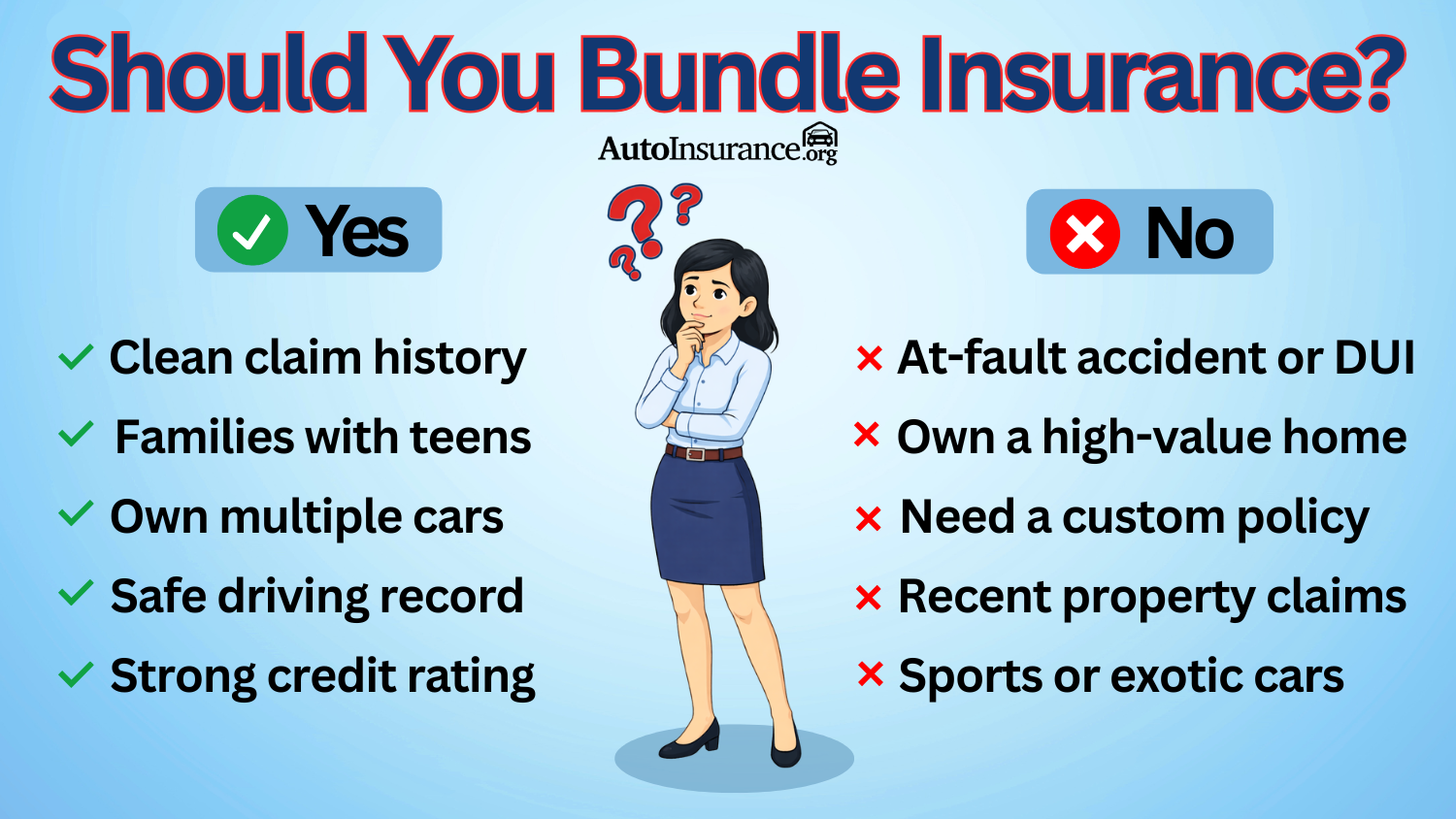
Discounts are important, but they are not the only way to lower the cost of full coverage auto insurance.
Once you’ve taken advantage of available savings programs, the next step is looking at the factors insurers use to price your policy.
- Adjust Your Deductible: Choosing a higher deductible can lower your monthly premium, as long as you’re comfortable paying more out of pocket after a claim.
- Browse Quotes Before Renewal: Insurance rates change often, so it’s worth checking prices from other companies before your policy renews.
- Drive Fewer Miles: Many insurers view lower annual mileage as less risk, which can lead to lower rates even without enrolling in a telematics program.
- Reassess Older Vehicles: If your car’s value has dropped significantly, paying for the same level of full coverage may no longer provide the best return.
- Strengthen Vehicle Security: Parking in a garage or adding anti-theft technology can reduce the likelihood of theft-related claims and help keep costs down.
The best way to save is usually a combination of discounts and smart policy decisions. Small adjustments can lower costs and make full coverage cheap car insurance easier to find.
Reviewing your policy once a year can help ensure you’re not paying for coverage that no longer fits your needs. Drivers looking for cheap car insurance for full coverage can often save by comparing quotes regularly.
Additional Information: How to Save Money by Bundling Insurance Policies
9 Cheapest Insurance Companies for Full Coverage
These companies insure millions of drivers, which is why they have such a big share of the auto insurance market.
Many people stay with these companies because they offer local agents, online tools for managing policies, and claims departments that can handle lots of requests. They are also popular options for drivers looking for inexpensive full coverage car insurance.
Several of them are also known for offering some of the cheapest full coverage insurance rates in the country. State Farm is still the biggest company in this group and is a popular choice for drivers who like working with an agent.
However, having a large market share does not automatically make a company one of the cheapest auto insurance companies. If your goal is to find low full coverage insurance, comparing quotes is still the best way to identify the lowest rate.
#1 – USAA: Top Overall Pick
Pros
- Military-Focused Coverage: USAA’s full coverage auto insurance is tailored to the needs of active-duty service members, veterans, and eligible family members
- Helpful During Deployments: Drivers who store their vehicles while deployed may have options to avoid paying for coverage they don’t need during that time.
- Excellent Claims Experience: USAA earned a 741 out of 1,000 claims satisfaction score, the highest rating among the companies reviewed.
Cons
- Military Membership Required: Full coverage is available only to military members, veterans, and qualifying family members.
- Military-Only Access: Our USAA insurance review found that full coverage auto insurance is limited to military members, veterans, and qualifying family members.
#2 – Geico: Best for Online Convenience
Pros
- Easy Online Tools: Full coverage customers can get quotes, file claims, update coverage, and access policy documents without visiting an office.
- User-Friendly App: Drivers can manage full coverage policies, request roadside assistance, and check claim updates right from their phones.
- Low Rates: Geico’s average full coverage premium is $126 per month, making it a strong option for drivers looking for affordable full coverage car insurance.
Cons
- Less Personal Interaction: If you like working with the same local agent, Geico’s focus on online service might not be as appealing. More Details: Geico Insurance Review
- Few Offices: Most changes to your full coverage policy and support requests are handled online instead of at a local office.
#3 – State Farm: Best for Local Agents
Pros
- Helpful Local Agents: Full coverage customers can work with nearby agents to review deductibles, coverage limits, and policy changes.
- Easy In-Person Support: State Farm’s local offices give drivers a place to ask questions about full coverage claims and policy details.
- Solid Claims Score: State Farm earned a 710 out of 1,000 in claims satisfaction, showing a strong claims experience.
Cons
- Agent Service Varies: As noted in our State Farm insurance review, the full coverage experience may depend on how responsive and helpful your local agent is.
- Less App Focused: Drivers who want to manage everything digitally may prefer a more online-first insurance company.
#4 – Nationwide: Best for SmartRide Program
Pros
- SmartRide Discounts: Full coverage policyholders can earn savings based on braking habits, acceleration patterns, mileage, and driving behavior.
- Immediate Enrollment Savings: Drivers may receive an introductory discount simply for enrolling in SmartRide. Smart Savings: Nationwide Insurance Review
- Usage-Based Savings: Drivers who maintain safe driving habits over time may continue earning discounts on their full coverage auto insurance.
Cons
- Driving Behavior Monitoring: Full coverage discounts require participation in a telematics program that tracks driving activity.
- Savings May Vary: Drivers who frequently travel long distances may qualify for smaller SmartRide discounts.
#5 – American Family: Best for Loyalty Rewards
Pros
- Loyalty Rewards: Full coverage policyholders may qualify for perks and savings the longer they stay with American Family.
- Bundle Savings: Drivers who bundle multiple policies may unlock additional discounts on their full coverage.
- Coverage Reviews: American Family encourages policy reviews to help drivers keep their full coverage aligned with changing needs.
Cons
- Bundling Helps: Drivers with only a full coverage auto insurance policy may not qualify for some of the company’s strongest discounts.
- Loyalty Takes Time: Based on our American Family insurance review, some full coverage rewards are geared toward long-term customers.
#6 – Travelers: Best for Bundling Policies
Pros
- Multi-Policy Discount: Drivers can lower full coverage costs by bundling auto insurance with homeowners, renters, condo, or umbrella coverage.
- Broad Endorsement Selection: Travelers gives full coverage to customers and several optional coverages to help tailor protection to their needs.
- Great for Homeowners: Drivers with multiple insurance policies may find it easier to manage coverage and savings with one insurer. Read More: Travelers Insurance Review
Cons
- Multiple Policies Needed: Drivers seeking only full coverage auto insurance may not unlock the company’s strongest discounts.
- Fewer Local Offices: Full coverage customers who prefer in-person policy support may have fewer local office options depending on where they live.
#7 – Progressive: Best for Roadside Assistance
Pros
- Comprehensive Emergency Services: Full coverage customers can add towing, fuel delivery, lockout assistance, battery jump-starts, and winching services.
- Name Your Price Tool: Progressive helps drivers customize coverage around a target budget, which can make it easier to find low-cost full coverage car insurance.
- Flexible Coverage Customization: Our Progressive insurance review notes that drivers can adjust deductibles and coverage options to fit their budget.
Cons
- Added Cost: Full coverage customers must purchase roadside assistance separately to access emergency services.
- Discounts Aren’t Guaranteed: Some full coverage savings depend on factors like location, driving history, and participation in optional discount programs.
#8 – Farmers: Best for Great Add-Ons
Pros
- Coverage Add-Ons: Full coverage customers can choose from a wide variety of add-ons that expand protection beyond standard policies.
- Custom Equipment: Drivers with aftermarket upgrades may be able to protect certain custom parts through eligible full coverage endorsements.
- Personalized Protection: Farmers gives full coverage customers more ways to customize coverage than a standard policy alone. Keep Reading: Farmers Insurance Review
Cons
- Higher Premiums: Farmers charges an average of $172 per month for full coverage auto insurance.
- Added Costs: Adding multiple endorsements to a full coverage policy can significantly raise monthly premiums.
#9 – Allstate: Best for Pay-Per-Mile Rates
Pros
- Milewise Program: Full coverage customers who don’t drive much can pay based more on actual mileage than estimated driving habits.
- Great for Low Mileage: Remote workers, retirees, and occasional drivers may save by not paying for miles they rarely drive.
- Helpful Local Agents: Full coverage policyholders can get guidance and support from Allstate’s local agent network.
Cons
- Limited Savings: Drivers who log a lot of miles may not see the same savings potential highlighted in our Allstate insurance review of the Milewise program.
- Higher Rates: Allstate’s average full coverage rate is $175 per month before mileage-based savings are applied.
Free Insurance Comparison
Compare Quotes From Top Companies and Save
Finding the Cheapest Full Coverage Auto Insurance
Full coverage auto insurance includes liability, collision, and comprehensive auto insurance coverage. It can help you avoid expensive repair bills if something happens to your car.
While it costs more than state-minimum coverage, it can save you money after an accident, theft, or severe weather. If you’re looking for inexpensive car insurance with full coverage, it helps to compare a few companies before making a decision.
USAA, Geico, and State Farm are among the most affordable companies, making them good choices for drivers looking for cheap full coverage insurance.
You can often lower your insurance costs by choosing a higher deductible, keeping a clean driving record, and comparing full coverage auto insurance quotes.
Low-cost full coverage insurance is often easier to find when you shop around and take advantage of available discounts. Enter your ZIP code to compare rates and find options in your area.
Frequently Asked Questions
Who offers the cheapest full coverage auto insurance?
USAA often has the lowest full coverage rates, averaging $84 per month for military members and their families. For most people, Geico and State Farm are also some of the most affordable national options.
Comparing affordable auto insurance quotes can help drivers find the lowest rate in their area.
How much does typical full coverage auto insurance cost?
Across the country, full coverage auto insurance costs about $119 per month on average. If you have a clean driving record, good credit, and a safe car, you might pay less.
Is $100 a month a good price for full coverage auto insurance?
Yes. Since the average full coverage premium is around $119 per month, a $100 rate is generally considered affordable. The full coverage car insurance price can vary by driver and location.
How can I lower my full coverage car insurance costs?
Raising insurance deductibles, bundling policies, maintaining a clean driving record, and comparing quotes from multiple companies can help lower premiums.
What does full coverage auto insurance usually cover?
Full coverage usually includes liability, collision, and comprehensive insurance. It covers damage you cause to others, repairs to your vehicle, and unexpected losses from theft, hail, vandalism, or fire.
Enter your ZIP code to compare rates and find the most affordable full coverage car insurance available in your area.
What is the difference between full coverage auto insurance and liability coverage?
Liability coverage pays for injuries and property damage caused to others. Full coverage includes liability insurance plus protection for your own vehicle through collision and comprehensive coverage.
What is the difference between full coverage auto insurance and comprehensive coverage?
Comprehensive coverage protects against non-collision events such as theft, vandalism, hail, and fire. Full coverage includes comprehensive insurance along with liability and collision coverage.
Check Out This Page: Does auto insurance cover vehicle theft?
Do I need full coverage if my car is paid off?
Not always. However, full coverage can still be a good idea if the vehicle is expensive to repair or replace after an accident.
Use our free comparison tool to quickly review full coverage car insurance quotes and compare coverage options side by side.
At what point is full coverage not worth it?
Many people think about dropping full coverage when their car’s value is low compared to the insurance cost. Sometimes, the money you save each year is more than what you might get from a claim.
How much does Progressive full coverage auto insurance cost?
Progressive’s average full coverage premium is about $129 per month. Since rates vary by location, driving history, and coverage choices, it’s a good idea to compare auto insurance rates before choosing a policy.
At what age is full coverage car insurance most expensive?
What happens if you can’t afford full coverage car insurance?
Does Progressive automatically give you full coverage?
Can I add someone who doesn’t live with me to my full coverage auto insurance?
Related Articles
-
May 2026

Do you need auto insurance to drive someone else’s car?
-
May 2025
How to Dispute an Auto Insurance Claim in 2026 (Follow These 5 Steps)
-
Jan 2025
South Dakota Minimum Auto Insurance Requirements in 2026 (SD Coverage Explained)
-
Oct 2024
Hitting a Parked Car, Auto Insurance Implications
-
Dec 2024
Does not paying your auto insurance affect credit?
-
Jun 2025
When should I add my child to my auto insurance?

Get a FREE Quote in Minutes
Insurance rates change constantly — we help you stay ahead by making it easy to compare top options and save.


