What is needed for adequate auto insurance coverage? (2026 Driver’s Guide)
What is needed for adequate auto insurance coverage includes liability, plus full coverage options like collision and comprehensive. Liability protects others in at-fault accidents, while full coverage protects your vehicle. Minimum coverage starts at $30/mo, and full coverage averages $80/mo.
Read more





Table of Contents
Table of Contents

Insurance Content Team Lead
Tonya Sisler has been a technical insurance writer for over five years. She uses her extensive insurance and finance knowledge to write informative articles that answer readers' top questions. Her mission is to provide readers with timely, accurate information that allows them to determine their insurance needs and choose the best coverage. Tonya currently leads a team of 10 insurance copywrite...
Tonya Sisler

Licensed Insurance Agent
Jeffrey Manola is an experienced insurance agent who founded TopQuoteLifeInsurance.com and NoMedicalExamQuotes.com. His mission when creating these sites was to provide online consumers searching for insurance with the most affordable rates available. Not only does he strive to provide consumers with the best prices for insurance coverage, but he also wants those on the market for insurance to ...
Jeffrey Manola
Updated June 2026
Adequate auto insurance coverage requires liability insurance and additional options like collision and comprehensive. It shields you from unexpected financial burdens in the event of an accident.
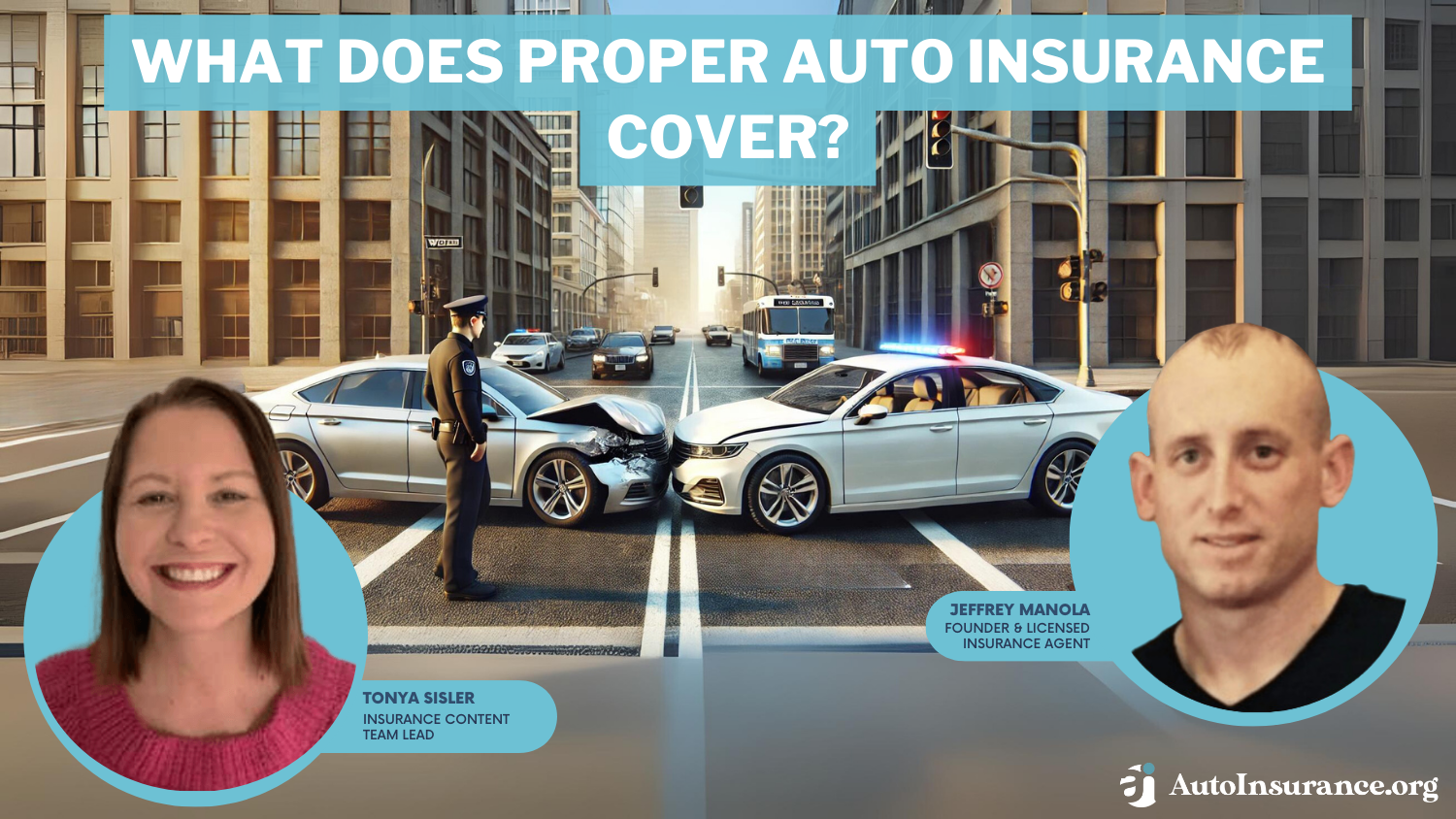
While the range of options and rates available from auto insurance companies can feel overwhelming, understanding the five basic types of coverage will help you make informed decisions.
Knowing what types of coverage you need and how to find affordable auto insurance rates online will ease your search for auto insurance. Enter your ZIP code above to use our comparison tool and ensure you have what is needed for adequate auto insurance coverage.
Types of Auto Insurance
Knowing the types of auto insurance available is essential when selecting a policy. Each type provides coverage for different situations, ensuring protection in various scenarios. But which type of car insurance is best? Below are the common types of coverage to consider.
Liability Coverage
Liability coverage protects you if you’re legally responsible for injuries or damages caused to other people or their property in an accident. This coverage includes two main components: bodily injury and property damage.
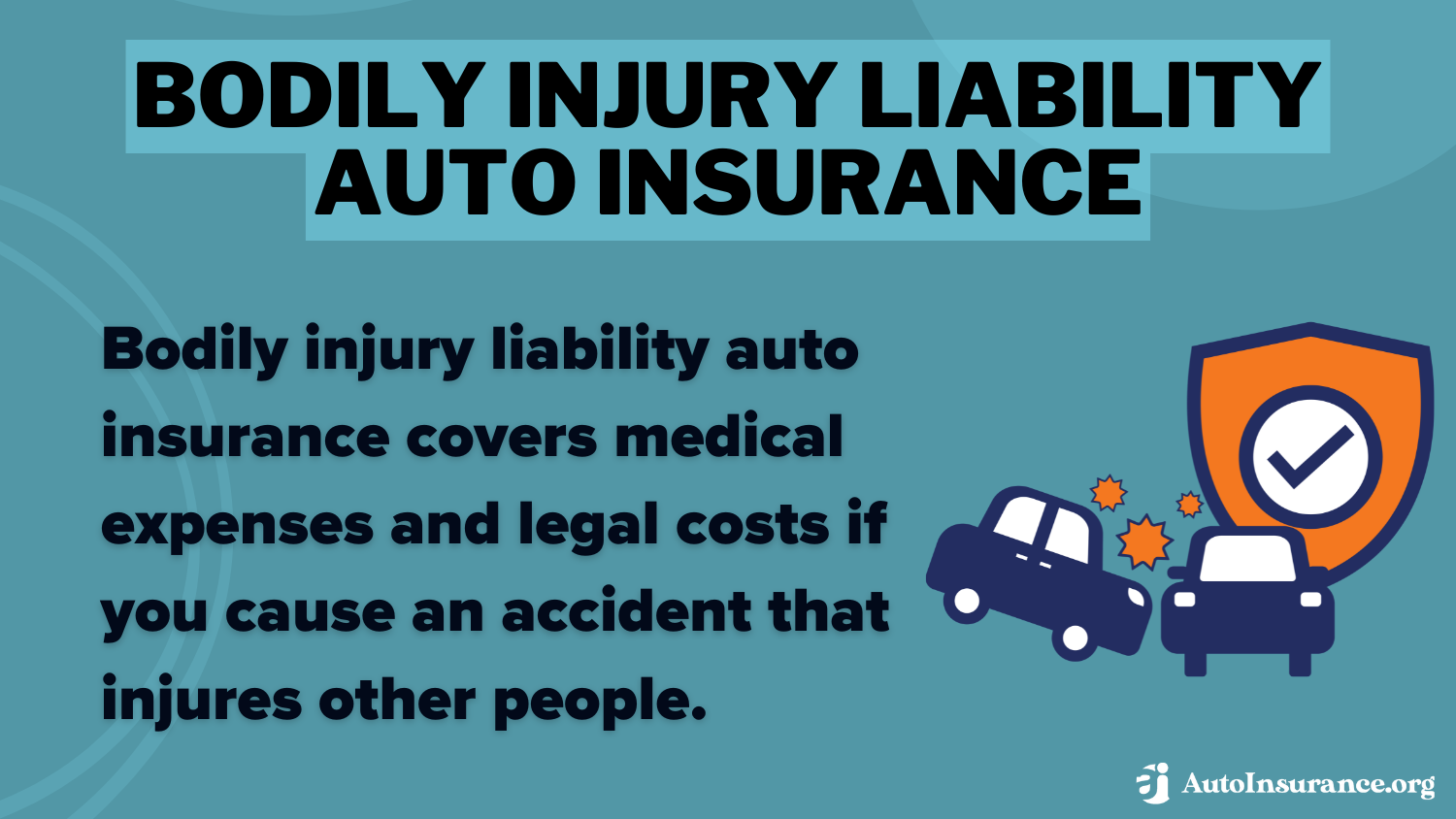
Bodily injury liability pays for medical expenses, lost wages, and legal fees related to injuries sustained by others, while property damage liability covers repairs to other vehicles or structures. This coverage extends to you, relatives in your household, or anyone driving your car with permission. See our ranking of the best property damage liability auto insurance companies.
Collision Coverage
Collision auto insurance coverage helps pay for damage to your vehicle if it’s involved in a crash, whether you collide with another car or an object like a tree or guardrail.
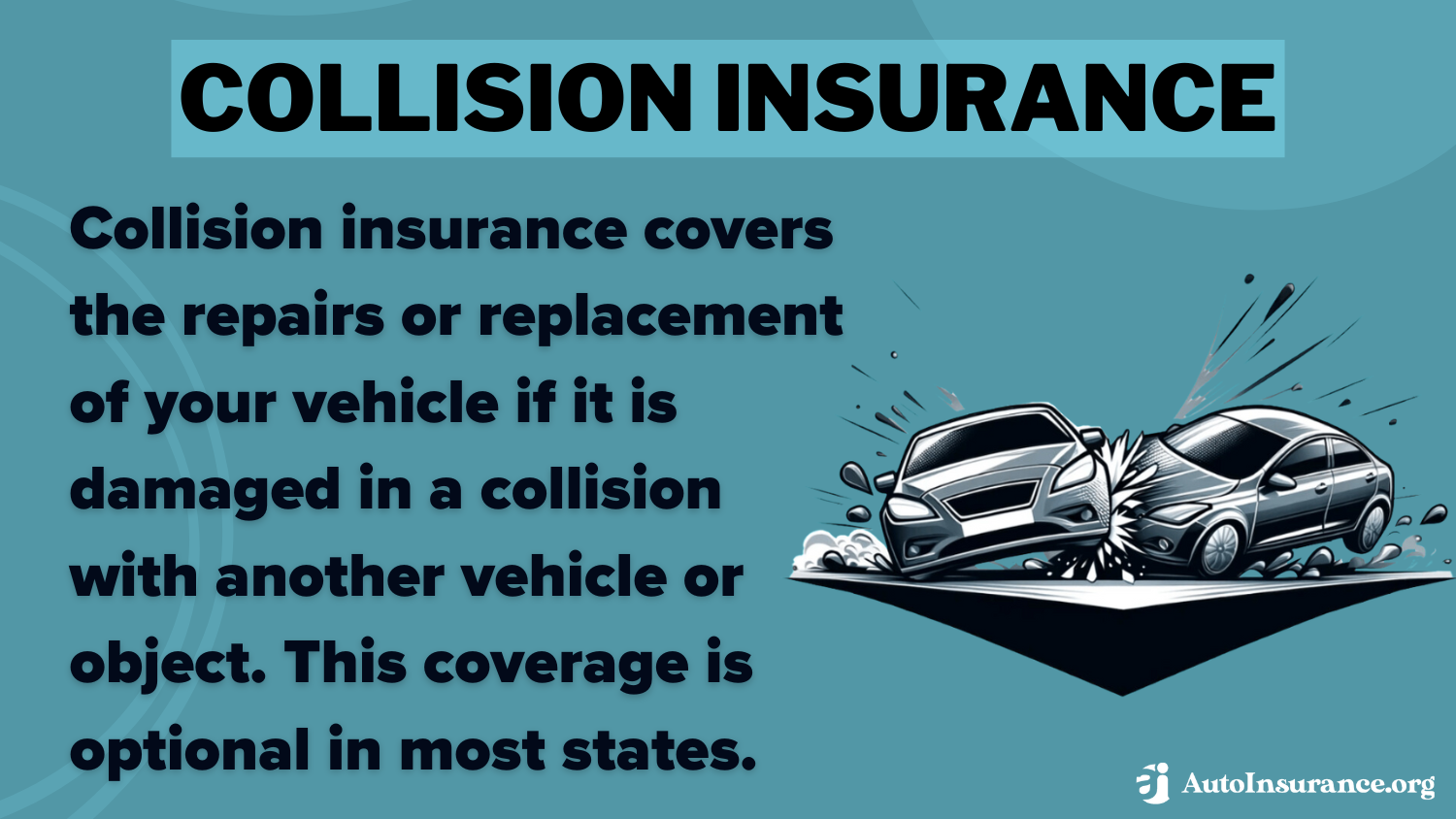
It covers repairs or replacement costs minus your deductible. Collision insurance applies even if you’re at fault and typically applies only to the cars listed on your policy. This coverage is especially important if you’re financing or leasing your car, as lenders may require it.
Comprehensive Coverage
Comprehensive auto insurance coverage protects your vehicle from non-collision-related damage. This includes theft, vandalism, natural disasters, falling objects, fire, and even damage caused by animals.
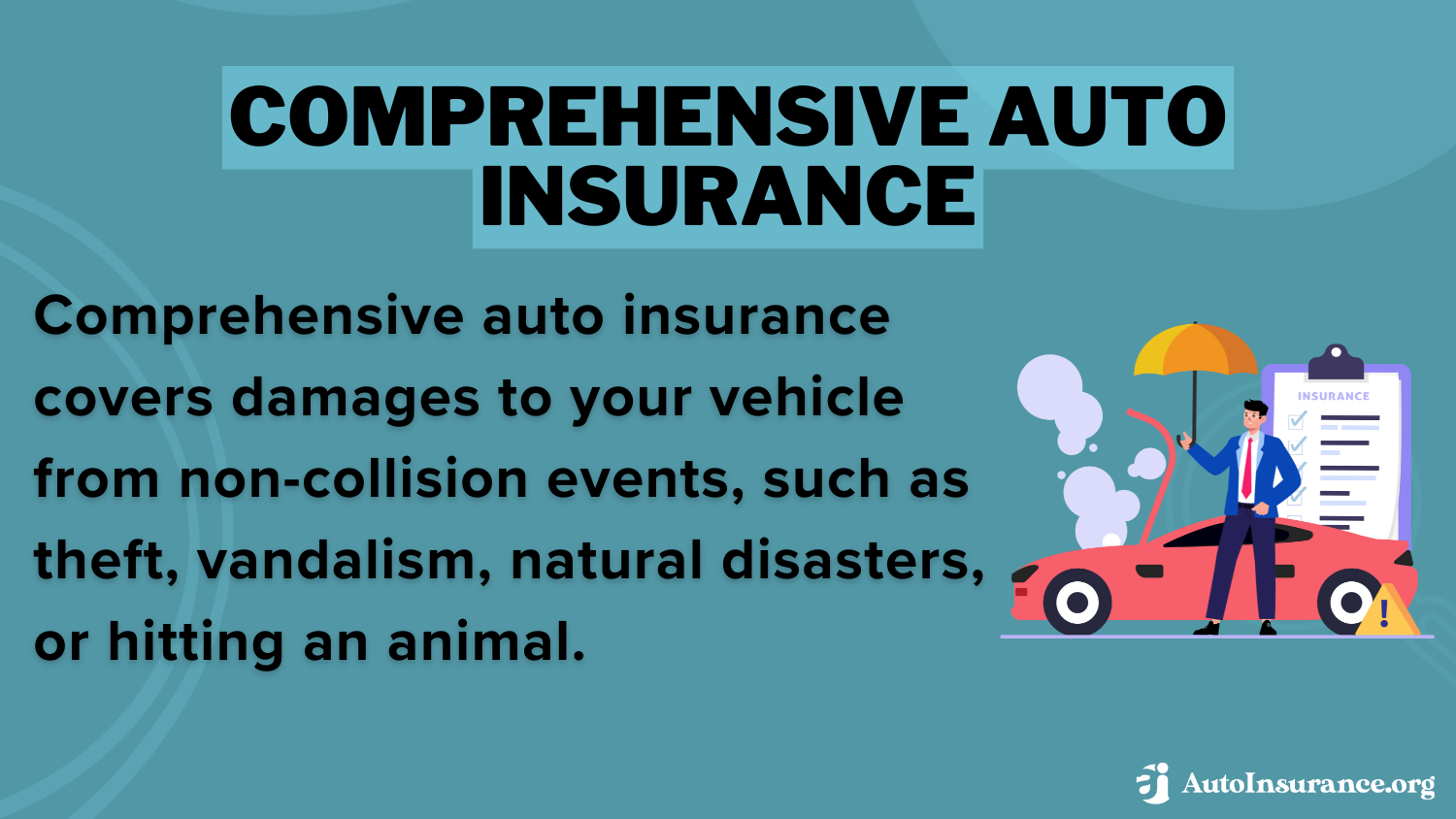
Comprehensive insurance also helps cover repairs or replacement, minus the deductible, in events like break-ins or storm damage. It’s broader protection than collision coverage, but it’s often optional unless required by a lender.
Medical Payments Coverage
Medical payments coverage, or MedPay, helps cover medical and funeral expenses for you, your passengers, or family members if they are injured in a car accident, regardless of fault.
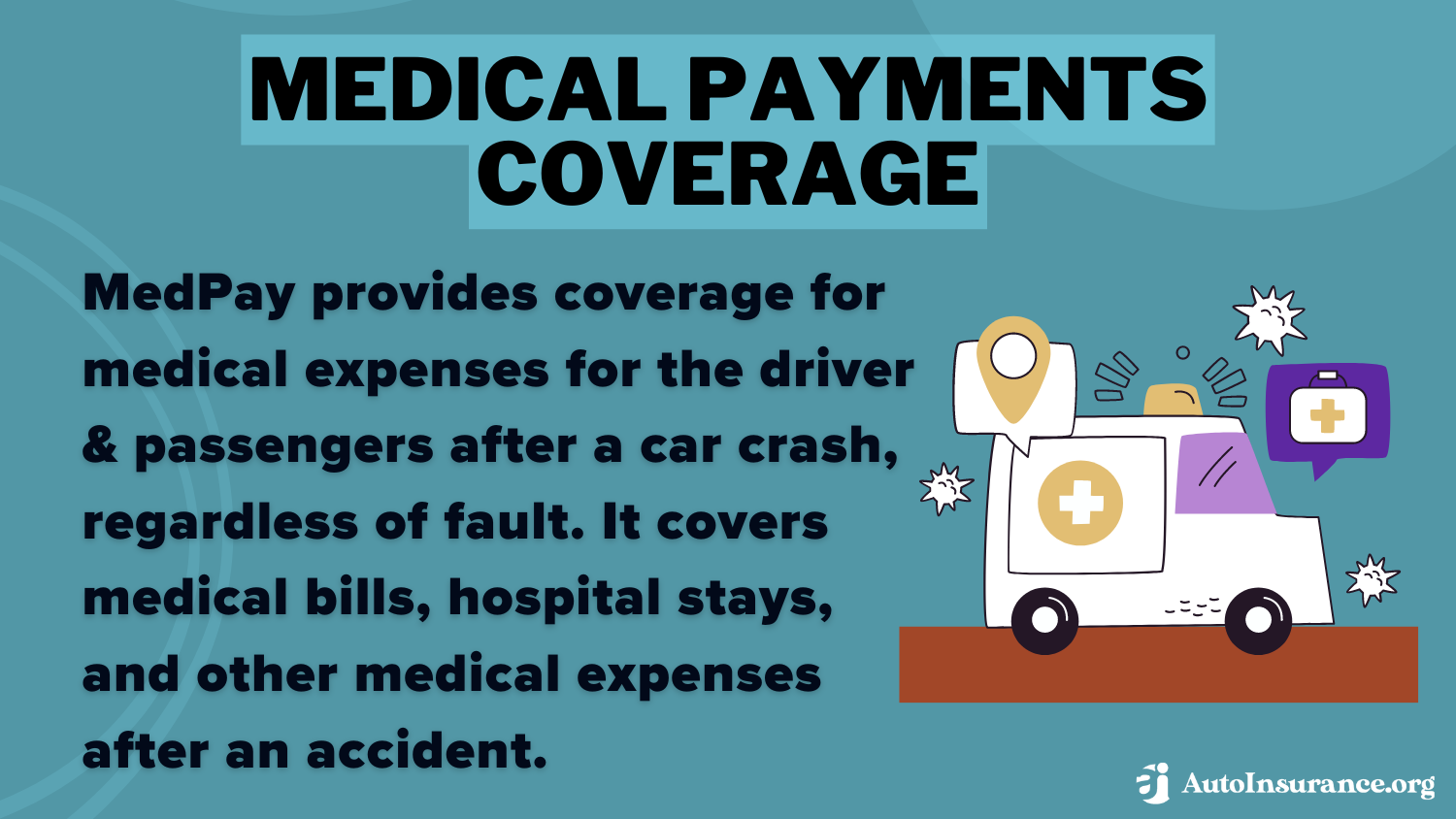
So, do you need medical payment coverage on auto insurance? Yes, you should consider it. It may cover hospital bills, surgeries, and other related costs and can help if you’re hit as a pedestrian. MedPay is typically optional but can provide essential financial protection if your health insurance falls short after an accident.
Uninsured/Underinsured Motorist Coverage
Uninsured and underinsured motorist coverage protects you if you’re in an accident caused by a driver with little or no insurance. Uninsured motorist coverage pays for your injuries and damages when the other driver has no insurance, while underinsured motorist coverage kicks in when the at-fault driver doesn’t have enough insurance to cover all your expenses.
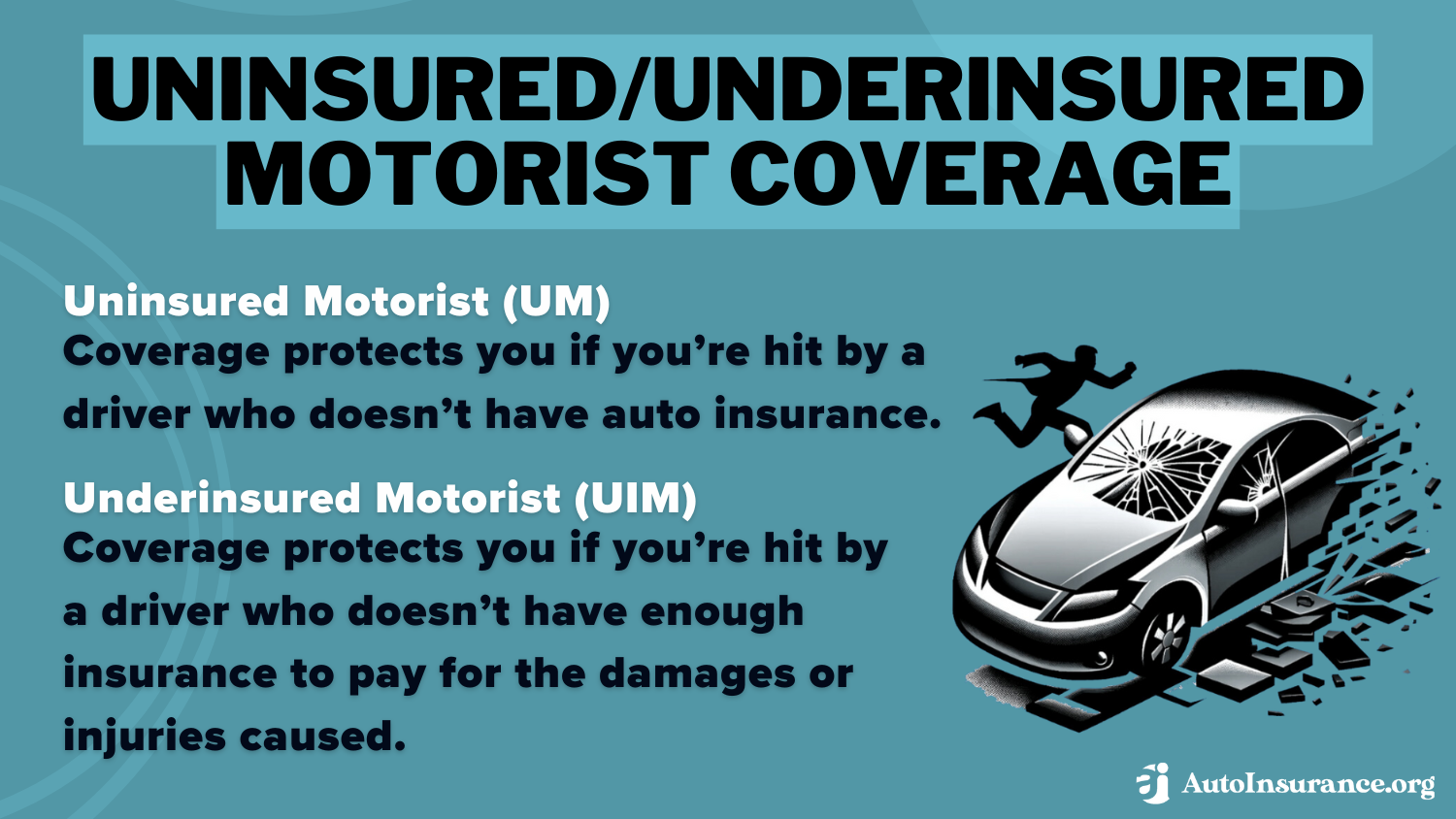
This type of coverage is crucial in hit-and-run situations or areas where uninsured drivers are common.
Each state and lender may have different requirements, so ensure your policy meets the legal minimums by checking with your state's insurance department or lender.Jimmy McMillan Licensed Insurance Agent
Online insurance quotes should indicate mandatory coverages for your area, making it easier to understand what’s required.
Lenders and states require drivers to carry minimum amounts of certain types of insurance coverage. For example, the state of North Carolina requires that all drivers carry a minimum of $30,000 in bodily injury, $60,000 in total bodily injury, and $25,000 in property damage coverage.
Not all states and lenders have the same requirements, so check with your lender or your state’s minimum auto insurance requirements to ensure you have all the insurance you need.
If you’re shopping for insurance online, the insurers should be able to tell you what coverages the law says you must buy.
Free Insurance Comparison
Compare Quotes From Top Companies and Save
Factors That Determine the Cost of Your Insurance
When you ask for free auto insurance quotes or apply for coverage, insurance companies will ask for a good deal of information. They’ll use this information to determine the risk they would take by giving you auto insurance.
Your insurance premium will be higher or lower depending on how high or low your risk level is. See the table below to understand how much you can expect to pay with our top providers based on your selected coverage level.
Auto Insurance Monthly Rates by Coverage Level
| Insurance Company | Minimum Coverage | Full Coverage |
|---|---|---|
 | $78 | $175 |
 | $69 | $157 |
 | $74 | $172 |
 | $55 | $126 |
 | $64 | $151 |
 | $71 | $166 |
 | $59 | $133 |
 | $70 | $160 |
 | $49 | $112 |
Some factors that help determine your risk level are under your control, while others are not.
Factors considered by insurers include:
- Driving Record: Your previous record usually impacts your insurance premium the most. Insurers typically charge you more if you’ve been charged in a wreck or convicted of speeding and other driving offenses within the past three years.
- Neighborhood: Where you live can also affect how much you pay for insurance. Drivers in cities usually pay more than those in rural areas. Insurers consider an area’s vehicle density, the likelihood of accidents and claims, and the costs of repair rates.
- Your Automobile: The type of car you drive can also lower or raise your premium depending on its style, repair, and replacement costs, and how often its model is stolen. A sedan, for example, usually costs less to insure than a sports utility vehicle or sports car (Read More: Which cars have the lowest auto insurance premiums?).
- Usage of Automobile: The more you drive, the more likely you will pay for insurance. Insurers usually charge more for vehicles used daily than those used occasionally.
Being aware of these factors enables you to make strategic choices, such as improving your driving record or selecting a more affordable vehicle, which can reduce insurance costs.
Insurance Discounts
Always ask about discounts when shopping for auto insurance online. The different discounts that insurers offer can be a good comparison point to help you decide which policy is right for you.
The discounts offered by different insurers vary, but some of the most popular include:
- Safe Driver Auto Insurance Discount: Awarded for a good driving record with few or no violations.
- Multi-Policy Auto Insurance Discount: This discount is for drivers who buy policies for multiple vehicles or purchase other types of insurance, such as homeowners or renters, from the company.
- Good Student Auto Insurance Discount: Awarded to responsible students with good grades.
- Paid-in-Full Auto Insurance Discount: Granted when a premium is paid upfront instead of in monthly installments.
- Safety Features Auto Insurance Discount: This discount is given for safety devices such as airbags, daytime running lights, and anti-lock brakes.
Frequently Asked Questions
What is needed for adequate auto insurance coverage?
To achieve adequate auto insurance coverage, you should consider the following components:
- Liability Coverage: Ensure you have sufficient liability limits for bodily injury and property damage to protect your assets in case of an accident. Many experts recommend at least $100,000 per person and $300,000 per accident for bodily injury liability, along with $50,000 for property damage.
- Collision Coverage: Include collision coverage to protect your vehicle against damages from accidents, regardless of fault. This is especially important for newer or higher-value cars.
- Comprehensive Coverage: Opt for comprehensive coverage to safeguard against non-collision-related risks, such as theft, vandalism, or natural disasters.
- Medical Payments Coverage: Consider adding medical payments or personal injury protection (PIP) to cover medical expenses for you and your passengers, regardless of who is at fault in an accident.
- Uninsured/Underinsured Motorist Coverage: Include uninsured/underinsured motorist coverage to protect yourself if you are in an accident with a driver who lacks sufficient insurance or is uninsured altogether. This is crucial in areas with high rates of uninsured drivers.
By carefully evaluating and including these elements, you can establish a solid auto insurance policy that provides comprehensive protection and peace of mind.
What is covered under an auto policy?
An auto policy typically covers several key areas: liability coverage for bodily injury and property damage you cause to others, collision coverage for damages to your vehicle resulting from accidents, and comprehensive coverage for non-collision incidents such as theft, vandalism, or natural disasters.
It may also include medical payments coverage for your and your passenger’s medical expenses and uninsured/underinsured motorist protection, which covers damages if you’re in an accident with a driver who lacks sufficient insurance.
What is standard insurance coverage?
So, what is a standard car insurance policy? Standard insurance coverage usually includes liability coverage, which is legally required in most states, as well as collision and comprehensive coverage.
Liability coverage protects you from financial responsibility if you injure someone or damage their property, while collision coverage pays for repairs to your vehicle after an accident, and comprehensive coverage protects against incidents like theft or weather-related damage.
What is full vs basic coverage?
Readers often ask, “What does full coverage consist of?” Full coverage generally includes a combination of liability, collision, and comprehensive coverage, providing robust protection for both your vehicle and others on the road.
Read More: Collision vs. Comprehensive Auto Insurance Explained
Another common question is, “What is basic coverage?” Basic coverage only meets the legal minimum for liability, meaning it covers damages to others but exposes you to significant costs if you’re in an accident or your vehicle is damaged due to non-collision events.
Which type of auto insurance coverage is most important?
Liability coverage is considered the most important type of auto insurance because it is required by law in almost every state and protects you from financial responsibility if you injure someone or damage their property. Failing to maintain adequate liability coverage can lead to significant legal and financial repercussions, including lawsuits and loss of assets.
What does an automobile insurance policy typically include?
So, what does proper auto insurance cover? An automobile insurance policy typically includes several components: a declaration page outlining the policyholder’s information and coverage details, coverage specifics that explain what is included and any limits, exclusions that detail what is not covered, and conditions that outline the insurer’s and the insured’s responsibilities.
Understanding these elements is crucial for knowing how your coverage operates and what to expect during a claim.
What is a deductible in car insurance?
An auto insurance deductible is the amount you agree to pay out-of-pocket before your insurance coverage begins to pay for a claim. For example, if you have a $500 deductible and incur $2,000 in damage, you would pay the first $500, and your insurer would cover the remaining $1,500. Choosing a higher deductible can lower your premium, but it also increases your financial responsibility in the event of an accident.
What will not be covered by an auto insurance policy?
We often receive questions such as “What type of harm is generally not covered in an insurance policy?” and “What does insurance not cover?”Standard exclusions in auto insurance policies include intentional damage to the vehicle, normal wear and tear, mechanical failures, and damages that occur while driving without a valid license.
Additionally, policies often exclude coverage for vehicles used for commercial purposes unless specifically added to the policy.
What’s the best car insurance coverage to have?
A comprehensive policy that includes liability, collision, and comprehensive coverage is generally recommended for adequate protection. Additionally, consider factors like your driving habits, the value of your vehicle, and your financial situation. It’s also wise to include uninsured/underinsured motorist coverage, especially if you live in an area with many uninsured drivers.
What situations does insurance not cover?
Insurance typically does not cover accidents resulting from driving under the influence (DUI), any damages incurred while engaging in illegal activities, or situations where the driver does not have a valid driver’s license. Furthermore, most policies exclude damages from natural disasters unless you have comprehensive coverage.
What is basic coverage?
What isn’t covered by full coverage auto insurance?
How can I save money on my auto insurance?
Can I customize my auto insurance coverage?
What is uninsured/underinsured motorist coverage?
What is medical payment coverage?
What is comprehensive coverage?
What is collision coverage?
Related Articles
-
Oct 2024

How much car insurance do I need?
-
Jan 2025
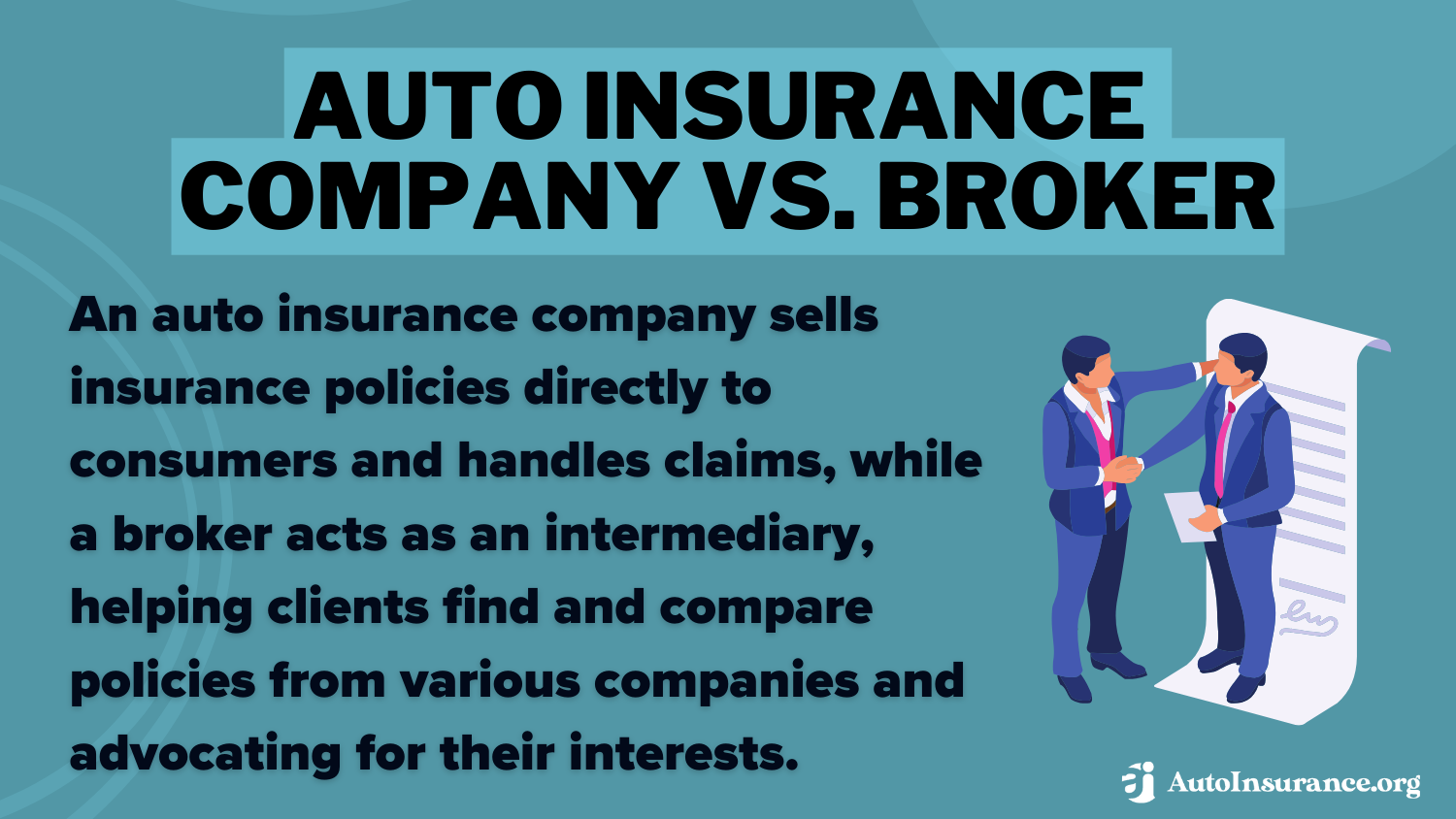
Auto Insurance Company vs. Broker: Differences Explained in 2026 (Key Points Outlined)
-
Dec 2024
Is it illegal to drive barefoot?
-
Dec 2024
Do you need proof of insurance to transfer a car title?
-
Aug 2025
Salvage Titles Explained (2026 Detailed Guide)
-
Jul 2026
FR-44 Auto Insurance in 2026 (Get the Facts)
Get a FREE Quote in Minutes
Insurance rates change constantly — we help you stay ahead by making it easy to compare top options and save.