10 Best Auto Insurance Companies According to Consumer Reports in 2026
Erie, USAA, and Nationwide are the best auto insurance companies according to Consumer Reports, with rates starting at $49 per month. Consumer Reports rates each of the best companies highly for customer service and financial strength, giving drivers strong choices for coverage, price, and service.
Read more





Find the Lowest Car Insurance Rates Today
Quote’s drivers have found rates as low as $42/month in the last few days!




Table of Contents
Table of Contents

Feature Writer
Rachel Bodine graduated from college with a BA in English. She has since worked as a Feature Writer in the insurance industry and gained a deep knowledge of state and countrywide insurance laws and rates. Her research and writing focus on helping readers understand their insurance coverage and how to find savings. Her expert advice on insurance has been featured on sites like PhotoEnforced, All...
Rachel Bodine

Managing Editor
Aleksandra J. Churlinov holds a Bachelor of Arts in English Language and Literature and a Master of Science in Marketing Management. Over the past six years, Aleks has focused on the insurance sector, working on a range of content, including business, auto, and life insurance. In April 2025, she stepped into the role of Managing Editor, where she now leads a team of talented insurance writers. ...
Aleksandra J. Churlinov

Licensed Insurance Agent
Brad Larson has been in the insurance industry for over 16 years. He specializes in helping clients navigate the claims process, with a particular emphasis on coverage analysis. He received his bachelor’s degree from the University of Utah in Political Science. He also holds an Associate in Claims (AIC) and Associate in General Insurance (AINS) designations, as well as a Utah Property and Casual...
Brad Larson
Updated September 2026
The best auto insurance companies according to Consumer Reports are Erie, USAA, and Nationwide, with USAA offering the lowest rates at $588 a year.
- Consumer Reports rates insurers on claims, service, strength, and value
- USAA offers the lowest coverage starting at $49 per month
- Drivers can save with discounts, policy updates, and rate comparisons
Erie ranks as the top pick overall for its strong value, reliable coverage, excellent customer service, and competitive rates for many drivers.
USAA provides excellent value for eligible military families with affordable rates, reliable coverage, and strong customer service.
Top 10 Companies: Best Auto Insurance Companies According to Consumer Reports
| Company | Rank | Claims Satisfaction | AM Best | Best for |
|---|---|---|---|---|
 | #1 | 743 / 1,000 | A | Policy Value |
 | #2 | 741 / 1,000 | A++ | Military Focus |
 | #3 | 729 / 1,000 | A+ | Usage-Based Rates |
 | #4 | 718 / 1,000 | A+ | Customer Satisfaction |
 | #5 | 716 / 1,000 | A+ | Agent Network |
 | #6 | 711 / 1,000 | A++ | Claims Service |
 | #7 | 697 / 1,000 | A++ | Digital Experience |
 | #8 | 693 / 1,000 | A+ | Coverage Add-Ons |
 | #9 | 691 / 1,000 | A++ | Policy Customization |
 | #10 | 673 / 1,000 | A+ | High-Risk Drivers |
Nationwide stands out for usage-based rates and flexible coverage options that help drivers tailor policies to their needs and budget.
Its usage-based program can help safe drivers save based on their driving habits. Compare rates, coverage, discounts, and service to find the right insurer. Use our auto insurance quote tool to find providers that fit your needs.
Compare Consumer Reports Auto Insurance Rates
Rates among top car insurers vary by coverage level, so reviewing minimum coverage and full coverage auto insurance rates can help drivers find lower premiums.
USAA offers the lowest average rates at $49 per month for minimum coverage and $112 for full coverage, making it the strongest choice for eligible military families.
Auto Insurance Monthly Rates by Provider & Coverage Level
| Insurance Company | Minimum Coverage | Full Coverage |
|---|---|---|
| $78 | $175 |
| $61 | $140 |
| $52 | $120 |
| $56 | $128 |
| $55 | $126 |
| $63 | $151 |
| $71 | $126 |
| $59 | $133 |
| $70 | $160 |
| $49 | $112 |
Auto-Owners has the next-lowest minimum coverage rate at $52 per month, followed by Geico at $55 and Erie at $56. State Farm also stays below $60 per month, with minimum coverage at $59.
For full coverage, Auto-Owners has the second-lowest rate at $120 per month. Geico and Progressive tie at $126, while Erie follows closely at $128 per month.
Rates vary by provider and coverage level, so compare identical limits before you choose. For example, check the added cost of full coverage to see which insurer offers better value.Kristen Gryglik Licensed Insurance Agent
Allstate costs the most, at $78 per month for minimum coverage and $175 for full coverage. Costs vary by location, driving record, vehicle, and coverage limits.
Review rates from top-rated auto insurance companies based on the coverage level you need, since the lowest-cost insurer for minimum coverage may not always offer the same relative value for full coverage. See affordable coverage options with our free quote tool.
How Age & Gender Impact Consumer Reports Insurance Rates
Auto insurance rates by age and gender can vary because insurers use these factors to assess accident risk and potential claim costs.
Younger drivers generally pay more because they have less experience behind the wheel, but premiums may fall as they gain experience and keep their noses clean.
Gender may also affect premiums, especially for younger drivers, but its impact varies by insurer and state.
Compare rates from Consumer Reports insurers by age and gender to find a company that offers the best value for your driver profile.
How a Driving Record Affects Consumer Reports Auto Insurance Costs
Your driving record can significantly affect your car insurance costs because insurers use your accident and violation history to assess the risk of future claims.
Accidents, speeding tickets, and other traffic violations often lead to higher premiums because they can indicate a greater risk of future claims.
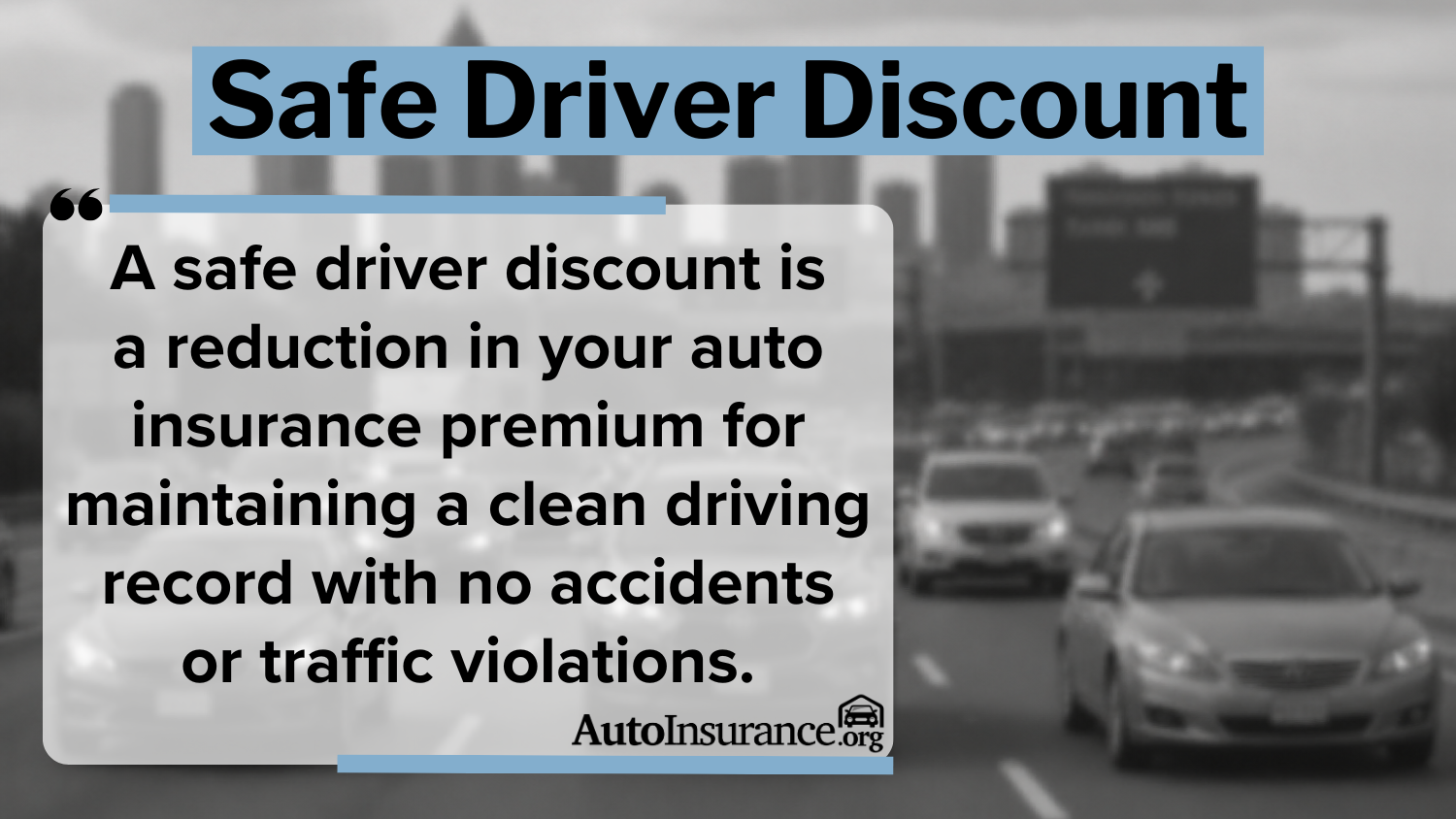
Drivers with clean records may qualify for lower premiums or safe-driver discounts, while serious or repeated violations can affect costs for several years.
Review Consumer Reports car insurers to find cheap auto insurance after an accident, since rates for accidents and other violations can vary by insurer.
How Credit Scores Affect Consumer Reports Auto Insurance Premiums
Credit scores can affect car insurance premiums because many insurers use credit-based insurance scores to estimate the risk of claims.
Drivers with strong credit often pay lower premiums, while those with poor credit may face higher costs for similar coverage.
The effect varies by insurer and location because some states restrict or prohibit using credit information for car insurance pricing.
See how credit scores affect auto insurance rates to determine which Consumer Reports insurers may offer lower premiums for your credit level.
Consumer Reports Auto Insurance Costs Across the U.S.
Car insurance costs vary across the U.S. because each state has its own coverage requirements, insurance laws, claim patterns, and local risk factors.
Auto insurance rates by state may be higher in areas with more accidents, costly vehicle repairs, theft, severe weather, or expensive insurance claims.
A driver’s age, record, vehicle, coverage level, and credit history where permitted can also affect the price of a policy.
Consumer Reports notes that car insurers may charge different premiums for similar coverage across states, so reviewing state-specific costs can help drivers find affordable coverage in their area.
Free Insurance Comparison
Compare Quotes From Top Companies and Save
Consumer Reports’ Recommended Coverages
The right car insurance coverage can protect you from major out-of-pocket costs after an accident or other covered loss, while the average cost of auto insurance can help you set a realistic budget for coverage.
When you build your policy, consider each coverage type, along with appropriate limits and deductibles.
- Collision Coverage: Pays to repair or replace your vehicle after an accident with another vehicle or object, regardless of fault.
- Comprehensive Coverage: Covers damage from theft, vandalism, fire, hail, falling objects, and other non-collision events.
- Liability Coverage: Pays for injuries and property damage you cause to others in a covered accident and is required in most states.
- Medical Payments (MedPay): Helps pay medical expenses for you and your passengers after a covered accident, regardless of who caused it.
- Uninsured/Underinsured Motorist Coverage: Covers your injuries and, in some states, vehicle damage if you’re hit by a driver with little or no insurance.
Choose coverage limits based on the financial protection you need and deductibles based on what you can afford to pay after a claim.
Liability limits are especially important for serious accidents, while collision and comprehensive deductibles directly affect both your premium and out-of-pocket costs.
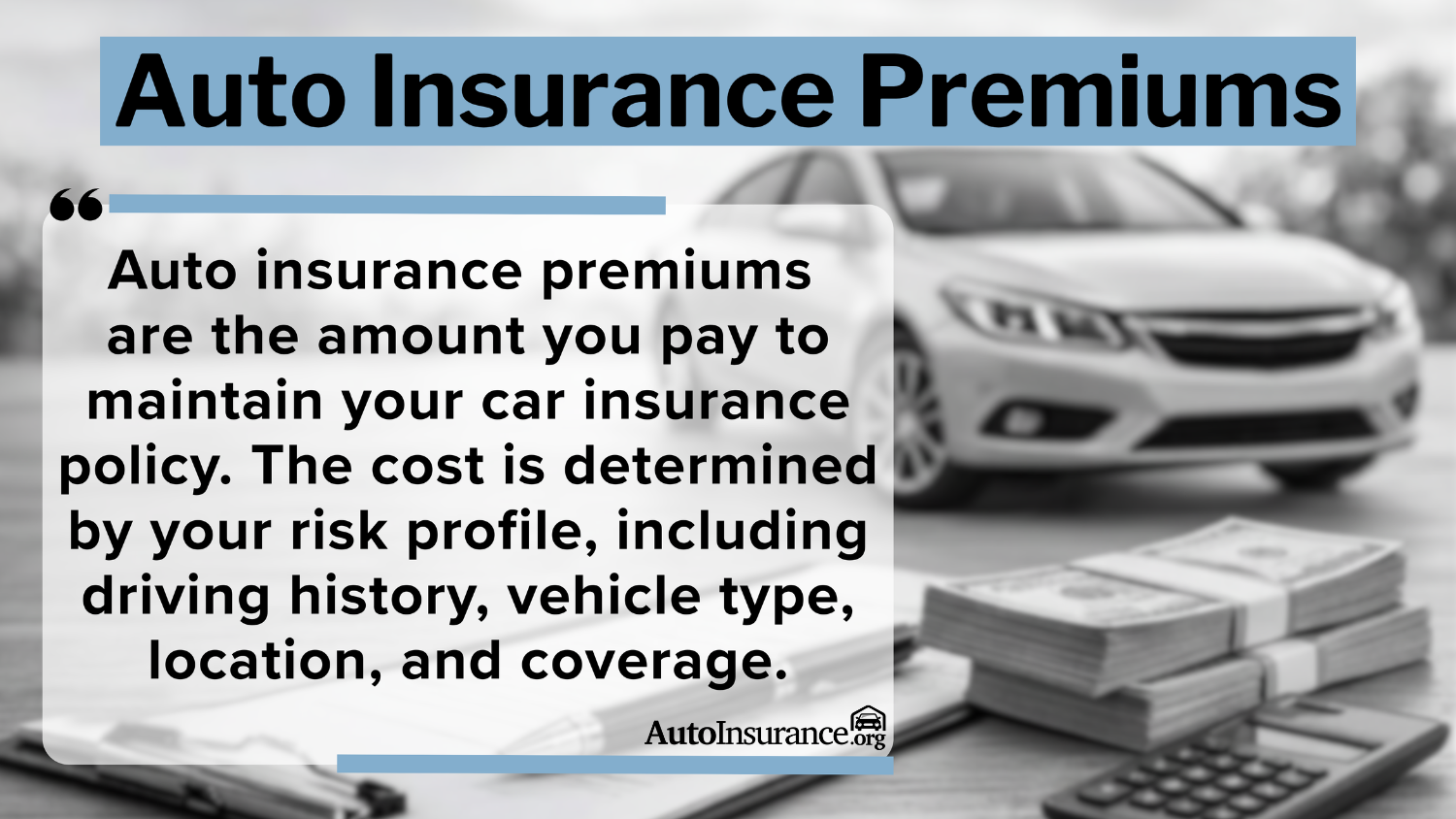
Pay attention to coverage when it matters most and to how limits and deductibles affect your security.
Examine these factors closely to select coverage that meets your requirements and minimizes out-of-pocket costs after a claim.
How to Pick the Best Car Insurance Company for You
The best car insurance company depends on your coverage needs, budget, and driver profile. Premiums can also vary widely between insurers for the same driver.
Price matters, but service, discounts, and financial strength also affect policy value. Use these five steps to find the best car insurance company for you:
- Decide how much coverage you need. Review key coverage options, then choose limits and deductibles that fit your budget.
- Compare quotes from multiple insurers. Get quotes from at least three companies with the same coverage and deductibles to find the best value.
- Check customer and claims ratings. Compare customer satisfaction, claims service, policy value, and financial strength to find a reliable insurer.
- Review available discounts. Check for safe-driver, multi-policy, low-mileage, and other discounts that can help lower your premium.
- Choose the best overall policy. Compare premiums, coverage, discounts, exclusions, and service to find the insurer that best fits your needs and budget.
The cheapest insurer may not always provide the best value, so consider coverage, service, and claims support along with price.
Before you buy, review your policy limits, auto insurance deductibles, exclusions, and final premium to avoid coverage gaps.
When you compare options, consider your vehicle, driver profile, and budget. Your coverage needs and priorities can help you choose the right insurer.
Review your policy and compare quotes regularly to keep the right coverage at a competitive price.
Ways to Save With Consumer Reports’ Top Auto Insurers
The highest-rated auto insurance companies help drivers save in more ways than standard discounts.
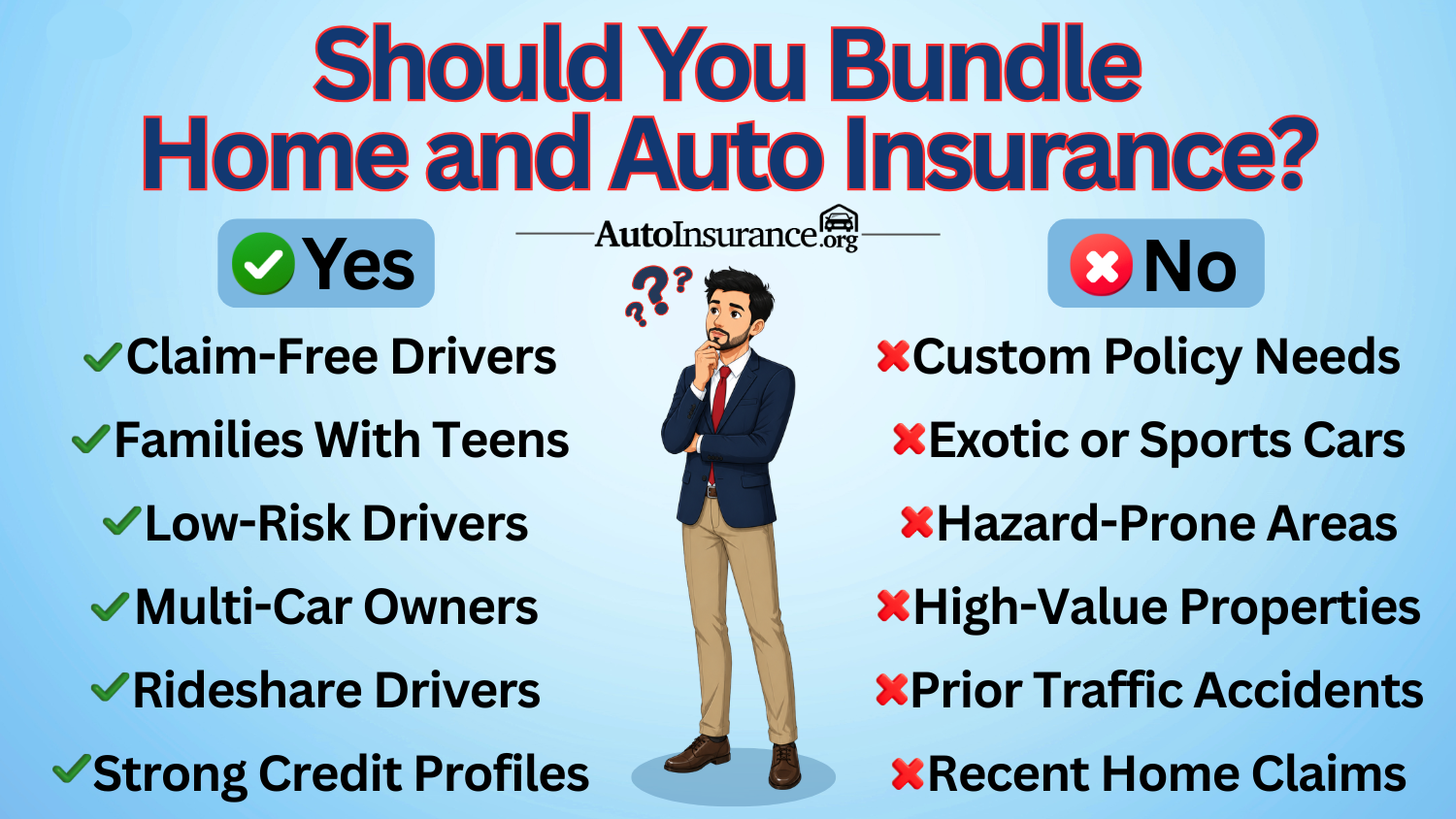
Insurers with strong home and car insurance company ratings may offer discounts for safe driving, bundling, and low mileage.
- Choose a Higher Deductible: If you are comfortable spending more out of pocket for a covered claim, this also lowers your guaranteed monthly premium.
- Complete a Defensive Driving Course: Finishing an approved driving course may qualify you for discounts while reinforcing safe driving habits.
- Maintain Good Credit: In most states, a higher credit-based insurance score can help you qualify for lower premiums.
- Pay Your Premium in Full: Paying your policy upfront instead of monthly installments may earn you a paid-in-full discount.
- Review Your Policy Annually: Reviewing your coverage annually can assist you with adjusting it, decreasing costs, and keeping yourself properly insured.
Choosing the right company means looking beyond advertised discounts to find savings that fit your driving needs and budget.
There are many ways to lower your premium, including simple policy changes and discounts you can get by staying with the same insurer.
Top Auto Insurance Discounts from Consumer Reports
| Company | Anti-Theft | Bundling | Good Driver | Low Mileage |
|---|---|---|---|---|
| 10% | 22% | 25% | 30% |
| 18% | 20% | 25% | 25% |
| 12% | 16% | 25% | 30% |
| 15% | 15% | 23% | 30% |
| 25% | 25% | 26% | 30% |
| 5% | 19% | 40% | 40% |
| 25% | 15% | 30% | 30% |
| 15% | 26% | 25% | 30% |
| 15% | 11% | 10% | 20% |
| 15% | 9% | 30% | 20% |
Raising your deductible, paying your policy in full, maintaining good credit, completing a defensive driving course, and reviewing your coverage each year can all help reduce costs.
Combined with discounts from affordable auto insurance companies, these strategies can lower costs without reducing essential protection.
After reviewing the available discounts and savings opportunities, take time to evaluate your policy regularly.
Small changes can lead to significant long-term savings when paired with an insurer that offers low premiums, strong claims service, and coverage that meets your needs.
Free Insurance Comparison
Compare Quotes From Top Companies and Save
10 Best Auto Insurers According to Consumer Reports
These companies rank among the best because they provide dependable coverage, strong claims support, solid customer service, and good overall policy value.
Choosing a highly rated insurer, including the largest auto insurance companies in the U.S., can help drivers find reliable coverage and premiums that fit their budget.
#1 – Erie: Top Pick Overall
Pros
- Strong Policy Value: Erie combines reliable coverage, quality service, and competitive premiums to provide strong overall value.
- Affordable Rates: Erie averages $56 per month for minimum coverage and $128 for full coverage, as explained in our review of Erie insurance.
- Local Expertise: Erie gives policyholders access to local agents who can help with coverage choices, policy changes, and claims.
Cons
- Limited Availability: Erie sells car insurance in fewer states than major national insurers, which limits access for some drivers.
- Fewer Digital Tools: Erie offers fewer online and mobile policy tools than insurers with a stronger digital focus.
#2 – USAA: Best for Military Focus
Pros
- Military Savings: USAA has the lowest listed premiums, starting at $49 per month for minimum coverage and $112 for full coverage.
- Deployment Flexibility: Our review of USAA covers policy options designed for military members and their families.
- Claims Support: Consumer Reports gives USAA high marks for customer service, while its claims support adds value for eligible members.
Cons
- Membership Rules: USAA primarily serves eligible military members, veterans, and their families, so coverage is not available to everyone.
- Regional Agent: Drivers who prefer face-to-face service may find fewer local options than with insurers that have large agent networks.
#3 – Nationwide: Best for Usage-Based Rates
Pros
- Telematics Savings: Nationwide’s SmartRide program can reward safer driving habits with a lower premium.
- Safe Driver Rewards: SmartMiles offers pay-per-mile coverage for low-mileage drivers. Learn more in our guide: Nationwide Auto Insurance Review
- Flexible Pricing: Nationwide offers usage-based pricing that can better match how much and how safely you drive.
Cons
- Driving Monitoring: SmartRide monitors driving behavior, which may not appeal to drivers who prefer not to share driving data.
- Limited Savings: SmartRide savings depend on driving behavior, while program availability and features can differ by state.
#4 – Amica: Best for Customer Satisfaction
Pros
- Customer Satisfaction: Amica has a long record of high claims satisfaction among Consumer Reports members.
- Member Benefits: Eligible policyholders may receive 5%–20% of their annual premium back through Amica’s dividend policies.
- Claims Excellence: StreetSmart by Amica can cut premiums by up to 20% based on driving habits, a strength also highlighted in our review of Amica.
Cons
- Limited Discounts: Dividend policies aren’t available in every state or for every policy type, which limits access to one of Amica’s distinctive benefits.
- Six-Month Term: Amica has moved car policies to six-month terms in many states, so drivers may face more frequent renewals than with a 12-month policy.
#5 – State Farm: Best for Agent Network
Pros
- Large Agent Network: State Farm has a large network of local agents who can help drivers choose coverage, update policies, and handle insurance questions.
- Claims Experience: State Farm offers a reliable agent and claims support for drivers who prefer direct assistance. Read More: State Farm Insurance Review
- Discount Opportunities: Drivers may qualify for savings based on safe driving, vehicle safety features, policy bundles, and other factors.
Cons
- Rate Increases: State Farm premiums can rise after accidents, tickets, or other changes to a driver’s risk profile.
- Fewer Digital Tools: Drivers who prefer online service may find State Farm’s agent-focused approach less convenient.
#6 – Auto-Owners: Best for Claims Service
Pros
- Claims Satisfaction: Auto-Owners provides reliable claims support through its independent agent network, as detailed in our Auto-Owners insurance review.
- Regional Expertise: Policies are sold through local independent agents who can help with coverage questions, policy changes, and claims.
- Optional Coverages: Drivers can add options such as roadside assistance, rental car coverage, and diminished value coverage.
Cons
- Limited Brand Reach: Auto-Owners doesn’t sell car insurance nationwide; its coverage isn’t available in every state.
- Agent-Only Quotes: Instead of completing the entire process online, drivers usually must contact an independent agent for a quote.
#7 – Geico: Best for Digital Experience
Pros
- Digital Convenience: Consumer Reports recognizes Geico for its easy-to-use online tools, mobile app, and fast policy management. Discover More: Geico Auto Insurance Review
- Nationwide Access: Geico offers policies in nearly every state, giving drivers broad availability, according to Consumer Reports.
- Strong Discounts: Consumer Reports highlights Geico for its range of discounts, which can help eligible drivers save on car insurance.
Cons
- Premium Increases: According to Consumer Reports, the extent of the increase in premiums will depend on your driving record after an accident or traffic violation.
- Coverage Varies: Consumer Reports notes that some optional coverages and add-ons vary by state, so drivers may have fewer choices depending on where they live.
#8 – Allstate: Best for Coverage Add-Ons
Pros
- Strong Add-Ons: Drivers can choose from features like accident forgiveness and new car replacement, according to Consumer Reports.
- Flexible Protection: Consumer Reports highlights Allstate for its wide range of coverage options, which gives drivers more flexibility to customize a policy.
- Accident Support: Allstate offers reliable claims support and accident resources, with positive Consumer Reports ratings, a benefit highlighted in our Allstate insurance review.
Cons
- Costly Full Coverage: Consumer Reports indicates full coverage averages $175 per month, making it one of the more expensive options in this comparison.
- Agent Dependence: Some policy changes and coverage decisions may still require working with an agent, based on Consumer Reports.
#9 – Travelers: Best for Policy Customization
Pros
- Policy Customization: Travelers offers optional coverages that let drivers tailor their policies to their specific needs.
- Strong Endorsements: Travelers provides several optional policy add-ons for drivers seeking broader protection. Our Travelers insurance review provides more details.
- Coverage Flexibility: Consumer Reports highlights Travelers for offering policy options that suit a wide range of drivers and vehicles.
Cons
- Mixed Value: Consumer Reports reports that many competitors offer similar coverage for lower average premiums.
- Limited Discounts: Travelers offers fewer discount opportunities than some higher-ranked competitors.
#10 – Progressive: Best for High-Risk Drivers
Pros
- High-Risk Options: Progressive can be a practical choice for drivers with accidents, tickets, or other factors that may increase premiums.
- Affordable Full Coverage: Full coverage averages $126 per month, which gives drivers broader protection without one of the highest rates in our comparison. See real-time rates in our Progressive insurance review.
- Snapshot Savings: Progressive’s Snapshot program bases rates on driving habits, and customers who earn a discount save an average of $328 per year.
Cons
- Savings Vary: Snapshot discounts depend on individual driving habits and results vary.
- Program Restrictions: Snapshot is unavailable in California and may not be available through every Progressive agent, which limits access for some drivers.
Find the Best Consumer Reports Auto Insurers
Erie, USAA, and Nationwide lead the best auto insurance companies according to Consumer Reports, with coverage available from $49 per month.
Erie ranks among the car insurance companies with the highest customer satisfaction due to its dependable claims support, competitive premiums, and broad policy options.
Consumer Reports helps compare insurers, but rates vary by driver. For example, use its ratings to shortlist insurers, then compare quotes.Daniel Walker Licensed Insurance Agent
USAA combines low premiums with reliable claims service and valuable policy benefits tailored to eligible military members and their families.
Nationwide gives drivers flexible coverage choices, multiple discounts, and usage-based options that can help lower their auto insurance premium.
Review each insurer’s premiums, coverage, discounts, claims support, and eligibility requirements to find the best-rated car insurance providers for your needs.
Your best choice depends on your driving record, location, vehicle, and coverage needs. Check limits, deductibles, and discounts before you choose a policy.
Rates can differ widely between insurers, so getting several quotes can help you find dependable coverage at a price that fits your budget.
The right car insurance may cost less than you think. Check car insurance prices from top insurers.
Frequently Asked Questions
What are the top-rated auto insurance companies?
Consumer Reports ratings show Erie, USAA, and Nationwide as the top-rated auto insurance companies. Erie tops the list for service and value, USAA for inexpensive military coverage, and Nationwide takes top honors in convenience and flexible, usage-based options.
Which best car insurance Consumer Reports companies offer the lowest rates?
USAA offers the lowest rates among the best car insurance companies, according to Consumer Reports, with minimum coverage at $49 per month and full coverage at $112 per month. Erie and State Farm offer competitive auto insurance for different types of drivers, with rates based on profile and coverage.
How do auto insurance customer satisfaction ratings affect insurer rankings?
Consumer Reports car insurance ratings consider customer satisfaction factors such as claims service, customer support, policy value, and overall experience. Higher satisfaction scores can help insurers rank above competitors with similar rates and coverage when you evaluate where to compare auto insurance rates.
Does Consumer Reports provide insurance reviews for auto insurers?
Yes, Consumer Reports provides car insurance company reviews that rate companies on a variety of factors, including the claims process and policy values in relation to premiums paid. These reviews help drivers compare insurers beyond rates alone.
Evaluate quotes side by side before choosing a policy to see if you can pay less.
Why does car insurance customer satisfaction matter when choosing an insurer?
Car insurance customer satisfaction matters because reliable car insurance companies offer quality service and claims support. High satisfaction can indicate dependable claims and coverage support.
Why is car insurance financial strength important when choosing an insurer?
Car insurance company ratings for financial strength show an insurer’s ability to pay comprehensive auto insurance claims and meet financial obligations. Strong ratings from agencies such as A.M. Best can help you choose a reliable insurer with the resources to support policyholders after a loss.
How does Allstate rank in Consumer Reports insurance reviews?
Allstate performs well in Consumer Reports’ car insurance ratings for flexible coverage and discounts, with local agent support that can help drivers learn how to find auto insurance agents in your area, but its rates can be higher than competitors.
What does recommended car insurance coverage from Consumer Reports include?
Consumer Reports recommends car insurance coverage that includes liability, collision, comprehensive, and uninsured or underinsured motorist coverage. Drivers should choose coverage limits and deductibles based on their budget, the vehicle’s value, and their financial needs.
Get personalized insurance quotes that match your coverage needs and budget.
How does Auto-Owners Insurance Consumer Reports compare with other insurers?
Auto-Owners compares well with other Consumer Reports car insurers due to its competitive rates, dependable claims service, customer support, and local agent network. It stands out for drivers who prefer personalized service, but availability varies by state.
Are Geico insurance reviews from Consumer Reports positive?
Geico earns positive reviews for competitive rates, broad coverage, and online tools. Consumer Reports also reviews customer satisfaction, claims service, and policy value, while the top 7 factors that affect auto insurance rates explain premium costs.
Related Articles
-
Aug 2025

Best Auto Insurance for Engineers in 2026 (Top 9 Companies Ranked)
-
Sep 2026

Cheap Auto Insurance With No Down Payment: 10 Most Affordable Companies in 2026
-
Jun 2025
8 Best Auto Insurance Companies That Don’t Lobby (2026)
-
Aug 2026
Best Emergency Medical Services (EMS) Auto Insurance Discounts in 2026 (Save up to 15% With These Companies)
-
Dec 2024
Best Auto Insurance for Pizza Hut Delivery Drivers in 2026 (Find the Top 10 Companies Here)
-
Jun 2025
How to Buy a Car Directly From an Insurance Company in 2026 (5 Easy Steps to Follow)


Get a FREE Quote in Minutes
Insurance rates change constantly — we help you stay ahead by making it easy to compare top options and save.