How to Become an Auto Insurance Agent in 2026 (Follow These 6 Steps)
If you're wondering how to become an auto insurance agent, the first step is to check the educational and licensing requirements. For instance, it costs anywhere from $70 to $350 for everything you need to get a car insurance license. We'll overview some of the car insurance agent requirements below.
Read more





Table of Contents
Table of Contents

Insurance and Finance Writer
Alexandra Arcand is an outreach administrator and insurance expert located in North Central Ohio. She has a passion for writing, investing, and education. As an insurance content writer for over three years, Alexandra has first-hand experience in business finance, economics, and real estate. She leads an outreach writing team that specializes in travel, real estate, healthcare, law, finance, an...
Alexandra Arcand

Licensed Insurance Agent
Tim Bain is a licensed insurance agent with 23 years of experience helping people protect their families and businesses with the best insurance coverage to meet their needs. His insurance expertise has been featured in several publications, including Investopedia and eFinancial. He also does digital marking and analysis for KPS/3, a communications and marking firm located in Nevada.
Tim Bain
Updated January 2025
You can become an auto insurance agent by meeting education requirements, completing pre-licensing courses, passing the state exam, and applying for your license. From there, you can secure a job or start your own agency.
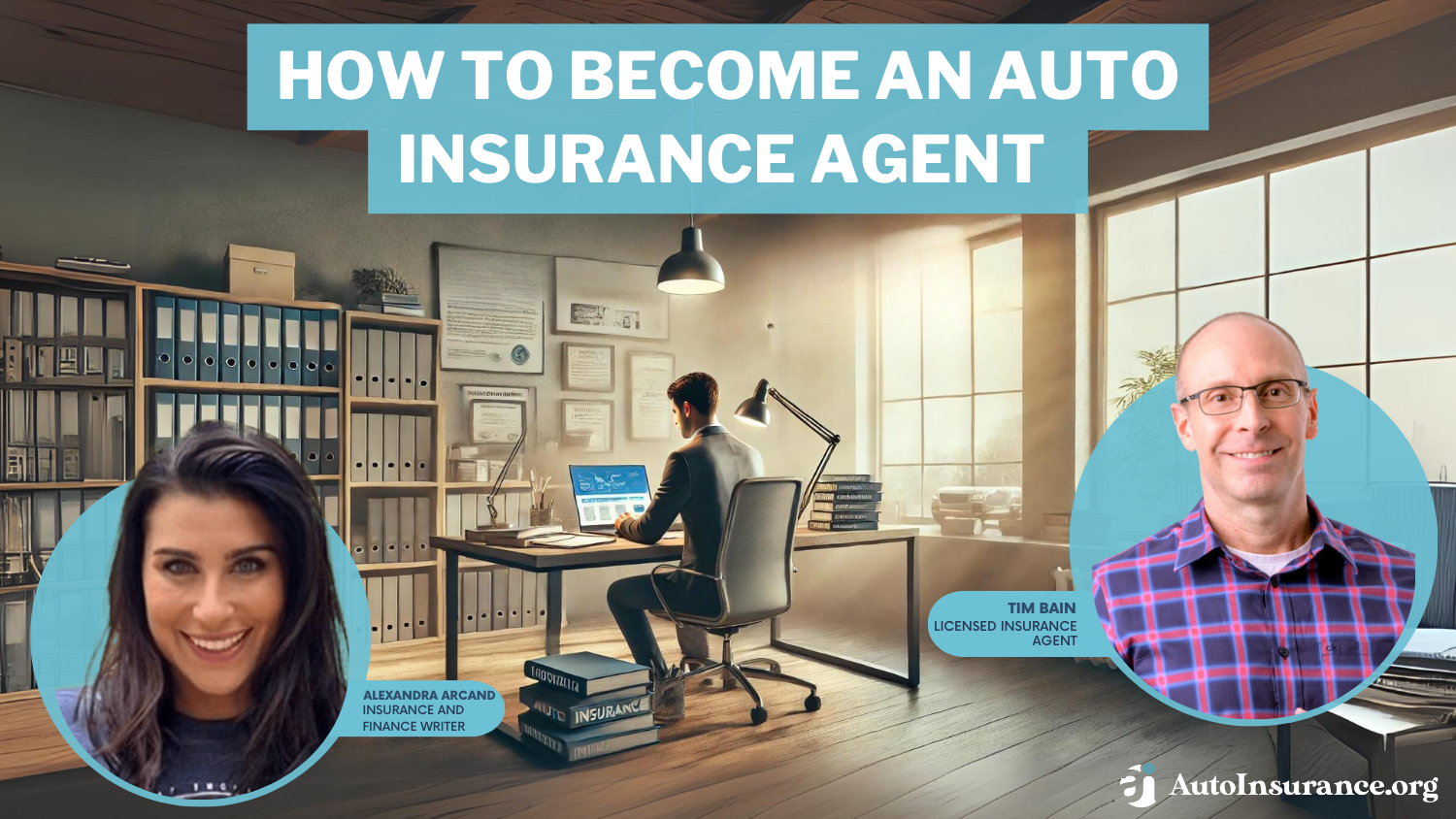
While most of the best auto insurance companies require either a degree in business or finance or a college-based insurance course certification, other companies prefer to do their own training and don’t require a degree.
Use our free search tool to find auto insurance quotes near you before learning how to become a car insurance agent.
- Step #1: Meet Education Requirements – Obtain a high school diploma or degree
- Step #2: Complete Pre-Licensing – Finish required insurance courses
- Step #3: Pass the Licensing Exam – Pass your state’s insurance exam
- Step #4: Apply for License – Submit your application to the state
- Step #5: Secure a Job or Start a Business – Find a job or start your own agency
- Step #6: Continue Education – Complete required continuing education
6 Steps to Become an Auto Insurance Agent
To become an auto insurance agent, you must follow these six 6 essential steps. First, you need to make sure you meet the basic education requirements, like having a high school diploma. Next, you’ll need to complete some pre-licensing courses that will teach you everything about insurance, state laws, and ethics. Once you’ve got that covered, it’s time to take your state’s licensing exam.
After passing the exam, you’ll apply for your insurance license through your state’s insurance department. The next step is finding a job or starting your own agency. Lastly, you’ll need to keep up with your education to maintain your license and stay on top of industry trends.
Step #1: Meet Education Requirements
You’ll need a certain baseline education to become a car insurance agent. Many people ask “Do you need a degree to be an insurance agent?” Some of the larger, national companies require a degree in business or finance in order to qualify. Others may accept a college course certification in the insurance field. This option may be met in two years or less, rather than the four years required for a degree.
Conversely, there is an abundance of companies that don’t require a degree or certification, and some even prefer agents without it. This is because they prefer to train agents themselves so that the prospective agent learns to do business the way the company does instead of the way learned at a college or university.
Companies that provide on-the-job training provide the distinctive advantage of being able to start earning right away while learning about the different types of auto insurance. The time you invest in training and qualifying for the license is also time spent earning money and gaining experience as an agent.
The key is to gain a basic understanding of the factors that affect auto insurance rates and how the insurance system supports drivers. This knowledge will help in becoming an independent insurance agent or any other role.
Step #2: Complete Pre-Licensing Courses
Before you can sit for the licensing exam, most states require aspiring auto insurance agents to complete pre-licensing education. The necessary coursework usually covers insurance policies, state laws, and ethics. These courses may be available through online platforms, community colleges, or approved training institutions, and the number of required hours varies by state.
In New York, for example, you must complete 20 hours of pre-licensing education for a Property and Casualty (P&C) insurance license, which covers auto insurance. This course covers important areas like auto insurance principles, New York auto insurance laws, and agent responsibilities.
While the training can be intensive, it ensures you’re well-prepared for the challenges of the insurance field.
Completing the coursework also allows you to connect with industry professionals and build a network that could be valuable later in your career.
Once you’ve completed the required pre-licensing education, you’ll receive an auto insurance certification that allows you to take the state licensing exam.
Step #3: Pass the Licensing Exam
After completing the pre-licensing courses, the next step is to pass your state’s insurance licensing exam. This exam tests your knowledge of insurance products, including what is covered by auto insurance, as well as legal requirements and agent responsibilities. It’s typically a multiple-choice test, and most states provide practice exams to help you prepare. The exam fee runs anywhere from $40-150.
Many candidates choose to take exam prep courses, which offer tips and strategies to pass on the first attempt.
If you don’t pass the exam initially, don’t worry. Most states allow retakes, although there may be waiting periods between attempts.
Passing the exam is a key milestone, as it officially certifies you to become a licensed insurance agent in your state.
Step #4: Apply for Your Insurance License
Once you’ve passed the exam, the next step is applying for your auto insurance agent license through your state’s insurance department. This process generally requires submitting an application, paying a fee, and undergoing a background check. Some states, such as California, may ask for fingerprinting as part of the screening process.
How to Become an Auto Insurance Agent: Licensing Requirements by State
| State | Background Check | Pre-Exam Hours | Pass Exam First |
|---|---|---|---|
| Alabama | ✅ | 40 | ✅ |
| Alaska | ✅ | 20 | ✅ |
| Arizona | ✅ | 48 | ✅ |
| Arkansas | ✅ | 40 | ✅ |
| California | ✅ | 52 | ✅ |
| Colorado | ✅ | 50 | ✅ |
| Connecticut | ✅ | 40 | ✅ |
| Delaware | ✅ | 20 | ✅ |
| Florida | ✅ | 40 | ✅ |
| Georgia | ✅ | 40 | ✅ |
| Hawaii | ✅ | 40 | ✅ |
| Idaho | ✅ | 40 | ✅ |
| Illinois | ✅ | 20 | ✅ |
| Indiana | ✅ | 20 | ✅ |
| Iowa | ✅ | 36 | ✅ |
| Kansas | ✅ | 40 | ✅ |
| Kentucky | ✅ | 40 | ✅ |
| Louisiana | ✅ | 40 | ✅ |
| Maine | ✅ | 40 | ✅ |
| Maryland | ✅ | 40 | ✅ |
| Massachusetts | ✅ | ❌ | ✅ |
| Michigan | ✅ | 40 | ✅ |
| Minnesota | ✅ | 20 | ✅ |
| Mississippi | ✅ | 40 | ✅ |
| Missouri | ✅ | ❌ | ✅ |
| Montana | ✅ | ❌ | ✅ |
| Nebraska | ✅ | 40 | ✅ |
| Nevada | ✅ | 20 | ✅ |
| New Hampshire | ✅ | ❌ | ✅ |
| New Jersey | ✅ | 20 | ✅ |
| New Mexico | ✅ | ❌ | ✅ |
| New York | ✅ | 40 | ✅ |
| North Carolina | ✅ | 20 | ✅ |
| North Dakota | ✅ | ❌ | ✅ |
| Ohio | ✅ | 20 | ✅ |
| Oklahoma | ✅ | ❌ | ✅ |
| Oregon | ✅ | 20 | ✅ |
| Pennsylvania | ✅ | 24 | ✅ |
| Rhode Island | ✅ | ❌ | ✅ |
| South Carolina | ✅ | ❌ | ✅ |
| South Dakota | ✅ | 20 | ✅ |
| Tennessee | ✅ | 20 | ✅ |
| Texas | ✅ | 20 | ✅ |
| Utah | ✅ | 40 | ✅ |
| Vermont | ✅ | 20 | ✅ |
| Virginia | ✅ | ❌ | ✅ |
| Washington | ✅ | 20 | ✅ |
| West Virginia | ✅ | 20 | ✅ |
| Wisconsin | ✅ | 20 | ✅ |
| Wyoming | ✅ | ❌ | ✅ |
Depending on your state, the application process can take anywhere from a few days to a few weeks. Once your application is approved, you’ll be officially licensed to sell auto insurance and other types of coverage (depending on your license type).
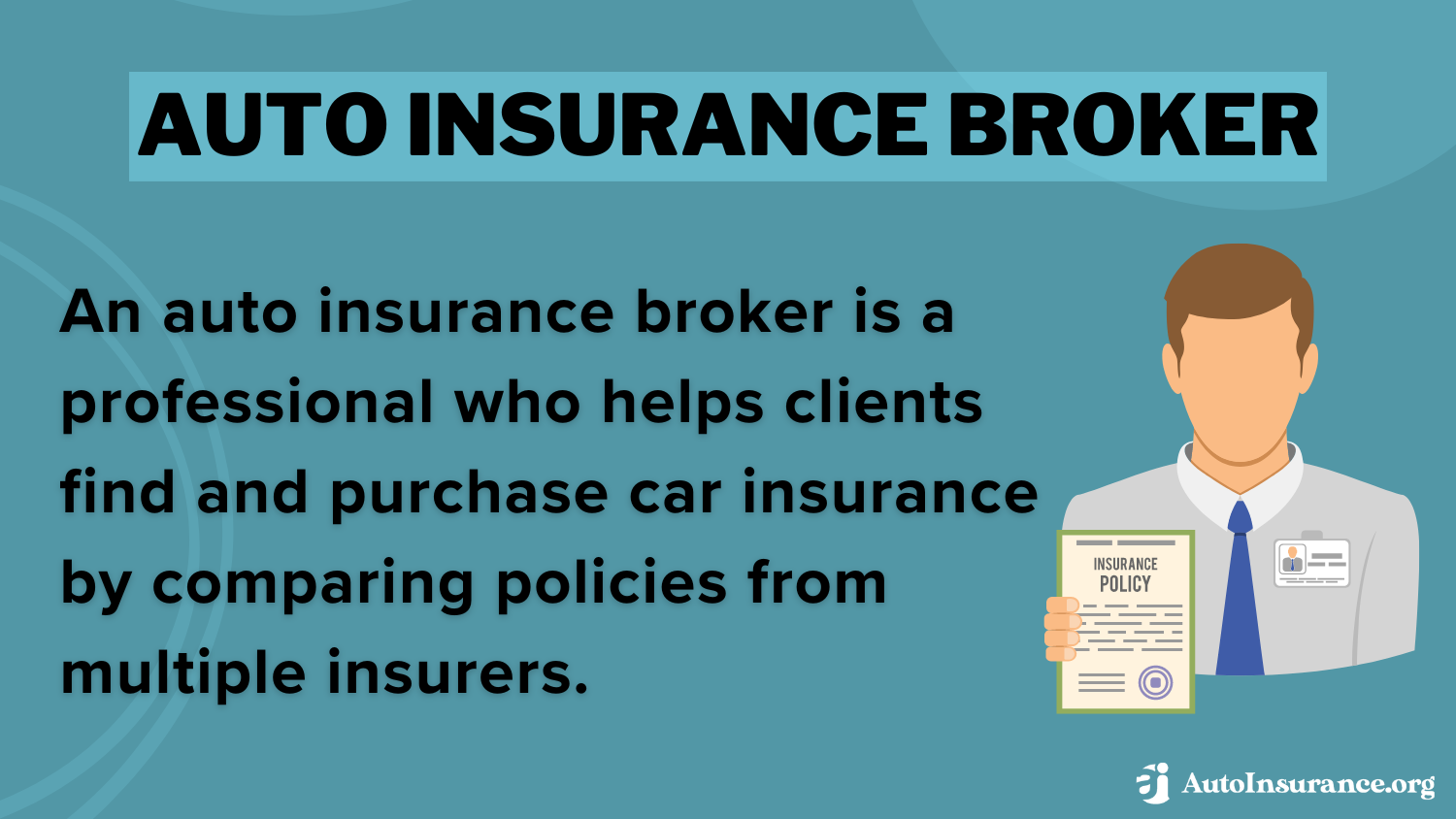
Note that an insurance agent and an insurance broker are different roles; for more details, check out our article “Auto Insurance Broker Defined.”
Step #5: Secure a Job or Start Your Own Agency
With your license in hand, you can now look for job opportunities in the insurance industry. Many agents start by working for a national insurance company like State Farm, Geico, or Allstate, while others prefer to join smaller independent agencies. Finding a position that aligns with your career goals and offers room for growth is key.
Read More: Best Auto Insurance Companies According to Consumer Reports
You could start your own insurance agency if you prefer more control and flexibility. Running your own business gives you the freedom to build your brand, set your hours, and choose the types of clients you want to serve.
We’d like to point out that, starting a car insurance business or starting an auto insurance company, the process involves additional considerations and planning.
Step #6: Maintain Your License and Continue Your Education
Most states require continuing education (CE) credits to renew your license, typically every two years. CE courses can be taken online or through industry conferences, and they often focus on new laws, emerging trends, and advanced insurance concepts.
Regularly completing continuing education ensures you remain compliant with state regulations and helps you stay competitive in the insurance market.Jimmy McMillan Licensed Insurance Agent
Furthering your knowledge can also open doors to advanced roles, such as a senior agent or a branch manager.
Free Insurance Comparison
Compare Quotes From Top Companies and Save
How Much Auto Insurance Agents Earn
How much do auto insurance agents make? The median annual wage for insurance sales agents as of May 2021 was $49,840. However, the actual earnings are really up to each agent, since auto insurance agents are usually paid on a commission basis. While some companies offer a base salary, it’s generally minimal, and the agent will need to sell policies to earn enough money.
So, how much does a car insurance agent make from commissions? The average commission for car insurance brokers is 15-20%, and some companies also offer annual bonus incentives.
Another factor in salary is the type of agent you choose to be:
- Captive Agents: Captive agents sell for only one company. That company may pay a base salary plus commission, and the agent can qualify for annual company bonuses. They represent a specific brand and their advertising would promote that brand.
- Independent Agents: Independent agents sell insurance for a variety of companies. They basically do comparison shopping for their clients to find the best rates and coverage. They create their own brand and usually get higher commissions, but they don’t receive a base salary or employee benefits.
Both types of agent positions have pros and cons, and ultimately, how much licensed insurance agents make depends on their sales strategy and the type of agent they choose to be.
More About Becoming an Auto Insurance Agent
Armed with the educational requirements for your state and the company you’re interested in being an agent for, you’re free to start the process for qualifying. If the company prefers on-the-job training, you can “earn while you learn.” Expect to pay between $70 and $350 for the exam, background check, and car insurance license, depending on the state you’ll operate in.
Commission-based earnings allow you relative freedom over your finances, and the choice between being a captive or independent agent gives you control over how you earn.
If you’re ready to be an insurance agent and want to learn more about rates, entering your ZIP code below gives you access to fast and free auto insurance quotes from America’s top providers.
Frequently Asked Questions
How do you become an insurance agent?
To become an auto insurance agent, start by researching the specific requirements in your state. If on-the-job training is preferred, you can apply directly to the best auto insurance companies that offer auto insurance brokers‘ training programs. Expect to pay exam and licensing fees, which vary by state. The choice between being a captive or independent agent will also impact how you pursue your career.
Can I sell other types of insurance as an auto insurance agent?
Yes, many auto insurance agents have the opportunity to sell other types of insurance as well. This can include homeowners insurance, renters insurance, commercial insurance, and more. Expanding your product offerings can help you serve a broader range of clients and increase your earning potential.
Are there professional organizations for auto insurance agents?
Yes, there are professional organizations and associations specifically for auto insurance agents. These organizations provide resources, networking opportunities, and professional development programs to support agents in their careers. Joining such associations can help you stay connected to the industry and access valuable resources.
Can I work as an auto insurance agent from home?
Yes, many auto insurance agents have the flexibility to work from home. With the advancements in technology and digital tools, it is possible to conduct most of your agent activities remotely. However, some agents may still prefer to have a physical office or meet clients in person, depending on their business model and client preferences.
Are there opportunities for career advancement as an auto insurance agent?
Yes, there are opportunities for career advancement as an auto insurance agent. As you gain experience and establish a successful track record, you may have the chance to move into leadership or management roles within your agency or insurance company. You can also explore specialized areas of insurance or consider starting your own agency.
Read More: Auto Insurance Company vs. Broker: Differences Explained
Do auto insurance agents need to renew their licenses?
Yes, auto insurance agents need to renew their licenses periodically. The specific renewal requirements vary by state, but they typically involve completing continuing education courses and paying renewal fees. Staying up to date with changes in the insurance industry through ongoing education is important for maintaining your license.
How much does it cost to become an insurance agent?
The cost to become an insurance agent varies by state but generally ranges from $70 to $350. This cost covers pre-licensing courses, the licensing exam, and the application fee.
How long does it take to get an insurance license?
The time it takes to get an insurance license can vary depending on your state and the processing speed of the insurance department. Typically, it can take from a few days to a few weeks after you’ve completed all the required steps.
What do you need to become an insurance agent?
To become an insurance agent, you generally need a high school diploma or equivalent, and you must complete state-specific pre-licensing courses. You’ll also need to pass a licensing exam and apply for your insurance license. Some positions may require additional certifications or degrees.
Additionally, it’s helpful to have a good understanding of auto insurance for different types of drivers, as this knowledge will assist you in advising clients on their best options and coverage needs.
How hard is it to become an insurance agent?
Becoming an insurance agent requires passing a licensing exam and meeting educational and pre-licensing requirements, which can be challenging. However, with proper preparation and study, most candidates find the process manageable.
How long does it take to make money as an insurance agent?
How much does it cost to get an insurance license in Texas?
Is it hard to make money as an insurance agent?
What disqualifies you from getting an insurance license in Texas?
What kind of insurance agent gets paid the most?
Related Articles
-
Oct 2024

Best 50’s Road Trip Playlists (2026)
-
Oct 2024
Tips for Driving in the Rain (2026)
-
Aug 2025
What age group has the most fatal crashes? (2026)
-
Dec 2024
Should you purchase auto insurance for a gift car?
-
Jan 2025
Left-Lane Driving Laws by State: What You Should Know (2026)
-
Dec 2024
Safest Highways by State (2026)





Get a FREE Quote in Minutes
Insurance rates change constantly — we help you stay ahead by making it easy to compare top options and save.