Auto Insurance Policy Number Defined 2026 (Full Explanation)
Auto insurance policy numbers uniquely identify your coverage and are vital for billing and claims. We’ll explain what these numbers mean and show you where to find them to make your insurance experience smoother. Learn how to quickly locate your policy number on documents or online for claims and updates below.
Read more





Table of Contents
Table of Contents

Feature Writer
Rachel Bodine graduated from college with a BA in English. She has since worked as a Feature Writer in the insurance industry and gained a deep knowledge of state and countrywide insurance laws and rates. Her research and writing focus on helping readers understand their insurance coverage and how to find savings. Her expert advice on insurance has been featured on sites like PhotoEnforced, All...
Rachel Bodine

Licensed Agent & Financial Advisor
Schimri Yoyo is a financial advisor with active insurance licenses in seven states and over 20 years of professional experience. During his career, he has held roles at Foresters Financial, Strayer University, Minnesota Life, Securian Financial Services, Delaware Valley Advisors, Bridgemark Wealth Management, and Fidelity. Schimri is an educator eager to assist individuals and families in ach...
Schimri Yoyo
Updated July 2026
An auto insurance policy number is a unique identifier that connects you directly to your coverage, essential for efficiently managing claims and billing within the types of auto insurance.
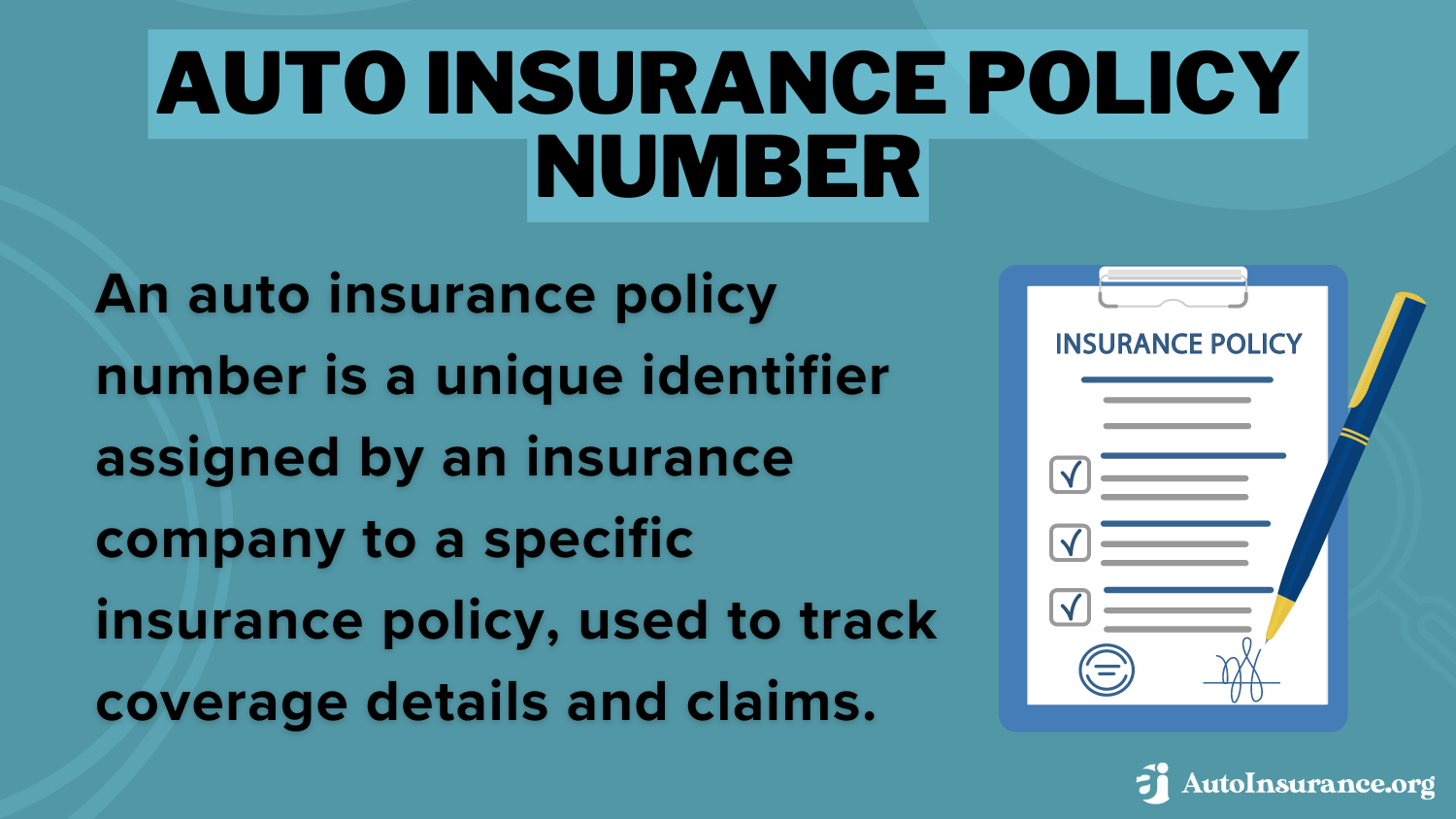
An auto insurance policy number is a unique identifier that links you directly to your insurance coverage, crucial for managing claims and handling billing efficiently.
This number, found on your ID cards, billing statements, and the policy declaration page, serves as a vital tool in streamlining your interactions with insurers. Understanding where to locate and how to use your policy number can significantly ease the process during claims or when updating your policy details.
Insurers utilize this number to customize rates and coverage options according to different criteria, enabling you to receive tailored insurance solutions when you search policy number.
Shop for the best liability-only car insurance with our free quote comparison tool. Enter your ZIP code above to begin.
- Learn to locate and use your auto insurance policy number effectively
- Simplifies claims and updates with your auto insurance policy number
- Auto insurance policy numbers are key for personalized rates
Auto Insurance Policy Number Meaning
Understanding your car insurance policy is important. Your policy contains an array of elements that make it specific to you. For instance, when you purchase a policy, you select dates, coverages, monetary limits, and applicable auto insurance discounts. These elements influence your monthly rates and the claim filing process, as illustrated in a car insurance number example.
So, what is a policy number for car insurance? Your account policy number is a unique identifier that links you and your coverage directly to the insurance company, functioning much like your social security number.
Free Insurance Comparison
Compare Quotes From Top Companies and Save
Where to Find Your Insurance Policy Number
Where can I find my car insurance policy number? Once you purchase an insurance policy, you will find your policy number in several locations. The most common areas include the declarations page, your auto insurance ID card, and billing invoices.
Declarations Page
Your policy number car insurance declarations page outlines the specifics of your policy, including comprehensive auto insurance coverage, and details the monthly and annual rates.
The declarations page is the first page in your auto insurance policy documentation. You’ll likely find the policy number at the very top on the right side.
You can think of this page as a summary of your insurance policy, and refer back to it for your policy number and information on deductibles and coverage.
Auto Insurance ID Card
Every insurance company designs its auto insurance ID cards differently, but there are certain elements you will find on them all. So how does proof of insurance look? These elements include:
- Name and Contact Information: Displays the name of the policyholder or covered individuals.
- Coverages: Lists active coverage types included in the policy.
- Policy Term Dates: Shows the start and expiration dates of the policy.
- Policy Number: Located near the top, this number uniquely identifies the policy.
- Vehicle Information: Details the make, model, and VIN of the insured vehicle.
Your car insurance policy card should be mailed to you shortly after you purchase a policy, although you can access it online right away. This availability prompts the question of where should you keep your auto insurance cards to ensure they are both secure and accessible.
Billing Invoices
Whenever you receive an invoice or mailer from your insurance company, your policy number will be prominently displayed at the top, including on invoices for your monthly policy rate, which are auto insurance usually billed a month in advance. You also have the option to go paperless and receive your bills via email.
Insurance Policy Numbers Differ by Provider
You may be asking, “How many digits is a policy number?” Every insurance company creates its own policy identifier method. Larger companies with more policyholders may need more digits to accommodate all the policies.
Understanding your auto insurance policy number is key to streamlining claims and managing your coverage efficiently.Laura Berry Former Licensed Insurance Producer
Some insurers use a sophisticated system that incorporates coding into the policy number, employing a combination of numbers and letters that may appear random but carry distinct significance for the insurer, known as the auto retention number. This tailored sequence is crucial in identifying the auto insurance policyholder.
Unless you are well-versed in the policy number guidelines of most policy numbers for insurance companies, you will find it challenging to identify a company by someone’s policy number. Sometimes companies use letters at the beginning of the policy number to identify the state of issuance, but the numbers that follow represent the policyholder more than the company.
Key Drivers Behind Your Auto Insurance Policy Numbers
Auto insurance policy numbers are shaped by numerous factors that directly impact the auto insurance premium and coverage specifics. Elements such as the driver’s age and the vehicle type insured are crucial in defining the details of your insurance policy.
Factors That Impact Your Auto Insurance Policy Number
| Factor | Description | Impact |
|---|---|---|
| Driver Age | The age of the insured driver | Younger drivers (under 25) typically have higher insurance rates due to inexperience, which can affect their policy terms and rates. |
| Annual Premium | The total yearly cost of the insurance policy | The amount you pay annually influences the specific policy structure and number, particularly if paid in full versus monthly payments. |
| Coverage Options | The amount of coverage chosen (liability, comprehensive, collision, etc.) | Higher coverage limits lead to higher premiums, while basic coverage can result in lower costs and different policy numbers. |
| Credit Score | The credit score of the insured driver | In some states, a higher credit score can result in lower premiums, while lower credit scores may increase the cost of insurance. |
| Eligible Discounts | Available discounts (e.g., good student, multi-policy, safe driver) | Discounts can reduce premiums and may be reflected in specific policy numbers or coverage plans. |
| Driving Record | History of traffic violations, accidents, and claims | A clean driving record can lead to lower premiums, while accidents and violations can increase policy costs and influence coverage limits. |
| Gender | The gender of the insured driver | Males, particularly young males, may have higher premiums due to higher accident risk compared to females in certain age groups. |
| Location | The ZIP code or state where the vehicle is registered and driven | Urban areas with higher crime rates or traffic congestion can increase premiums compared to rural areas. |
| Marital Status | The marital status of the insured driver (single, married, etc.) | Married drivers often receive lower premiums compared to single drivers, as they are considered less risky. |
| Annual Mileage | The average number of miles driven annually | Low mileage can lead to discounts, while high mileage may increase the risk profile, impacting the policy details. |
| Safety Features | Installed safety features like airbags, anti-theft systems, or collision avoidance systems | Cars with advanced safety features can receive discounts, affecting both premiums and the structure of the policy. |
| Vehicle Type | The make, model, and year of the insured vehicle | High-performance or luxury cars typically result in higher premiums, impacting the overall insurance policy and coverage options. |
Understanding the car insurance policy format and the factors that influence policy numbers and costs simplifies navigating the complexities of auto insurance. By considering these elements, you can customize your coverage to fit your needs and potentially secure lower premiums.
Free Insurance Comparison
Compare Quotes From Top Companies and Save
Difference Between a VIN and Insurance Policy Number
Are policy number and VIN number the same? No, your VIN and car insurance policy are different.
Every auto manufacturer assigns a vehicle identification number to each vehicle produced. It acts as a code that explicitly represents the vehicle. You’ll find the VIN for your vehicle under the windshield, typically on the driver’s side. It contains 17 numbers and letters with specific meanings:
- Distinct Functions: VINs identify vehicles, while policy numbers identify insurance coverage.
- Location and Composition: VINs are found under the windshield, containing 17 alphanumeric characters.
- VIN Details: The VIN includes codes for manufacturer, vehicle features, model, and specific vehicle identification.
- Purpose in Insurance: VINs are required when purchasing insurance but are distinct from policy numbers.
- Usage by Insurers: Some insurers may link your account number with your policy number, but it remains separate from the VIN.
While you must provide this number when purchasing a policy, it is not the same as a policy number.
The important takeaway is that your VIN will never be your policy number, but your insurance account number and policy number may be the same, depending on the company.
When buying an auto insurance policy, you must provide sensitive information, including your social security and bank details. Some insurers use an account number to keep this personal data separate from your policy information, while others use your policy number for all identification. This raises the question: does your car need to be registered to get auto insurance?
How to Use a Policy Number for Car Insurance After an Accident
If you experience a car accident, one of the first things you do is exchange insurance information with the other party. In no-fault states, you will file a car insurance claim with your insurance company to recover damages, regardless of who is responsible for the accident.
However, most states adhere to the at-fault policy. In that case, you use the other party’s policy number to file a claim with their insurance company. Either way, you need the policy number to access the coverage and receive compensation.
How to Find Your Car Insurance Policy Number Online
Every insurance company provides online access to detailed information about your auto policy number. By becoming familiar with your insurer’s website, you can easily access your coverage details and policy number, facilitating how to get free online auto insurance quotes.
You can use the website to file claims, make policy changes, and access your car insurance ID cards. Many companies offer an app that you can install on your smartphone, allowing you to print your ID card or save a digital copy of your car insurance ID number on your phone.
Free Insurance Comparison
Compare Quotes From Top Companies and Save
The Purpose of the Insurance Policy Number on Insurance Cards
Have you ever wondered, “What is the account number on insurance card?” That number identifies your individual policy so your insurance company can verify that it is servicing the right policy.
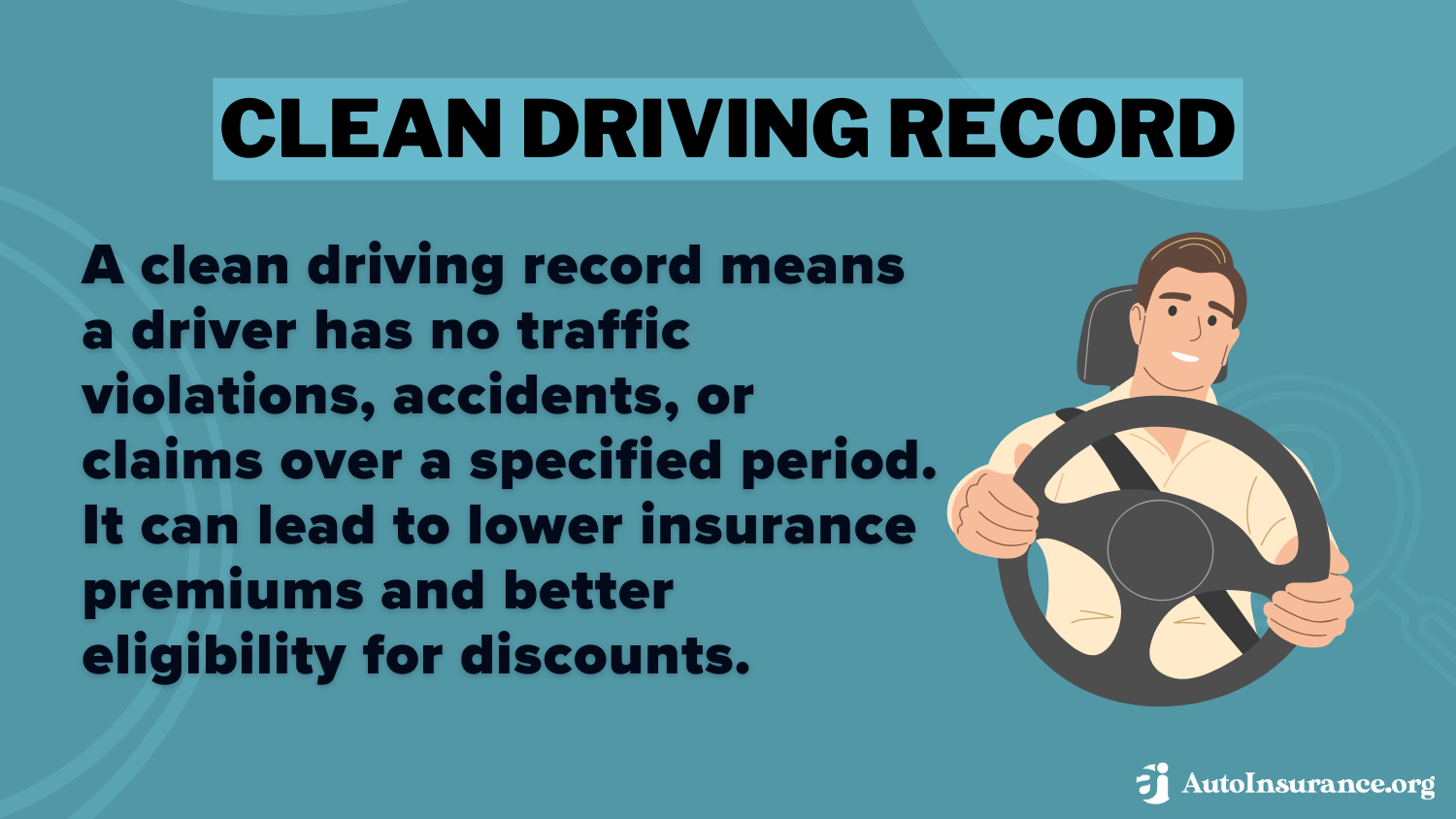
Now if you’re asking, “does the insurance policy number on my card make affordable auto insurance available?” If you have a excellent driving record, it can as your insurance policy can run a check on your policy and confirm if you are eligible for certain discounts.
Auto Insurance Policy Number Format
What is an insurance policy number? It is a unique identifier assigned to policyholders to track coverage and claims. Each Progressive driver, for instance, has a distinct Progressive policy number. How many numbers are in a policy number? Typically, your car insurance policy number is a string of 8 to 10 digits on your insurance card. For example: 12345678.
When insuring multiple vehicles, you may notice identical numbers on the insurance cards for each car, or minor variations such as 12345678-1 and 12345678-2. This facilitates your insurance company in pinpointing the specific vehicle tied to your query, enhancing communication through auto insurance policy number lookup.
On your insurance card, the long sequence of numbers you see represents the vehicle identification number (VIN), not the policy number, which can be identified through an auto policy number lookup. The VIN, comprising 16 alphanumeric characters, uniquely identifies your vehicle and is crucial for determining auto insurance rates by vehicle make and model.
When Drivers Might Need Their Policy Number for Insurance
Your insurance policy number is essential in scenarios such as accidents, where you must exchange details with other drivers or provide them to the police, and during police stops, where showing proof of insurance is required. This is important to know, especially when considering how long an accident stays on your record.
Despite state registries tracking insurance, they may not always be accurate, making it necessary to keep your insurance card accessible at all times. If you’re in need of an incentive to avoid driving without insurance, just take a look at the consequences that can come with such a charge in your state:
Driving Without Auto Insurance by State & Offense
| State | First Offense | Second Offense |
|---|---|---|
| Alabama | Fine up to $500; registration suspension with $200 fee | Fine up to $1,000; six-month license suspension with $400 fee |
| Alaska | License suspension for 90 days | License suspension for one year |
| Arizona | Fine $500+; license/registration suspension for three months | Fine $750+; license/registration suspension for six months |
| Arkansas | Fine $50-$250; suspended registration until proof of insurance | Fine $250-$500; suspended registration until proof of insurance |
| California | Fine $100-$200; car may be impounded | Fine $200-$500; car may be impounded |
| Colorado | Fine $500+; license suspension until proof of insurance | Fine $1,000+; four-month license suspension |
| Connecticut | Fine $100-$1,000; one-month suspension with $175 fee | Fine $100-$1,000; six-month suspension with $175 fee |
| Delaware | Fine $1,500+; six-month license suspension | Fine $3,000+; six-month license suspension |
| Florida | License suspension until reinstatement fee is paid; $150 fee | License suspension until reinstatement fee is paid; $250 fee |
| Georgia | Suspended registration; $25 lapse fee and $60 reinstatement fee | Suspended registration; $25 lapse fee and $60 reinstatement fee |
| Hawaii | $500 fine or community service; three-month license suspension | $1,500 fine; one-year license suspension |
| Idaho | Fine $75; license suspension until proof of insurance | Fine up to $1,000; six-month license suspension |
| Illinois | License plate suspension until $100 reinstatement fee paid | Four-month license plate suspension with $100 fee |
| Indiana | License suspension for 90 days to one year | One-year license suspension within three years |
| Iowa | Fine $500 if in accident; $250 otherwise | NA |
| Kansas | Fine $300-$1,000; license suspension | Fine $800-$2,500; license suspension |
| Kentucky | Fine $500-$1,000; one-year license suspension | Fine $1,000-$2,500; one-year license suspension |
| Louisiana | Fine $500-$1,000; license suspension for 180 days if in accident | NA |
| Maine | Fine $100-$500; license suspension until proof of insurance | NA |
| Maryland | Loss of plates and registration; penalty fees | NA |
| Massachusetts | Fine $500-$5,000; one-year license suspension | License suspension for one year |
| Michigan | Fine $200-$500; 30-day license suspension | NA |
| Minnesota | Fine $200-$1,000; license suspension up to 12 months | NA |
| Mississippi | Fine $1,000; one-year license suspension | NA |
| Missouri | License suspension until $20 reinstatement fee paid | 90-day license suspension with $200 fee |
| Montana | Fine $250-$500; up to 10 days imprisonment | Fine $350; up to 10 days imprisonment |
| Nebraska | License suspension; $50 reinstatement fee | NA |
| Nevada | Fine $250-$1,000; registration suspension with $250 reinstatement fee | Fine $500-$1,000; registration suspension with $500 fee |
| New Hampshire | No mandatory insurance; SR-22 may be required after a conviction | NA |
| New Jersey | Fine $300-$1,000; one-year license suspension | Fine up to $5,000; two-year suspension |
| New Mexico | Fine up to $300; 90-day license suspension | NA |
| New York | Fine up to $1,500; one-year license suspension | NA |
| North Carolina | Fine $50; 30-day suspension if in accident | Fine $100; 30-day suspension if in accident |
| North Dakota | Fine up to $1,500; 14 points against license | Fine up to $1,500; plates impounded |
| Ohio | License suspension; $100 reinstatement fee | One-year suspension; $300 reinstatement fee |
| Oklahoma | Fine $250; 30 days jail time or license suspension | NA |
| Oregon | Fine $130-$1,000; one-year license suspension | NA |
| Pennsylvania | Registration suspension for three months; $88 reinstatement fee | NA |
| Rhode Island | Fine $100-$500; three-month license suspension | Fine $500; six-month suspension |
| South Carolina | Fine $100-$200 or 30 days jail time; registration suspension | Fine $200; 30-day jail or suspension |
| South Dakota | Fine $100; 30-day license suspension | NA |
| Tennessee | Pay $25 coverage failure fee or registration suspension | NA |
| Texas | Fine $175-$350; pay up to $250 surcharge for three years | Fine $350-$1,000; surcharge and license suspension |
| Utah | Fine $400; license suspension until proof of insurance | Fine $1,000; license suspension until proof of insurance |
| Vermont | Fine up to $500; license suspension | NA |
| Virginia | Pay $500 uninsured fee or license suspension | NA |
| Washington | Fine up to $250 | NA |
| West Virginia | Fine $200-$5,000; 30-day license suspension | Fine $200-$5,000; 90-day suspension |
| Wisconsin | Fine up to $500 | NA |
| Wyoming | Fine up to $750 or six months in jail | NA |
You will also need your insurance policy handy if you’re calling your insurance company’s 24/7 customer service line. That way you can know that the representative is looking at your policy and that there are no miscommunications.
Free Insurance Comparison
Compare Quotes From Top Companies and Save
What Drivers Should do if They Lose Their Car Policy Number
If you lose your insurance card, there’s no need to panic. You have multiple options when it comes to recovering your insurance card. These days, many insurance companies allow you to access a digital copy of your insurance card via the company’s mobile app or website.
data-media-max-width=”560″>
If your car is stolen, are you out of luck? Not if you have comprehensive insurance. Want to know more about it? Check out our comprehensive guide: https://t.co/i40h1WzI0u pic.twitter.com/sZJpBKVWNl
— AutoInsurance.org (@AutoInsurance) August 13, 2024
If you prefer a physical copy, you can learn how to get a copy of your auto insurance card by requesting it to be emailed for home printing or sent directly through mail.
While having a digital insurance card is incredibly convenient, you should be sure to keep at least one hard copy in your car’s glove box. With this spare on hand, you can rest assured that you’ll have proof of insurance even if your phone battery were to die. The same rule would apply if you did not have good cell signal or if you’re driving through areas with stricter laws about physical cards.
When to Get Another Vehicle Insurance Policy Number
While being able to provide your own insurance information is very important after being in an accident, it is imperative that you gather the other driver’s information too — especially if they were the ones who caused the accident.
If another driver damaged your vehicle, you’ll need to, at the very least, get the other driver’s:
- Insurance policy number
- Full name
- Insurance company
You should also, if you can, take a picture of the other driver’s insurance card, but if you can’t do that, be sure to clearly write down all the information and safely store it. You will need this information to understand how to file an auto insurance claim with the other driver’s insurance company. Filing such a claim will not affect your insurance history, allowing you to proceed with the necessary repairs.
Seamless Switching: Managing Your Insurance Policy Numbers
If you’re thinking about changing insurance companies, you’ll need your old policy reference number to cancel your existing policy. Some companies offer template letters or phone numbers to help with this process and retain your business. State laws guarantee your right to cancel within specific guidelines.
When switching to a new insurer, you receive a new policy insurance number and a temporary card, later replaced by a permanent one. Ensure your new policy starts immediately after the old one ends to avoid coverage gaps. Your policy insurance number can affect your rates; for example, a clean driving record at renewal could qualify you for an accident-free discount.
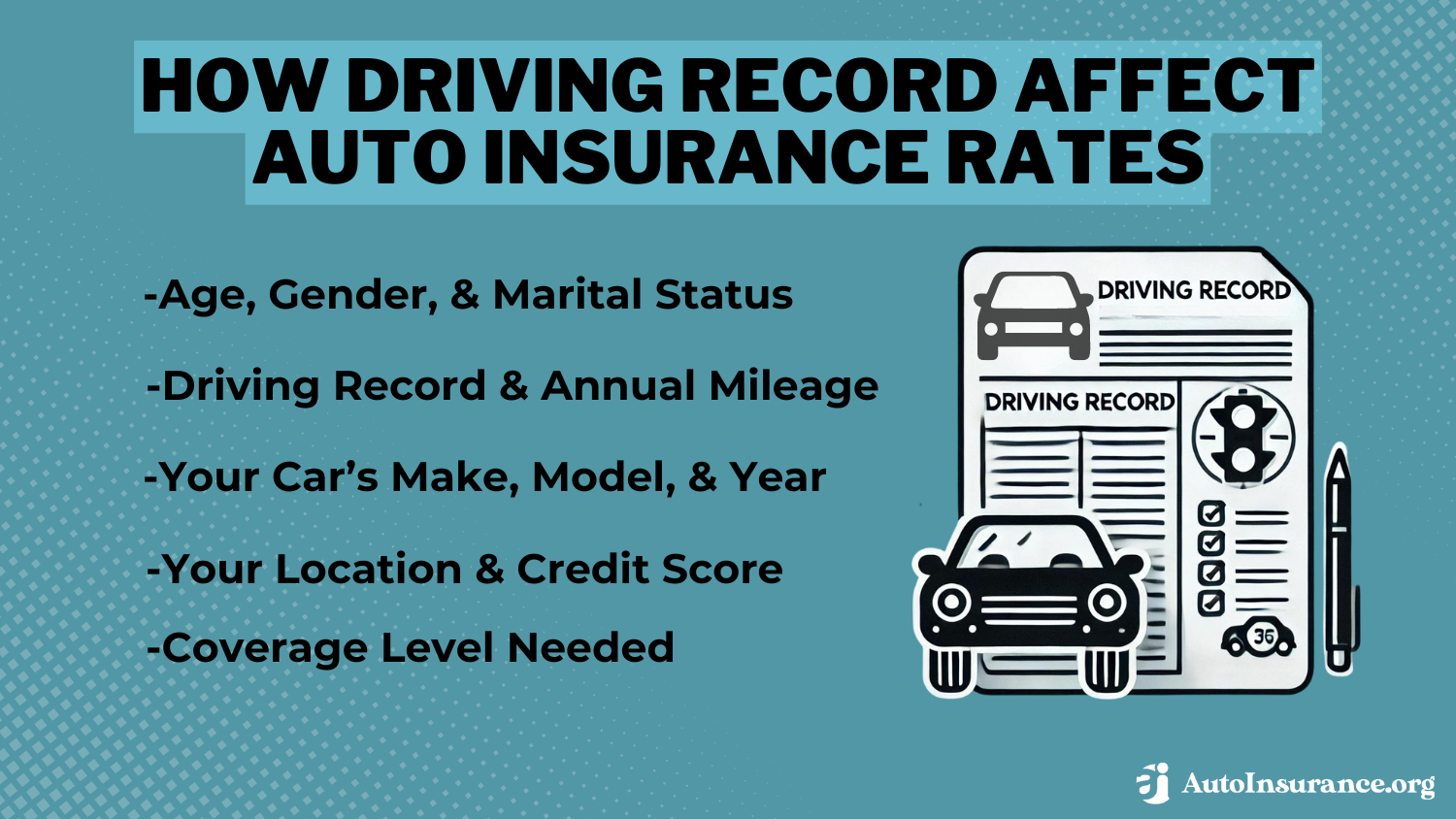
Below, you can see a list of common car insurance discounts that you could potentially earn when you give your insurance policy number to your insurance representative:
Top Auto Insurance Discounts by Category
| Driver Discounts | Personal Discounts | Vehicle Discounts |
|---|---|---|
| Claim-Free | Deployment | Anti-Theft Device |
| Continuous Coverage | Family Legacy | Cruise Control |
| Defensive Driver | Family Plan | Adaptive Headlights |
| Driver Training | Federal Employee | Anti-Lock Brakes |
| Telematics | Higher Education | Audible Alarm |
| Early Signing | Good Student | Automatic Braking |
| Full Payment | Homeowner | Blind Spot Warning |
| Good Credit | Life Insurance | Running Lights |
| Loyalty | Married | Economy Vehicle |
| Multi-Policy | Group Member | Stability Control |
| Multiple Vehicles | Military | Farm Vehicle |
| New Customer | New Address | Collision Warning |
| Occasional Driver | New Graduate | Garage Storage |
| Online Shopper | Healthy Lifestyle | Hybrid Vehicle |
| On-Time Payments | Occupation | Lane Warning |
| Auto Billing | Retiree | Newer Vehicle |
| Paperless Documents | Stable Residence | Passive Restraint |
| Roadside Assistance | Student Away | Utility Vehicle |
| Safe Driver | Alumni | Vehicle Recovery |
| Seat Belt Use | Volunteer | VIN Etching |
As you can probably tell, some of the best discounts come when you exhibit safe driving practices and keep your moving violations to a minimum.
Free Insurance Comparison
Compare Quotes From Top Companies and Save
Essential Guide to Your Car Insurance Policy Number
You need your car insurance reference number to buy auto insurance and to cancel an old policy when switching to a new insurer. This number confirms your coverage and differs between companies. It’s vital to know where to find it for emergencies, traffic stops, or accidents.
Auto insurance laws mandate that every driver has a unique policy number found on documents like bills and insurance cards. It is essential for managing insurance, canceling previous coverage, and making claims, particularly after accidents. Always keep a physical copy of your insurance card, though it is available through your insurer’s mobile app.
Shop for the best liability-only car insurance with our free quote comparison tool. Enter your ZIP code below to begin.
Frequently Asked Questions
What is an auto insurance policy number?
An auto insurance policy number is a unique identifier assigned to a policyholder by an insurance company. It is used to look up and manage your policy details, file claims, and verify coverage during traffic stops or accidents.
Where can I find my auto insurance policy number?
Your auto insurance policy number can typically be found on various documents related to your insurance policy. This may include your insurance ID card, policy declarations page, insurance policy documents, or any correspondence you receive from your insurance company.
Why is the auto insurance policy number important?
The auto insurance policy number is important as it allows insurance companies to identify and access specific details about your policy. It is used for various purposes, such as filing claims, making changes to your policy, or communicating with your insurance provider.
Explore our comprehensive resource titled “Filing an Auto Insurance Claim” to deepen your understanding of insurance coverage.
Can I change my auto insurance policy number?
Generally, you cannot change your auto insurance policy number as it is a unique identifier for your policy. However, a new policy number may be issued if you cancel your current policy and then take out a new one.
Are auto insurance policy numbers unique?
Yes, auto insurance policy numbers are unique to each policy. This uniqueness ensures that each policyholder’s information and records are individually maintained without mix-ups.
Can I have multiple policy numbers under the same auto insurance company?
Yes, it is possible to have multiple policy numbers under the same auto insurance company. This can occur if you have multiple vehicles insured with the same company or if you have different types of coverage or policies with them.
Refer to our detailed guide titled “Does a second car affect auto insurance rates?” for a thorough analysis.
How many digits is an insurance policy number?
The number of digits in an insurance policy number can vary by company. Typically, it ranges from 5 to 10 digits, but it can be longer based on the insurer’s system of numbering.
Take the first step toward cheaper car insurance rates. Enter your ZIP code below to see how much you could save.
Is the policy number the same as the account number?
No, the policy number and the account number are not the same. The policy number refers to the specific contract of insurance, while the account number may refer to the policyholder’s overall account with the insurance company, which can include multiple policies.
What insurance company policy number formats can help identify the type of insurance coverage?
Certain formats of insurance company policy numbers use prefixes or suffixes to denote the type of coverage, providing an auto insurance policy number example where a number could begin with “AU” for auto insurance or “HO” for homeowners, followed by a sequence of digits.
To gain profound insights, consult our extensive guide titled “Does owning a home affect auto insurance rates?” for more details.
What should I do if I lose my auto insurance policy number?
If you lose your auto insurance policy number, contact your insurance provider immediately. They can verify your identity and provide you with the policy number. Always keep a backup of your insurance information in a safe place to avoid such issues.
Related Articles
-
Dec 2024

When did auto insurance become mandatory?
-
Dec 2024
Is it illegal to live in your car? (2026)
-
Dec 2024
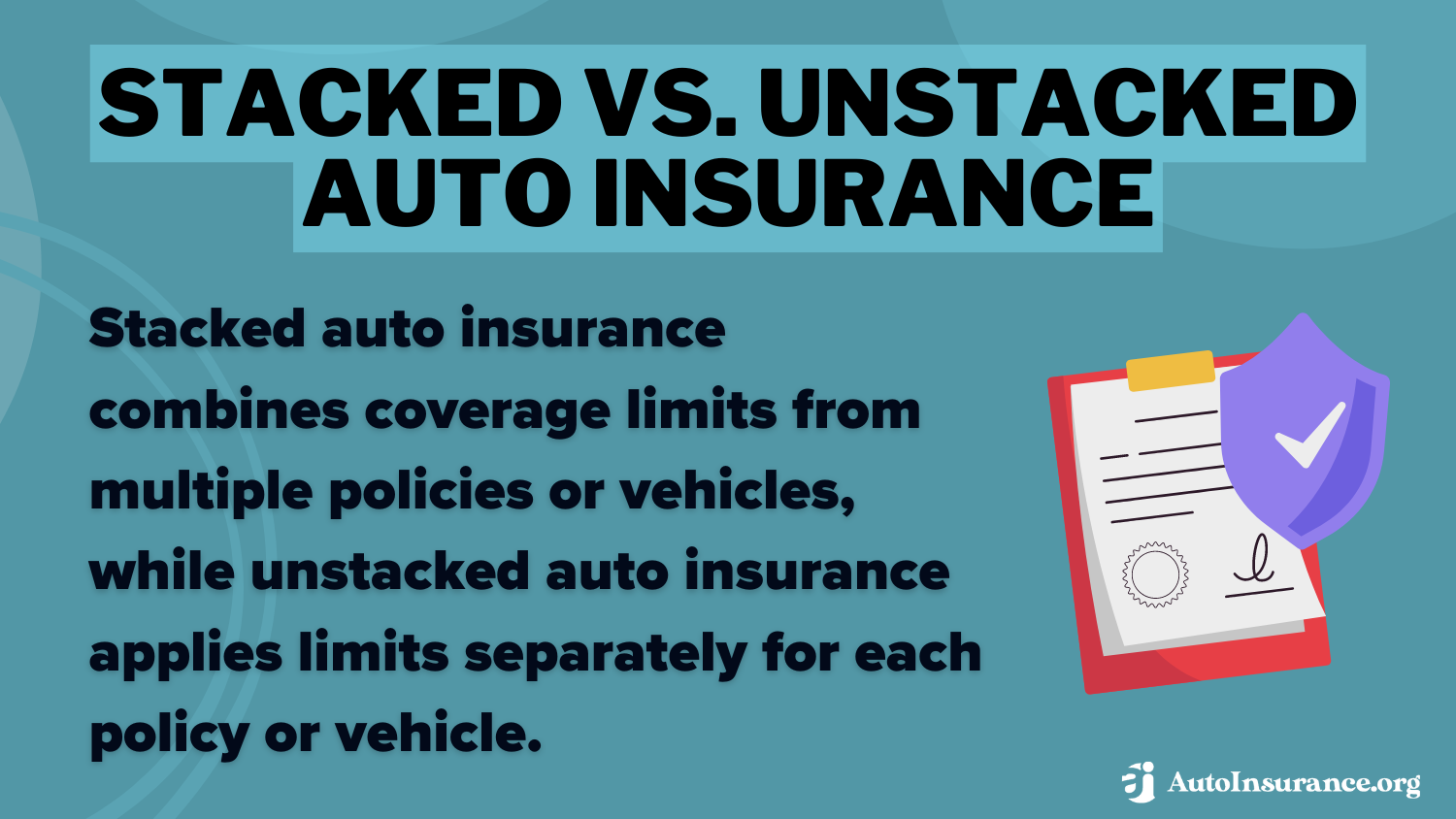
Stacked vs. Unstacked Auto Insurance: Differences Explained in 2026 (Complete Guide)
-
Mar 2026
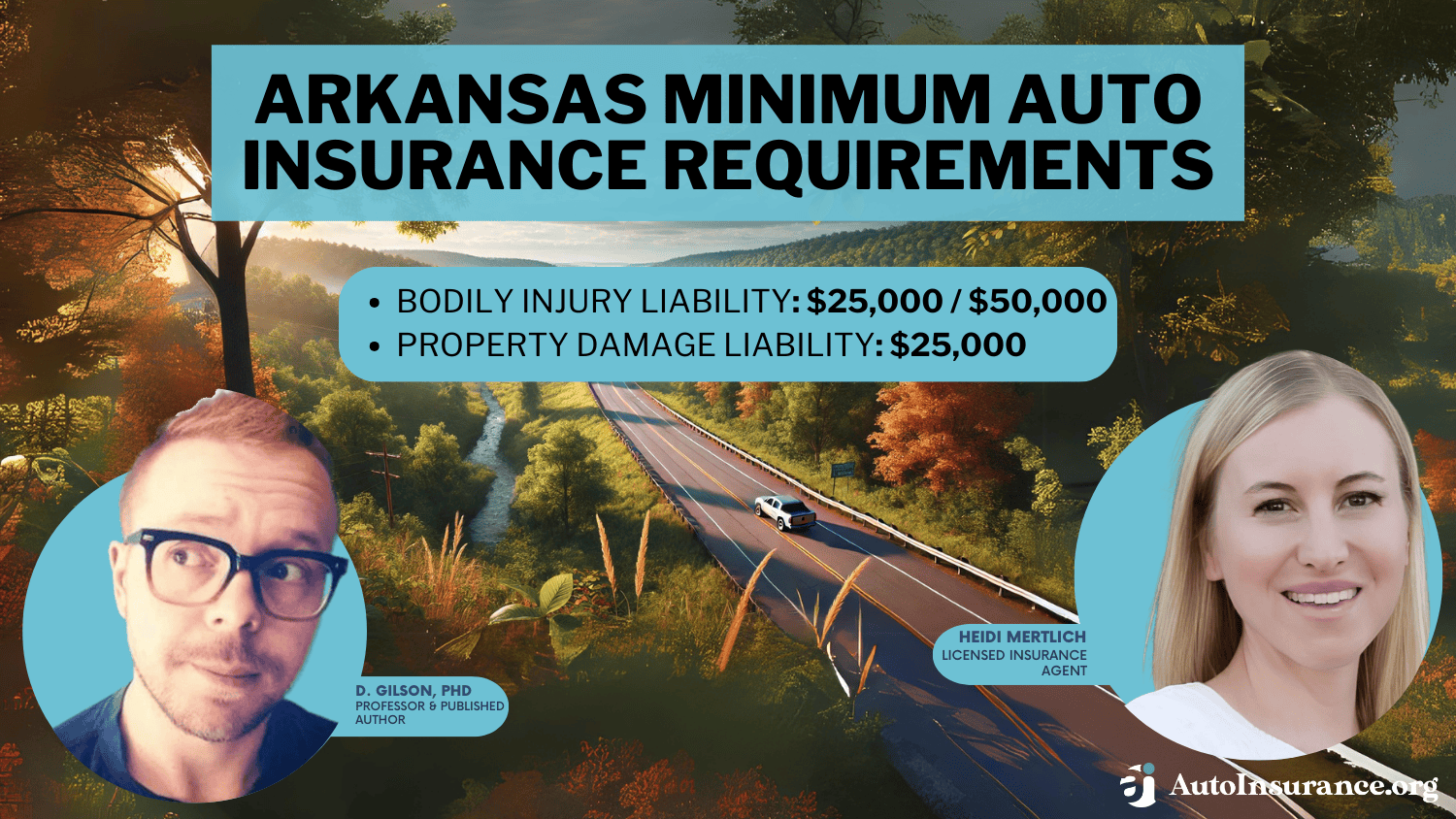
Arkansas Minimum Auto Insurance Requirements in 2026 (AR Mandated Coverage)
-
Mar 2025
Washington Minimum Auto Insurance Requirements for 2026 (Coverage WA Drivers Need)
-
Jan 2025
South Dakota Minimum Auto Insurance Requirements in 2026 (SD Coverage Explained)

Get a FREE Quote in Minutes
Insurance rates change constantly — we help you stay ahead by making it easy to compare top options and save.