
Cheap Auto Insurance for Disabled Drivers in 2026
USAA, Geico, and State Farm offer the cheapest auto insurance for disabled drivers among the companies compared, with minimum coverage averaging $49, $55, and $59 per month, respectively. Coverage for permanently installed adaptive equipment, such as hand controls and wheelchair lifts, depends on the insurer and policy.
Read more





Table of Contents
Table of Contents

Insurance and Finance Writer
Maria Hanson grew up with a unique passion and understanding of both the automotive and insurance industries. With one grandfather in auto mechanics and another working in insurance, you could say automotive insurance is in her blood. Her love of research and finance serves her well in studying insurance trends and liability. Maria has expanded her scope of expertise to home, health, and life...
Maria Hanson

Head of Content
Meggan McCain, Head of Content, has been a professional writer and editor for over a decade. She leads the in-house content team at Quote.com. With three years dedicated to the insurance industry, Meggan combines her editorial expertise and passion for writing to help readers better understand complex insurance topics. As a content team manager, Meggan sets the tone for excellence by guiding c...
Meggan McCain

Licensed Insurance Broker
Zach Fagiano has been in the insurance industry for over 10 years, specializing in property and casualty and risk management consulting. He started out specializing in small businesses and moved up to large commercial real estate risks. During that time, he acquired property & casualty, life & health, and surplus lines brokers licenses. He’s now the Senior Vice President overseeing globa...
Zach Fagiano
Updated October 2026
USAA, Geico, and State Farm are top providers of cheap auto insurance for disabled drivers, with rates starting around $49 per month.
- USAA is the cheapest company for disabled drivers at $49 a month
- Adaptive equipment may require extra coverage under your policy
-
Low-mileage discounts may lower costs for disabled drivers
You can get cheap auto insurance for disabled drivers, and companies are just as likely to offer coverage to a capable driver with a disability as they are to a driver without one.
Disabled drivers may qualify for auto insurance discounts if they’re veterans, first responders, safe drivers, or meet other insurer-specific eligibility requirements.
10 Best Companies: Cheap Auto Insurance for Disabled Drivers
| Company | Rank | Monthly Rate | Claims Score | Best for |
|---|---|---|---|---|
 | #1 | $49 | 741 / 1K | Military Savings |
 | #2 | $55 | 697 / 1K | Digital Tools |
 | #3 | $59 | 716 / 1K | Many Discounts |
 | #4 | $64 | 729 / 1K | Usage Discount |
 | #5 | $65 | 720 / 1K | Local Agents |
 | #6 | $69 | 702 / 1K | Claims Service |
 | #7 | $70 | 691 / 1K | Safe Drivers |
 | #8 | $71 | 673 / 1K | Tight Budgets |
 | #9 | $74 | 690 / 1K | Signal App |
 | #10 | $78 | 693 / 1K | Agent Network |
We’ll help you learn where to find the best auto insurance companies for disabled drivers and get the best car insurance for disabled veterans.
Explore your auto insurance options by entering your ZIP code into our free comparison tool above today.
Auto Insurance Costs for Disabled Drivers
Insurers cannot impose unjustified disability-based restrictions or higher rates. However, differences in premiums, eligibility, or coverage may be permitted when supported by legitimate actuarial considerations and allowed under state law.
For example, drivers with limited vision may face higher rates or license restrictions, depending on state rules and their driving ability.
Auto insurance costs depend on your driving record, location, vehicle, and coverage limits. Compare rates using the same limits and deductibles to see which insurer offers a lower price for the protection you need.
If your vehicle has hand controls or a wheelchair lift, ask whether the quoted price includes coverage for them. A cheaper policy could leave you paying for repairs yourself if it excludes your adaptive equipment.
Balancing Auto Insurance Costs and Coverage
Minimum coverage is the cheapest option for disabled drivers because it only meets state insurance requirements. It won’t cover damage to your vehicle or adaptive equipment after an accident.
Full coverage costs more but provides better financial protection. It includes collision and comprehensive coverage, which can help pay to repair or replace a modified vehicle and permanently installed accessibility equipment after a covered loss.
How Credit History Influences Your Auto Premium
In most states, insurance companies use your credit-based insurance score when calculating premiums. Drivers with good credit often pay less because they are considered less likely to file claims.
Your disability does not directly affect how your credit is evaluated. Improving your credit score and comparing quotes from multiple insurers can help you qualify for lower auto insurance rates.
Read More: How Credit Scores Affect Auto Insurance Rates
Your Age Can Impact Auto Insurance Pricing
Age is one of the factors insurers use to calculate premiums. Younger drivers usually pay the highest rates because they have less driving experience, while rates often decrease during middle age.
Older drivers may see rates rise again as they age, depending on their driving record and state. Comparing quotes at different life stages can help disabled drivers find the most affordable coverage.
Why Where You Live Matters in Car Insurance
Where you live can have a big effect on your auto insurance premium. Areas with more traffic, higher theft rates, or frequent accidents usually have higher insurance costs than quieter locations.
A disability doesn’t change how your location affects your rate, but local insurance costs still apply. Comparing quotes from several companies is the best way to find affordable coverage where you live.
How Accidents and Violations Affect What You Pay
Safe driving, completing a defensive driving course, and maintaining continuous coverage may also help lower your premium over time. Many insurers reward drivers with clean records through discounts and better rates.
Insurance companies use your driving record to estimate risk, regardless of whether you have a disability. Comparing quotes from several insurers can help you find the lowest rate if you have a history of violations.
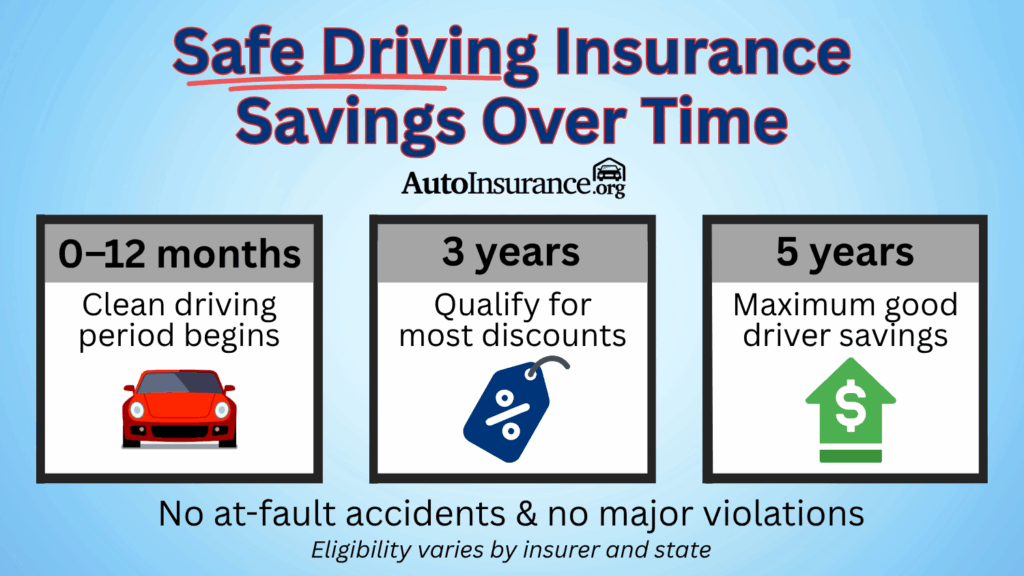
Maintaining a clean driving record is one of the best ways to keep your auto insurance costs down. Avoiding accidents and traffic violations can help you qualify for lower rates and safe driver discounts.
The longer you drive without filing claims, the more likely you are to earn additional savings. Practicing safe driving not only protects you on the road but can also reduce your insurance costs over time.
Free Insurance Comparison
Compare Quotes From Top Companies and Save
Ways Disabled Drivers Can Save on Car Insurance
While there aren’t specific discounts for disabled driver car insurance, there are still plenty of ways to lower your coverage costs. Saving money is often as simple as asking your insurer about the discounts it offers.
Discount availability varies by insurer and state, so ask about other auto insurance discounts for which you may already qualify:
- Affiliate Discounts: If you belong to a fraternity, sorority, or disabled advocacy group, check whether your organization offers discounted insurance through partner providers.
- Age-Based Discounts: Disabled seniors may qualify for mature driver discounts after completing a driving course.
- Low-Mileage Discounts: Driving fewer miles may lower your premium. Consider switching to pay-per-mile auto insurance.
- Student Discounts: Many insurers offer good student discounts for maintaining at least a B average. College students may also save by living on campus without a vehicle.
- Usage-Based Insurance (UBI): Enroll in a UBI program if you have a clean driving record. Safe driving during the monitoring period can lower your rates.
You may qualify for discounts if you’re a disabled veteran or active military member. However, a disability car insurance discount is not automatically offered by most insurers.
Ask your current insurer about disabled veteran auto insurance discounts or shop around with companies that cater to military personnel and their families.
Insurance companies often review your driving history when determining your premium. A clean record with no accidents or violations can help you qualify for lower rates over time.
Driving responsibly and avoiding unnecessary claims can also improve your insurance options. Safe drivers are more likely to receive discounts and better pricing when it’s time to renew their policy.
Other reasons your auto insurance company might refuse to provide coverage include:
- Lying on your auto insurance application
- Making false assertions or claims
- Multiple traffic violations or claims on your record
A disability alone does not determine your insurance rate, but accidents, violations, claims, and coverage gaps can increase costs. Maintaining a clean driving record may help you qualify for lower premiums and safe driver discounts.
Insurers may deny coverage if you provide false information, file fraudulent claims, or have multiple serious violations. Compare several companies because eligibility requirements and rates vary by insurer.
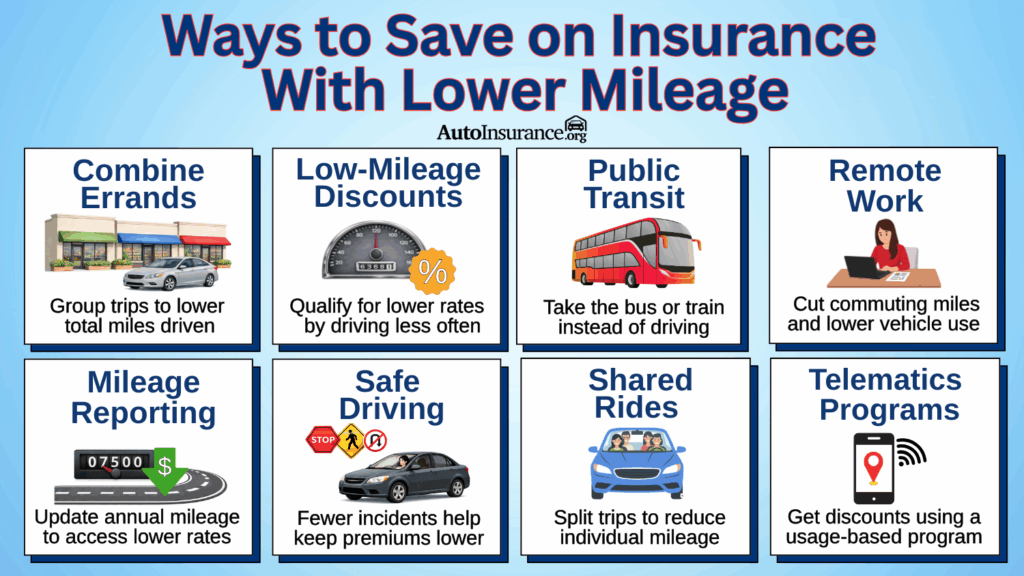
Combining errands, sharing rides, or working from home can reduce the miles you drive. If you use your car less often, update your annual mileage with your insurer and ask about a low-mileage discount.
Disabled drivers who make fewer trips can also compare pay-per-mile coverage with a standard policy. Check the total cost based on your usual mileage, and confirm that any adaptive equipment is covered.
Auto Insurance Coverage Options for Disabled Drivers
Drivers with disabilities have the same right to buy auto insurance as any other motorist. Insurance companies cannot deny coverage or charge higher rates solely because of a disability.
If your vehicle has adaptive equipment, ask your insurer whether it is covered under your policy. Reviewing your coverage and comparing quotes can help ensure both your vehicle and its modifications are properly protected.
- Collision Coverage: Pays to repair or replace your vehicle after a covered accident, including modified vehicles.
- Comprehensive Coverage: Covers noncollision damage, such as theft, vandalism, fire, or severe weather.
- Liability Coverage: Pays for injuries and property damage you cause to others in a covered accident.
- Medical Payments (MedPay): Helps cover medical expenses for you and your passengers after an accident, regardless of fault.
- Personal Injury Protection (PIP): Covers medical bills, lost wages, and certain other expenses after a covered accident where available.
- Uninsured/Underinsured Motorist: Helps pay for injuries and damages if you’re hit by a driver with little or no insurance.
We recommend full coverage auto insurance for disabled drivers because it offers better protection after an accident. It can also help cover the cost of repairing or replacing a modified vehicle.
Liability auto insurance only covers damage you cause to others and may not protect your own vehicle. Full coverage adds collision and comprehensive protection, giving you more financial security.
Older guidance from the National Highway Traffic Safety Administration (NHTSA) estimated that a new vehicle with adaptive equipment could cost $20,000–$80,000. This historical estimate does not reflect current 2026 vehicle prices.
Because of these extra costs, you’ll need to find an insurance company that offers auto insurance for wheelchair-accessible vehicles and other car insurance for wheelchair-adapted vehicles and SUVs.
Policies for Wheelchair-Accessible Vehicles and Adaptive Features
Optional coverage can help protect vehicle modifications and cover transportation expenses while an adapted vehicle is being repaired.
Depending on the insurer, options may include:
- Rental Reimbursement or Mobility Coverage: Helps pay for temporary transportation after a covered loss, subject to daily limits and availability of accessible vehicles.
- Roadside Assistance: Following an accident, roadside assistance will provide a tow, jump, or tire change to get you safely off the road and out of harm’s way.
- Custom Parts and Equipment Coverage: Helps protect permanently installed aftermarket modifications against covered damage, subject to policy limits.
If you drive a modified vehicle, consider adding coverage that protects your custom equipment. It can help cover the cost of repairs or replacement if it’s damaged.
Common vehicle adaptations include:
- Adaptive Driving Controls: Hand controls, modified pedals, and dashboard switches.
- Scooter Lifts: Equipment installed to load and unload a mobility scooter.
- Swivel Seats: Modified seating that helps drivers or passengers enter and exit.
- Wheelchair Lifts or Ramps: Installed accessibility features that help users enter the vehicle.
- Wheelchair Securement Systems: Installed restraints or docking systems that hold a wheelchair in place during travel.
Portable wheelchairs, walkers, and motorized scooters aren’t automatically covered as installed vehicle equipment. Homeowners, renters, or specialized insurance may cover certain losses.
Give your insurer a list of modifications and portable devices with their values. Confirm coverage, limits, deductibles, and whether towing and temporary transportation meet your accessibility needs.
If your vehicle has adaptive equipment, make sure your policy covers those modifications not just the vehicle itself.
Michelle Robbins Licensed Insurance Agent
Adaptive features like hand controls, dashboard switches, and wheelchair-accessible doors may require extra coverage. If you need car insurance for wheelchair-accessible vehicles, make sure your modifications are covered.
Although some companies may not offer auto insurance discounts for disabled drivers with modified vehicles, insurers may provide additional coverage to help protect these modifications.
Auto Insurance Rights for Drivers With Disabilities
Disabled drivers have the same rights as other motorists when shopping for auto insurance. A disability alone should not prevent someone from getting coverage if they meet the insurer’s requirements.
Understanding these rights can help you avoid unfair treatment, protect your vehicle and adaptive equipment, and make informed decisions when comparing coverage. Below are the most important auto insurance rights every disabled driver should know:
- Right to Appeal or File a Complaint: If you were treated unfairly because of your disability, you can file a complaint with your state’s insurance department.
- Right to Coverage for Adaptive Equipment: You can insure approved vehicle modifications, such as hand controls, wheelchair lifts, or other adaptive equipment.
- Right to Equal Access to Auto Insurance: Insurers cannot deny coverage solely because you have a disability if you meet the company’s underwriting requirements.
- Right to Fair Claims Handling: You have the right to a prompt, fair, and unbiased claims process after a covered accident or loss.
- Right to Protection From Discrimination: Insurance companies cannot charge higher premiums or treat you unfairly based only on your disability.
Know more: How to File an Auto Insurance Claim
Car Insurance for Disabled Veterans and Military Members
Military members and veterans with disabilities may qualify for military discounts or USAA coverage, depending on eligibility. Ask insurers which savings apply and what proof of service they require.
Military savings do not automatically cover adaptive equipment. Confirm coverage for hand controls, wheelchair lifts, and other modifications. See our guide to auto insurance for disabled veterans for military-specific options.
A disability doesn't have to mean higher insurance costs. Shop around, compare quotes, and ask about available discounts to find the best rate.
Travis Thompson Licensed Insurance Agent
Don’t choose a policy based on price alone. Make sure it includes coverage for adaptive equipment and the protection you need for your vehicle.
Also compare available discounts, coverage limits, and deductibles before making a decision. The right policy should provide good value without sacrificing important coverage.
Free Insurance Comparison
Compare Quotes From Top Companies and Save
Comparing Auto Insurance Providers for Disabled Drivers
USAA leads the minimum-coverage ranking at $49 per month, followed by Geico at $55 and State Farm at $59. USAA requires military eligibility, while Geico is the lowest-priced option listed for drivers without that connection.
The company reviews below explain the differences behind those prices, including available discounts, local agent support, and optional coverage. These features help show what each insurer offers beyond its monthly premium.
#1 – USAA: Cheapest Overall
Pros
- Military Savings: Veterans, active-duty service members, and eligible family members often pay lower rates. Read More: USAA Auto Insurance Review
- Adaptive Equipment Coverage: Can cover permanently installed adaptive equipment when added to your policy.
- Strong Financial Ratings: The company earns high marks for claims satisfaction and long-term financial strength.
Cons
- Limited Eligibility: Coverage is only available to military members, veterans, and eligible family members.
- Fewer Local Offices: In-person support is less common than with insurers that have larger agent networks.
#2 – Geico: Best for Digital Tools
Pros
- Digital ID Cards: Geico mobile app provides access to insurance cards.
- Online Claims: Drivers can file and manage claims digitally.
- Mobile Payments: Policyholders can manage premium payments through the app.
Cons
- Limited Equipment Guidance: Digital tools do not replace confirming coverage for adaptive modifications with a representative.
- Separate Roadside Coverage: Requesting emergency roadside service through the app requires the applicable coverage.
#3 – State Farm: Best for Many Discounts
Pros
- Many Discounts: State Farm offers savings for safe drivers, students, bundling, and multiple policies.
- Large Agent Network: Local agents can help drivers choose coverage for wheelchair-accessible or modified vehicles.
- Available Nationwide: Policies are offered in most states, making coverage easy to maintain after moving.
Cons
- Discounts Vary by State: Some savings programs are not available in every location.
- No Accident Forgiveness: State Farm does not include accident forgiveness as a standard option.
#4 – Nationwide: Best for Usage Discount
Pros
- SmartRide Savings: Safe drivers and those with low annual mileage may qualify for lower premiums.
- Vanishing Deductible: Your deductible can decrease over time when you maintain a safe driving record.
- Strong Coverage Options: Nationwide auto insurance offers several optional coverages for added financial protection.
Cons
- Telematics Enrollment Required: The largest discounts depend on participating in the SmartRide program.
- Limited Availability: Some products and programs are not offered in every state.
#5 – AAA: Best for Local Agents
Pros
- Local Agent Support: Regional AAA clubs provide personalized help when comparing coverage options.
- Member Benefits: Auto insurance can be bundled with roadside assistance and other AAA services.
- Excellent Roadside Service: Members receive reliable assistance during breakdowns and emergencies.
Cons
- Membership Required: Some insurance discounts are only available to AAA members.
- Regional Rate Differences: Coverage options and pricing vary by local AAA club.
#6 – American Family: Best for Claims Service
Pros
- Reliable Claims Service: Policyholders can report and track claims online, through the mobile app, or with help from an agent.
- Bundling Opportunities: Combining auto and home insurance can reduce overall policy costs.
- Personal Agent Service: Local agents provide personalized guidance throughout the policy process.
Cons
- Not Available Nationwide: American Family auto insurance operates in a limited number of states.
- Fewer Digital Tools: Online tools are not as extensive as those offered by some competitors.
#7 – Travelers: Best for Safe Drivers
Pros
- Safe Driver Savings: Drivers with a clean record may qualify for lower auto insurance rates.
- Multiple Discounts: Drivers may save through safe driving, homeownership, and hybrid vehicle discounts.
- Strong Financial Ratings: Travelers has a solid reputation for paying claims reliably.
Cons
- Program Availability Varies: Accident forgiveness is not available in every state.
- Driving History Matters: Drivers with violations may receive higher premium quotes.
#8 – Progressive: Best for Tight Budgets
Pros
- Budget-Friendly Options: Flexible coverage and deductible choices help drivers find policies that fit their budgets.
- Name Your Price Tool: Drivers can explore coverage options that fit their preferred budget.
- Snapshot Rewards: Safe driving habits may qualify policyholders for additional discounts. What to Know: Progressive Auto Insurance Review
Cons
- Driving Behavior Matters: Snapshot discounts depend on your driving performance.
- Higher Rates for Some Drivers: High-risk motorists may pay above-average premiums.
#9 – Farmers: Best for Signal App
Pros
- Signal App: Safe driving tracked through the Signal app can lead to insurance discounts.
- Flexible Coverage Options: Farmers offers several optional endorsements for added protection.
- Local Agent Network: Drivers can receive in-person guidance from local insurance agents.
Cons
- Higher Average Premiums: Rates are often higher than those from several competitors.
- App Participation Required: The biggest savings require enrollment in the Signal program.
#10 – Allstate: Best for Agent Network
Pros
- Agent Network Support: Our review of Allstate shows drivers have access to a large network of local agents for personalized policy and claims assistance.
- Drivewise Discounts: Safe driving habits may qualify you for lower insurance premiums through Allstate’s Drivewise program.
- Online Claims Management: Drivers can file and track auto claims through Allstate’s My Account.
Cons
- Higher Base Premiums: Initial rates may be above average for many drivers.
- Telematics Needed: Some discounts require participation in the Drivewise program.
Getting Auto Insurance With a Disability
Getting cheap car insurance for disabled drivers is much like buying any other auto policy. Compare quotes from several insurers, review your coverage options, and make sure any adaptive equipment is properly protected.
Some medical conditions may require approval to drive, but insurers cannot charge higher rates solely because of a disability. Comparing several companies is the best way to find the right coverage at a competitive price.
Finding cheap auto insurance as a disabled driver starts with comparing quotes from several companies. The right policy can protect your vehicle while keeping your monthly costs affordable.
Dani Best Licensed Insurance Producer
While auto discounts for disabled drivers might not be outright offered, you can still get cheap insurance for disabled drivers by applying for other discounts offered by your provider.
In your search for disabled driver auto insurance, you’ll find that affordable coverage is often available from companies that offer multiple ways to save, such as usage-based insurance programs.
If you’re looking for cheap auto insurance for disabled veterans, compare companies that offer military discounts and benefits. Shopping around can help you find the best coverage at a lower price.
If you’re not in the military, you may still qualify for discounts by maintaining a clean driving record or completing a safe driving course. Enter your ZIP code into our free quote tool below to find the best auto insurance providers for your needs and budget.
Getting the right coverage starts with understanding what your policy includes. Review your policy regularly, especially if your driving needs or vehicle change over time. Comparing quotes every year can help you keep your coverage up to date while finding better rates.
Frequently Asked Questions
What is the best auto insurance for disabled drivers?
For minimum-coverage pricing, USAA, Geico, and State Farm lead this comparison at $49, $55, and $59 per month. The right policy also depends on eligibility and coverage for adaptive equipment.
Is auto insurance cheaper if you are disabled?
Not necessarily. Insurance rates are based on risk factors rather than disability status. Comparing disabled car insurance quotes from multiple companies is the best way to find affordable coverage.
Will having a disability affect my auto insurance rates?
Disability does not automatically mean higher rates. Auto insurance rates are based on factors driving history, location, vehicle, and coverage needs. Any disability-related pricing distinction must have legitimate actuarial support and comply with state law.
Can I get auto insurance if I have a disability?
Yes. Drivers with disabilities can buy auto insurance, subject to lawful eligibility requirements. Insurers cannot impose unjustified disability-based exclusions, but state law may permit underwriting distinctions supported by legitimate actuarial considerations.
Can auto insurance companies charge disabled drivers higher rates?
Not simply because a driver has a disability without a legitimate risk-based justification. Differences may be permitted when supported by actuarial considerations and state law.
Higher repair costs for adapted vehicles or added equipment coverage may also increase premiums. Enter your ZIP code to compare rates and find the most affordable full coverage car insurance available in your area.
Do disabled drivers qualify for auto insurance discounts?
There is no standard car insurance discount for disabled drivers. However, you may qualify for other discounts, such as safe driver, low-mileage, multi-policy, military, or good student discounts, depending on the insurer.
Does car insurance cover vehicles with modifications for disabled drivers?
Yes, but it depends on your policy. Standard auto insurance may not fully cover adaptive equipment like hand controls or wheelchair lifts, so let your insurer know about any vehicle modifications.
To protect the full value of your vehicle, ask about coverage for custom equipment or adaptive devices. This can help pay to repair or replace those modifications after a covered loss.
Can disabled veterans get cheap auto insurance?
Yes. Car insurance for disabled veterans may cost less through companies like USAA for eligible military members and veterans. Learn more: Best Auto Insurance for Disabled Veterans
Can you get auto insurance for wheelchair accessible or adapted vehicles?
Yes. Most insurers cover wheelchair accessible and adapted vehicles, but you should tell your insurer about any permanent modifications. This helps ensure adaptive equipment is properly covered under your policy.
Do I have to tell my insurance company about vehicle modifications?
Yes. You should report any permanent modifications, such as wheelchair lifts or hand controls, so they can be properly covered if your vehicle is damaged or stolen.
Use our free comparison tool to quickly review quotes and compare coverage options side by side.
What information do I need to apply for auto insurance with a disability?
Does being disabled affect car insurance?
Do you need medical clearance before you purchase car insurance with a disability?
Are there car insurance discrimination laws?
Get a FREE Quote in Minutes
Insurance rates change constantly — we help you stay ahead by making it easy to compare top options and save.