Liability Auto Insurance Coverage in 2026 (Rates & Exclusions)
Liability auto insurance coverage pays for injuries and property damage you cause to others in an accident. Most states require at least $25,000 in bodily injury coverage and at least $10,000 for repairs, but policy limits vary by state. Liability car insurance doesn't cover your repairs or medical bills.
Read more





Table of Contents
Table of Contents

Licensed Insurance Agent
Jeff is a well-known speaker and expert in insurance and financial planning. He has spoken at top insurance conferences around the U.S., including the InsuranceNewsNet Super Conference, the 8% Nation Insurance Wealth Conference, and the Digital Life Insurance Agent Mastermind. He has been featured and quoted in Nerdwallet, Bloomberg, Forbes, U.S. News & Money, USA Today, and other leading fina...
Jeff Root
Updated August 2026
Liability auto insurance coverage pays for injuries and property damage you cause in an at-fault accident. Most states require minimum liability amounts.
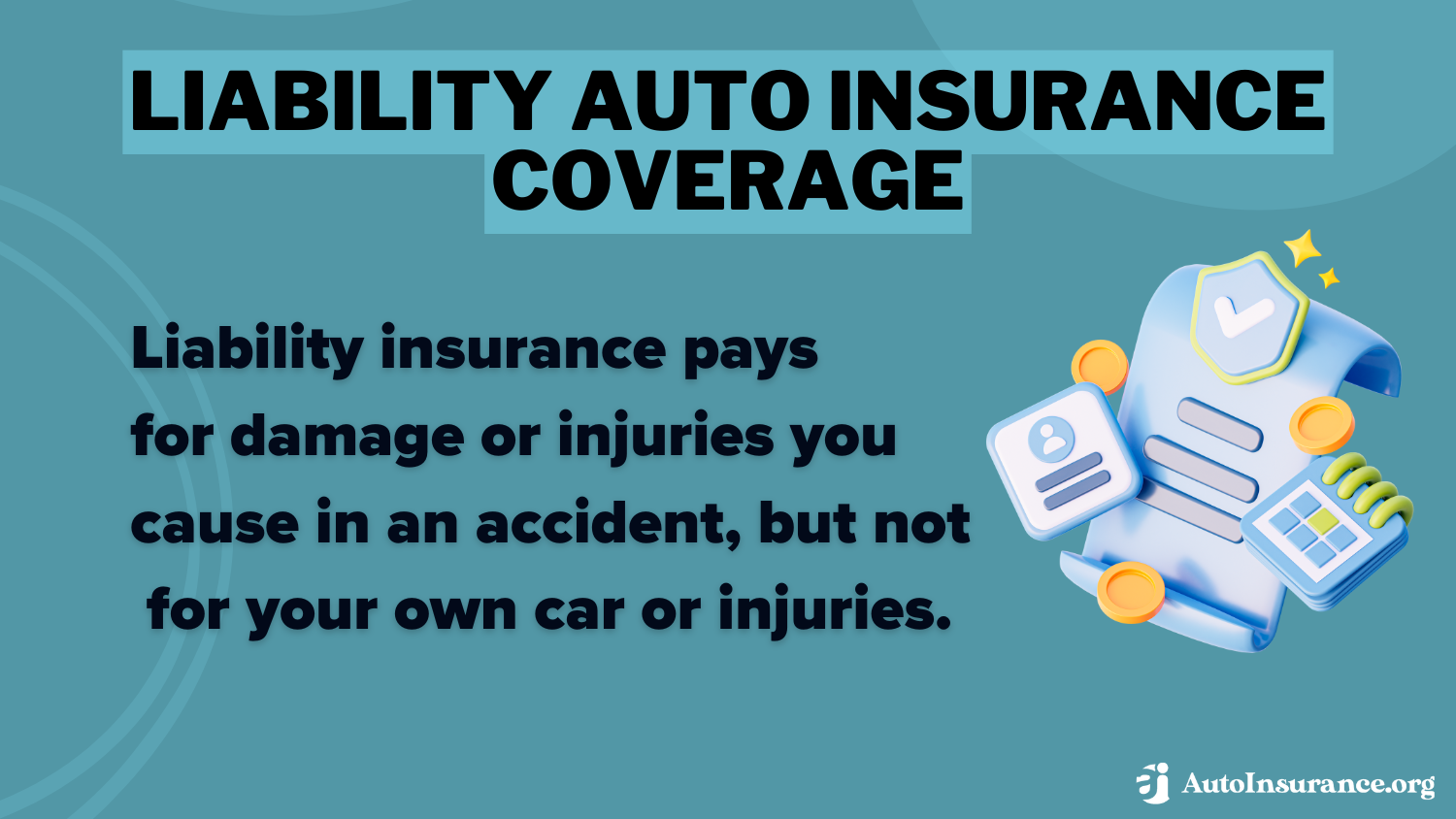
State minimum insurance laws often require at least $25,000 per person/$50,000 per accident for bodily injury coverage, plus $10,000 for property damage. Some drivers choose higher limits for better financial protection. Insufficient coverage can leave you personally responsible if damages exceed your policy limits.
Liability car insurance is cheaper than average but doesn’t cover your medical bills or vehicle repairs. Keep reading to learn state liability insurance requirements and policy options to help prevent costly out-of-pocket expenses.
Enter your ZIP code for more information state minimum liability policy options available in your area.
- Liability auto insurance covers injuries and damages you cause in an accident
- Most states require at least $25,000 per person in bodily injury liability
- Liability insurance does not cover your own damages or injuries
Liability Auto Insurance Coverage Explained
What is called liability insurance? Liability auto insurance coverage protects drivers from financial responsibility when they cause an accident. It pays for the injuries and property damage sustained by others. Every state, except New Hampshire, requires drivers to carry a minimum level of liability coverage.
The liability auto insurance meaning defines two main coverages: bodily injury liability and property damage liability. Bodily injury liability covers medical expenses, lost wages, and legal fees for injured parties.
Property damage liability pays for repairs to vehicles, buildings, or other property damaged in the accident. Because state minimums may not fully cover all accident-related costs, many drivers opt for higher coverage limits to reduce their financial risk.
Liability-only insurance is a smart choice for older vehicles, but if your car is newer or financed, full coverage offers crucial financial protection.Jeff Root Licensed Insurance Agent
What is the biggest risk in insurance? Getting into a car accident is your biggest risk as a driver, and liability car insurance protects you from paying for damages you cause. Scroll down to learn why liability auto insurance is essential for meeting legal requirements and protecting personal assets.
State Minimum Liability Auto Insurance Requirements
Driving without the required liability coverage can result in fines, license suspension, or legal penalties. Checking the minimum auto insurance requirements by state ensures compliance and adequate protection in case of an accident. However, if medical costs exceed policy limits, the at-fault driver may be personally responsible for the remaining expenses.
Each state sets its own minimum liability auto insurance requirements, which drivers must carry to legally operate a vehicle. These limits typically include bodily injury liability per person and per accident, as well as property damage liability.
Liability Auto Insurance Coverage and Requirements by State
| State | Bodily Injury | Property Damage | Uninsured Motorist | Personal Injury |
|---|---|---|---|---|
| Alabama | $25,000/$50,000 | $25,000 | Optional | Optional |
| Alaska | $50,000/$100,000 | $25,000 | Required | Optional |
| Arizona | $25,000/$50,000 | $15,000 | Optional | Optional |
| Arkansas | $25,000/$50,000 | $25,000 | Optional | Optional |
| California | $15,000/$30,000 | $5,000 | Optional | Not Required |
| Colorado | $25,000/$50,000 | $15,000 | Optional | Optional |
| Connecticut | $25,000/$50,000 | $25,000 | Optional | Optional |
| Delaware | $25,000/$50,000 | $10,000 | Optional | Optional |
| Florida | $10,000/$20,000 | $10,000 | Required | Required |
| Georgia | $25,000/$50,000 | $25,000 | Optional | Optional |
| Hawaii | $20,000/$40,000 | $10,000 | Optional | Optional |
| Idaho | $25,000/$50,000 | $15,000 | Optional | Optional |
| Illinois | $25,000/$50,000 | $20,000 | Optional | Optional |
| Indiana | $25,000/$50,000 | $25,000 | Optional | Optional |
| Iowa | $20,000/$40,000 | $15,000 | Optional | Optional |
| Kansas | $25,000/$50,000 | $25,000 | Optional | Optional |
| Kentucky | $25,000/$50,000 | $10,000 | Optional | Optional |
| Louisiana | $15,000/$30,000 | $25,000 | Optional | Optional |
| Maine | $50,000/$100,000 | $25,000 | Optional | Optional |
| Maryland | $30,000/$60,000 | $15,000 | Optional | Optional |
| Massachusetts | $20,000/$40,000 | $5,000 | Optional | Not Required |
| Michigan | $20,000/$40,000 | $10,000 | Optional | Optional |
| Minnesota | $30,000/$60,000 | $10,000 | Optional | Optional |
| Mississippi | $25,000/$50,000 | $25,000 | Optional | Optional |
| Missouri | $25,000/$50,000 | $25,000 | Optional | Optional |
| Montana | $25,000/$50,000 | $20,000 | Optional | Optional |
| Nebraska | $25,000/$50,000 | $25,000 | Optional | Optional |
| Nevada | $25,000/$50,000 | $20,000 | Optional | Optional |
| New Hampshire | $25,000/$50,000 | $25,000 | Optional | Optional |
| New Jersey | $15,000/$30,000 | $5,000 | Optional | Not Required |
| New Mexico | $25,000/$50,000 | $10,000 | Optional | Optional |
| New York | $25,000/$50,000 | $10,000 | Optional | Optional |
| North Carolina | $30,000/$60,000 | $25,000 | Optional | Optional |
| North Dakota | $25,000/$50,000 | $25,000 | Optional | Optional |
| Ohio | $25,000/$50,000 | $25,000 | Optional | Optional |
| Oklahoma | $25,000/$50,000 | $25,000 | Optional | Optional |
| Oregon | $25,000/$50,000 | $20,000 | Optional | Optional |
| Pennsylvania | $15,000/$30,000 | $5,000 | Optional | Not Required |
| Rhode Island | $25,000/$50,000 | $25,000 | Optional | Optional |
| South Carolina | $25,000/$50,000 | $25,000 | Optional | Optional |
| South Dakota | $25,000/$50,000 | $25,000 | Optional | Optional |
| Tennessee | $25,000/$50,000 | $15,000 | Optional | Optional |
| Texas | $30,000/$60,000 | $25,000 | Optional | Optional |
| Utah | $25,000/$65,000 | $15,000 | Optional | Optional |
| Vermont | $25,000/$50,000 | $10,000 | Optional | Optional |
| Virginia | $25,000/$50,000 | $20,000 | Optional | Optional |
| Washington | $25,000/$50,000 | $10,000 | Optional | Optional |
| West Virginia | $25,000/$50,000 | $25,000 | Optional | Optional |
| Wisconsin | $25,000/$50,000 | $15,000 | Optional | Optional |
| Wyoming | $25,000/$50,000 | $20,000 | Optional | Optional |
Property damage liability pays for repairs or replacement of another person’s vehicle or damaged structures, such as fences, buildings, or utility poles. Many states require a minimum of $10,000 in coverage, though higher limits help protect against costly claims.
Which category of car insurance is best? Most states require a minimum injury coverage amount, such as $25,000 per person and $50,000 per accident. A few, like Florida, only require property damage liability, while others mandate additional coverage, such as uninsured motorist protection or personal injury protection (PIP). In general, higher limits or even a full coverage policy offers greater protection.
Read More: 10 Best Property Damage Liability (PDL) Auto Insurance Companies
Liability Auto Insurance vs. Full Coverage
Liability auto insurance and full coverage insurance provide different levels of protection. Liability insurance does not cover the at-fault driver’s medical bills or vehicle repairs — it only covers injuries and damages you cause to others:
- Covers bodily injury and property damage to others
- Required in most states with minimum coverage limits
- Does not cover your own medical expenses or vehicle repairs
- Lower premiums but higher financial risk if your car is damaged
Additional coverage may be needed for full financial protection. Full coverage auto insurance protects your vehicle against auto accidents, collisions with stationary objects, weather-related disasters, vandalism, and theft:
- Includes liability, collision, and comprehensive coverage
- Pays for your vehicle’s repairs after an accident, theft, or natural disaster
- Typically required for leased or financed cars
- Higher premiums but greater financial protection
Higher coverage limits provide better financial protection, especially in severe accidents where repair or medical costs exceed state minimum requirements.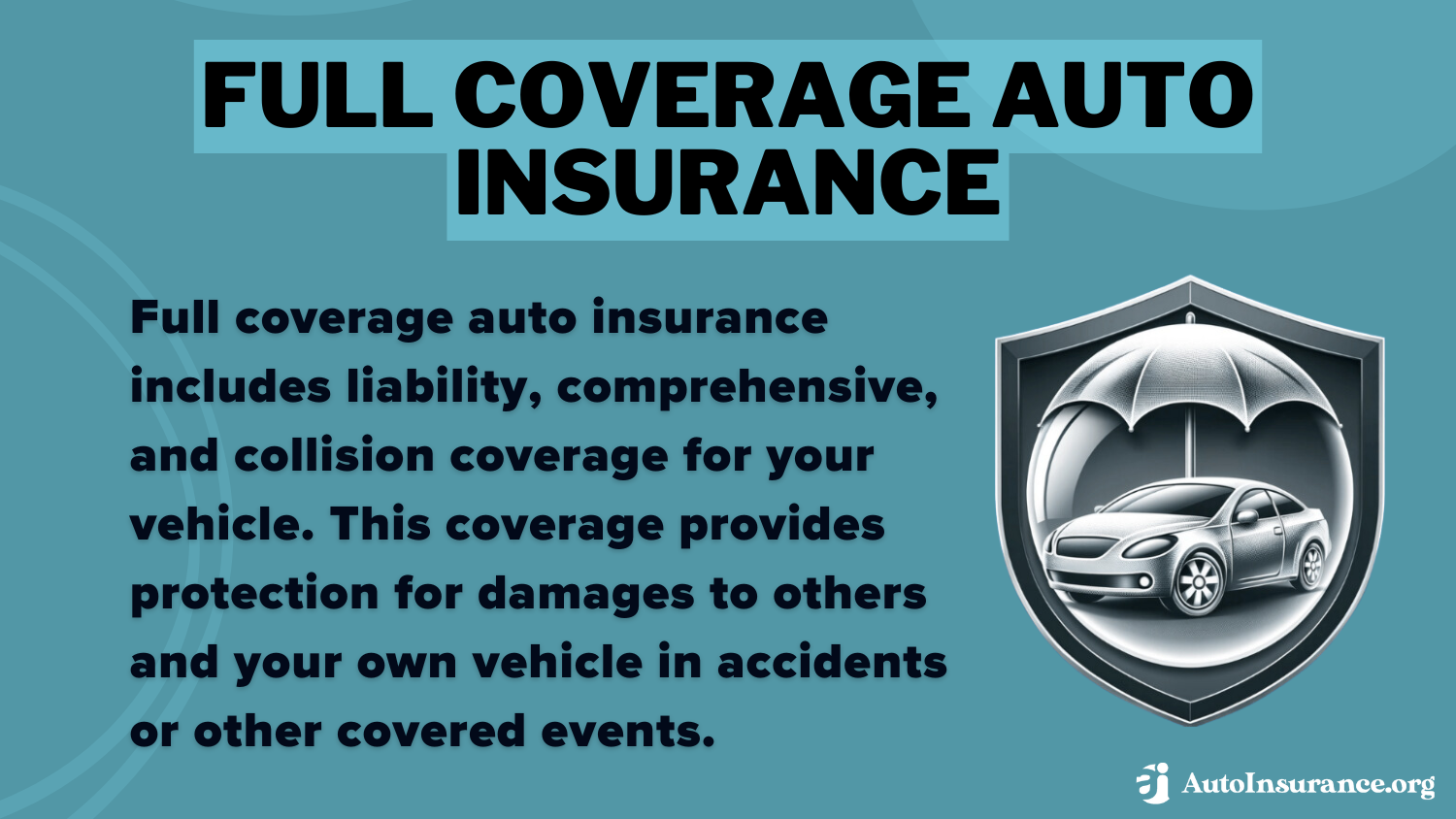
Drivers with older, lower-value cars may opt for liability-only, while those with newer vehicles often choose full coverage for added security. What are the liabilities of a car? You are responsible for loan payments, property taxes, and repairs and maintenance, so the right insurance choice depends on your budget, risk tolerance, and vehicle value.
Free Insurance Comparison
Compare Quotes From Top Companies and Save
Liability Auto Insurance Coverage Costs
Liability auto insurance is the cheapest policy option, averaging $45 per month for safe drivers. This table compares liability auto insurance quotes from the top ten insurance companies against the national average.
Auto Insurance Monthly Rates for Liability vs. Full Coverage
| Insurance Company | Liability Only | Full Coverage |
|---|---|---|
 | $61 | $228 |
 | $43 | $166 |
 | $33 | $124 |
 | $53 | $198 |
 | $30 | $114 |
 | $67 | $248 |
 | $32 | $164 |
 | $39 | $150 |
 | $33 | $123 |
 | $38 | $141 |
 | $22 | $84 |
| U.S. Average | $45 | $165 |
If you’re looking to save money on car insurance, reducing your coverage to liability-only will save you 70% a month. The big difference in price comes from what each policy covers.
Minimum liability insurance only covers the damage you cause to others, compared to full coverage policies that include liability, collision, and comprehensive insurance. If you want better financial protection after an accident, choose full coverage.
Read More: When should I drop my full coverage auto insurance?
Liability Auto Insurance Exclusions and Limitations
Liability auto insurance coverage only pays for damages and injuries you cause to others—it does not cover your own expenses. Understanding these exclusions and limitations helps drivers avoid unexpected financial risks.
- No Coverage For Your Vehicle: Liability insurance does not pay for repairs to your own car after an accident. If you want coverage for your vehicle, you need collision insurance.
- No Coverage For Your Medical Bills: If you’re injured in an accident you caused, liability insurance won’t cover your medical expenses. Medical payment coverage (MedPay) or personal injury protection (PIP) is required in some states for this purpose.
- Policy Limits Apply: Every policy has a maximum payout per person and per accident. If damages exceed your coverage limits, you must pay the difference out of pocket. Higher limits can prevent financial hardship after a severe accident.
Liability auto insurance coverage is essential for meeting legal requirements and protecting yourself from financial liability after an at-fault accident.
If you want the cheapest💲, bare-bones insurance coverage, liability-only coverage is what you need. It complies ✅with state requirements, but that’s it. https://t.co/27f1xf1ARb has the pros and cons of liability-only coverage. Check it out here👉: https://t.co/lfA7qrtsHc pic.twitter.com/MBDIne1wEU
— AutoInsurance.org (@AutoInsurance) March 10, 2024
While it covers injuries and damages to others, it does not pay for your own expenses. Understanding your policy limits and considering higher coverage can help prevent costly out-of-pocket expenses.
Choosing The Best Liability Auto Insurance Coverage Limits
What are the recommended auto insurance coverage levels? Many experts recommend at least 100/300/50 coverage — meaning $100,000 per person, $300,000 per accident for bodily injury, and $50,000 for property damage — to better protect assets.
State minimum liability coverage meets legal requirements but may not be enough for serious accidents. Higher limits help avoid costly out-of-pocket expenses.
Joel Ohman Certified Financial Planner
What is the cheapest car insurance for bad drivers? Liability auto insurance rates are the cheapest, averaging $45 monthly, costing around $120 less per month than full coverage. Rates vary based on location, driving history, and vehicle type, so shopping around helps find the best balance of cost and coverage.
Drivers with significant savings, homeownership, or other valuable assets should consider even higher limits or umbrella insurance for extra coverage. To compare policies and check coverage options in your area, enter your ZIP code for more information on liability auto insurance policies available near you.
Frequently Asked Questions
What does liability auto insurance cover?
Liability auto insurance covers bodily injury and property damage you cause in an at-fault accident. It pays for medical bills, lost wages, and repair costs for the other party but does not cover your own expenses.
What is the best liability coverage for auto insurance?
Many experts recommend $100,000 per person, $300,000 per accident for bodily injury, and $50,000 for property damage. Enter your ZIP code to find the best coverage limits for you.
What is an example of liability auto insurance?
If you run a red light and hit another car, your liability insurance pays for the other driver’s medical bills and car repairs up to your policy limits. Choosing the cheapest liability-only auto insurance can save money, but minimum coverage may not fully cover high accident costs.
What is the meaning of auto liability?
What is liability? Auto liability refers to your legal responsibility for injuries or damages you cause while driving. Liability insurance covers these costs.
What is the liability risk in insurance?
Your liability risk in auto insurance is the financial responsibility of an at-fault accident. Liability car insurance covers this by paying for injuries and property damages you cause in a collision.
Should I get liability auto insurance coverage?
Yes, liability insurance is required in most states and protects you from expensive claims. Higher coverage limits can help prevent out-of-pocket costs after an accident.
What is the best insurance for high-risk drivers?
What is the cheapest car insurance for bad drivers? High-risk drivers may need non-standard insurance from companies like Dairyland, The General, or state-assigned risk pools, which specialize in high-risk auto insurance for drivers with accidents, DUIs, or poor credit.
What is liability auto insurance most likely to cover?
Liability insurance most commonly covers medical expenses, lost wages, and property damage for other parties involved in an accident caused by you.
What is an example of a liability auto insurance claim?
If you rear-end another car and the driver is injured, your bodily injury liability pays for their medical treatment, and property damage liability covers car repairs. Learn how to file an auto insurance claim.
What is the cheapest auto insurance for bad drivers?
Bad drivers may find affordable insurance with Dairyland, The General, or state-assigned risk pools. Rates vary based on driving history, location, and coverage levels. Explore options for cheap auto insurance for a bad driving record to find the best rates.
How does liability coverage work?
What are policy liabilities?
What is the most common liability auto insurance coverage?
Who normally has the cheapest liability auto insurance?
Related Articles
-
Apr 2025

Cheapest Teen Driver Auto Insurance in Virginia for 2026 (Save With These 10 Companies)
-
Aug 2025
Temporary Auto Insurance in 2026 (Short-Term Coverage Guide)
-
May 2025
Compare.com Review for 2026 (Reliable Insurance Quotes?)
-
Jun 2025
Umbrella Insurance Explained (+ Buy or Skip in 2026?)
-
Oct 2024
Cheapest Teen Driver Auto Insurance in New York (Top 10 Companies for 2026)
-
Mar 2025
Best Pay-As-You-Go Auto Insurance in Alabama for 2026 (Top 9 Company Ranking)
Get a FREE Quote in Minutes
Insurance rates change constantly — we help you stay ahead by making it easy to compare top options and save.