








Step #1: File Your Claim
Step #2: Verify Deductible
Reviewing your auto insurance policy is essential to understanding your auto insurance deductibles. What is an insurance deductible? It is which is the amount you must pay out of pocket before your insurance covers the remaining costs of a claim.
The deductible is what you pay out of pocket before your insurance covers the rest. Take a look at the auto insurance deductible definition below.
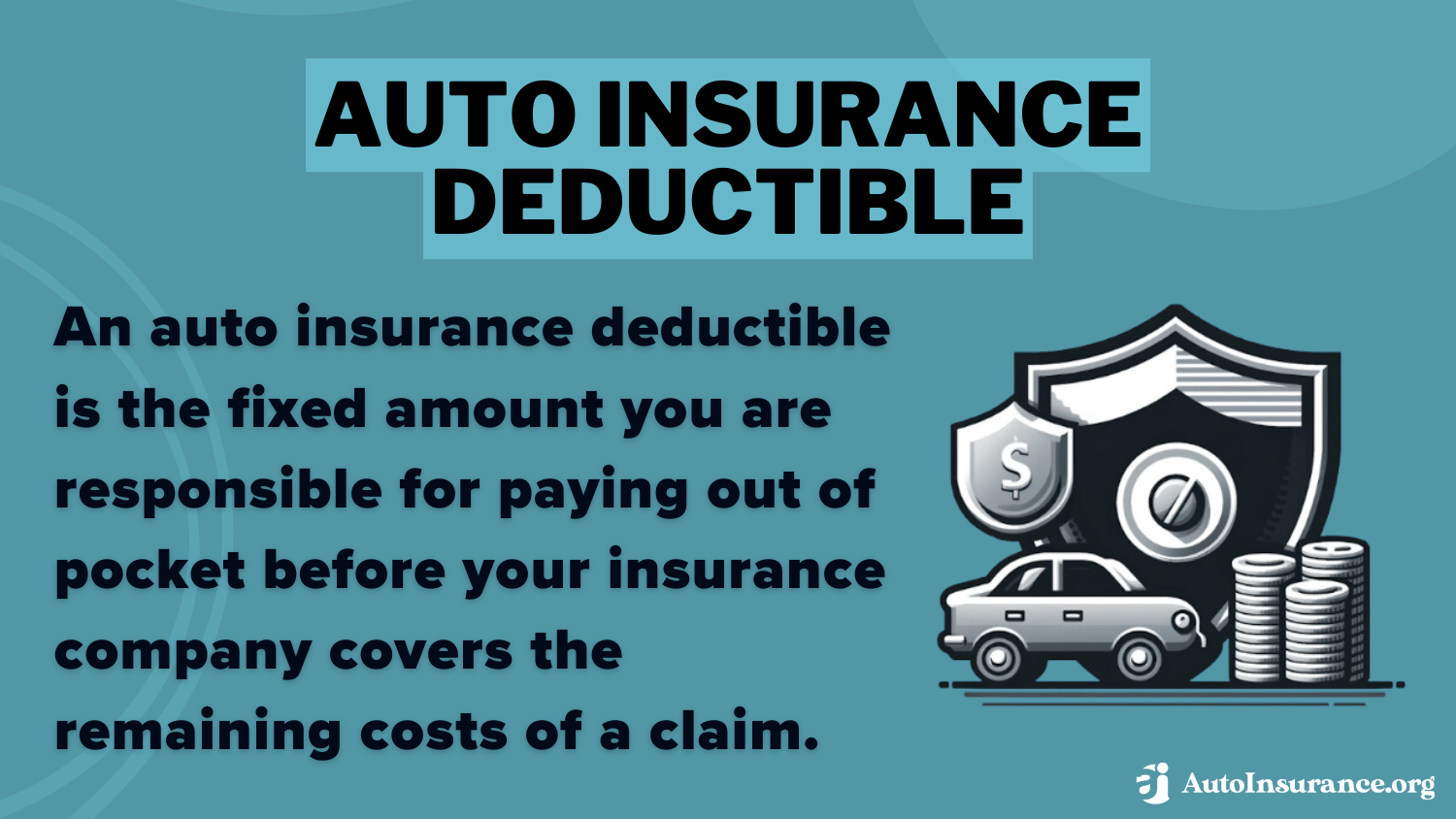
For example, with a $500 deductible and $2,000 in repairs, you’d pay the first $500, and insurance covers the remaining $1,500. Regularly check your deductible during policy renewals to stay aware of your financial responsibility in case of a claim.
Step #3: Estimate Repair Costs
After your claim is approved, choose a repair shop, either from your insurer’s recommended list or any licensed facility. The shop will provide a detailed repair estimate. If you use a preferred shop, they may handle paperwork and approvals directly with your insurance company, streamlining the process.
To file an auto insurance claim, an insurance adjuster may assist with assessing significant damage or high-value repairs, helping you navigate the claims process more effectively (Read More: How to File an Auto Insurance Claim).
- Adjuster’s Role: An insurance company adjuster’s job is to assess the damage, confirm it aligns with the claim, and verify the accuracy of repair estimates for significant damage or high-value claims.
- On-Site vs. Remote Adjustments: The adjuster may evaluate the vehicle in person at the repair shop or review photos and digital estimates submitted by the shop.
- Approval Process: After the evaluation, the adjuster will approve the repair estimate or suggest changes. This approval is needed before repairs can begin.
- Handling Discrepancies: If there are discrepancies between the adjuster’s evaluation and the shop’s estimate, the repair shop and insurer will negotiate the final amount, keeping you informed of issues.
Many insurers now offer remote assessments from insurance adjusters via mobile apps or websites. The insurance adjuster’s evaluation is a crucial step in ensuring that your vehicle is repaired accurately and fairly.
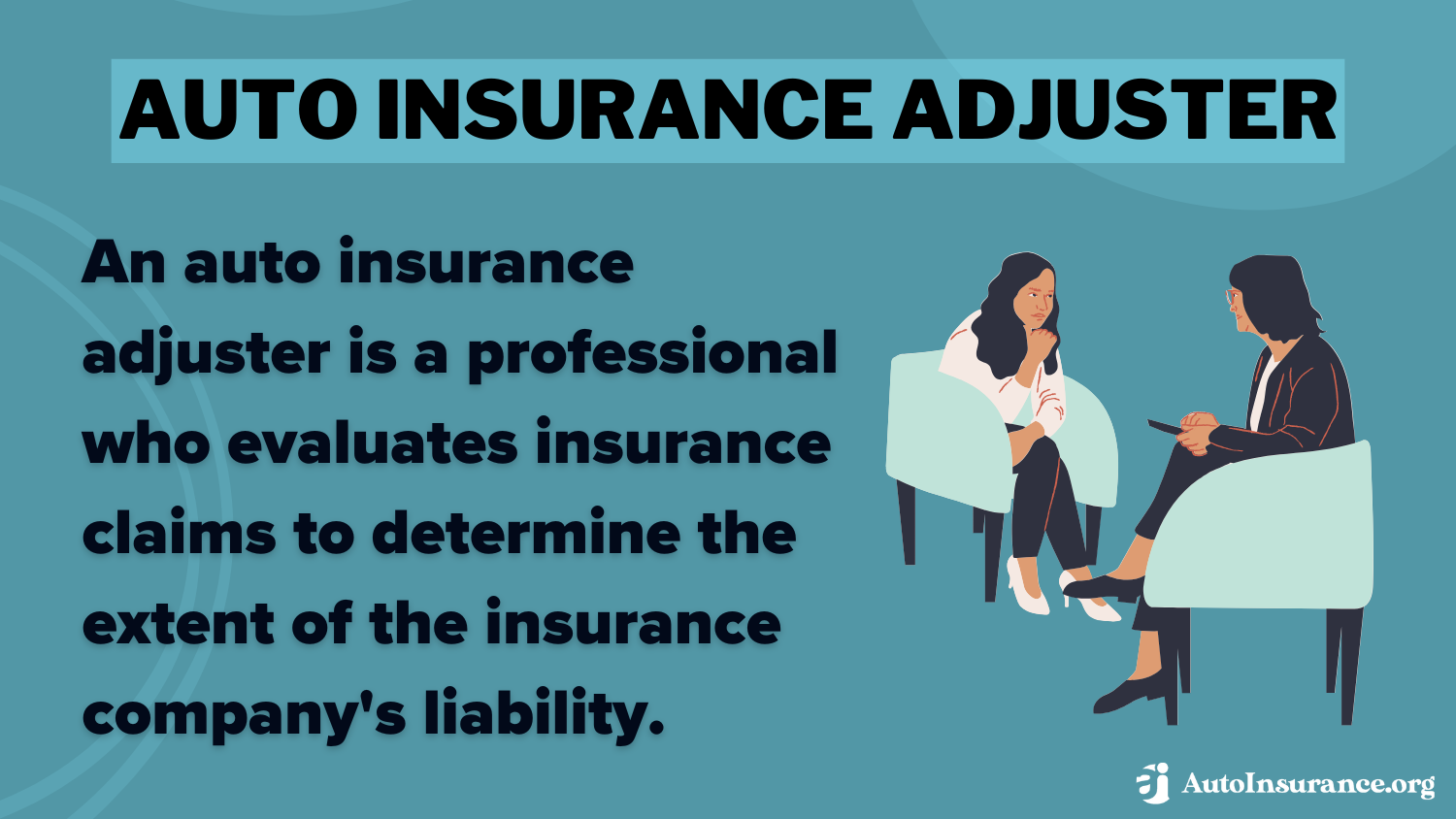
By facilitating communication between the repair shop and the insurer, they help resolve any discrepancies and ensure that the necessary repairs can commence without delay.
Step #4: Pay Your Deductible
So, when do you pay the deductible for car insurance? It depends on the insurance company, but generally, you will pay the repair shop directly before insurance kicks in, or the deductible will be deducted from your claim check.
Wondering who do I pay my car insurance deductible to? You will pay the deductible directly to the repair shop before retrieving your car. This deductible, which is the out-of-pocket amount specified in your insurance policy, will be part of the total repair cost outlined in a detailed invoice provided by the shop.
To pay your auto insurance deductible, simply confirm the amount with your insurer and settle it directly with the repair shop after repairs.Daniel Walker Licensed Auto Insurance Agent
The invoice will specify the total repair cost, the amount covered by your insurance, and your deductible. For example, if the total repair cost is $1,500 and your deductible is $500, the shop will indicate that you owe $500 while the insurance covers the remaining $1,000.
Be sure to check the accepted payment methods, such as cash, credit, or debit cards, and settle the payment before taking your vehicle home to avoid delays. Understanding how auto insurance payments work can help ensure a smooth process.
Step #5: Receive Claim Payout
Direct reimbursement in auto insurance occurs when your insurer pays you directly for covered damages instead of sending payment to a repair shop. This option is often available for minor damage that doesn’t require professional repairs, such as cosmetic issues like scratches or dents, or when you choose to handle repairs on your own.
To initiate auto insurance deductible reimbursement, you must file a claim with your insurance company, which will assess the damage and determine the total repair costs.
After subtracting your deductible from the approved claim amount, the insurer will issue a check or direct deposit for the remaining funds.
This process gives you greater control over how and when to make repairs, allowing you to choose any service provider or manage repairs yourself; thus, knowing how to manage your auto insurance policy is essential. However, not all policies include direct reimbursement options, so it’s important to review your coverage details and consult your insurer for specific conditions and limitations.
Free Insurance Comparison
Compare Quotes From Top Companies and Save
How Your Deductible Works With Your Auto Insurance Policy
Your auto insurance policy includes coverage for property damage, such as collision insurance. Collision auto insurance coverage includes claims that are not covered through basic auto liability coverage, which is required under most state laws.
If your auto insurance company requires a deductible for certain optional coverages, there may be a minimum amount of a deductible that you are required to agree to. See how different deductibles can affect rates below.
Car Insurance Rates by Deductible Amount
| Deductible Amount | Minimum Coverage | Full Coverage |
|---|---|---|
| $250 | $85 | $180 |
| $500 | $75 | $160 |
| $1,000 | $65 | $140 |
| $1,500 | $55 | $125 |
| $2,000 | $50 | $110 |
With some coverages and insurance companies, you may have the option to raise the deductible level above the minimum levels that are standard for the company. Whatever the amount of deductible you decide on, you can find the relevant information for your auto insurance policy on the declarations page.
Auto Insurance Monthly Rates by Provider & Coverage Level
| Insurance Company | Minimum Coverage | Full Coverage |
|---|---|---|
 | $50 | $130 |
 | $45 | $120 |
 | $48 | $125 |
 | $47 | $135 |
 | $55 | $140 |
 | $53 | $138 |
 | $49 | $132 |
 | $52 | $128 |
 | $51 | $127 |
 | $54 | $136 |
This table compares auto insurance monthly rates by provider and coverage level. USAA offers the lowest minimum coverage rate at $45, while Allstate has the highest at $55. For full coverage, State Farm has the lowest rate at $130, with Progressive at $135. This overview helps consumers assess their options based on budget and coverage.
Deductibles are generally applicable to collision or comprehensive insurance policies. If you make a claim under your collision or comprehensive coverage, you may have to pay out a deductible before the insurance company pays out any additional money for your claim.
Evaluating Whether to File a Claim With Your Auto Insurance Policy
The amount of your deductible and the damage to your car will help you decide whether it is worth it to actually file a claim for physical damage under your auto insurance policy. If your deductible is high and repair costs are low, it’s often better to pay out of pocket, as you won’t receive any insurance payout if repairs exceed the deductible.
In addition, some drivers are cautious about filing a claim with their auto insurance company because they are afraid that their auto insurance rates will increase if they file a claim.
While this may be true, if you have excessive damage to your vehicle, it may be necessary to file a claim to have the repair work completed so that you are not driving an unsafe car and are able to maintain the car in a satisfactory condition for resale or trade-in down the line.
When you are shopping around for auto insurance companies, remember that your level of deductible and the cost of your auto insurance premium are only some of the factors that you should consider to select the auto insurance policy that is right for you.
You should also pay attention to the track record of the particular auto insurance company you are considering to make sure that they actually have a reputation for paying out claims in an efficient manner for damage above the amount of your deductible.
They should also have a decent reputation for customer service in your area.
In addition to consulting friends and family about their auto insurance companies, check your state’s Department of Insurance for the company’s standing and customer complaint history. It’s crucial to ensure your insurer will fairly handle claims.
Navigating Your Auto Insurance Deductible
Paying your auto insurance deductible involves a straightforward process after filing a claim, especially when seeking cheap auto insurance after an accident. First, understand the car insurance deductible definition, which is the out-of-pocket expense you must pay before your insurance covers the rest of the claim.
After an accident, promptly report it to your insurance company, who will investigate the claim and approve repairs.
Select a repair shop and get an estimate for the necessary repairs. As for when do you pay a deductible for car insurance, you will pay it after the work is completed directly to the shop as indicated in the invoice. Depending on your policy, you may receive direct reimbursement for covered damages. Regularly review your deductible and policy details to stay informed about your financial responsibilities when filing a claim.
To find out if you can get cheaper auto insurance rates, enter your ZIP code into our free quote tool below to instantly compare prices from various companies near you.