

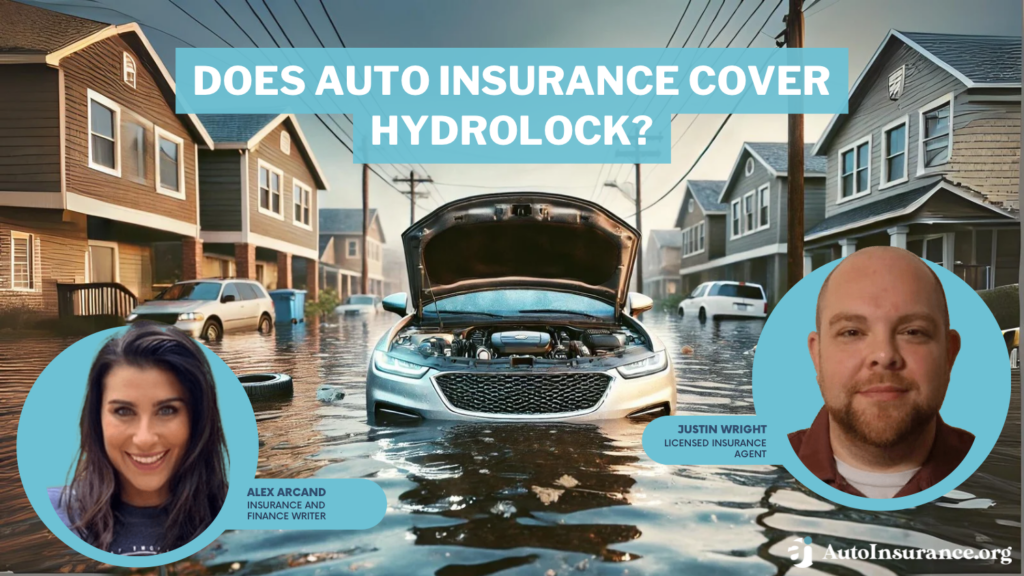
Does auto insurance cover hydrolock?
Auto insurance does cover a hydrolocked engine under certain circumstances, but companies can deny your claim if neglect or misuse is proven. Learn how to make sure you're covered for this situation.
Read more





Table of Contents
Table of Contents

Insurance and Finance Writer
Alexandra Arcand is an outreach administrator and insurance expert located in North Central Ohio. She has a passion for writing, investing, and education. As an insurance content writer for over three years, Alexandra has first-hand experience in business finance, economics, and real estate. She leads an outreach writing team that specializes in travel, real estate, healthcare, law, finance, an...
Alexandra Arcand

Licensed Insurance Agent
Justin Wright has been a licensed insurance broker for over 9 years. After graduating from Southeastern Seminary with a Masters in Philosophy, Justin started his career as a professor, teaching Philosophy and Ethics. Later, Justin obtained both his Property & Casualty license and his Life and Health license and began working for State Farm and Allstate. In 2020, Justin began working as an i...
Justin Wright
Updated December 2024
When it comes to your car, any mechanical malfunction or failure is cause for concern, and it’s worth knowing whether your policy can cover a hydrolocked engine insurance claim.
Without comprehensive insurance, you are probably not covered for damage caused by hydrolock. Whether your policy will cover the damage can also depend on the specific cause, as many insurers have exclusion policies. For instance, if the car died after driving through water, fixing a hydrolocked engine might not be covered. Additionally, understanding the symptoms of a hydrolocked engine can help in determining your coverage.
Hydrolock repairs can be expensive, and in severe cases, you might need to pay for a complete engine rebuild or replace your vehicle entirely. This article will help you understand how hydrolock can occur, which types of insurance cover it, and why your policy might not pay out.
- Only a comprehensive insurance policy can cover your vehicle in the event of hydrolock
- An insurance company could deny your claim if the damage occurred due to negligence or misuse
- Hydrolock happens when too much water gets into the cylinders in your car engine
Does my insurance cover hydrolock?
If you have concerns about your vehicle, you should know whether your policy covers hydrolock. Most car insurance fits into the three categories of liability, collision, and comprehensive coverage:
- Liability. Liability insurance pays for collision damage and bodily injury from a collision where you are at fault.
- Collision. Collision insurance covers the cost of any damage to your vehicle caused by someone else during a collision.
- Comprehensive. Comprehensive insurance covers a wide range of non-collision-related damage.
Only a comprehensive auto insurance claim can protect you in the event of a hydrolocked engine. While liability and collision insurance policies only protect against damages related to a traffic collision. Since a hydrolocked engine is almost always a mechanical issue, these policy types generally cannot cover your engine insurance claim.
When can a company deny my hydrolocked engine insurance claim?
Even if your policy covers engine damage, your insurance company might reject your claim if there are exclusions in your coverage. Typically, insurance policies have exclusions to prevent payment on potentially fraudulent claims or damage caused directly by the policyholder. This means that, for example, if you have a hydrolocked engine due to gasoline or oil contamination, or a hydrolocked motor, the insurance company could deny your claim based on these exclusions.
The typical exclusions related to a hydrolocked motor are neglect and misuse. If your insurance company finds that your claim falls into one of these categories, you may be responsible for the full repair costs. To prevent such situations, it’s crucial to understand your policy’s details and exclusions, including how it handles signs of a hydrolocked engine. Additionally, it’s worth noting that Gap insurance may not cover engine failure due to hydrolock.
Neglect
Insurance companies view neglect as any inaction that leads to damage to your vehicle. If an engine becomes hydrolocked due to insufficient maintenance or a lack of preventive measures, you may be responsible for the repair costs. This can include the cost of repairing water in the engine. Remember, insurance won’t total a flooded car simply because of water damage. For such cases, it’s important to have adequate flood coverage for your car.
Even with coverage for flood damage to a car, your policy may not cover the situation if you left your vehicle with its windows or sunroof open before a rainstorm or hurricane. This could result in a hydrolocked car being considered a total loss, and in such cases, the question of whether a hydrolocked engine is repairable becomes irrelevant.
Misuse
If your insurance company determines that your hydrolocked engine was due to your misuse of the vehicle, the insurance company could deny your insurance claim. Examples of misuse include attempting to drive your car through standing water during a flood or modifying your vehicle in ways that leave it vulnerable to damage.
Fixing a hydrolocked engine can be a significant expense that your insurance policy might not cover. However, this situation is often preventable with proper precautions, careful driving, and good judgment, especially if you are aware of the warning signs, such as the sound of a hydrolocked engine.
What is hydrolock?
Hydrolock, or hydrostatic lock, is a mechanical failure caused by excessive water or other liquid getting into your engine and causing it to seize. Pistons within the cylinders compress air as part of the internal combustion reaction that powers your vehicle. When fluid starts to fill this small space, it can prevent them from functioning.
Based on how fast your car is going when the engine fails, the force of a sudden seizure can lead to bent or broken rods or cracks in the engine block. Depending on the extent of the damage, this can make your vehicle completely inoperable. Understanding how this can occur helps you recognize when your car could be at risk.
What causes hydrolock?
The most common causes of hydrolock involve exposure to large amounts of water, typically during a hurricane, flash flood, or severe rainstorm. Water can get into your engine through its air intake, which sits lower on some vehicle models than others.
In addition to high water levels and heavy rain, coolant might get into your cylinders if there is a crack or leak in need of repair. A damaged carburetor or fuel injector can also potentially result in excess fluid, leading to a hydrolocked engine if left unaddressed for too long.
Many common causes of hydrolock are preventable, but if your car sustains severe damage, it can result in expensive repairs.
How much does it cost to repair a hydrolocked engine?
With any significant damage to your engine, you could be looking at a substantial amount of money for repairs. Depending on the extent of the damage, you might have to pay to replace the entire engine, which costs thousands of dollars.
In the most severe cases, there could be damage to other systems in your car, which means the repair cost could exceed the total value of your vehicle. Having the right coverage helps protect you from shouldering the burden of a costly repair.
How can I prevent hydrolock?
If you live in a city that experiences severe water-related weather, your car is at a greater risk for hydrolock, especially if your area floods.
You can help protect your vehicle by storing it in a garage or covered parking above sea level and exercising caution during flood conditions. Avoid driving through floodwaters, regardless of their apparent depth.
Since mechanical issues can also lead to hydrolock, keep your car well-maintained and get any repairs done before they have a chance to become a bigger problem. In many cases, this is avoidable, so be proactive and exercise good judgment.
Final Thoughts on Hydrolock Coverage
Hydrolock is a major mechanical malfunction resulting in an inoperable vehicle and high repair costs. It is worth understanding what causes hydrolock, how to prevent it, and which insurance coverage can protect you if it happens to your car.
Frequently Asked Questions
Does my insurance cover hydrolock?
Most car insurance policies do not cover hydrolock damage unless you have comprehensive coverage. Liability and collision insurance policies typically do not cover mechanical issues like a hydrolocked engine. It’s important to review your policy to understand what is covered.
When can a company deny my hydrolocked engine insurance claim?
Even if you have coverage for engine damage, your insurance company can deny your claim if your policy includes exclusions. The most common exclusions for hydrolock are neglect and misuse of the vehicle. Neglect refers to failure to properly maintain or take preventative measures, while misuse involves actions like driving through floodwaters or making modifications that leave the vehicle vulnerable to damage.
What causes hydrolock?
The most common causes of hydrolock are exposure to large amounts of water, such as during a hurricane, flash flood, or severe rainstorm. Water can enter the engine through the air intake, especially if it sits lower on certain vehicle models.
How much does it cost to repair a hydrolocked engine?
The cost of repairing a hydrolocked engine can vary depending on the extent of the damage. In severe cases, where the engine needs to be replaced entirely, the cost can amount to thousands of dollars.
Does insurance cover hydrolock?
Auto insurance typically does not cover hydrolock unless you have comprehensive coverage. Comprehensive insurance may cover damage from hydrolock if it is due to natural events like floods. However, coverage may vary based on the insurance policy and provider.
Does car insurance cover hydrolocked engine?
Generally, car insurance does not cover a hydrolocked engine unless you have comprehensive insurance. Coverage might depend on the cause of the hydrolock and any exclusions in your policy.
What is hydrolocking an engine?
Hydrolocking, or hydrostatic lock, occurs when water or another liquid enters the engine’s cylinders and prevents the pistons from moving, causing the engine to seize up.
Can a hydrolocked engine be fixed?
Yes, a hydrolocked engine can often be repaired, but the extent of the damage will determine whether a repair or a full engine replacement is necessary.
Can driving through water damage a car?
Yes, driving through water can damage a car, especially if the water is deep enough to enter the engine or other critical components. This can lead to hydrolock and other issues.
Can you rebuild a hydrolocked engine?
In many cases, a hydrolocked engine can be rebuilt, but it might be more cost-effective to replace the engine depending on the damage.
Does boat insurance cover a blown engine?
Does car insurance cover driving through flood water?
Does car insurance cover flooded cars?
Does comprehensive coverage include water damage?
Does full coverage cover a blown engine?
Does Gap insurance cover engine failure?
Does State Farm cover blown engines?
How do I know if my car is hydrolocked?
How does a car get hydrolocked?
How much does it cost to fix a hydrolocked engine?
How to fix a hydrolocked engine?
How to tell if an engine is hydrolocked?
How to restart a car after stalling in water?
How to un-hydrolock an engine?
What causes an engine to hydrolock?
What does a hydrolocked engine mean?
What happens if you hydrolock your engine?
What happens when water gets into the engine?
What to do after driving through water?
Will a hydrolocked engine crank?
Will a hydrolocked engine turn over?
Will car insurance cover water damage?
If my car was flooded, is it covered?
More FAQsRelated Articles
-
Jul 2026

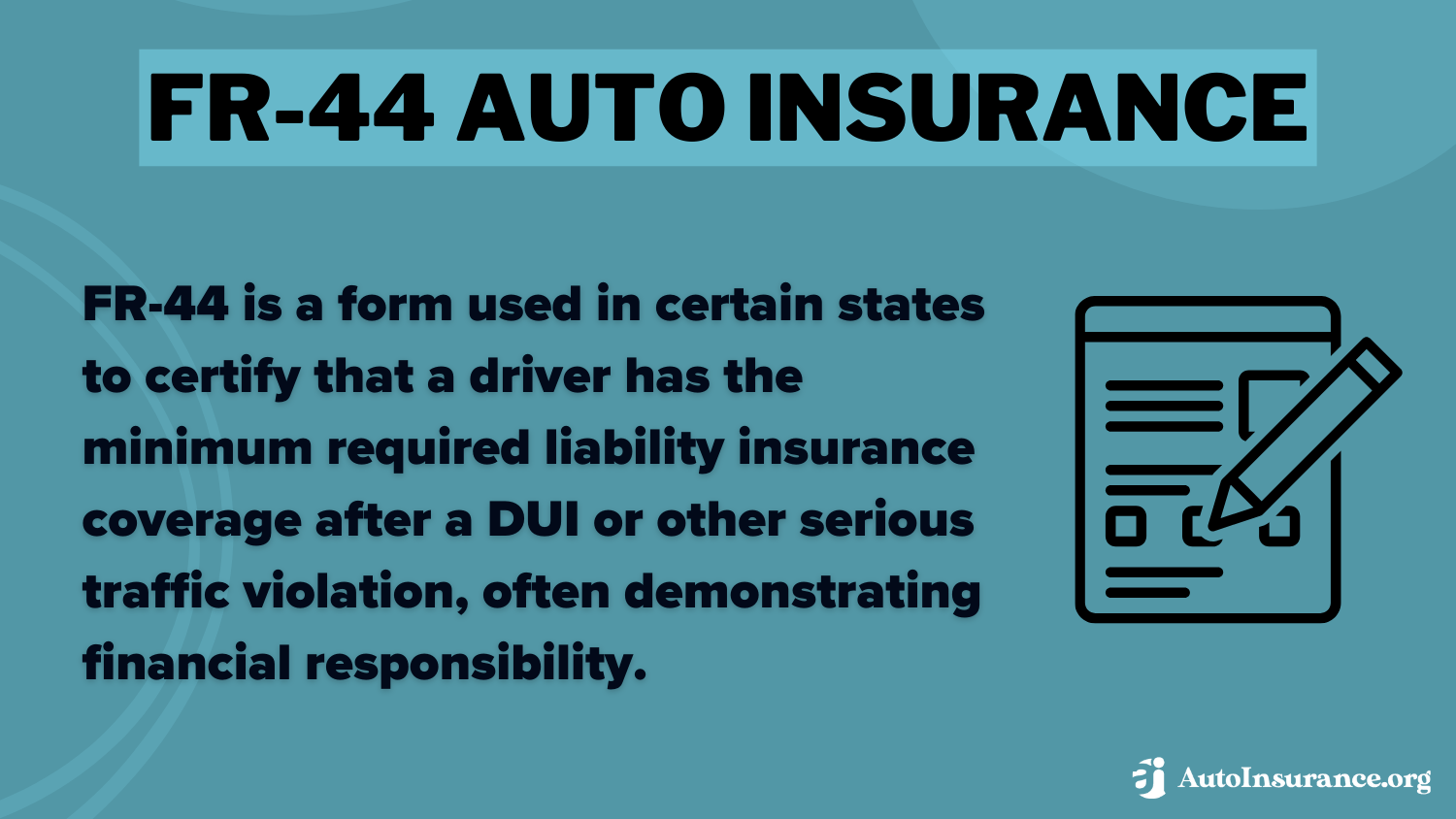
FR-44 Auto Insurance in 2026 (Get the Facts)
-
Oct 2024
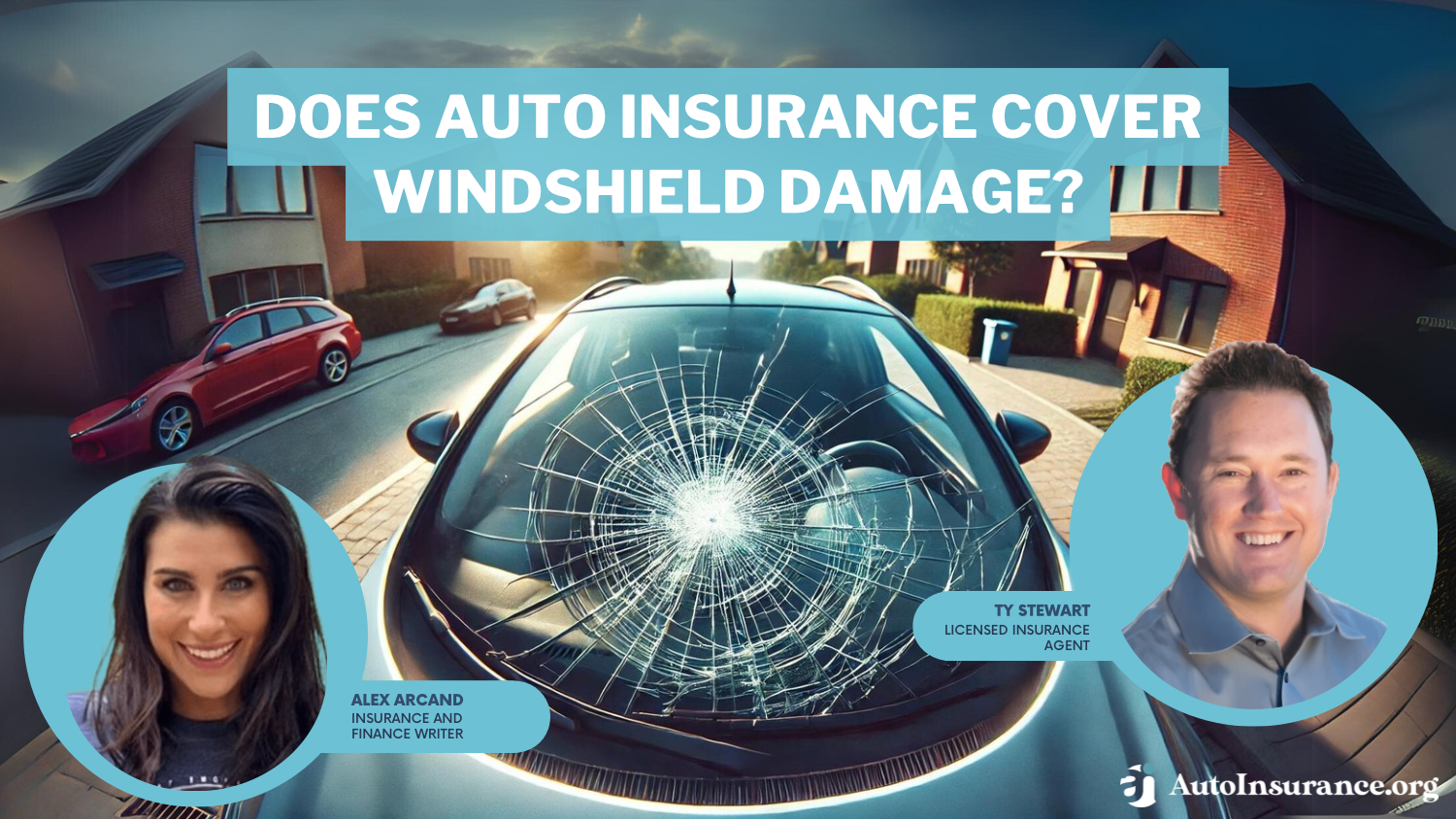
Does car insurance cover windshield damage or replacement?
-
Aug 2026
Do you need auto insurance to get a license plate? (2026)
-
Feb 2025
Utah Minimum Auto Insurance Requirements for 2026 (Learn What UT Requires)
-
Jun 2025
When should I add my child to my auto insurance?
-
Dec 2024
Police Citation: What All Drivers Should Know in 2026


Get a FREE Quote in Minutes
Insurance rates change constantly — we help you stay ahead by making it easy to compare top options and save.