

How to Change Auto Insurance When Moving Out of State in 2026 (7 Easy Steps)
Learn how to change auto insurance when moving out of state, a process followed by 63% of individuals who move to another state. Start by contacting your insurer, understand new auto insurance laws, compare quotes, ask about discounts, cancel or transfer your policy, and update your credentials.
Read more




Table of Contents
Table of Contents

Managing Editor
Laura Kuhl holds a Master’s Degree in Professional Writing from the University of North Carolina at Wilmington. Her career began in healthcare and wellness, creating lifestyle content for doctors, dentists, and other healthcare and holistic professionals. She curated news articles and insider interviews with investors and small business owners, leading to conversations with key players in the le...
Laura Kuhl

Licensed Insurance Agent
Eric Stauffer is an insurance agent and banker-turned-consumer advocate. His priority is educating individuals and families about the different types of insurance coverage. He is passionate about helping consumers find the best coverage for their budgets and personal needs. Eric is the CEO of C Street Media, a full-service marketing firm and the co-founder of ProperCents.com, a financial educat...
Eric Stauffer
Updated March 2025
How you change auto insurance when moving out of state involves several key steps. First contact your current insurer, understand new insurance laws, compare quotes, ask about discounts, cancel or transfer your policy, activate the new policy, and update your credentials.
With 63% of drivers needing to adjust their coverage, following these steps ensures compliance with state laws while finding the best rates. There are several factors that affect auto insurance rates, such as your driving record, credit history, car make and model, age, and driving experience.
Find the best auto insurance rates no matter how much coverage you need by entering your ZIP code above into our comparison tool today.
- Step #1: Contact Current Insurer – Notify your insurance provider
- Step #2: Auto Insurance Laws – Regulations for vehicle coverage
- Step #3: Compare Insurance Quotes – Evaluate different coverage options
- Step #4: Asking About Discounts – Inquire about potential savings
- Step #5: Cancel or Transfer Policy – End or move coverage elsewhere
- Step #6: Activate New Policy – Start new insurance coverage
- Step #7: Update Credentials – Refresh personal information documents
7 Steps to Change Auto Insurance When Moving Out of State
Changing your auto insurance when moving out of state is a straightforward process, but you need to understand the state requirements for vehicle coverage to avoid any gaps in coverage. Below we’ll walk you through the key steps to change your auto insurance when moving out of state.
Step #1: Contact Your Current Insurer
When planning a move to a new state, contact your current auto insurance provider to inform them and inquire about their process for canceling or transferring your policy. If your provider operates in the new state, they may adjust your existing policy to meet local requirements.
Step #2: Auto Insurance Laws
No matter where you live or where you move to, you will likely be legally obligated to secure some type of auto insurance. However, minimum auto insurance requirements vary by state, so you’ll probably have to adjust your coverage when you move.
Wherever you move, auto insurance is required, but state laws differ, so you may need to update your coverage.
Auto insurance protects you and others on the road. Even though laws regarding auto insurance types and limits will vary from one state to the next, you are unlikely to escape this driving responsibility.
Step #3: Compare Insurance Quotes
When adjusting your moving out of state car insurance, it’s essential to compare monthly rates from different providers to match your coverage requirements. Below is a breakdown of monthly premiums for minimum and full coverage auto insurance from top insurance companies.
Auto Insurance Monthly Rates by Provider & Coverage Level| Insurance Company | Minimum Coverage | Full Coverage |
|---|---|---|
 | $61 | $160 |
 | $44 | $117 |
 | $53 | $139 |
 | $30 | $80 |
 | $68 | $174 |
 | $44 | $115 |
 | $39 | $105 |
 | $33 | $86 |
 | $37 | $99 |
 | $22 | $59 |
For minimum coverage, rates range from $22 with USAA to $68 with Liberty Mutual. Full coverage rates vary between $59 with USAA and $174 with Liberty Mutual. Be sure to evaluate these monthly rates to find the best option for your needs as you transition to a new state.
By comparing multiple quotes, you can adjust your coverage to meet state laws, explore discounts, and ensure you get the most competitive rate. This approach helps you save money while securing the right protection for your new location.
Step #4: Asking About Discounts
When moving car insurance to a new state, you may face the possibility of higher premiums. So, it’s important to look for ways to lower rates. Now is a good time to be sure you are getting the most out of any car insurance discounts that are available to you.
Many times you do need to specifically ask for auto insurance discounts as they are not automatically applied to your account. Here are some common discounts to ask your car insurance carrier about:
- Safe Driver Discount: A discount given to drivers with a clean driving record, free of accidents or traffic violations, or to those who have completed a defensive driving course, as they pose a lower risk to insurance companies.
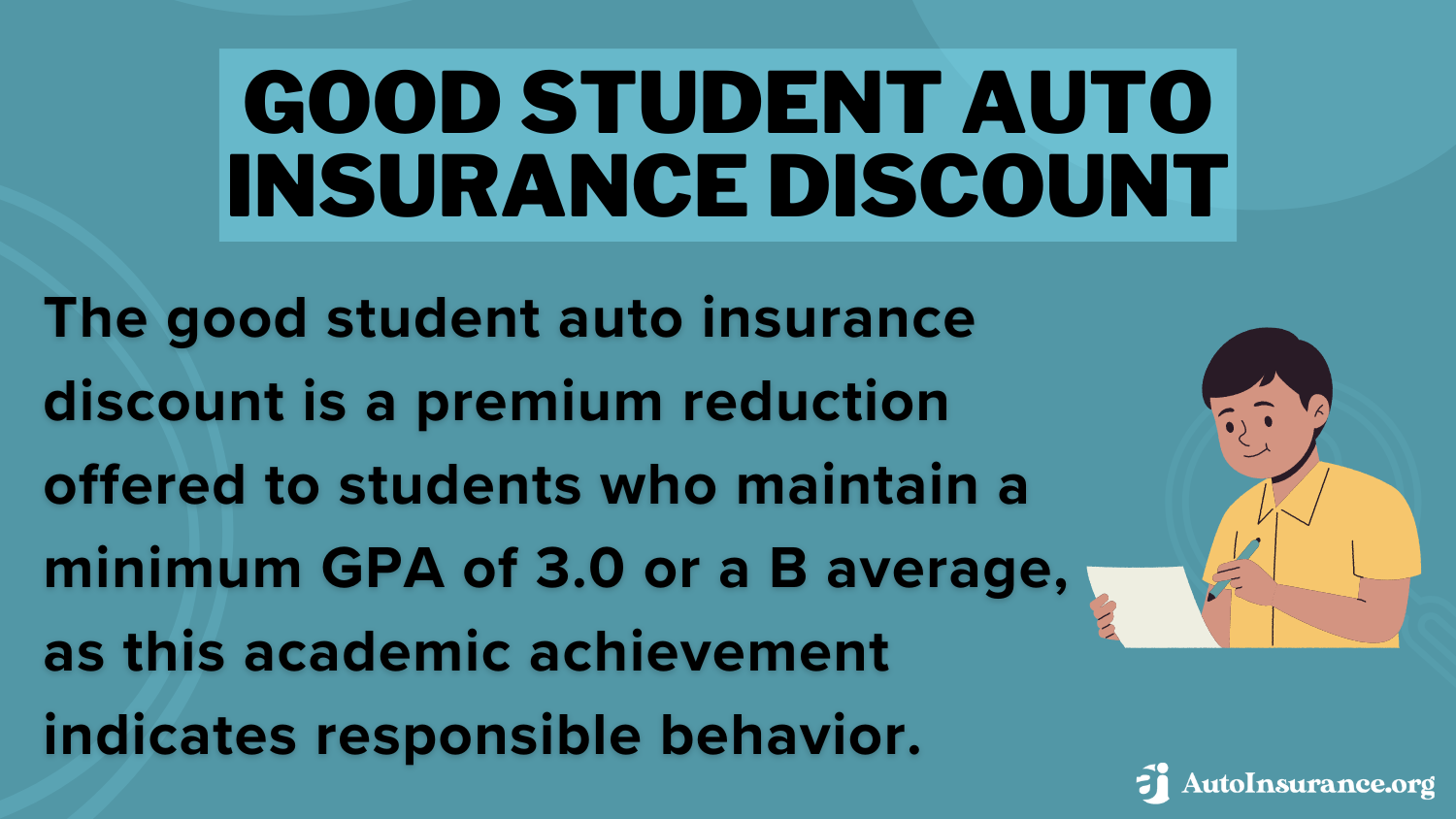
- Good Student Discount: A discount available to young drivers, typically under 25, who maintain a certain grade point average (often a B or higher), reflecting responsibility and lower risk to insurers.
- Veterans Discount: A special discount offered to former military personnel as a way to honor their service, typically providing reduced premiums on auto insurance policies.
- College Student Discount: A discount given to students who attend school far from home or out of state, as they may drive less frequently, reducing the insurer’s risk.
- Multi-Vehicle Discount: A discount offered to policyholders who insure two or more vehicles with the same insurance company, resulting in lower premiums for bundling coverage.
Remember, available discounts may be different in a new state. When you update your policy, check to see if new discounts are available. Whether you’re a safe driver, a student, or a veteran, it’s always worth asking your insurance provider about the discounts you may qualify for.
Step #5: Cancel or Transfer Your Policy
If your current auto insurance provider operates in your new state, they can often transfer your policy, allowing for a smooth transition. Be sure to contact them in advance to adjust your coverage as needed to meet state requirements.
However, if they don’t offer coverage in your new state, you’ll need to cancel your policy and secure a new one before your move. This ensures you avoid any gaps in coverage, preventing legal or financial issues. Make sure the new policy is active by your moving date to stay protected and compliant. Discover more about what an auto insurance policy looks like.
Step #6: Activate New Policy
It is crucial to ensure that your new auto insurance policy begins on or before your moving date to maintain continuous coverage and avoid any potential gaps. Having a lapse in coverage, even for a short period, could result in significant legal and financial consequences. For detailed information, find out what proper auto insurance covers.
When moving out of state, it's essential to contact your current insurer, compare quotes for your new location, and ensure your new policy is active before your move to avoid any coverage gaps.Jeff Root Licensed Insurance Agent
If you drive without insurance in your new state, you may be subject to fines, license suspension, or other legal penalties depending on local laws. Furthermore, if an accident occurs while you’re uninsured, you would be held personally responsible for any damages or medical costs, which could be financially devastating.
In addition, insurance companies might view a gap in coverage as a risk factor, which could lead to higher premiums when you do get insured again. To prevent these issues, make sure to coordinate with your current and new insurance providers to ensure your new policy is active when you need it, protecting you from both legal liabilities and the financial burden of potential accidents.
Step #7: Update Credentials
It’s crucial to update your vehicle registration and driver’s license within 30 days of moving to a new state, as many insurers require proof of residency to adjust or finalize your policy. Failing to comply can result in fines, insurance complications, or coverage gaps. For more details, refer to how auto insurance companies check driving records.
This process typically involves visiting the DMV with documents like proof of residency, insurance that meets state requirements, and ID. Some states may also require a vehicle inspection or emissions test. Updating your information ensures compliance with state laws and avoids complications with your insurance coverage.
Other Ways to Save on Your Auto Insurance Rates
In addition to exploring discounts, there are several practical steps you can take to lower your auto insurance premiums. Here are a few key strategies to help reduce your rates and save money.
Parking in a Garage
Your auto insurance premium is based mainly on the risk the insurance company takes to insure you. If you park your car in a garage, it is less likely to be vandalized, stolen, or damaged by hail or other weather elements.
You may end up paying a lower premium than people who do not park their vehicles in a garage. Figure out which cars have the lowest auto insurance premiums.
Local Commute
Not putting as many miles per year on your vehicle by working or going to school close to home can also help control your auto insurance premium, not to mention how much you pay at the pump. Find the best low-mileage auto insurance discounts.
New Car Based on Insurance Rates
If you are or soon will be shopping for a new vehicle, talk to your insurance company about what types of cars have lower premiums. Although moving out of state can leave you with lots of things to do in a short amount of time, it is very important to get your auto insurance switched to your new state. Take a look at auto insurance rates by state.
One benefit of needing to do the switch is that it is a good time to use an online price comparison tool to make sure you are getting the best rate that you can. Taking these steps not only helps reduce your auto insurance premium but also ensures you have the appropriate coverage for your new state. Use this opportunity to compare rates and find the best deal for your situation.
Your Guide in Updating Auto Insurance After Moving to a New State
When moving to a new state, it’s essential to update your auto insurance to comply with local laws. Start by contacting your current insurer to see if they offer coverage in the new state or if you need to cancel your policy. For additional information, take a look at our article: Why did my auto insurance rates increase when I moved?
Compare quotes from different providers to find the best rate, ask about discounts, and ensure your new policy is active before your move. Additionally, update your vehicle registration and driver’s license within 30 days to avoid legal issues and maintain continuous coverage.
Explore your auto insurance options by entering your ZIP code into our free comparison tool below today.
Frequently Asked Questions
What steps should I take for auto insurance when moving out of state?
When moving out of state, notify your insurer, check if they operate in the new state, and adjust your policy to meet local requirements. If not, compare quotes and secure new coverage.
Can I keep my car insurance if I move to another state?
In most cases, you’ll need to adjust or change your car insurance when moving to another state to comply with that state’s coverage requirements. Contact your insurer to confirm if you can keep your current policy.
Do I need new car insurance when moving to another state?
Yes, you will probably need to get a new car insurance policy when relocating to a different state to comply with the minimum auto insurance requirements by state. Your existing policy might not satisfy the required minimum coverage in the new state.
Do I need to change my car insurance if I move out of state?
Yes, most states require you to switch to a policy that complies with their minimum coverage laws, so changing your car insurance when moving states is necessary.
How long do you have to change your car insurance when you move?
Typically, you have 30 to 90 days to update your car insurance after moving to a new state. Be sure to check the exact time frame with your new state’s DMV.
Enter your ZIP code below to start comparing premiums from highly-rated insurers in your area.
How to switch car insurance to another state?
How to transfer insurance to another state? To switch car insurance to another state, contact your current provider to see if they operate in the new state, compare quotes, and secure a new policy that complies with local laws. For full details, see our guide, “Can you access your auto insurance policy online?”
Will my car insurance cover me if I move to another state?
Your car insurance will temporarily cover you during the move, but you will need to update your policy to reflect your new address and comply with your new state’s insurance laws.
Does car insurance work if I move out of state?
Car insurance works temporarily if you move out of state, but you must change or transfer it to comply with the new state’s laws. Failure to do so could result in legal penalties. For more details, refer to our report, “Is there a penalty for changing auto insurance?”
Do you have to switch car insurance when you move?
Yes, most states require you to switch car insurance when you move to ensure your policy meets state-specific coverage requirements.
How to change car insurance when moving out of state?
Changing car insurance when moving out of state starts by notifying your insurer, comparing quotes from providers in your new state, and securing a new policy before your move.
What’s the process of transferring auto insurance from one state to another: ?
Do you need to change car insurance when you move states?
Will my car insurance cover me if I move out of state?
How to change car insurance when moving states?
Get a FREE Quote in Minutes
Insurance rates change constantly — we help you stay ahead by making it easy to compare top options and save.
