Insurance Coverage Limit in 2026 (Important Details Explained)
The insurance coverage limit in your policy plays a crucial role in protecting you financially after an accident. In the worst U.S. counties for drunk driving, where over 30% of accidents involve alcohol, minimum coverage often falls short, leaving drivers with low auto policy limits at risk of major expenses.
Read more





Table of Contents
Table of Contents

Social Media Manager & Professor
Ashley Dannelly has a Master of Arts in English and serves as the Social Media Manager for Quote.com's portfolio of websites. Ashley also teaches English at Columbia International University and other higher education institutions. Ashley’s background in English and media has allowed her the unique opportunity to edit and create content for many publications, including Livestrong and DiveIn....
Ashley Dannelly

Licensed Insurance Agent
Jeff is a well-known speaker and expert in insurance and financial planning. He has spoken at top insurance conferences around the U.S., including the InsuranceNewsNet Super Conference, the 8% Nation Insurance Wealth Conference, and the Digital Life Insurance Agent Mastermind. He has been featured and quoted in Nerdwallet, Bloomberg, Forbes, U.S. News & Money, USA Today, and other leading fina...
Jeff Root
Updated December 2025
Drivers must carry their state’s minimum insurance coverage limits — also known as policy coverage limits — to remain legally compliant. Policy limits set the maximum amount an insurer will pay for bodily injury per person, bodily injury per accident, and property damage per accident.
Maintaining coverage that meets or exceeds these limits helps avoid legal penalties such as fines, license suspension, or vehicle impoundment. However, many drivers should know when to buy more than the minimum auto insurance to avoid paying out of pocket after a serious accident.
- Minimum coverage limits are legally required to drive
- Policy coverage limits set the maximum payout per accident type
- Higher policy limits offer better protection against major costs
Insurance companies must offer policies that at least meet state minimums. Meeting the minimum is required, but many drivers opt for higher limits.
Keep reading to learn how to verify that your coverage matches current requirements. Enter your ZIP code to get more information and compare insurance options available in your area.
Understanding Insurance Coverage Limits
When you buy auto liability insurance, your policy includes specific limits that define how much your insurer will pay if you cause an accident.
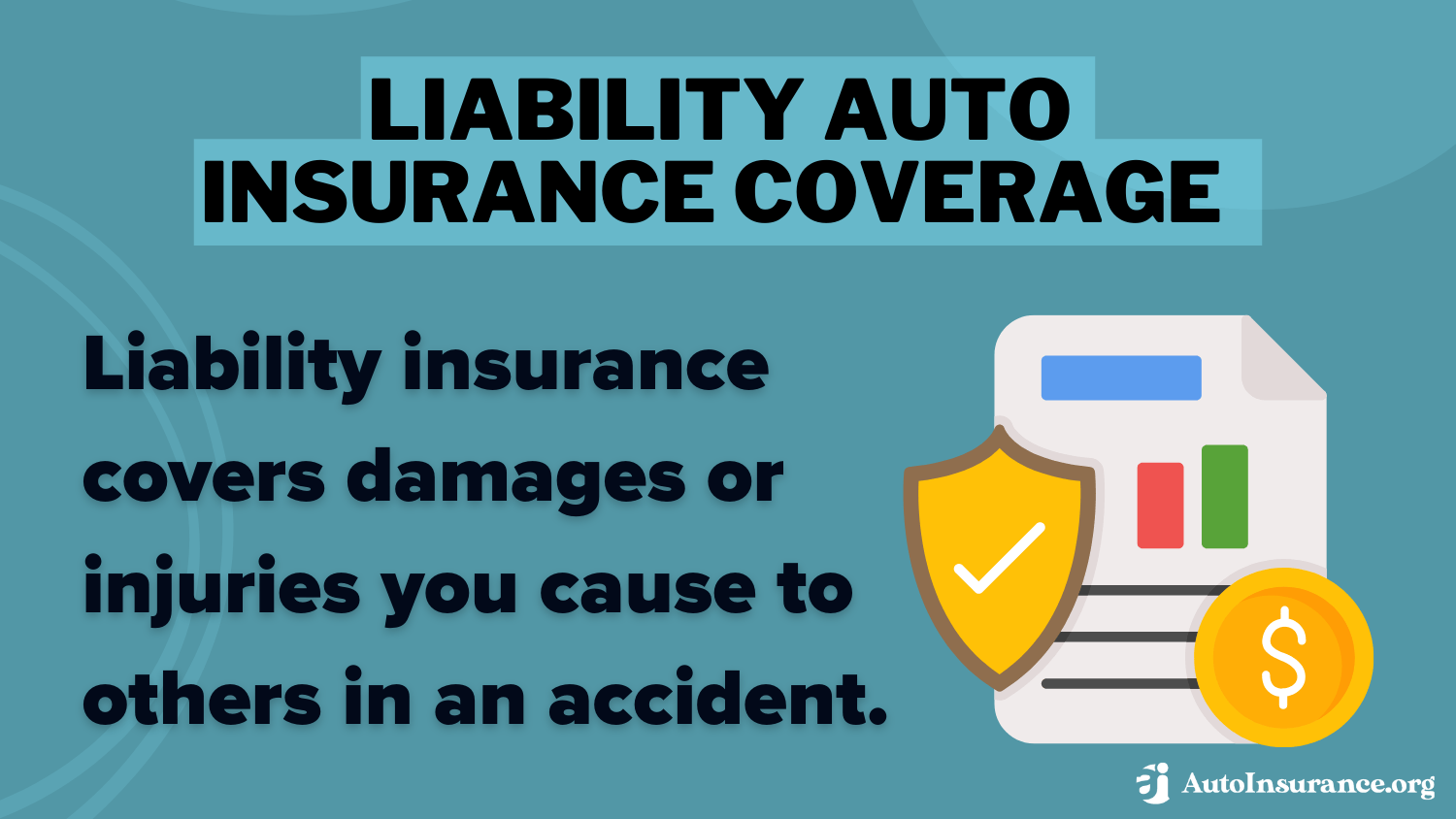
Insurers usually express these limits in shorthand form, such as 25/50/25. Each number represents a different type of coverage for personal injury and property damage.
Insurance Coverage Limit Breakdown and Examples
| Coverage Type | Limit Description | Example of Coverage |
|---|---|---|
| Bodily Injury per Person | Maximum payment for injuries to one person in an accident | $25,000 for one person’s medical expenses |
| Bodily Injury per Accident | Total payment for injuries to all parties in one accident | $50,000 for medical costs of 3 injured people |
| Property Damage | Maximum payment for damage to someone else’s property | $25,000 for repairing or replacing a car |
A 25/50/25 policy provides $25,000 for bodily injury per person, $50,000 for bodily injury per accident, and $25,000 for property damage. When you understand these limits, you can better judge whether the minimum auto insurance requirements by state offer enough protection or if you need to increase it to fully safeguard your finances.
Free Insurance Comparison
Compare Quotes From Top Companies and Save
How Auto Insurance Coverage Limits Apply in Claims
When an accident occurs, your insurance company pays out claims based on the car insurance coverage limit listed in your policy. If the total damages exceed your policy limits, you may be personally responsible for the remaining costs.
Read More: 10 Best Property Damage Liability (PDL) Auto Insurance Companies
If multiple people are injured or multiple vehicles are damaged, your insurer will divide the available coverage according to these limits. Any amount beyond the limits will not be paid by the insurer, and injured parties may take legal action and pursue the remaining costs directly from you.
Coverage Limit Example in Claims
Your provider uses your per-policy limit to cap the insurance coverage maximum each injured individual can receive. Then it applies the per-accident limit to cap the total payout for all injuries related to a single incident. Lastly, it pays for property damage up to the policy limits.
Let’s say you have the minimum liability coverage of 25/50/25 and you cause an accident involving two people in another car. One person suffers serious injuries that cost $35,000 in medical bills. The second person has $20,000 in medical expenses. The damage to their vehicle is $15,000.
In this case, your insurance fully covers the second person’s medical costs and the property damage, but it doesn’t fully cover the first person’s medical expenses. You would be personally liable for the uncovered $10,000.
Learn more: How to File an Auto Insurance Claim
Comparing Minimum vs. Recommended Coverage Limits
State law requires drivers to carry a minimum level of liability coverage, but meeting the legal minimum doesn’t always mean you’re fully protected. These limits are intended to provide basic financial protection for others if you’re at fault in an accident. However, they often fall short in real-world situations, especially when medical costs or vehicle damage are significant.
State Minimum Insurance Coverage Requirements
| State | Minimum Requirement |
|---|---|
| Alabama | 25/50/25 (Bodily Injury Liability 25k/50k, Property Damage 25k) |
| Alaska | 50/100/25 (Bodily Injury Liability 50k/100k, Property Damage 25k) |
| Arizona | 25/50/15 (Bodily Injury Liability 25k/50k, Property Damage 15k) |
| Arkansas | 25/50/25 (Bodily Injury Liability 25k/50k, Property Damage 25k) |
| California | 15/30/5 (Bodily Injury Liability 15k/30k, Property Damage 5k) |
| Colorado | 25/50/15 (Bodily Injury Liability 25k/50k, Property Damage 15k) |
| Connecticut | 25/50/25 (Bodily Injury Liability 25k/50k, Property Damage 25k) |
| Delaware | 25/50/10 (Bodily Injury Liability 25k/50k, Property Damage 10k) |
| Florida | 10/20/10 (Bodily Injury Liability 10k/20k, Property Damage 10k) |
| Georgia | 25/50/25 (Bodily Injury Liability 25k/50k, Property Damage 25k) |
| Hawaii | 20/40/10 (Bodily Injury Liability 20k/40k, Property Damage 10k) |
| Idaho | 25/50/15 (Bodily Injury Liability 25k/50k, Property Damage 15k) |
| Illinois | 25/50/20 (Bodily Injury Liability 25k/50k, Property Damage 20k) |
| Indiana | 25/50/25 (Bodily Injury Liability 25k/50k, Property Damage 25k) |
| Iowa | 20/40/15 (Bodily Injury Liability 20k/40k, Property Damage 15k) |
| Kansas | 25/50/25 (Bodily Injury Liability 25k/50k, Property Damage 25k) |
| Kentucky | 25/50/25 (Bodily Injury Liability 25k/50k, Property Damage 25k) |
| Louisiana | 15/30/25 (Bodily Injury Liability 15k/30k, Property Damage 25k) |
| Maine | 50/100/25 (Bodily Injury Liability 50k/100k, Property Damage 25k) |
| Maryland | 30/60/15 (Bodily Injury Liability 30k/60k, Property Damage 15k) |
| Massachusetts | 20/40/5 (Bodily Injury Liability 20k/40k, Property Damage 5k) |
| Michigan | 50/100/10 (Bodily Injury Liability 50k/100k, Property Damage 10k) |
| Minnesota | 30/60/10 (Bodily Injury Liability 30k/60k, Property Damage 10k) |
| Mississippi | 25/50/25 (Bodily Injury Liability 25k/50k, Property Damage 25k) |
| Missouri | 25/50/25 (Bodily Injury Liability 25k/50k, Property Damage 25k) |
| Montana | 25/50/20 (Bodily Injury Liability 25k/50k, Property Damage 20k) |
| Nebraska | 25/50/25 (Bodily Injury Liability 25k/50k, Property Damage 25k) |
| Nevada | 25/50/20 (Bodily Injury Liability 25k/50k, Property Damage 20k) |
| New Hampshire | 25/50/25 (Bodily Injury Liability 25k/50k, Property Damage 25k) |
| New Jersey | 15/30/5 (Bodily Injury Liability 15k/30k, Property Damage 5k) |
| New Mexico | 25/50/10 (Bodily Injury Liability 25k/50k, Property Damage 10k) |
| New York | 25/50/10 (Bodily Injury Liability 25k/50k, Property Damage 10k) |
| North Carolina | 30/60/25 (Bodily Injury Liability 30k/60k, Property Damage 25k) |
| North Dakota | 25/50/25 (Bodily Injury Liability 25k/50k, Property Damage 25k) |
| Ohio | 25/50/25 (Bodily Injury Liability 25k/50k, Property Damage 25k) |
| Oklahoma | 25/50/25 (Bodily Injury Liability 25k/50k, Property Damage 25k) |
| Oregon | 25/50/20 (Bodily Injury Liability 25k/50k, Property Damage 20k) |
| Pennsylvania | 15/30/5 (Bodily Injury Liability 15k/30k, Property Damage 5k) |
| Rhode Island | 25/50/25 (Bodily Injury Liability 25k/50k, Property Damage 25k) |
| South Carolina | 25/50/25 (Bodily Injury Liability 25k/50k, Property Damage 25k) |
| South Dakota | 25/50/25 (Bodily Injury Liability 25k/50k, Property Damage 25k) |
| Tennessee | 25/50/15 (Bodily Injury Liability 25k/50k, Property Damage 15k) |
| Texas | 30/60/25 (Bodily Injury Liability 30k/60k, Property Damage 25k) |
| Utah | 25/65/15 (Bodily Injury Liability 25k/65k, Property Damage 15k) |
| Vermont | 25/50/10 (Bodily Injury Liability 25k/50k, Property Damage 10k) |
| Virginia | 25/50/20 (Bodily Injury Liability 25k/50k, Property Damage 20k) |
| Washington | 25/50/10 (Bodily Injury Liability 25k/50k, Property Damage 10k) |
| West Virginia | 25/50/25 (Bodily Injury Liability 25k/50k, Property Damage 25k) |
| Wisconsin | 25/50/10 (Bodily Injury Liability 25k/50k, Property Damage 10k) |
| Wyoming | 25/50/20 (Bodily Injury Liability 25k/50k, Property Damage 20k) |
Experts typically recommend higher coverage limits to better safeguard your finances and future. The recommended auto insurance coverage levels of at least 100/300/100 are most common:
- $100,000 for bodily injury per person
- $300,000 for bodily injury per accident
- $100,000 for property damage
Choosing coverage that goes beyond the legal minimum can give you peace of mind and stronger financial protection. Higher limits help ensure that your auto policy limits cover serious injuries or expensive damages.
How to Choose the Right Insurance Coverage Limits
When choosing the right auto insurance coverage limit, consider your financial situation, the value of your vehicle, and the level of risk you’re comfortable taking on. While minimum coverage may save you money upfront, it leaves you financially vulnerable in the event of a serious accident. Here are the main risks:
Insurance Coverage Limit Risks by Coverage Level
| Risk | Minimum Coverage | Higher Coverage |
|---|---|---|
| Out-of-Pocket Expenses | Personal responsibility for costs exceeding policy limits | Insurer covers more of the total damage |
| Lawsuits | Injured parties can sue for remaining medical costs | Protection from lawsuits beyond policy limits |
| Asset Exposure | Personal assets (home, savings) at risk | Personal assets protected by higher coverage |
| Limited Protection | Only covers liability, not your injuries or car | Additional coverage options like collision and comprehensive available |
What is needed for adequate auto insurance coverage? Choosing the right auto insurance coverage goes beyond checking a box for legal compliance — it’s about making sure you’re truly protected when it counts.
The minimum might keep you legal, but it won’t always keep you protected. One serious accident can expose you to thousands in out-of-pocket costs.Michelle Robbins Licensed Insurance Agent
Start by evaluating your finances. Think about how much you could realistically pay out of pocket if an accident exceeds your policy limits. Next, consider your vehicle’s value. If you drive a newer or high-value car, minimum insurance coverage limits will not be enough.
You need it. But how do you get it🫤? We’re talking about car🚘 insurance. https://t.co/27f1xf1ARb can help you get started and make an informed📊 decision regarding the coverage you need. For the info you need, check out👉: https://t.co/U1DDipUs78 pic.twitter.com/k5F8jDetnk
— AutoInsurance.org (@AutoInsurance) August 6, 2023
For older, low-value cars, you might opt for reduced physical damage coverage, but it’s important to find a policy that matches your lifestyle, budget, and peace of mind. Don’t settle for the minimum — make sure your coverage keeps up with your real-world risks.
Enter your ZIP code to compare coverage options and find a policy that fits your lifestyle. It only takes a few seconds to see what’s available in your area.
Frequently Asked Questions
What does insurance coverage limit mean?
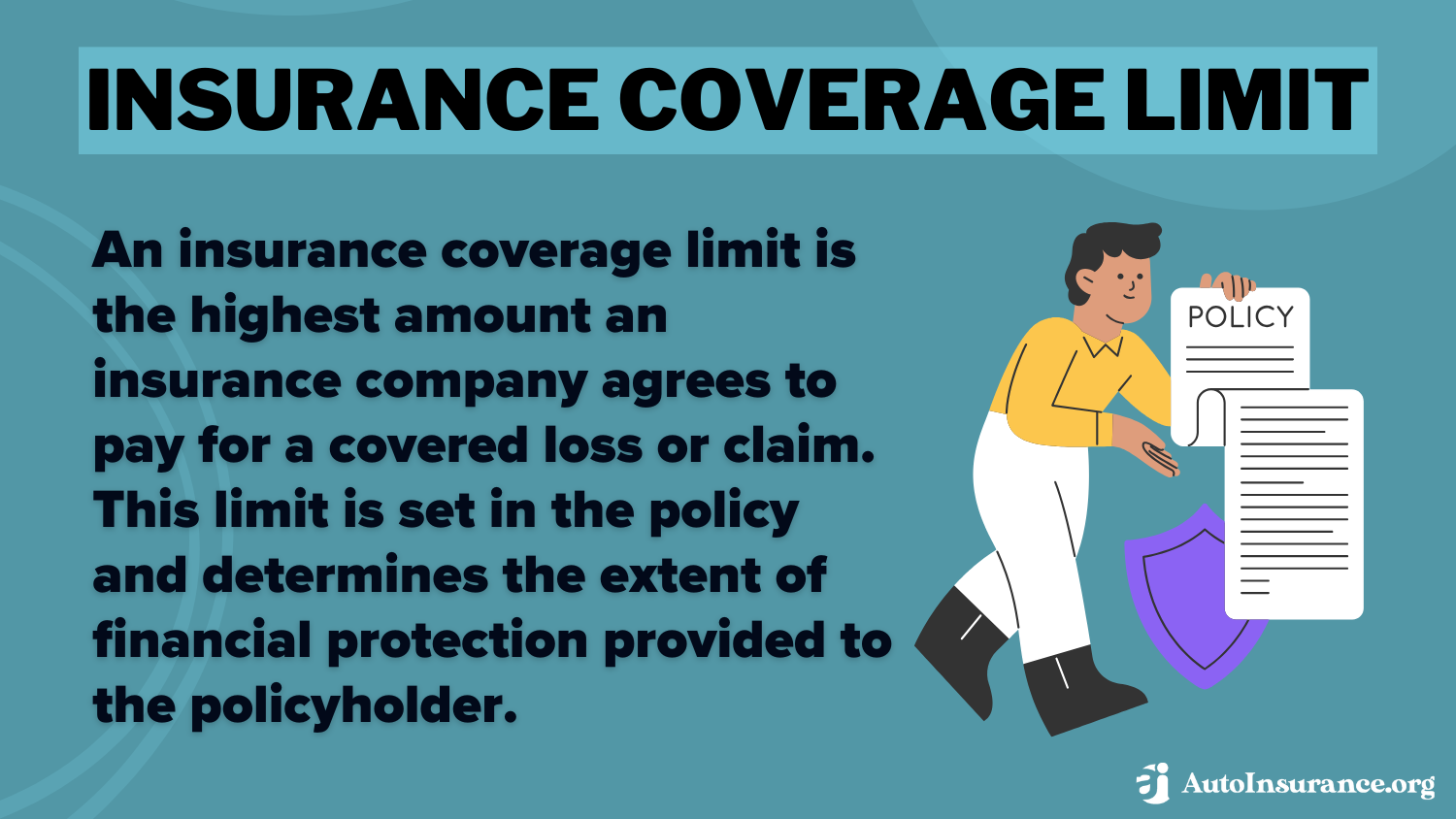
What is the limit of coverage? The insurance coverage limit is the maximum amount an insurer will pay for a claim under a specific policy. It defines the boundaries of your financial protection for various types of auto insurance coverage, such as bodily injury, property damage, and medical expenses.
What is the maximum insurance coverage?
The insurance coverage maximum refers to the highest amount an insurer will pay out under the terms of a policy, typically broken down into limits per person, per accident, or for specific types of claims, such as property damage or bodily injury.
What is the cap limit on insurance?
The cap limit on insurance is the maximum amount an insurer will pay for a claim. It represents the upper limit of the policy’s coverage, beyond which you will be personally responsible for any additional costs.
What is an insurance content limit?
The insurance content limit is the maximum amount your policy will pay for damage to or loss of personal property, such as furniture, electronics, or clothing, in the event of a covered event like a fire or theft.
What is an example of a policy limit?
What is one example of a limit? An example of a policy limit could be a car insurance policy with limits of $50,000 for bodily injury per accident, $25,000 for property damage, and $100,000 for total liability. These limits define the maximum payout for different types of claims under that policy.
Read more: Do all vehicles have set auto insurance requirements?
What is the total insured limit?
The total insured limit refers to the aggregate amount of coverage provided by a policy across all types of coverage, such as bodily injury, property damage, or comprehensive insurance, depending on the type of policy.
What is the basic limit of coverage?
The basic limit of coverage is the minimum amount of car insurance required by law or set by your insurer to provide basic financial protection in case of an accident, often referred to as “minimum coverage.”
What is a cover limit?
The cover limit is the maximum amount an insurer will pay for a specific type of coverage. It applies to various aspects of an insurance policy, such as health, auto, or property, and helps determine the extent of protection.
What is the excess coverage limit?
The excess coverage limit is the amount of coverage that applies once you exceed the policy’s standard coverage limit. This is often found in situations where additional coverage is needed beyond the primary insurance, such as with umbrella insurance.
What is a per-policy limit?
The per-policy limit is the maximum coverage limit that applies to the entire policy, regardless of the number of claims or types of coverage included. This cap is typically set for specific risks or events, like accidents or damages.
What is the maximum benefit limit in insurance?
What is the maximum insured value?
Is there a cap on insurance?
What is the limit and deductible in insurance?
What is the insurance limit per account?
What do you mean by insurance coverage?
What is the specific limit of insurance?
Is there a limit to life insurance?
Related Articles
-
Mar 2025

Best Pay-As-You-Go Auto Insurance in California (Top 10 Companies for 2026)
-
Mar 2025
Best Pay-As-You-Go Auto Insurance in Alabama for 2026 (Top 9 Company Ranking)
-
Mar 2025
Best Pay-As-You-Go Auto Insurance in Arizona (Find the Top 10 Providers for 2026)
-
Apr 2025
Best Pay-As-You-Go Auto Insurance in Georgia (Our Top 10 Picks for 2026)
-
Sep 2026
Usage-Based Insurance in 2026 (Breaking Down the Facts)
-
May 2025
GetJerry Review for 2026 (Valid Insurance Quotes?)

Get a FREE Quote in Minutes
Insurance rates change constantly — we help you stay ahead by making it easy to compare top options and save.