

How to Report a Driver Without Auto Insurance in 2026 (Easy Steps to Follow)
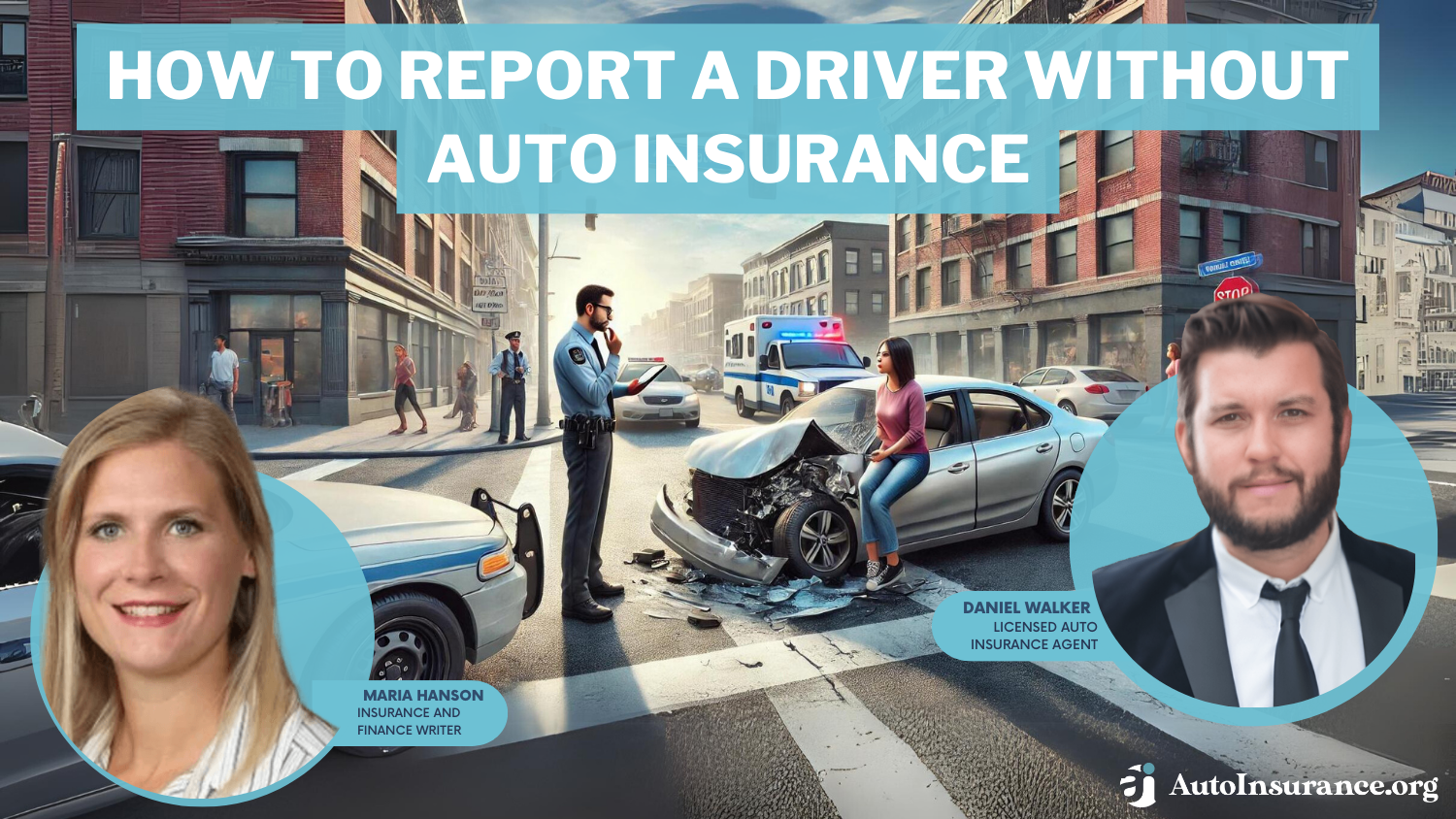
The way you report a driver without auto insurance involves gathering the driver's details, contacting local police, and notifying the DMV. In some states, as many as 29% of drivers are uninsured, so following these steps ensures road safety and can result in license suspension for the offending driver.
Read more





Table of Contents
Table of Contents

Insurance and Finance Writer
Maria Hanson grew up with a unique passion and understanding of both the automotive and insurance industries. With one grandfather in auto mechanics and another working in insurance, you could say automotive insurance is in her blood. Her love of research and finance serves her well in studying insurance trends and liability. Maria has expanded her scope of expertise to home, health, and life...
Maria Hanson

Licensed Auto Insurance Agent
Daniel Walker graduated with a BS in Administrative Management in 2005 and has run his family’s insurance agency, FCI Agency, for over 15 years (BBB A+). He is licensed as an insurance agent to write property and casualty insurance, including home, life, auto, umbrella, and dwelling fire insurance. He’s also been featured on sites like Reviews.com and Safeco. To ensure our content is accura...
Daniel Walker
Updated December 2024
To report a driver without auto insurance, it is crucial to follow the right steps to ensure road safety and protect yourself from financial risks and this guide covers everything from gathering necessary details to contacting the police, to DMV, and to seeking legal advice.
Find out if you can report someone for driving without car insurance. Enter your ZIP code into our free quote tool above to compare rates.
- Step #1: Gather Information – Collect driver details, vehicle info, and incident
- Step #2: Report to Police – File a report with local police and provide details
- Step #3: Notify DMV – Report to your state DMV using their online or phone system
- Step #4: Follow Up Report– Check the status of your report with the police or DMV
- Step #5: Seek Advice – Consult an attorney and review your insurance policy
Quickly Report an Uninsured Driver: 5 Simple Steps to Follow
Step #1: Gather Information
Before reporting an uninsured driver, it’s crucial to collect as much detailed information as possible to support your report, especially if you’re seeking cheap auto insurance after an accident. Start by noting down key details about the driver and their vehicle.
This includes the driver’s full name, the make and model of their vehicle, its color, and the license plate number. Also, record the date, time, and location of the incident or when you observed the driver.
Top 10 States for the Most Drivers Without Auto Insurance
| Rank | State | Percentage |
|---|---|---|
| #1 | Mississippi | 29% |
| #2 | Michigan | 26% |
| #3 | Tennessee | 24% |
| #4 | New Mexico | 22% |
| #5 | Florida | 20% |
| #6 | Oklahoma | 19% |
| #7 | Arkansas | 19% |
| #8 | Washington | 18% |
| #9 | Nevada | 18% |
| #10 | Alabama | 18% |
If you have any additional evidence such as photographs of the vehicle or statements from witnesses, gather and organize these as well. This comprehensive information will be essential when filing a report and will help authorities take appropriate action.
Step #2: Report to Local Police
If you have witnessed someone driving without insurance or if you’ve been involved in an accident with an uninsured driver, the next step is to report this to the local police. You may wonder, “Can police check your auto insurance?” The answer is yes, and it is important to contact the non-emergency number for your local police department or visit their station to file a report.
Provide all the detailed information you have collected, including the driver’s details and specifics about the incident. If an accident occurred, ensure that you file an official police report. This document will be useful for any insurance claims or legal actions that may follow.
Step #3: Notify the Department of Motor Vehicles
For a more formal and potentially effective approach, report the uninsured driver to your state’s DMV. Visit the DMV’s website or contact their office to understand the specific procedures for reporting. Submit your report through the provided online form or by phone, including all relevant details about the driver and their insurance status.
The DMV maintains a database of driver insurance information and will use this to verify the driver’s coverage. If they find that the driver is uninsured, they may take actions such as suspending or revoking the driver’s license. Learn more information on DMV and insurance points: DMV Points vs. Insurance Points Explained
Step #4: Follow Up on Your Report
After you have submitted your report to both the police and DMV, it is important to follow up to ensure that your report is being addressed. Contact the local police department or DMV to check the status of your report and inquire about any actions taken.
This step helps you stay informed about the progress and ensures that the authorities are actively dealing with the issue. Depending on the response, you may need to provide additional information or take further actions.
Check further information to assess if a situation is an at-fault accident.
Step #5: Seek Legal or Insurance Advice
If the situation does not resolve or if you are directly affected by an accident with the uninsured driver, seek further advice. Consulting with an attorney who specializes in auto insurance or personal injury protection auto insurance law can provide guidance on potential legal actions you can take.
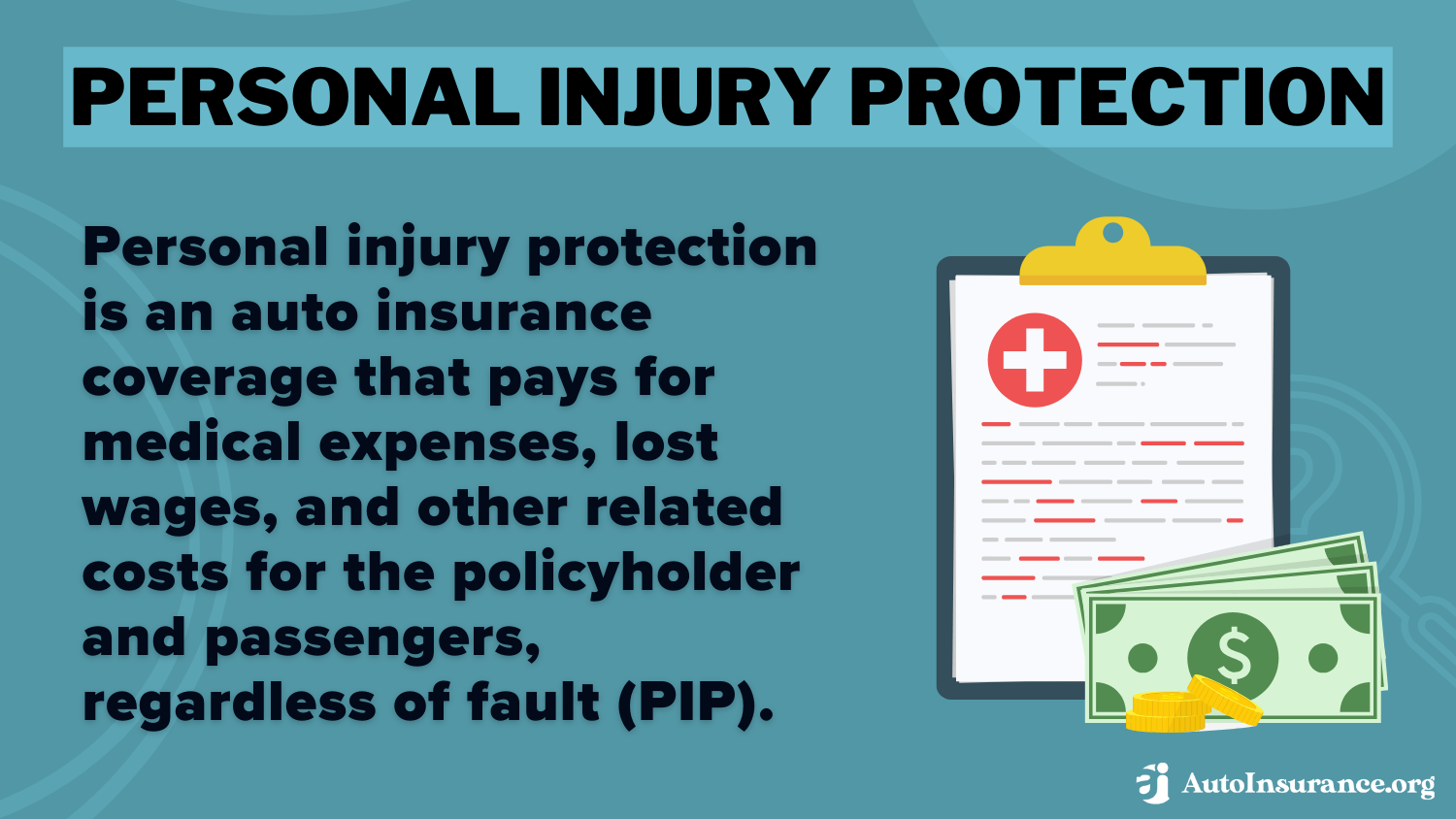
Additionally, review your own auto insurance policy to ensure it includes coverage for accidents involving uninsured drivers. If necessary, adjust your policy to better protect yourself in the future.
Free Insurance Comparison
Compare Quotes From Top Companies and Save
The Consequences of Driving Without Insurance
Driving without insurance comes with penalties. Most of the time it results in a fine, and the amount varies by state. Uninsured drivers who are caught by the authorities may also risk having their vehicle impounded or having their license and registration suspended.
Driving Without Auto Insurance by State & Offense
| State | First Offense | Second Offense |
|---|---|---|
| Alabama | Fine up to $500; registration suspension with $200 fee | Fine up to $1,000; six-month license suspension with $400 fee |
| Alaska | License suspension for 90 days | License suspension for one year |
| Arizona | Fine $500+; license/registration suspension for three months | Fine $750+; license/registration suspension for six months |
| Arkansas | Fine $50-$250; suspended registration until proof of insurance | Fine $250-$500; suspended registration until proof of insurance |
| California | Fine $100-$200; car may be impounded | Fine $200-$500; car may be impounded |
| Colorado | Fine $500+; license suspension until proof of insurance | Fine $1,000+; four-month license suspension |
| Connecticut | Fine $100-$1,000; one-month suspension with $175 fee | Fine $100-$1,000; six-month suspension with $175 fee |
| Delaware | Fine $1,500+; six-month license suspension | Fine $3,000+; six-month license suspension |
| Florida | License suspension until reinstatement fee is paid; $150 fee | License suspension until reinstatement fee is paid; $250 fee |
| Georgia | Suspended registration; $25 lapse fee and $60 reinstatement fee | Suspended registration; $25 lapse fee and $60 reinstatement fee |
| Hawaii | $500 fine or community service; three-month license suspension | $1,500 fine; one-year license suspension |
| Idaho | Fine $75; license suspension until proof of insurance | Fine up to $1,000; six-month license suspension |
| Illinois | License plate suspension until $100 reinstatement fee paid | Four-month license plate suspension with $100 fee |
| Indiana | License suspension for 90 days to one year | One-year license suspension within three years |
| Iowa | Fine $500 if in accident; $250 otherwise | NA |
| Kansas | Fine $300-$1,000; license suspension | Fine $800-$2,500; license suspension |
| Kentucky | Fine $500-$1,000; one-year license suspension | Fine $1,000-$2,500; one-year license suspension |
| Louisiana | Fine $500-$1,000; license suspension for 180 days if in accident | NA |
| Maine | Fine $100-$500; license suspension until proof of insurance | NA |
| Maryland | Loss of plates and registration; penalty fees | NA |
| Massachusetts | Fine $500-$5,000; one-year license suspension | License suspension for one year |
| Michigan | Fine $200-$500; 30-day license suspension | NA |
| Minnesota | Fine $200-$1,000; license suspension up to 12 months | NA |
| Mississippi | Fine $1,000; one-year license suspension | NA |
| Missouri | License suspension until $20 reinstatement fee paid | 90-day license suspension with $200 fee |
| Montana | Fine $250-$500; up to 10 days imprisonment | Fine $350; up to 10 days imprisonment |
| Nebraska | License suspension; $50 reinstatement fee | NA |
| Nevada | Fine $250-$1,000; registration suspension with $250 reinstatement fee | Fine $500-$1,000; registration suspension with $500 fee |
| New Hampshire | No mandatory insurance; SR-22 may be required after a conviction | NA |
| New Jersey | Fine $300-$1,000; one-year license suspension | Fine up to $5,000; two-year suspension |
| New Mexico | Fine up to $300; 90-day license suspension | NA |
| New York | Fine up to $1,500; one-year license suspension | NA |
| North Carolina | Fine $50; 30-day suspension if in accident | Fine $100; 30-day suspension if in accident |
| North Dakota | Fine up to $1,500; 14 points against license | Fine up to $1,500; plates impounded |
| Ohio | License suspension; $100 reinstatement fee | One-year suspension; $300 reinstatement fee |
| Oklahoma | Fine $250; 30 days jail time or license suspension | NA |
| Oregon | Fine $130-$1,000; one-year license suspension | NA |
| Pennsylvania | Registration suspension for three months; $88 reinstatement fee | NA |
| Rhode Island | Fine $100-$500; three-month license suspension | Fine $500; six-month suspension |
| South Carolina | Fine $100-$200 or 30 days jail time; registration suspension | Fine $200; 30-day jail or suspension |
| South Dakota | Fine $100; 30-day license suspension | NA |
| Tennessee | Pay $25 coverage failure fee or registration suspension | NA |
| Texas | Fine $175-$350; pay up to $250 surcharge for three years | Fine $350-$1,000; surcharge and license suspension |
| Utah | Fine $400; license suspension until proof of insurance | Fine $1,000; license suspension until proof of insurance |
| Vermont | Fine up to $500; license suspension | NA |
| Virginia | Pay $500 uninsured fee or license suspension | NA |
| Washington | Fine up to $250 | NA |
| West Virginia | Fine $200-$5,000; 30-day license suspension | Fine $200-$5,000; 90-day suspension |
| Wisconsin | Fine up to $500 | NA |
| Wyoming | Fine up to $750 or six months in jail | NA |
Although state law says that drivers must be insured, there are drivers who still continue to drive without insurance.
Most drivers do this to save money, as it can actually be cheaper to repeatedly pay the fines incurred for driving without insurance than it is to pay for insurance coverage.
This cost-saving strategy is particularly prevalent in certain states, where a significant portion of drivers opt to forgo insurance altogether. The table below highlights the states with the highest percentages of uninsured drivers, illustrating the extent of this issue.
Many drivers skip insurance to save money, especially in states like Mississippi and Michigan, where nearly 30% are uninsured. While it may seem cheaper, this choice can lead to severe financial and legal risks.Tracey L. Wells Licensed Insurance Agent & Agency Owner
Mississippi tops the list with an alarming 29% of drivers lacking auto insurance, followed closely by Michigan at 26% and Tennessee at 24%. Other states like New Mexico, Florida, and Oklahoma also report high percentages, ranging from 22% to 19%. The widespread nature of this practice underscores the financial challenges that lead drivers in these states to take the risk of driving uninsured.
Navigating Uninsured Driver Challenges
Addressing uninsured drivers is essential for maintaining road safety and protecting yourself from financial risks. By gathering detailed information, reporting to the police and DMV, and following up, you play a crucial role in managing these risks. Staying informed and consulting with experts can further ensure you’re covered in case of an accident.
Your proactive efforts help foster a safer driving environment and promote accountability. Continue to utilize available resources to make informed insurance decisions and stay protected. Don’t let expensive insurance rates hold you back. Enter your ZIP code below and shop for affordable auto insurance premiums from the top companies.
Frequently Asked Questions
How do you report an uninsured driver?
To report an uninsured driver to the DMV, collect the vehicle’s details and submit them through your state’s DMV website or visit a local DMV office. Each state may have different reporting processes.
Can you report someone driving without insurance anonymously?
Yes, you can report someone driving without insurance anonymously in many states. This allows you to provide information without revealing your identity. Check local procedures for anonymous reporting.
Obtain more knowledge on our guide “Auto Insurance Rates by State.”
Can you report someone for driving without insurance if they have been involved in an accident?
Yes, if someone has been in an accident and is driving without insurance, you can report someone for driving without insurance to the local police and DMV. Provide details about the accident and the vehicle.
How to report someone for not having car insurance who is driving a commercial vehicle?
If someone is driving a commercial vehicle without insurance, you can report someone for not having car insurance to the DMV or the Department of Transportation. Commercial vehicles must meet strict insurance requirements.
How to report an uninsured vehicle that is parked on public property?
To report a car with no insurance parked on public property, such as parking a car on the road with no insurance, contact local authorities or the DMV. Some states have specific procedures for handling such situations.
Can you report someone driving without insurance if they are using a rental car?
Yes, if a rental car is being driven without insurance, you can report someone driving without insurance to the rental company and local authorities. Rental vehicles must be insured.
How to report an uninsured vehicle online?
Many states offer online options for reporting an uninsured vehicle. Visit your state’s DMV website and look for the online reporting section. You’ll need to provide vehicle details and other relevant information.
Can you report someone for driving without insurance if they frequently violate traffic laws?
Yes, you can report someone for driving without insurance to the police, especially if they are frequently breaking traffic laws. Persistent violations can be a sign of uninsured driving. Know more insights on our “Is not having auto insurance a criminal offense?”
How to report someone with no car insurance involved in a hit-and-run incident?
If an uninsured driver is involved in a hit-and-run, report someone with no car insurance to the police and DMV. Provide as much detail as possible about the incident and the vehicle.
Can you report someone for not having car insurance if they are using a company vehicle?
Yes, you can report someone for not having car insurance if they are using a company vehicle. Report uninsured driver to DMV or relevant authorities to ensure the vehicle complies with insurance laws.
Can you report someone driving without insurance if they are out of state?
How to report an uninsured vehicle driver?
How to report someone driving without insurance who is avoiding tolls?
How to report someone with no car insurance who is driving recklessly?
Can you report someone for driving without insurance if they are involved in a road rage incident?
Related Articles
-
Dec 2024

Can I backdate my auto insurance?
-
Jan 2025
Should I get gap insurance for a used car? (2026)
-
Dec 2024
Does car insurance cover hurricane damage?
-
Dec 2024
Does auto insurance cover stolen vehicles? (2026)
-
Feb 2025
Personal Injury Protection (PIP) Auto Insurance in 2026 (What it Means for Your Coverage)
-
Aug 2026
Guaranteed Auto Protection (Gap) Insurance in 2026 (Coverage Explained)

Get a FREE Quote in Minutes
Insurance rates change constantly — we help you stay ahead by making it easy to compare top options and save.