

When should I drop my full coverage auto insurance?
The average cost of full coverage auto insurance in the U.S. is $79.58 a month. Although states don’t require full coverage car insurance, lenders may require you to maintain full coverage on your car until you've paid off the loan.
Read more Secured with SHA-256 Encryption





Table of Contents
Table of Contents

Insurance Claims Support & Sr. Adjuster
Kalyn grew up in an insurance family with a grandfather, aunt, and uncle leading successful careers as insurance agents. She soon found she has similar interests and followed in their footsteps. After spending about ten years working in the insurance industry as both an appraiser dispatcher and a senior property claims adjuster, she decided to combine her years of insurance experience with another...
Kalyn Johnson

Licensed Insurance Agent & Agency Owner
Tracey L. Wells is a licensed insurance agent and Farmers insurance agency owner with 23 years of experience. He is proud to be a local Farmers agent serving Grayson, Georgia and surrounding areas. With experience as both an underwriter and agent, he provides his customers with insight that others agents may not have. His agency offers all lines of insurance including home, life, auto, RV, busi...
Tracey L. Wells
Updated December 2024
You’re required by state law to carry auto insurance, but there’s no vehicle code that says that you must buy insurance that protects your vehicle.
Instead, state auto insurance requirements indicate that vehicle owners must carry third-party liability in the case of an accident.
Since the state is only concerned with liability coverage, you’re left to decide whether or not you want to pay for full coverage.
In some instances, you’ll be required to carry full coverage because of contractual obligations and in other instances, you’ll want the coverage simply because you want the financial protection.
Start comparing auto insurance rates now by using our FREE tool above!
What does liability coverage pay for?
It’s important to understand how coverage options on your policy work before you assume that a basic policy will provide you with adequate protection.
As mandated by state law, drivers are required to buy two forms of coverage: Bodily Injury Liability and Property Damage Liability.
While the coverage options do protect your assets, they won’t be paid directly to you.
Instead, each coverage has limits that’ll be paid out directly to a third-party if they need property repairs or medical bills after getting into an accident that you cause.
Liability will never pay to repair your own vehicle or pay for your own medical bills.
Free Insurance Comparison
Compare Quotes From Top Companies and Save
Secured with SHA-256 Encryption
What’s the definition of a full coverage auto insurance policy?
In actuality, there’s really no such thing as “full coverage” insurance. While the term is thrown around often, “full coverage” isn’t a coverage and it doesn’t mean that you’re protected for every type of loss that you can experience.
Instead, the term means that you’re carrying both liability insurance and physical damage insurance. Physical damage coverage consists of comprehensive and collision coverage.
Comprehensive coverage pays for losses to your vehicle when they are caused by specific perils. Some of these perils include:
- Fire
- Theft
- Vandalism
- Glass damage
- Damage caused when you contact a live animal.
Collision will pay for the repairs needed to restore your car when it’s in an accident with a car or another type of object. You can only carry collision coverage if you also have comprehensive but comprehensive can be carried on its own.
When You’re Required to Have Full Coverage
Your state may not be worried about your ability to repair your own vehicle following a loss, but there are other entities that care. If you do not hold title to your vehicle, that’s a good sign that you’ll be required to carry full coverage.
Any vehicle that’s being financed through a lender or leased through a dealer will need full coverage. The insurance requirement is written into all finance and lease contracts to protect the company from a loss of the collateral on the contract.
If you decide that you want to keep the physical damage coverage because of the high premiums, canceling the coverage while the loan is still in effect can lead to some expensive consequences.
You could have a loss without insurance and be on the line to pay for the repairs or you could have forced-placed insurance added to your loan. This insurance doesn’t protect you but it does cost you money while protecting the lender.
Once the car is paid off, you might be eager to remove comprehensive and collision.
However, it’s not always in your best interest to save a few hundred dollars to put yourself at risk without any protection. You’ll have to assess a few factors before you make a final decision.
Assess How the Insurance Company Will Value Your Vehicle
When it comes to deciding if you should keep full coverage, it’s all in the value of your car. How much you think your car is worth and how much it’s worth in the eyes of the provider are very different figures.
You want to know how this evaluation is performed before you ever have a loss to see if you’ll get enough money from a claim to justify the expense.
It’s easy to assume a car in good condition will retain its value, but insurance companies use several different sources to evaluate a car. Here are some of the methods a claims adjuster might use:
- Trusted valuation guides
- Sales records from private party sales in the area
- Sales records from dealership sales of similar models with similar specs
- Current active listings for equivalent vehicles that are on the local market
Free Insurance Comparison
Compare Quotes From Top Companies and Save
Secured with SHA-256 Encryption
Comparing the Value of the Car to the Cost for Coverage
Now that you’ve researched how much you might get from the insurance company if you were to total your vehicle, it’s time to compare this number with how much you’ll pay for full coverage over the period of a term.
If your vehicle doesn’t retain much value but the cost for full coverage is high, it might not make sense to buy full coverage.
There’s a common rule of thumb that says that if your annual cost for full coverage is more than 10% of the actual cash value of the car, the coverage should be dropped.
This rule only works if you’re willing to bear the burden of replacing your car on your own if something were to happen.
When a loss occurs, full coverage can significantly aid in restoring your vehicle. However, predicting whether you’ll experience a loss while having full coverage is impossible. To explore the cost of basic auto insurance, it’s advisable to shop around for car insurance every 6 months and consider a TPL or comprehensive insurance comparison.
Important reminders:
- When you own a vehicle, buying car insurance is a must, but the type of coverage that you buy is up to you
- When you have a loan on a car, the lender will require you to keep comprehensive coverage auto insurance on the vehicle
- After you pay off your loan, you are no longer technically required to have full coverage auto insurance
- If you are considering cutting full coverage insurance, it may be to your advantage to simply increase your auto deductible instead
- Make sure you shop around for the best rate for the amount of coverage that you need
You can easily do easily compare quotes by using an online insurance comparison tool that connects you to multiple insurance quotes instantly. Start comparing car insurance rates now by entering your zip code in our FREE tool below!
When to Avoid Full Coverage Auto Insurance
Owning a vehicle necessitates purchasing car insurance, with the choice of coverage depending on individual preference. While state laws mandate only liability insurance, many consumers choose fully comprehensive insurance coverage, considering it offers broader protection. When selecting insurance, it’s essential to consider the best type of deductible for your needs.
Although full coverage benefits can be attractive, they are not always necessary. In some situations, you may not need to go with full coverage and can instead use liability only.
It is important to know what type of coverage you need. Once you know what qualifications make a certain coverage the best for you, then you can compare auto insurance rates for that specific coverage and save.
Here are some situations where liability-only policies make sense:
- Car is paid off
- Value of the car is low
- Low car usage
- The deductible is already high
Read on to find out about what coverage may be best for you and make sure to use our free insurance comparison tool above!
Paid-Off Vehicle
Many people who buy a new vehicle use auto loans to finance the purchase. When you have a loan on a car, the lender will require you to keep comprehensive coverage auto insurance on the vehicle.
This typically means that you have to keep collision and also comprehensive coverage in addition to liability. This way, if you are in a wreck with the car, the insurance company will pay to repair or replace it so that the lender is protected.
Most auto loans have a term of around five years. Once your loan is paid off, you aren’t technically obligated to maintain full coverage auto insurance, as the lender is no longer at risk, and you become the sole owner of the vehicle. When considering insurance adjustments, it’s important to evaluate the effectiveness of a high deductible and determine the appropriate deductible amount for your needs.
At that time, you can make your auto insurance policy the cheapest, reducing it to liability coverage only so that you are still protected if you cause a wreck. This will significantly reduce your auto insurance premiums and will allow you to save some money.
When you take this step, just make sure that you understand the risk you are taking. If your car is totaled, the insurance company will not pay you to repair or replace it and this burden will be yours alone.
Free Insurance Comparison
Compare Quotes From Top Companies and Save
Secured with SHA-256 Encryption
Low Car Value
You may also want to consider reducing your auto insurance to liability only when your car’s value has significantly depreciated. Typically, vehicles are considered depreciating assets as they lose value over time. For the best insurance for a car after 5 years, it’s advisable to research the best car insurer and explore options like tyre coverage with zero depreciation insurance.
If your car is only worth $2,000 or $3,000 and you have a $1,000 deductible on your car, it may not make sense to carry insurance. If you wrecked your car, the insurance company would only provide you with a very small amount of money after your deductible was paid.
Once the value of your car gets below a certain point, it no longer makes sense to have full coverage auto insurance. Because of this, many people with older cars only have liability coverage.
There is not a specific age or value that works for everyone when making this determination. You have to look at your own financial situation and figure out when it makes sense to cut collision and comprehensive.
Low Car Usage
If you rarely use your vehicle, it may be to your advantage to cut the coverage unless you can find cheap full coverage auto insurance. For example, if you have a truck that you only use to drive around your farm, it may not make sense to have full coverage on it.
Since you only put a few miles on the vehicle and seldom drive it on public roads, the odds of having a collision are very low.
If the value of your car has declined and you rarely use it, it may be a good time to eliminate your full coverage insurance. When you drive your car very rarely, paying extra money every month for unnecessary auto insurance does not make financial sense.
Deductible Considerations
When you are trying to make a decision on whether to cancel your full coverage auto insurance, you should also look at your deductible. The deductible is the amount of money that you pay out-of-pocket when you have to file a claim with the insurance company.
If you are considering cutting full coverage insurance, it may be to your advantage to simply increase your auto deductible instead.
Since you pay the deductible out of your own pocket when a claim is filed, this lowers the overall risk for the insurance company when you have a wreck.
Because of this, when you raise your deductible, the insurance company will lower your car insurance premiums. This means that you may want to consider raising your deductible so that your premiums can be lowered.
If you have a very low deductible, it may not make financial sense to completely cancel your full coverage auto insurance. Instead, you may want to keep the full coverage auto insurance but just raise the deductible so that your premiums can be decreased.
This is especially useful when your vehicle still has a decent value but it is paid off. Just make sure that the deductible is not so high that you could not afford to pay it if you had a wreck.
Then after the value of your vehicle falls to a level that is close to your deductible, you can drop the full coverage insurance and go with only liability.
Free Insurance Comparison
Compare Quotes From Top Companies and Save
Secured with SHA-256 Encryption
Compare Prices
If you’re in the process of trying to save money on your auto insurance, cutting full coverage is only one way that you could accomplish this goal. In this situation, it also pays to compare your auto coverage with other companies.
Even if you shopped around before you bought your initial policy, rates may have changed while you were with your current insurance company.
Shopping around for auto insurance quotes online doesn’t have to be difficult.
With the numerous insurance comparison sites available online, you can get quotes from most of the major insurance companies within a few minutes.
Some companies may offer liability insurance cheaper than others even if their full coverage rates are about the same. Because of this, it makes sense to shop around once you make the decision to drop full coverage and buy only a liability policy.
When you are shopping around, you also need to remember that customer service is still important. Don’t pick a company just because it’s the cheapest. Once you feel comfortable with a company and the quote it is offering, pull the trigger and start saving some money on your coverage.
Start comparing right now by entering your ZIP code into our FREE auto insurance comparison tool.
When should I take collision off my car insurance?
Not all insurance policies protect the vehicle that you own. If you’re building a policy, it’s important to recognize that a basic insurance policy will provide protection for someone else’s property but not your own. Not all insurance policies protect the vehicle that you own.
- A basic auto insurance policy includes only liability coverage and whatever else is required by the state
- Collision insurance is an optional form of physical damage coverage that pays for vehicle repairs or replacement when it’s damaged in a collision with another object
- While collision insurance isn’t required by law, policyholders who are financing or leasing their car must maintain full coverage on it until the contract ends
- If you own your vehicle outright and you don’t have to answer to a lender, you’re free to remove collision without having to worry about expensive forced-placed insurance charges
- The general rule of thumb is to keep collision until the premiums are more than 10 percent of the car’s fair market value
If you’re building a policy, it’s important to recognize that a basic insurance policy will provide protection for someone else’s property but not your own.
If you want some financial relief following an accident, you must carry optional forms of insurance like collision coverage.
Having a full coverage policy is great when you need it, but that protection comes at a cost. Even with the higher cost, data released by National Association of Insurance Commissioners shows that about seventy-two percent of policyholders carry full coverage.
If you’re looking to cut costs on your auto insurance expenditures, here’s what you should know before you drop collision and shop around.
Start comparing car insurance rates now by using our FREE tool above!
What’s the difference between Property Damage coverage and Physical Damage coverage?
It’s easy to get some of the loads of insurance terms that you need to know mixed up when you’re shopping for insurance.
While Physical Damage coverage and Property Damage coverage sound like two terms that can be used interchangeably, they actually aren’t. It’s differentiating the two that will help as you shop around for insurance.
- Property Damage is a form of third-party liability insurance that pays for the damage that you cause while you’re driving a vehicle
- Physical Damage coverage (PD) is a form of first-party coverage that pays to help you recover when your car is damaged.
Free Insurance Comparison
Compare Quotes From Top Companies and Save
Secured with SHA-256 Encryption
Understanding How Physical Damage Coverage Works
In the world of auto insurance, Physical Damage consists of both comprehensive and collision coverage options. Collision covers your vehicle when it collides with another object like a car, a telephone pole, or a fence.
Comprehensive is called Other Than Collision because it covers you against damage that’s not covered under collision like fire, theft and hail.
No fixed limit says how much your insurer will pay for repairs. If you file a claim to cover damages to your vehicle, your insurer will assess the damage and estimate the repair costs.
After the adjuster does this, they will compare the costs to the Actual Cash Value of your vehicle. The policy will only pay up to this amount.
Am I required to carry comprehensive and collision?
While there’s no universal definition for a full coverage auto policy, all plans with full coverage have both comprehensive and collision. You’re never required under state law to carry full coverage.
If you decide not to buy full coverage, you won’t be penalized by the state in any way.
Just because the state doesn’t require you to carry full coverage doesn’t mean that you don’t have the obligation to purchase it.
If you’re still paying off an auto loan, you can’t drop full coverage until you get a notice saying the loan is paid off, which is also true when you’re leasing a car.
What happens if you drop your full coverage too early?
There’s always a consequence when you don’t obey the rules. You don’t have to worry about the state-assessed penalties; you do have to worry about the penalties that are assessed under your loan or lease contract.
Since it’s your legal obligation to protect the collateral on the contract, the lender has the right to take action.
When you drop your full coverage while you’re still under contract, your lender is entitled to purchase forced-placed insurance and charge you for it. While you might think this insurance protects you, it doesn’t.
Instead of paying for all claims that are presented, it will only pay the lender when your car is totaled.
Free Insurance Comparison
Compare Quotes From Top Companies and Save
Secured with SHA-256 Encryption
How much is collision?
The cost of collision coverage varies from person to person and company to company. To get the actual cost for your collision coverage, you must get a personalized quote for insurance.
It can help, however, to look at the average insurance expenditures to see if the cost of coverage is exorbitant. The average consumer spends $296.99 per year on collision insurance.
What factors can affect your collision rates?
Collision doesn’t have to cost you around $25 per month. There are instances where the cost of coverage will be much less, but there are also cases where it will be higher.
It all depends on the rating factors that are used to project risk and claims trends. Here are some factors that can affect your collision rates:
- Age of driver and years of driving experience
- Gender and marital status
- Vehicle type, size and body style
- Car safety rating
- Claims history
- Previous moving violations
- Vehicle usage and annual mileage
- Credit insurance score
- Whether or not your vehicle has an active or passive alarm system
The 10 Percent Rule
If you’re still not sure if you should pay the extra money for collision coverage, it can help to learn the 10 percent rule.
As a rule of thumb, it’s best to cut the cost of collision when your annual premiums for collision are more than 10 percent of the fair market value of your car.
This rule is only valid if you can afford to replace your vehicle.
The only way to see if your premiums are too high to justify the cost for collision coverage is to get insurance quotes. Start by entering your information in a comparison shopping tool.
Once you have instant quotes to compare, see how much your collision insurance will cost you. Then, look up the fair market value of your car and see how the price and value compare.
Frequently Asked Questions
What does liability coverage pay for?
Liability coverage provides financial protection for damages and injuries caused to others in an accident you’re responsible for. It does not include coverage for repairing your own vehicle or your personal medical costs. For optimal car insurance coverage, consider when to drop full coverage on your vehicle or to drop collision insurance.
What’s the definition of a full coverage auto insurance policy?
“Full coverage” is not a specific coverage type, but it typically refers to having both liability insurance and physical damage insurance. Physical damage insurance includes comprehensive and collision coverage.
What is the 10 Percent Rule for dropping collision coverage?
Consider dropping comprehensive insurance or stopping full coverage on your vehicle if the annual cost of collision coverage exceeds 10% of your car’s actual cash value. Be ready to handle repair or replacement costs independently if you choose to do so.
Am I required to carry comprehensive and collision coverage?
Comprehensive and collision coverage are not required by law. However, if you have a loan or lease on your vehicle, the lender or leasing company may require you to carry these coverages until the loan is paid off or the lease ends.
What happens if you drop your full coverage too early?
If you remove your full coverage car insurance prematurely, especially while financing or leasing your vehicle, you could encounter consequences like forced-placed insurance. This means the lender or leasing company may impose expensive insurance on your loan. Moreover, if an accident or loss occurs without insurance coverage, you’ll be accountable for covering repair or replacement costs directly.
How much is collision coverage?
The price of collision coverage can fluctuate based on various factors such as where you live, your driving record, age, vehicle type, and coverage caps. To find the best option for your needs, it’s advisable to obtain quotes from multiple insurers, comparing rates carefully before deciding to drop full coverage on your vehicle.
When should you drop collision coverage on your car?
You might consider dropping collision coverage when the cost of the coverage exceeds the value of your car. This typically happens when your car’s value depreciates significantly or when you can afford to repair or replace the vehicle without insurance assistance.
What is the rule of thumb for dropping collision insurance?
A typical guideline suggests ceasing full coverage auto insurance when the yearly premium for collision insurance surpasses 10% of your vehicle’s current market value. Beyond this point, the expense of insurance might not be worth the potential benefits.
At what point do you drop full coverage on my car?
You might drop full coverage when the combined cost of collision and comprehensive coverage outweighs the value of your car or when you’re financially prepared to cover repairs or replacement costs yourself.
When should you stop carrying comprehensive insurance?
Comprehensive insurance may be dropped when the cost of the coverage is high relative to the car’s value or when you can financially handle repairs or replacement of the vehicle if it’s damaged by non-collision events like theft, vandalism, or weather.
Is dropping full coverage auto insurance advisable?
When should you switch from full coverage to liability?
Should you have full coverage on a paid-off car?
What is the best time to shop for car insurance?
What is the difference between full coverage and comprehensive insurance?
What happens when you raise your deductible?
When to drop collision insurance in Texas?
What day is best to do car insurance?
Why should you shop around for car insurance?
Which is better, fully comprehensive or third-party insurance?
What is a good comprehensive deductible?
What is zero depreciation in car insurance?
Which type of insurance to avoid?
Should I pay the deductible if not at fault?
What is the highest deductible for car insurance?
What is a premium in insurance?
What is a deductible in an insurance policy?
What happens if someone who isn’t on your insurance crashes your car in Texas?
Can I cancel my car insurance?
What is the best time to insure your car?
Who normally has the cheapest car insurance?
What is the best time to get car insurance?
What is the cheapest day to buy insurance?
Related Articles
-
Jul 2025

Best Auto Insurance for Leased Business Vehicles in 2026 (Top 10 Companies)
-
Dec 2024
Can you claim auto insurance if it’s your fault?
-
Dec 2024
How to Sell a Car Without Auto Insurance in 2026 (7 Simple Steps)
-
Apr 2025
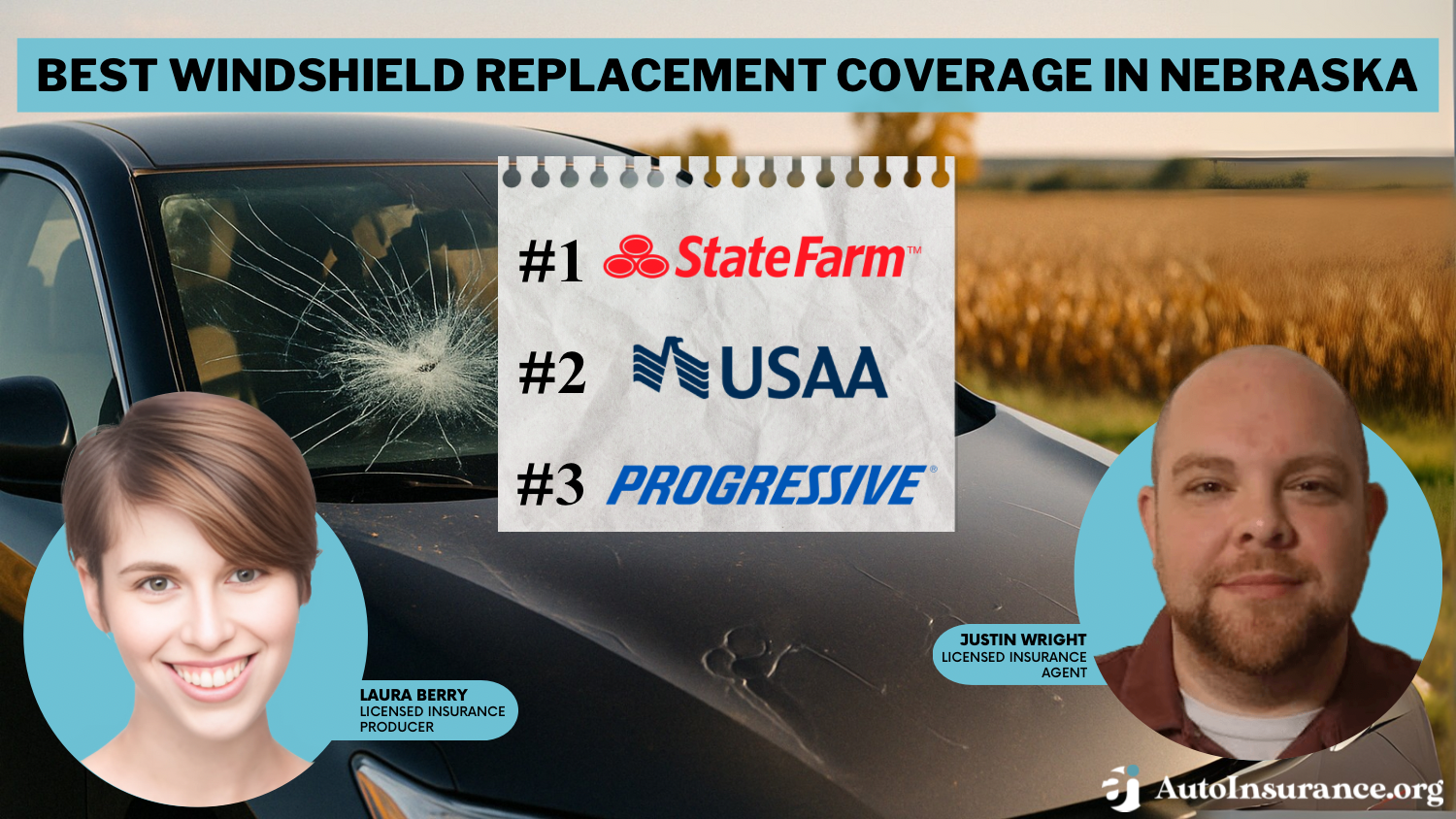
Best Windshield Replacement Coverage in Nebraska (Top 10 Companies Ranked for 2026)
-
Apr 2025
How to Pay Your Auto Insurance Deductible in 2026 (Follow These 5 Steps)
-
Dec 2024
Is gap insurance transferable if you sell the car? (2026)
Get a FREE Quote in Minutes
Insurance rates change constantly — we help you stay ahead by making it easy to compare top options and save.
Secured with SHA-256 Encryption