

Recoverable Depreciation Defined in 2026 (Details You Should Know)
Recoverable depreciation is the difference between an item’s actual cash value (ACV) and replacement cost (RCV). This article explains how your insurance can cover that gap, helping you recover lost value. Learn how to claim recoverable depreciation and avoid out-of-pocket expenses in the process.
Read more





Table of Contents
Table of Contents

Licensed Insurance Agent
Tim Bain is a licensed insurance agent with 23 years of experience helping people protect their families and businesses with the best insurance coverage to meet their needs. His insurance expertise has been featured in several publications, including Investopedia and eFinancial. He also does digital marking and analysis for KPS/3, a communications and marking firm located in Nevada.
Tim Bain

Licensed Insurance Agent
Scott W Johnson is an independent insurance agent in California. Principal Broker and founder of Marindependent Insurance Services, Scott brings over 25 years of experience to his clients. His Five President’s Council awards prove he uses all he learned at Avocet, Sprint Nextel, and Farmers Insurance to the benefit of his clients. Scott quickly grasped the unique insurance requirements of his...
Scott W. Johnson
Updated October 2024
Recoverable depreciation refers to the difference between an item’s actual cash value (ACV) and its replacement cost (RCV), helping policyholders recover lost value.
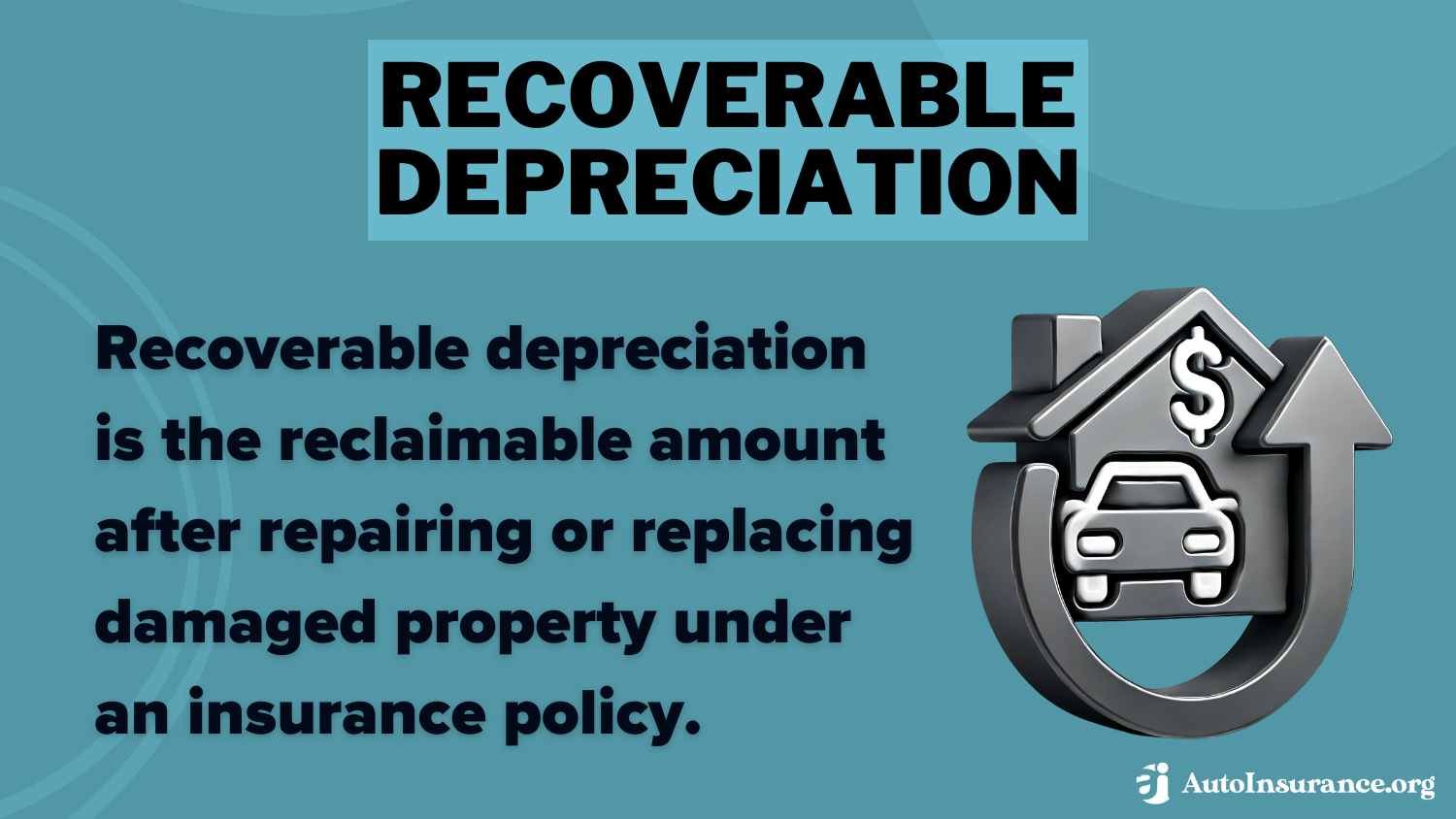
This article explains how insurance can cover that gap, detailing the claims process and key factors like ACV and RCV. Explore our review of “Best Auto Insurance Companies.”
Understanding these terms can significantly impact your ability to receive full compensation and protect your assets in the event of a loss. Maximize your insurance benefits by mastering recoverable depreciation today. Find the best auto insurance company near you by entering your ZIP code into our free quote tool above.
- Recoverable depreciation bridges ACV and replacement costs
- Filing a claim helps recover the lost value of damaged items
- Knowing ACV and RCV helps you optimize insurance payouts
Understanding Recoverable Depreciation
Almost all items depreciate over time. This includes household items, expensive electronics, vehicles, and nearly everything you can purchase. The current value with depreciation factored in is considered the actual cash value (ACV). The cost to replace the item with another is the replacement cost value (RCV). In most cases, the RCV will be higher than the ACV.
If you have an insurance policy that covers the RCV, then the gap between this and the ACV is considered recoverable depreciation. This is because the insurance company helps you recover the difference between an item’s ACV and RCV if it needs to be replaced.
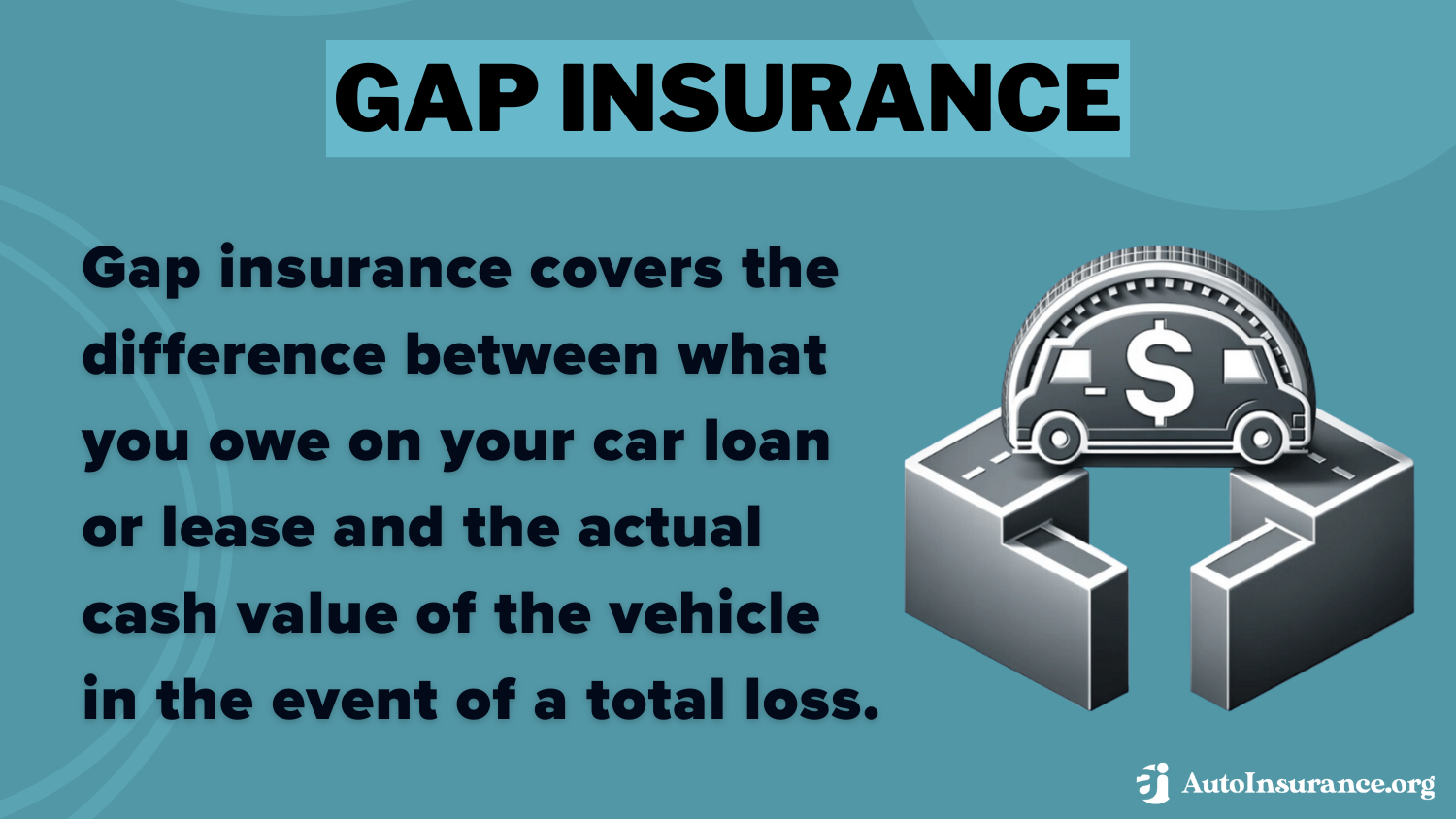
Should the item need to be replaced due to damage or theft, there will be a difference between its current value and what it will cost to replace. When an insurance company covers this gap, it is considered recoverable depreciation. In terms of car insurance, this is called Gap insurance.
It’s important to understand what your insurance policy covers. Some policies only cover the ACV, while others will cover the RCV. When your insurance policy only covers the ACV, you are responsible for paying the difference for the replacement. This is considered non-recoverable depreciation.
Free Insurance Comparison
Compare Quotes From Top Companies and Save
Comparing Recoverable Depreciation Rates Across Top Providers
Recoverable depreciation, a key factor in determining how much you’ll get reimbursed for damaged or lost items, varies significantly by insurance provider. Understanding the differences in monthly rates for both minimum and full coverage across popular insurers can help you make more informed decisions.
Recoverable Depreciation Monthly Rates by Provider
| Insurance Provider | Minimum Coverage | Full Coverage |
|---|---|---|
 | $89 | $150 |
 | $84 | $140 |
 | $81 | $135 |
 | $79 | $130 |
 | $88 | $145 |
 | $72 | $120 |
 | $85 | $145 |
 | $78 | $135 |
 | $75 | $125 |
 | $70 | $110 |
When analyzing monthly rates for recoverable depreciation coverage, each insurance provider offers distinct pricing for minimum and full coverage plans. For instance, USAA boasts one of the lowest rates, with $70 for minimum coverage and $110 for full coverage, making it a strong contender for cost-effective protection.
Meanwhile, Geico follows closely with competitive pricing of $72 and $120 for minimum and full coverage, respectively. At the other end, companies like Allstate and Farmers charge higher premiums, with Allstate’s rates starting at $89 for minimum and $150 for full coverage.
Read more: Cheap Full Coverage Auto Insurance
Insurance Claims With Recoverable Depreciation
If an insured item needs to be replaced due to damage or theft under an RCV insurance policy, you’ll need to file a claim. The insurance company will determine the ACV of the item, which may or may not require a visit from an insurance adjustor, and it will send you a check for the determined ACV minus your policy’s auto insurance deductible.
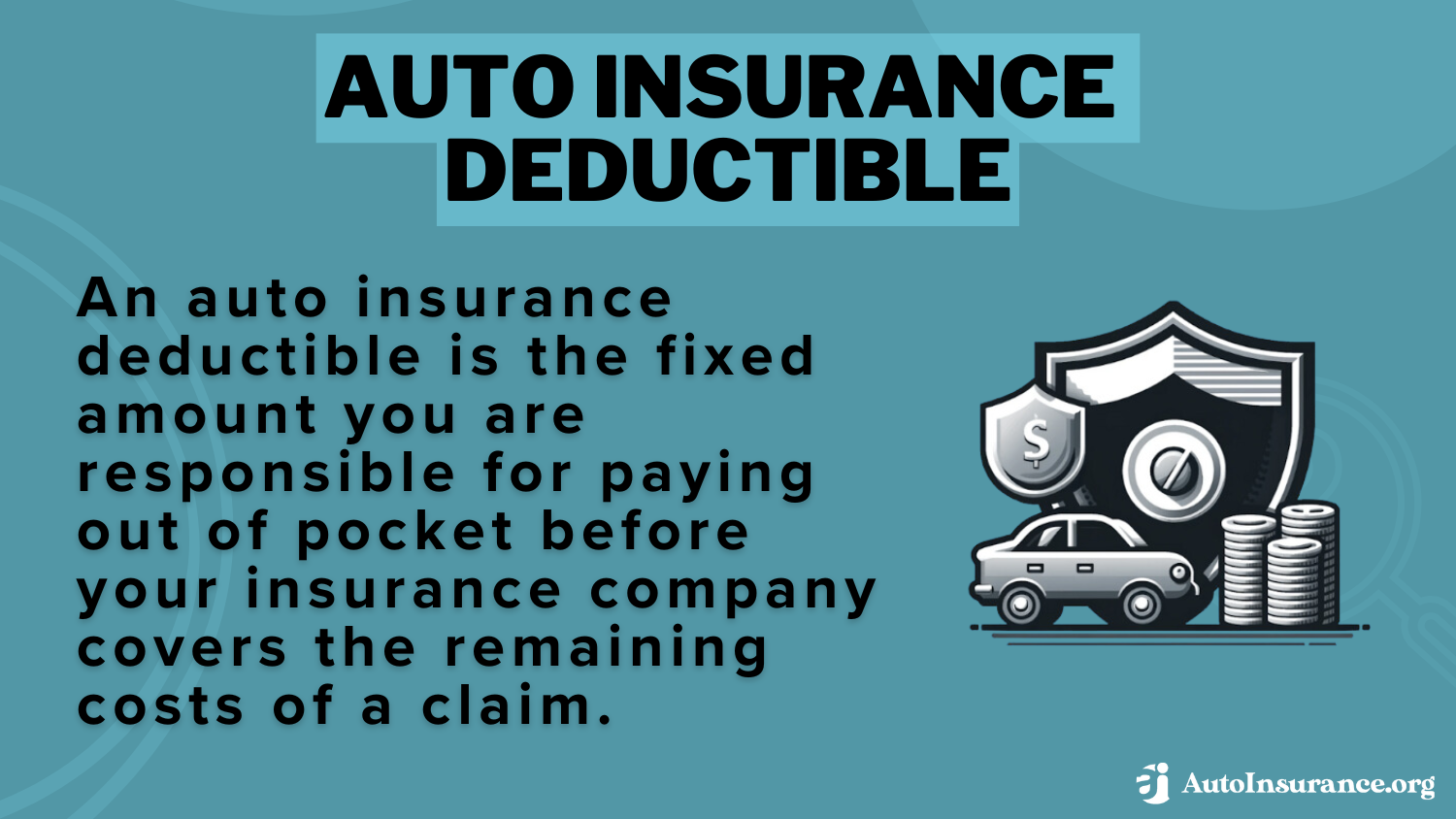
The expectation is that you use this check to replace the item. However, if the check is not enough to cover the replacement, you may need to initially pay out-of-pocket to cover the difference due to the damaged item’s depreciated value.
After you’ve secured a replacement of the same or similar quality, you will provide proof of the replacement cost to the insurance company. At this point, it will send a second check for the recoverable depreciation. This check is typically made out directly to you and is intended to reimburse for the out-of-pocket difference you paid for the replacement.
ACV Calculation Explained
Every type of item depreciates differently. When it comes to how insurance companies determine the value of your car, there is no set formula, as a car depreciates differently than a large kitchen appliance, for example. Even among cars, factors like the make, model, and mileage have a significant impact on depreciation.
Insurance policies with recoverable depreciation ensure you’re not stuck covering the full cost of replacing damaged or stolen items.Daniel Walker Licensed Auto Insurance Agen
For a basic example, consider a situation where your home’s water heater has died. Let’s say the water heater costs $3000 brand new and has an expected useful lifespan of 10 years.
The insurance company may determine the rate of depreciation is $3000/10, which means it loses $300 of value per year. So if this water heater needs to be replaced after eight years, you’re looking at an ACV of $600. The brand and model of the water heater will, of course, also have an impact on this.
Free Insurance Comparison
Compare Quotes From Top Companies and Save
Key Takeaway: Insurance Covers Recoverable Depreciation of Lost Value
With rare exceptions, most items lose value over time. It counts as recoverable depreciation when your insurance policy covers the difference between the ACV and RCV. If your policy only covers the ACV rather than the RCV, then the loss in value is non-recoverable depreciation.
Can you afford $323 for car insurance every month💵? Most people would like to avoid that high cost, and there’s a way to do it: Drive 🚗safely so you don’t need high-risk auto insurance. If you do need it, find out how you can save here👉: https://t.co/J52mqqaRQj pic.twitter.com/501NxpKPg9
— AutoInsurance.org (@AutoInsurance) August 20, 2024
When depreciation is non-recoverable, you are responsible for paying the difference between the insurance company’s check and the replacement cost. It’s important to check your policy to understand whether you have ACV or RCV coverage.
If you’re looking to lower your auto insurance premiums, enter your ZIP code into our free quote comparison tool below to compare your rates against the top insurers.
Frequently Asked Questions
Who keeps the recoverable depreciation check?
The policyholder typically keeps the recoverable depreciation check once they have provided proof of repair or replacement of the damaged item. Learn more by reading our guide, “Driving Without Auto Insurance.”
What is total recoverable depreciation?
Once you replace or repair the covered item, your insurer will reimburse you for the entire amount of depreciation.
What is insurance recoverable depreciation?
Insurance recoverable depreciation is the amount deducted for depreciation that your insurance will reimburse once you complete repairs and submit the necessary proof. If you’re looking to lower your auto insurance premiums, enter your ZIP code into our free quote comparison tool below to compare your rates against the top insurers.
What is less recoverable depreciation?
Less recoverable depreciation means that the amount of depreciation will be subtracted from your initial claim payout until you repair or replace the item.
How does net claim if depreciation is recovered work?
The net insurance claim depreciation is the final amount you receive from the insurer after depreciation has been reimbursed, following proof of replacement. To learn more, explore our comprehensive article on “How do insurance adjusters determine the value of a car?”
How to recover depreciation on an insurance claim?
To recover depreciation on an insurance claim, submit receipts showing you’ve repaired or replaced the damaged item to your insurer for reimbursement.
How do I get my recoverable depreciation back?
You can get your recoverable depreciation back by proving to your insurance company that you have completed the necessary repairs or replacements.
What does recoverable depreciation mean?
Recoverable depreciation means the portion of depreciation on a damaged item that the insurance will pay you back once the item is repaired or replaced.
What is depreciation in insurance?
Depreciation in insurance refers to the decrease in the value of your insured item over time due to wear and tear or age, which affects your payout. Explore more details about the factors that affect auto insurance rates.
What is non-recoverable depreciation?
Non-recoverable depreciation is the amount of depreciation that your insurance will not reimburse, leaving you responsible for the difference in cost.
What is a depreciation check from insurance?
What is recoverable depreciation on an insurance claim?
Is there a recoverable depreciation time limit?
Can you do the repairs yourself with a recoverable depreciation?
Does the homeowner get the recoverable depreciation?
Can recoverable depreciation be claimed for normal wear and tear?
Does recoverable depreciation apply to all types of insurance?
Are there exceptions to recoverable depreciation?
How can I determine if my policy covers ACV or RCV?
What’s the difference between recoverable and non-recoverable depreciation?
Related Articles
-
Dec 2024

Should I call the auto insurance company if my car hits a deer?
-
Dec 2024
Is it illegal to drive barefoot?
-
Feb 2025
Wisconsin Minimum Auto Insurance Requirements for 2026 (Basic WI Coverage Guide)
-
Dec 2024
How to Check if a Vehicle Has Auto Insurance Coverage in 2026 (Step-by-Step Guide)
-
Dec 2024
Where should you keep your auto insurance cards?
-
Oct 2024
Best Windshield Replacement Coverage in Iowa (Top 10 Companies Ranked for 2026)




Get a FREE Quote in Minutes
Insurance rates change constantly — we help you stay ahead by making it easy to compare top options and save.