

Pleasure-Use vs. Commuter Auto Insurance in 2026 (Compare Rates & Discounts)
You may be eligible for discounts on your pleasure-use or commuter auto insurance. On average, drivers with longer commutes pay $7.09 per month more than those who drive less. Auto insurance rates for pleasure or work don't have to be expensive — ask your provider about low mileage discounts to save.
Read more





Find the Lowest Car Insurance Rates Today
Quote’s drivers have found rates as low as $42/month in the last few days!




Table of Contents
Table of Contents

Published Insurance Expert
Melanie Musson is the fourth generation in her family to work in the insurance industry. She grew up with insurance talk as part of her everyday conversation and has studied to gain an in-depth knowledge of state-specific car insurance laws and dynamics as well as a broad understanding of how insurance fits into every person’s life, from budgets to coverage levels. She also specializes in sustai...
Melanie Musson

Licensed Insurance Agent
Jeff is a well-known speaker and expert in insurance and financial planning. He has spoken at top insurance conferences around the U.S., including the InsuranceNewsNet Super Conference, the 8% Nation Insurance Wealth Conference, and the Digital Life Insurance Agent Mastermind. He has been featured and quoted in Nerdwallet, Bloomberg, Forbes, U.S. News & Money, USA Today, and other leading fina...
Jeff Root
Updated December 2024
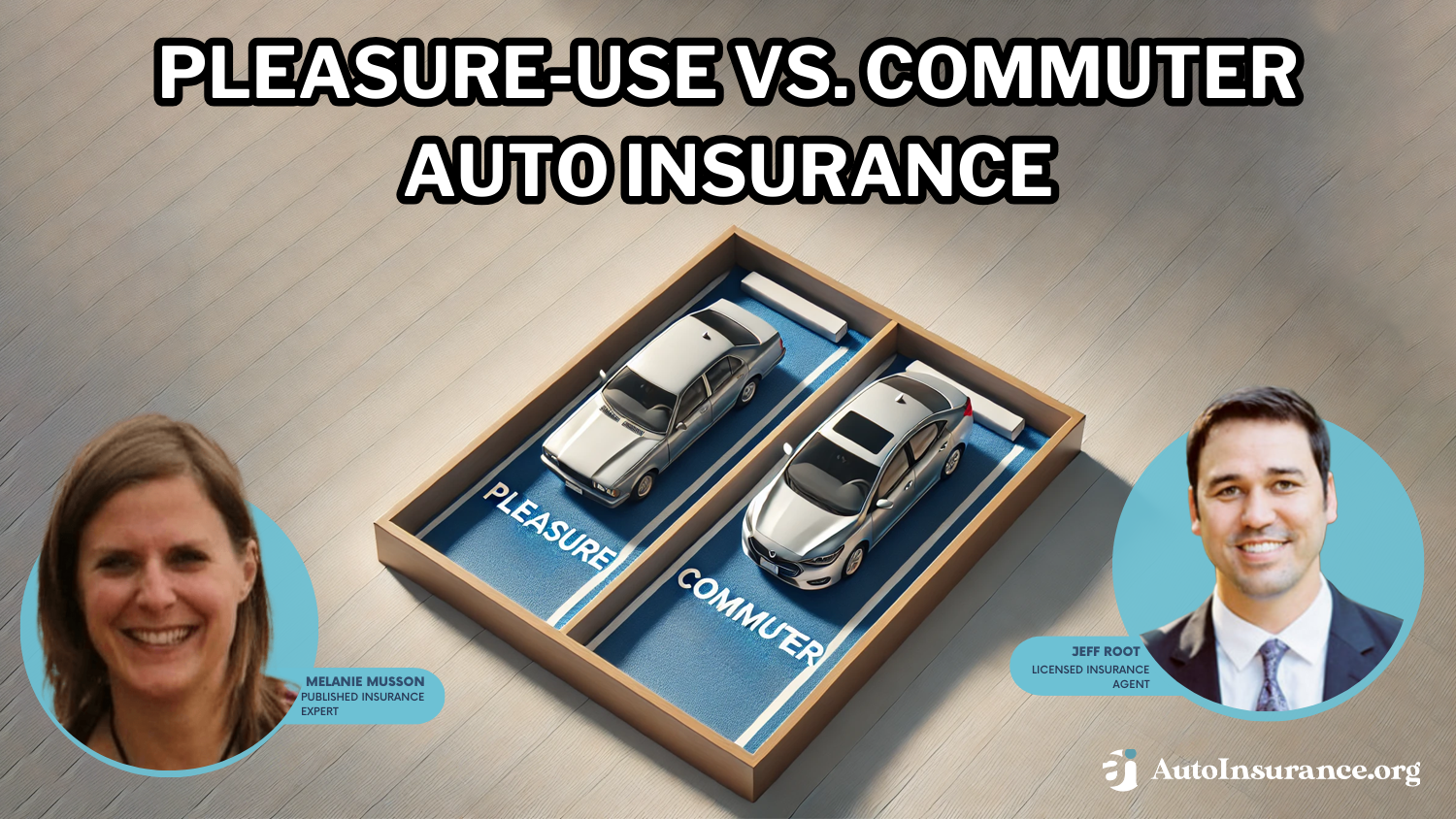
Can you get cheap auto insurance if you only use your car for pleasure? Are there auto insurance discounts for pleasure vs. work mileage? What is the difference between pleasure and commuter? The best auto insurance companies offer a different premium rate if you drive your car for pleasure versus commuting daily to work. Many are looking for the cheapest primary use car insurance possible, which could cause people to be untruthful.
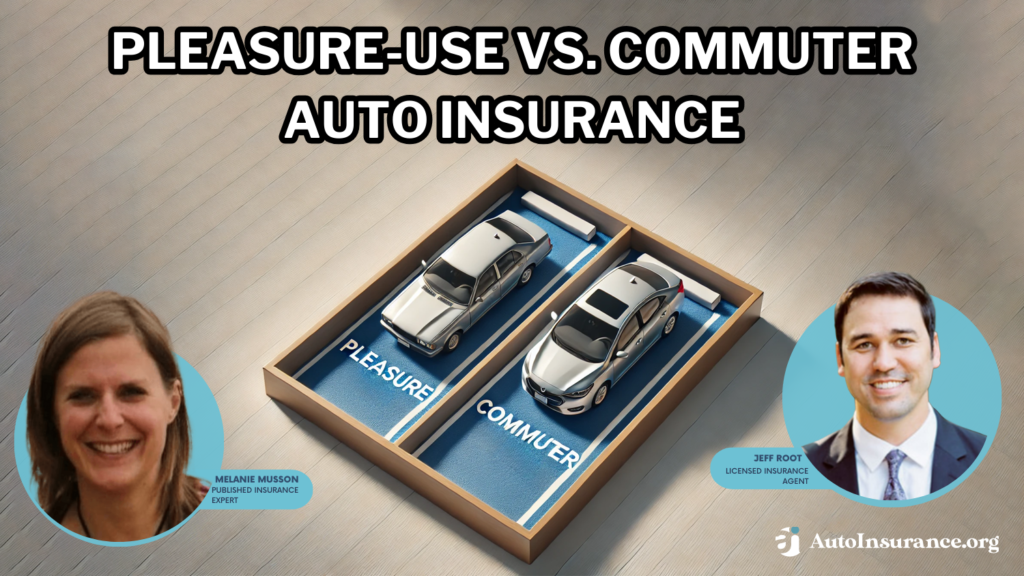
If you tell them you don’t drive it to work to pay less for insurance, don’t drive it to work. It would be bad to get into an accident driving to work without commuting car insurance. Commuter cars are not valid under pleasure vehicle insurance, meaning your insurance company may decide to refuse your claim.
Don’t wait another moment to insure your car against possible damage, even if you rarely drive it. For auto insurance quotes for pleasure or work, enter your ZIP code in the box below and get auto insurance rates for pleasure vs. commute.
- Mileage is a significant factor companies consider when setting rates
- You must get commercial coverage if you use your car for work
- The top companies offer discounts for pleasure vs. work use of your car
Comparing Personal vs. Commute Car Insurance
Pleasure vs. Commute Car Insurance
What is cheaper for car insurance, pleasure or commute?
If you have a longer commute to work each day, you’re going to be paying more for your auto insurance. It might not be as big of a factor as your driving record or credit history, but it does make an impact.
Commuting 30 miles each way to work on a daily basis will put a lot of wear and tear on your car much faster than the occasional grocery shopping trip, or beach day. How does distance affect car insurance for commuting to work? Even the best companies will charge more if you drive more.
More time spent on the road translates into the possibility of more accidents and other damage occurring to your vehicle. You might wonder, “is it better to put commute or pleasure for car insurance?” or “should I put pleasure or commute for car insurance?”. Be truthful when your auto insurance company asks how often and for what purpose you drive your car.
If you’re wondering how to lower your car insurance premium, this table shows which companies offer low-mileage auto insurance discounts.
Low Mileage Auto Insurance Discounts by Provider
| Insurance Company | Discount Percentage |
|---|---|
| 21st Century | 30% |
| AAA | 20% |
| Allstate | 30% |
| American Family | 25% |
| Ameriprise | 10% |
| Amica | 5% |
| Country Financial | 20% |
| Esurance | 25% |
| Farmers | 10% |
| Geico | 15% |
| Liberty Mutual | 10% |
| MetLife | 20% |
| Nationwide | 10% |
| Progressive | 31% |
| Safe Auto | 15% |
| Safeco | 20% |
| State Farm | 30% |
| The General | 25% |
| The Hanover | 10% |
| The Hartford | 10% |
| Travelers | 20% |
| USAA | 20% |
If your vehicle gets qualified as a pleasure-use vehicle, you will pay quite a bit less for your auto insurance. That’s because pleasure-use car insurance is cheaper, as if it’s used less frequently, you’re less likely to get into an accident.
Free Insurance Comparison
Compare Quotes From Top Companies and Save
Cheapest Car Insurance for Commuting
Is pleasure vs. commuter car insurance cheaper? Take a look at the table below to see how your rates will change based on pleasure vs. commuting insurance.
Auto Insurance Monthly Rates by Commute
| Insurance Company | 6,000 Miles Annually | 12,000 Miles Annually |
|---|---|---|
 | $403.00 | $411.00 |
 | $283.00 | $290.00 |
 | $348 | $351.00 |
 | $264 | $272.00 |
 | $500 | $513.00 |
 | $286 | $289.00 |
 | $336 | $337.00 |
 | $265 | $279 |
 | $367 | $372 |
 | $207 | $216.00 |
As you can see, your rates with these major insurers will increase anywhere from less than 1%-5%.
What Auto Insurance Companies Consider a Pleasure Vehicle
Although most of us would look at a Ferrari sitting in a garage and think of the pleasure of driving it to the beach, insurance companies judge the vehicle on how quickly the odometer turns over and not its head-turning capabilities.
There are many factors that affect auto insurance rates, including vehicle type, since insurance providers consider how difficult and expensive it will be to replace any damaged part. You might be curious about how primary use of a vehicle affects insurance.
However, a pleasure vehicle is determined by the number of miles you drive it on an annual basis.
You may be thinking, “can I negotiate a lower insurance premium?”. Driving less than the limit for pleasure mileage means you most likely qualify for discounts.
Most companies use the 7,500-mile benchmark. If you drive the car less than that, it's considered pleasure. If you drive the car more that, you're billed a higher premium.Scott W. Johnson Licensed Insurance Agent
A pleasure vehicle might be used sporadically, or you may drive it daily. The difference is that you don’t drive it very far even on the daily basis, maybe to the commuter parking lot or the train station to catch mass transit to work. However, car insurance for leisure use is still necessary to have even if you hardly are driving the vehicle in question.
The average mileage on your vehicles can help you determine whether to choose commute or personal for insurance policies.
Understanding Whether You Need Commercial Auto Insurance for a Work Vehicle
If you’re actually using your vehicle for work and not just driving it to work, you won’t need pleasure or commute insurance, you’ll need to get auto insurance for a business vehicle.
This goes for people who drive their cars for jobs such as delivering food, taking customers to and from the airport, and making sales calls.
Your personal auto insurance policy won’t cover any accidents, damage, or theft that occurs on a work vehicle.
Work with your insurance agent to determine whether you need a commercial insurance policy for your work vehicle and, if so, how much coverage is necessary. Getting car insurance for commute or pleasure ultimately is a very similar process.
Whether you need personal or commercial car insurance for business vehicles depends on who owns and drives the vehicle, how often you use the vehicle, and also the type, size, and weight of the vehicle.
If your business requires a higher liability auto insurance limit than is typically available through personal auto insurance policies, then you’ll also need commercial insurance coverage.
What are the advantages of commuting? If your work vehicle is owned by the business you work for, then you are not responsible for the insurance on that vehicle, your employer is. They can’t legally have you purchase the insurance on a work-owned vehicle.
Commercial Auto Insurance Discounts
Similar to personal auto insurance, providers offer some discounts on commercial auto insurance policies.
These discounts vary from business to business, but some examples are:
- Multiple lines
- Experienced driver discounts
- Length of business
- Multiple policies
- Good student
Keeping your business vehicle fleet parked in a safe location could help you save money, as well as installing safety features, such as alarms, on the vehicles.
Many auto insurance companies now offer commercial auto insurance, so the market is pretty competitive. Ask about auto insurance discounts before you sign with an insurance provider.
Free Insurance Comparison
Compare Quotes From Top Companies and Save
More About Pleasure-Use vs. Commuter Auto Insurance
Pleasure auto insurance could be right for you. Ready to buy auto insurance for pleasure or work? Type your ZIP code into the box and you’ll be able to find the companies offering auto insurance rates for your location right now, regardless if you’re looking for personal or commute car insurance.
Frequently Asked Questions
What is a pleasure insurance discount?
A pleasure use car insurance discount is a type of discount offered by insurance companies to policyholders who primarily use their vehicles for personal, non-business purposes, such as commuting to work or running errands.
How can I qualify for a pleasure use auto insurance discount?
To qualify for a pleasure use vehicle insurance discount, you typically need to provide information to your insurance company about your vehicle usage. This may include details about your commuting distance, the frequency of business-related trips, and any other relevant information requested by your insurer.
What are the benefits of a pleasure use auto insurance discount?
The benefits of a pleasure car insurance discount may include:
- Lower premiums: By demonstrating that your vehicle is primarily used for personal purposes, you may be eligible for lower insurance premiums.
- Cost savings: Lower premiums can help you save money on your auto insurance expenses.
- Customized coverage: Insurance companies often offer specialized coverage options for pleasure use vehicles, tailoring the policy to fit your specific needs.
Are there any disadvantages to a pleasure use auto insurance discount?
While pleasure driving insurance discounts can be beneficial, there are some potential disadvantages to consider:
- Limited coverage: Some leisure car insurance policies may have certain restrictions or limitations on coverage, particularly if you occasionally use your vehicle for business-related purposes.
- Proof requirements: You may need to provide evidence or documentation to prove that your primary use of vehicle is for personal purposes instead of commute, which can involve additional paperwork and documentation requirements.
- Reduced flexibility: If your circumstances change and you begin using your vehicle for business purposes more frequently, you may lose the pleasure use discount and have to adjust your coverage accordingly.
How can I apply for a pleasure use auto insurance discount?
To apply for a pleasure use auto insurance discount, follow these steps:
- Contact your insurance company: Get in touch with your insurance provider and inquire about pleasure use discounts.
- Provide information: Be prepared to provide accurate information about your vehicle usage, including commuting distances, business-related trips, and any other details requested.
- Update your policy: If you qualify for the discount, your insurance company will guide you through the process of updating your policy to reflect the pleasure use discount.
Is it better to say my car is for commute or pleasure on my car insurance policy?
Usually, it’s cheaper to say you use your car for pleasure than commute for insurance purposes. However, you’ll want to be truthful and tell your company if you use your vehicle for commuting.
What does commute mean in insurance?
A commuter vehicle transports you to and from work or school on a daily basis.
What is the difference between commuting and driving?
Commuting refers specifically to reoccurring trips to work and school. Driving refers to going anywhere in a vehicle.
Does driving count as commuting?
Not all driving is commuting, and not all commutes are from driving a vehicle. Some people’s work commute consists of walking, biking, taking a bus or taxi, getting a ride, or a combination of any of these methods.
What is a commuter vehicle?
A commuter vehicle refers to any car that is used for someone or multiple people’s daily or weekly commutes.
Why is it better to commute?
What is cheaper, commute or pleasure insurance?
Does annual mileage affect car insurance?
Is insurance for commute or pleasure more expensive?
Is it cheaper to insure a car for business or pleasure?
What is the difference between pleasure and commute on auto insurance?
What does pleasure mean on car insurance?
What is pleasure driving insurance?
What is the definition of commuting for car insurance?
Does primary use of vehicle affect insurance?
What is considered a commuter?
What is an example of a commuter?
Is commuting the same as travelling?
What is a commuter transport?
What is the difference between a traveller and a commuter?
What’s the pleasure use vs. commuter auto insurance cost?
What’s Geico’s pleasure vs. commute car insurance cost?
What is the cheapest vehicle use for insurance?
Related Articles
-
Dec 2024

Does auto insurance cover paint damage?
-
Aug 2026
Do you have to add your child to your insurance policy? (2026)
-
Aug 2026
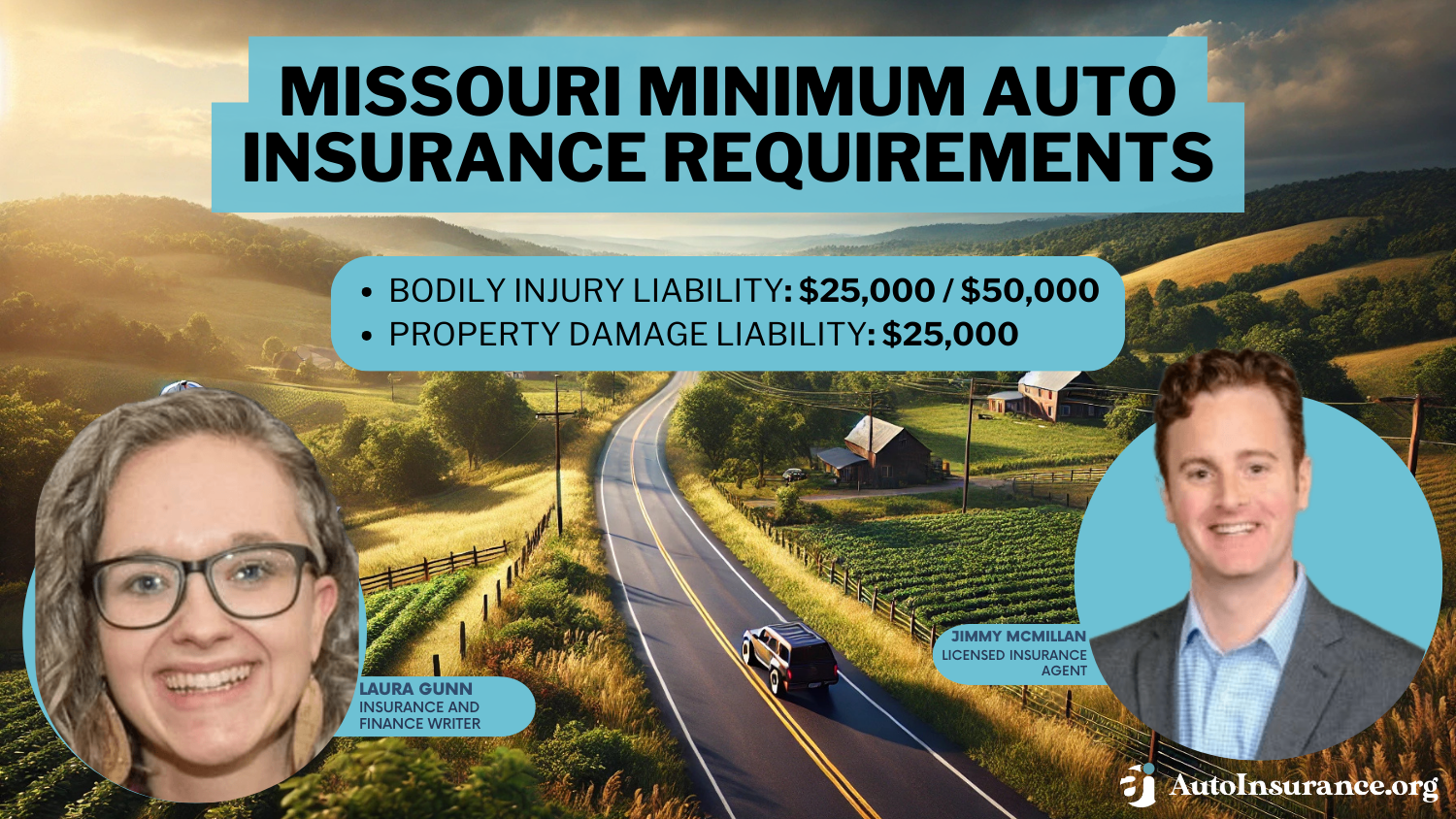
Missouri Minimum Auto Insurance Requirements for 2026 (Coverage MO Drivers Need)
-
Dec 2024
Can you pay for your auto insurance with cash?
-
Apr 2025
How to Pay Your Auto Insurance Deductible in 2026 (Follow These 5 Steps)
-
Aug 2025
How to Get Instant Proof of Your Auto Insurance Policy Online in 2026 (Follow These 5 Steps)

Get a FREE Quote in Minutes
Insurance rates change constantly — we help you stay ahead by making it easy to compare top options and save.