
How to Transfer Auto Insurance to a New Car in 2025 (Follow These 5 Steps)

To transfer auto insurance to a new car, notify your insurer and provide details like the make, model, and VIN. About 20% of drivers neglect this step, risking gaps in coverage. Understanding how to transfer auto insurance to a new car ensures you maintain protection and comply with regulations.

secured lock Secured with SHA-256 Encryption

By clicking, you agree to our Terms of Use

Nationwide State Farm Allstate
AllstateState FarmNationwideLiberty MutualFarmers Insurance
Laura Gunn

Insurance and Finance Writer

Laura Gunn is a former teacher who uses her passion for writing and learning to help others make the best decisions regarding finance and insurance. After stepping away from the classroom, Laura used her skills to write across many different industries including insurance, finance, real estate, home improvement, and healthcare.  Her experience in various industries has helped develop both her ...

Written by
Laura Gunn
Brad Larson

Licensed Insurance Agent

Brad Larson has been in the insurance industry for over 16 years. He specializes in helping clients navigate the claims process, with a particular emphasis on coverage analysis. He received his bachelor’s degree from the University of Utah in Political Science. He also holds an Associate in Claims (AIC) and Associate in General Insurance (AINS) designations, as well as a Utah Property and Casual...

Reviewed by
Brad Larson

Updated December 2024

If you’re wondering how to transfer auto insurance to a new car, this guide will walk you through the essential steps. Whether you’re replacing your vehicle or adding another, updating your insurance is critical to avoid coverage gaps.

How to Transfer Auto Insurance to a New Car

We’ll cover how to transfer your policy seamlessly and point out the top companies for rates, taking into account aspects like your vehicle type, driving history, and available discounts. This is important because understanding these factors will help you learn how to find affordable auto insurance rates online and make a well-informed choice.

Compare insurance rates today by entering your ZIP code into our free comparison tool.

HOW TO TRANSFER AUTO INSURANCE TO A NEW CAR

5 Steps to Transfer Auto Insurance to a New Car

Below, we outline the steps you need to follow to transfer your existing insurance to a new vehicle. Learn why it’s important to to contact your insurance provider, provide details about your new car, update or tranfer your policy, handle any premium adjustments, and confirm proof of insurance.


Step #1: Contact Insurance Provider

The first step in learning how to transfer auto insurance to a new car is to notify your insurance provider immediately after purchasing the vehicle. This step is crucial because it initiates the process of updating your policy and ensures you have continuous coverage.

To ensure seamless coverage when transferring auto insurance to a new car, always notify your insurer immediately with the necessary vehicle details to avoid gaps in protection.

Daniel Walker Licensed Insurance Agent

Reaching out to your insurer is essential, as they can help you navigate the transition process and prevent any potential coverage gaps. You can contact them by phone, email, or through their online portal to let them know about your new vehicle and begin the process.

This is important, especially when considering why auto insurance for new cars is so expensive. Understanding these details will help you make informed decisions about your coverage.

Step #2: Provide Car Details

After contacting your insurer, the next step in how to transfer auto insurance to a new car is to provide the necessary details about the new vehicle. Typically, insurers require information such as the car’s make, model, year, and Vehicle Identification Number (VIN).

Understanding this information is crucial for assessing your policy’s eligibility and calculating the adjusted premium. Accurate details are important because they enable the insurance provider to assign the appropriate coverage and ensure that your policy accurately reflects the specifics of your new car.

This is particularly relevant when considering new car replacement insurance, as it ensures you have the right protection for your investment.

Step #3: Update or Transfer Policy

Once the insurer has your new car’s details, the next step is to update or transfer your current policy. This is a key part of how to transfer auto insurance to a new car because it ensures the new vehicle is legally covered and that any necessary adjustments are made.

When considering your insurance provider, you might find that some allow for an easy policy transfer, while others may require you to make adjustments to your coverage limits or car insurance deductibles.

This is important because it ensures your new vehicle is adequately protected under the terms of your current policy. So, do you need proof of insurance to transfer a car title? Understanding this will help you navigate the requirements for your title transfer effectively.

Step #4: Pay Any Adjustments

After modifying your policy, you’ll need to pay any premium adjustments that arise from the change in coverage. This step in how to transfer auto insurance to a new car is essential because your new car may have a different risk profile, affecting your overall insurance costs.

Newer or more expensive vehicles typically come with higher premiums. It’s essential to budget for any extra costs needed to activate the updated coverage or to expect a refund if your premium drops. To learn more about how to save, check out the best auto insurance discounts for a new car.

Step #5: Confirm and Get Proof

The final step in how to transfer auto insurance to a new car is to confirm that your policy is updated and receive proof of insurance. This step is crucial because proof of insurance is required to register the vehicle and legally drive it.

It’s important to check the updated policy to verify that all details are accurate. Once you’ve done that, ask for a new insurance card that indicates your new vehicle is covered, and keep it in your car as proof of valid insurance. This is essential for understanding the best auto insurance for new drivers, as it helps ensure you’re fully informed and compliant on the road.

Free Insurance Comparison

Compare Quotes From Top Companies and Save

secured lock Secured with SHA-256 Encryption

By clicking, you agree to our Terms of Use

Nationwide State Farm Allstate

Strategies for Reducing Your Auto Insurance Premiums

Finding ways to save on auto insurance premiums is essential for many drivers, especially as costs continue to rise. Understanding that premiums can vary significantly based on personal circumstances, driving history, and the types of coverage selected is crucial.

Key Comparison Points for Auto Insurance by Provider, Rates, & Coverage Options

Insurance CompanyMinimum CoverageFull CoverageCoverage Options
Allstate: how to transfer auto insurance to a new car$61$160Liability, Full
Amica: how to transfer auto insurance to a new car$46$151Liability, Full
Farmers: how to transfer auto insurance to a new car$53$139Liability, Full
Geico: how to transfer auto insurance to a new car$30$80Liability, Full
Liberty Mutual: how to transfer auto insurance to a new car$68$174Liability, Full
Nationwide: how to transfer auto insurance to a new car$44$115Liability, Full
Progressive: how to transfer auto insurance to a new car$39$105Liability, Full
State Farm: how to transfer auto insurance to a new car$33$86Liability, Full
Travelers: how to transfer auto insurance to a new car$37$99Liability, Full
USAA: how to transfer auto insurance to a new car$22$59Liability, Full

Compare RatesStart Now →

This article will provide you with practical strategies to lower your monthly payments while maintaining adequate coverage for your vehicle. By taking a proactive approach and exploring these options, you can make informed decisions that lead to significant savings over time.

  • Increase Your Deductibles: Raising your deductibles can result in lower monthly premiums. This means you’ll pay more out-of-pocket in the event of a claim, but it can significantly reduce your overall premium costs.
  • Bundle Policies: Combine your auto insurance with other policies, such as home or renters insurance, with the same provider. Many insurers offer discounts for bundling, leading to significant savings.
  • Maintain a Clean Driving Record: Safe driving can lead to lower rates. Avoid accidents and traffic violations to demonstrate to your insurer that you are a low-risk driver.
  • Take Advantage of Discounts: Inquire about available discounts from your insurer. Common discounts include those for safe driving, low mileage, good student performance, and the installation of safety features in your vehicle.
  • Review Your Coverage Regularly: Regularly assess your insurance needs and adjust your coverage accordingly. Changes in your life circumstances or vehicle can impact your premiums.

By using these tips, you’ll find that your insurance costs can become much more affordable, making it easier to manage your premiums.

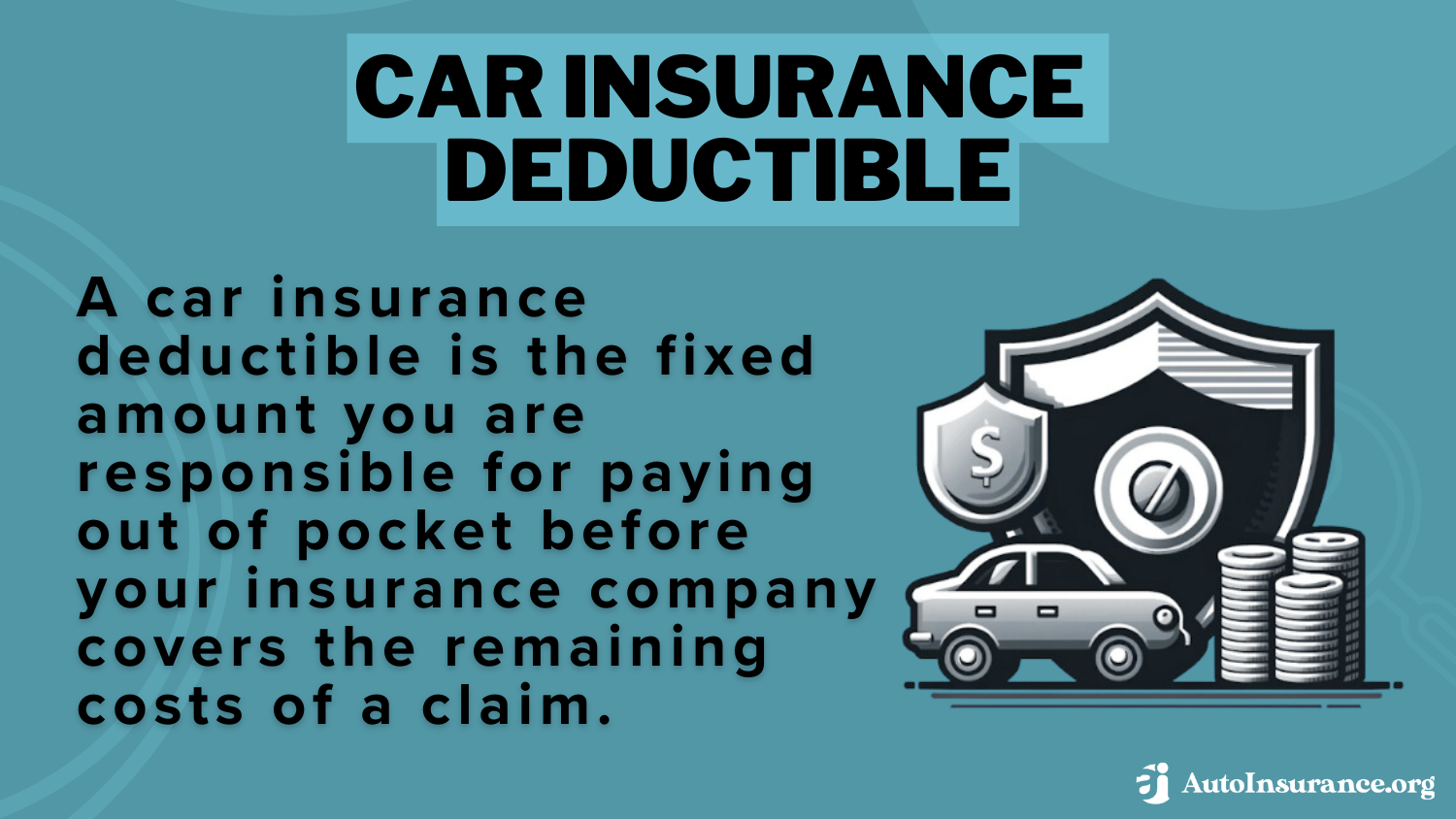
Car Insurance Deductible Definition Card: How to Transfer Auto Insurance to a New Car

If you’re curious about how to save on auto insurance for three vehicles, it’s important to read on and see how these strategies specifically help you cut costs for multiple cars.

How to Seamlessly Transfer and Update Car Insurance When Buying a New Vehicle

When transferring insurance to a new car, it’s essential to follow the correct steps to ensure you’re covered without any gaps. If you’re switching insurance when buying a new car, notify your insurer before finalizing the purchase to ensure continuous protection.

How do I switch my car insurance to a new (used) car?
byu/BravesGunnersFlames inAdulting

Transferring car insurance to a new car is straightforward but requires updating your policy details, such as the vehicle’s VIN and model. You might also consider adding a vehicle to an existing insurance policy instead of creating a new one, which can be more cost-effective. If you’ve recently relocated, switching car insurance to a new state is crucial, as regulations vary by state.

Factors That Can Affect Auto Insurance Rates

FactorRates Impact
AgeYounger and older drivers typically face higher premiums
Annual MileageHigher mileage increases rates due to greater risk
Bundling DiscountsCombining policies reduces costs
Claims HistoryFrequent or high-value claims raise rates
Coverage LevelFull coverage is more expensive than minimum liability
Credit ScoreLower scores can lead to higher premiums
Deductible AmountHigher deductibles lower premiums
Driving RecordClean record lowers rates; tickets, accidents, and DUIs increase them
GenderMales, especially younger ones, often have higher rates
Insurance HistoryContinuous coverage reduces premiums; lapses increase them
LocationUrban areas have higher rates due to traffic and crime risks
Marital StatusMarried drivers often get lower rates
OccupationSome professions qualify for discounts
Safety FeaturesCars with advanced safety features get discounts
Usage-Based InsuranceSafe driving habits can lower premiums
Vehicle TypeLuxury or high-performance cars cost more to insure

Compare RatesStart Now →

When adding a new car to insurance, make sure it aligns with your current policy terms. Many insurers make switching cars on insurance policies simple with online options. If you’re buying new car insurance, shop around for the best rates. If you’re in the market for new car insurance, be sure to compare rates for the best deal.

And while you’re at it, you might be wondering, if Gap insurance is transferable if you sell the car. Understanding this can help you make informed decisions about your coverage. It’s also important to change your car on insurance promptly, ensuring your new vehicle is fully covered. Failure to change cars on an insurance policy could lead to coverage gaps.

When transferring auto insurance to a new car, it’s essential to promptly notify your insurer to ensure continuous coverage and avoid any gaps.

For those planning to add a new car to their insurance, check for any car insurance transfer fees that might apply. Understanding how to update insurance when buying a new car is key to avoiding complications in the insurance transfer process.

Understanding Discounts Available for Auto Insurance

Many auto insurance companies offer a variety of discounts that can significantly reduce your premiums. Common discounts include those for safe driving, low mileage, good student performance, and military service.

Common Discounts Offered by Auto Insurance by Provider

Discount TypeDescriptionProviders
Affinity GroupMember of specific groupsLiberty Mutual, Farmers, Geico
Anti-TheftAnti-theft devices installedState Farm, Allstate, Liberty Mutual
Early SigningSign before current policy endsLiberty Mutual, Nationwide, Progressive
Good DriverClean driving recordState Farm, Progressive, Allstate
Good StudentGPA of 3.0+State Farm, Nationwide, USAA
Low MileageDrive fewer milesMetromile, Geico, State Farm
MilitaryActive or retired militaryUSAA, Geico, Liberty Mutual
Multi-PolicyBundle auto with other policiesAllstate, State Farm, Progressive
Multi-VehicleInsure multiple vehiclesFarmers, Nationwide, Liberty Mutual
PaperlessOpt for e-statementsNationwide, Allstate, Geico
Pay-in-FullPay full premium upfrontState Farm, Geico, Progressive
Safety FeaturesEquipped with safety devicesGeico, Progressive, Farmers
SeniorDrivers 55+The Hartford, Allstate, State Farm
Usage-BasedBased on driving behaviorProgressive, Allstate, Nationwide

Compare RatesStart Now →

Some insurance companies offer discounts for adding safety features to your car, like anti-lock brakes or GPS tracking systems. To get the best auto insurance discounts, it’s important to know what’s available and ask your provider about them to ensure you’re saving as much as possible.

Free Insurance Comparison

Compare Quotes From Top Companies and Save

secured lock Secured with SHA-256 Encryption

By clicking, you agree to our Terms of Use

Nationwide State Farm Allstate

The Role of Your Credit Score in Auto Insurance Rates

Your credit score can play a crucial role in determining your auto insurance premiums. Insurers often use credit scores as a factor in assessing risk; a higher credit score typically correlates with lower premiums.

To boost your credit score, make sure to pay your bills on time, cut down on debt, and regularly check your credit report for any mistakes.

Improving your score can help lower your insurance rates, and understanding how credit scores affect auto insurance rates is essential for getting the best deal and improving your overall financial health.

When to Shop Around for Better Insurance Rates

Knowing when to shop around for better auto insurance rates can lead to substantial savings. It’s advisable to review your policy annually, especially if you’ve had any changes in your driving habits, vehicle, or personal circumstances.

To ensure seamless coverage when transferring auto insurance to a new car, it’s crucial to promptly notify your insurer and provide accurate vehicle details for a smooth policy update.

Also, it’s a good idea to shop around after major life changes, like moving or getting a new car. Doing so can help you avoid overpaying and make sure you’re getting the best deal on your coverage. You need to know this because these are some of the factors that affect auto insurance rates, and staying informed will keep your costs in check.

Start comparing affordable insurance options by entering your ZIP code into our free quote comparison tool today.

Frequently Asked Questions

Can I transfer my existing auto insurance policy to any car I purchase?

In most cases, you can transfer your existing auto insurance policy to any car you purchase. However, it’s essential to review your policy terms and conditions or consult with your insurance provider to confirm if any restrictions apply.

It’s important to remember that aspects such as the type of vehicle, its value, and how you plan to use it can influence your insurance coverage and costs. This is especially relevant when considering how to buy a car without auto insurance, so you need to read on to understand these factors better.

Is there a time limit for transferring auto insurance to a new car?

The time limit for transferring auto insurance to a new car may vary depending on your insurance provider and policy terms. It’s best to inform your insurance company as soon as possible after purchasing the new vehicle. Promptly notifying them helps ensure uninterrupted coverage and gives you time to review and adjust your policy if needed.

Will transferring auto insurance to a new car affect my premium?

Yes, transferring auto insurance to a new car can affect your premium. Different vehicles have varying insurance rates based on factors such as their make, model, year, safety features, and theft rates. Additionally, your insurance company may adjust your premium based on the updated vehicle details and any changes you make to your coverage.

Can I transfer insurance coverage from a leased car to a new car purchase?

Yes, you can transfer insurance coverage from a leased car to a new car purchase. However, when leasing a vehicle, the leasing company often requires specific insurance coverage limits and may have additional requirements.

Make sure you’re familiar with the terms and conditions of your leasing company and adjust your insurance as needed. This is crucial for securing the best auto insurance for leased vehicles, so you’ll want to read up on it to avoid any potential issues.

Do I need to inform my insurance provider if I plan to sell my old car?

Yes, it is crucial to inform your insurance provider if you plan to sell your old car. They need to update your policy and remove the sold vehicle from your coverage. This ensures that you’re not paying premiums for a vehicle you no longer own and that you’re adequately covered for the new car purchase.

Does it cost to transfer insurance to another car?

Yes, it can cost to transfer insurance to another car depending on your provider and the type of vehicle. Some insurers charge a car insurance transfer fee, while others adjust your premium based on the new vehicle’s risk factors.

How to transfer insurance to another car?

How to transfer insurance to a new car? Knowing how to switch insurance to a new car involves several steps like reaching out to your insurer with information about the new car, including its make, model, and VIN. Your provider will adjust your policy accordingly and let you know about any changes to your premium.

Reading this is essential, especially when considering comprehensive auto insurance, as it ensures you’re aware of how your coverage might shift with a new vehicle.

How to get insurance on a new car?

When getting insurance for a new car, you have the option to either add it to your current policy or start a new one. You’ll need to provide details about the vehicle and select coverage options that fit your requirements and financial situation. This is crucial to understand how to buy auto insurance online instantly, ensuring you get the best deal without unnecessary delays.

How to swap insurance from one car to another?

To swap insurance from one car to another, contact your insurer with the details of the vehicle you’re removing and the one you’re adding. Your provider will make the necessary updates to your policy.

How long does it take to transfer insurance from one car to another?

The transfer of insurance from one car to another typically takes just a few minutes to an hour once you provide all the necessary information. In most cases, coverage can be immediate.

Enter your ZIP code to get personalized insurance quotes tailored to your needs and budget.

Get a FREE Quote in Minutes

Insurance rates change constantly — we help you stay ahead by making it easy to compare top options and save.

secured lock Secured with SHA-256 Encryption

By clicking, you agree to our Terms of Use

Nationwide State Farm Allstate
State FarmAllstateFarmers InsuranceNationwide