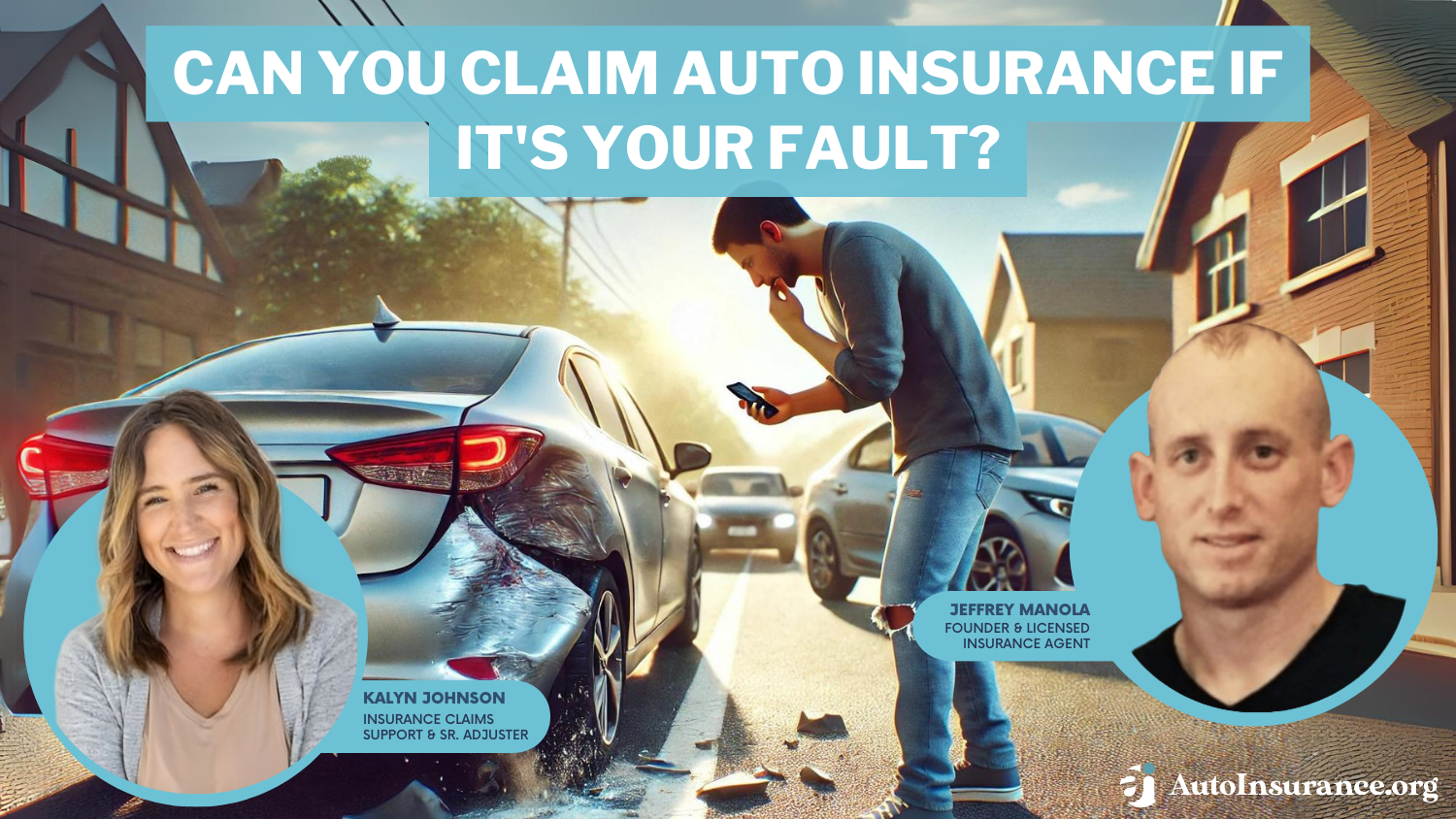
Can you claim auto insurance if it’s your fault?
After an accident, knowing how you can claim auto insurance if it’s your fault is important. Collision car insurance coverage helps pay for your vehicle damages from an accident even if you caused the crash, so you should still make a claim. Learn how to file an auto insurance claim if you're at fault.
Read more





Table of Contents
Table of Contents

Insurance Claims Support & Sr. Adjuster
Kalyn grew up in an insurance family with a grandfather, aunt, and uncle leading successful careers as insurance agents. She soon found she has similar interests and followed in their footsteps. After spending about ten years working in the insurance industry as both an appraiser dispatcher and a senior property claims adjuster, she decided to combine her years of insurance experience with another...
Kalyn Johnson

Licensed Insurance Agent
Jeffrey Manola is an experienced insurance agent who founded TopQuoteLifeInsurance.com and NoMedicalExamQuotes.com. His mission when creating these sites was to provide online consumers searching for insurance with the most affordable rates available. Not only does he strive to provide consumers with the best prices for insurance coverage, but he also wants those on the market for insurance to ...
Jeffrey Manola
Updated December 2024
If you have recently been in an accident, you might be wondering, “Can you claim auto insurance if it’s your fault?” This is often a point of confusion for many drivers.

Unfortunately, not understanding how your insurance policy works could cost you a lot of money in the long run. If you are at fault during an accident, you should definitely still file a claim with your insurance company. During an accident, your vehicle will most likely sustain damage, and you may sustain injuries as well.
These expenses must be covered, which is why you have an insurance policy. The coverage is designed to protect you from paying these costs out of pocket after an accident. Learn what to do if someone bumps your car, find out who pays if a friend crashes your car, and understand if insurance will cover your car if you’re at fault.
Keep reading to learn how to file a car insurance claim if you’re at fault.
- Insurance is in place to protect you from losses, even if an accident is your fault
- When you claim insurance if you are at fault both your losses and the other party’s losses will be covered
- You will be required to provide information concerning the incident and all parties involved
File an Auto Insurance Claim if You’re at Fault
If you’ve caused an accident and your vehicle is damaged, you should file a claim with your insurance company if you have collision or full coverage to get your car repaired. If the accident wasn’t your fault, file a claim with the other driver’s insurance. It’s also important to understand the implications of hitting a pedestrian with your car, know what to do after filing a claim for a car accident, and understand what happens if the at-fault driver has no insurance in Texas.
This compensation can help you to recover from your accident financially, and insurance companies do not usually drop you after a claim.
Free Insurance Comparison
Compare Quotes From Top Companies and Save
What Happens After You’re at Fault in an Accident
Following an accident, both authorities and insurance companies will typically investigate to determine fault, especially if there’s disagreement over who caused the incident. If it becomes evident that you are responsible for the accident, it’s crucial to promptly initiate an insurance claim with your insurer. This ensures you understand the outcomes if the accident is your fault, know the procedures if you’re at fault in a car accident, learn the consequences of totaling your car due to your fault, and understand the implications if an uninsured driver crashes into your vehicle.
Each insurer has its own process on how to file a car insurance claim, so be sure to follow directions to get your claim resolved quickly.
The claims process will involve your insurance company reviewing the details of your crash and the amount of damage done. The insurance company will then use this information to help you better understand the options you have concerning your claim.
Depending on the policy you chose, there are different types of auto insurance coverage that may be included in it:
- Comprehensive coverage
- Collision coverage
- Glass coverage
Even when you are at fault during an accident, your insurance policy can benefit you financially if you have the above types of coverage. If you have only purchased the minimum car insurance required in your state, then you may not be able to have your losses covered following a wreck.
How to File an Auto Insurance Claim if You’re at Fault
You should not hesitate to call your insurance company following an accident. Contact your insurance representative first instead of the claims department, so you can receive the best guidance for your situation.
Your insurer will want to know all the details of the accident, so it’s helpful to be prepared. Immediately after the accident, take note of the following items.
Do Not Admit Fault
It is essential that you do not admit fault, but rather that you allow the authorities to prove who was at fault. Admitting fault is a big mistake that a lot of people make immediately following an accident.
Do Take Photos
Taking photos of the scene is also a good idea. This provides even more evidence to help the insurance company determine who is at fault. You should take photos of the damage to your vehicle, skid marks on the road, and any injuries you sustained during the wreck.
If your insurance company offers an app to expedite claims, be sure to use this as well.
Do Exchange Information
It’s always a good idea to speak to the other party involved and exchange names, phone numbers, and insurance information. If there are any witnesses to the accident, get their information as well. This will be helpful if you need to get back in touch for any reason.
Do Document Side Effects
You should also document any medical procedures and expenses that are a result of the accident. These records could be very useful if a lawsuit results from your accident.
When to Avoid Filing an Auto Insurance Claim
There are some scenarios in which filing a claim should be avoided. This would include minor accidents that did not involve another party. If you can easily pay out of pocket to have your vehicle repaired, it may be better not to file a claim. Filing claims for minor damage could result in a rate increase.
If there was only damage to your own vehicle in a minor accident, you may want to avoid filing a claim. If damage to someone else’s property was also minimal, then you may want to consider simply paying for the damage out of pocket rather than involving insurance companies.
Free Insurance Comparison
Compare Quotes From Top Companies and Save
A Final Word on Making a Claim if You’re at Fault in an Accident
If you were at fault during a car accident that resulted in significant damage to your vehicle and other vehicles, do not hesitate to file a claim with your insurance company.
Your insurance policy is in place to protect you from paying large expenses out of pocket in the event of an accident even if the accident is proven to be your fault. Filing a claim in a timely manner can save you money and ensure that you can get the necessary repairs done quickly.
Frequently Asked Questions
What type of coverage do I need to file a claim for an accident that was my fault?
To decide whether to file a claim with your auto insurance or the other party’s, you need to understand what a fault claim means. If the accident was your fault, you typically need collision coverage as part of your policy. This coverage helps pay for damages to your own vehicle, regardless of fault. Knowing what happens after a car accident that is your fault can guide you in making the right decision.
Will my insurance rates increase if I file a claim for an accident that was my fault?
Filing a claim for an accident that was your fault can lead to higher insurance rates. Insurance companies consider multiple factors when setting premiums, and being at fault in an accident is one of them. Learn what happens in a 50/50 car insurance claim and know if your car insurance will go up if you file a claim. It’s best to consult with your insurance provider to understand how your rates may be affected.
What should I do if I want to file a claim for an accident that was my fault?
If you want to file a claim for an accident that was your fault, follow these steps:
- Contact your insurance company: Notify your insurance company about the accident as soon as possible. They will guide you through the claims process and provide you with the necessary forms and information.
- Provide accurate and detailed information: When filing the claim, provide accurate and detailed information about the accident, including the date, time, location, and a description of what happened. Provide any supporting documentation or evidence, such as photos or witness statements, if available.
- Cooperate with the claims adjuster: Your insurance company will assign a claims adjuster to handle your case. Cooperate with the adjuster, provide any requested documentation, and answer their questions truthfully.
- Follow the claims process: Follow the instructions provided by your insurance company and complete any required forms or documentation. Keep track of all communication and documentation related to the claim.
- Pay your deductible: If your policy includes a deductible, you will be responsible for paying it before your insurance company covers the remaining costs.
- Repair or replace your vehicle: Once your claim is approved, you can proceed with repairing or replacing your vehicle, depending on the extent of the damage and your policy coverage.
Will filing a claim affect my future insurability?
Claiming on car insurance when it’s not your fault can be straightforward, but filing a claim for an accident where you are at fault might affect your future insurability. Insurance companies evaluate several factors when deciding to provide coverage, and being at fault in an accident could be one of them. Since each company has unique underwriting guidelines, it’s best to check with your specific insurance provider for precise information on how a fault claim on your policy might impact you.
Should I file a claim for a minor at-fault accident?
Whether to file a claim for a minor at-fault accident depends on the circumstances, the extent of the damage, and your deductible amount. If the cost of repairs is close to or less than your deductible, it may not be beneficial to file a claim as you would be responsible for paying the repairs out of pocket. However, it’s recommended to consult with your insurance provider to determine the best course of action.
Can you claim car insurance if it’s your fault?
Yes, you can claim car insurance if it’s your fault, provided you have collision coverage. Collision insurance helps pay for damages to your own vehicle after an accident for which you are at fault.
Can I claim personal injury if the accident was my fault?
Yes, you can claim personal injury if the accident was your fault, depending on your insurance policy. Personal injury protection (PIP) or medical payments coverage can help cover medical expenses for you and your passengers regardless of who was at fault.
Can you get compensation if the accident was your fault?
Yes, you can get compensation for damages to your own vehicle if you have collision coverage. For personal injuries, PIP or medical payments coverage can help cover medical expenses.
Can an at-fault driver sue me?
Yes, an at-fault driver can sue you, although it is less common. Typically, the at-fault driver’s insurance will cover their damages, but they may pursue legal action if they believe you are partially responsible or if they are seeking compensation beyond what their insurance covers.
Can I make a claim if it was my fault?
Yes, you can make a claim if it was your fault. Your collision coverage will help pay for repairs to your vehicle, and your liability coverage will pay for damages to the other party. Your insurance rates may increase as a result.
Can you drive a totaled car?
Can you fight an at-fault accident?
Can you sue your own insurance company after an accident?
How much will my insurance go up with an at-fault accident in Alberta?
How to win an at-fault accident?
If I’m at fault in an accident, do I file a claim?
Will car insurance cover repairs if you are at fault?
Do I get my excess back if it’s not my fault?
Do I have to file a claim if I’m not at fault?
Do I need to file an insurance claim if someone hit me?
Does car insurance pay if it’s your fault?
Does a hit-and-run raise insurance?
Does insurance cover accidents that are your fault?
Does insurance cover your car if you are at fault?
Does insurance fix your car if you are at fault?
Does insurance go up after a claim?
How do insurance companies determine who is at fault?
How does car insurance work?
How does car insurance work when you are at fault?
How does no claim bonus work?
How much does your car insurance go up after a claim?
How to claim other party’s car insurance?
How to claim TPL insurance?
How to make a claim if someone hits your car?
Should I claim on my car insurance if not my fault?
Should I file a claim if I’m at fault?
Can I file an auto insurance claim if the accident was my fault?
Related Articles
-
Dec 2024

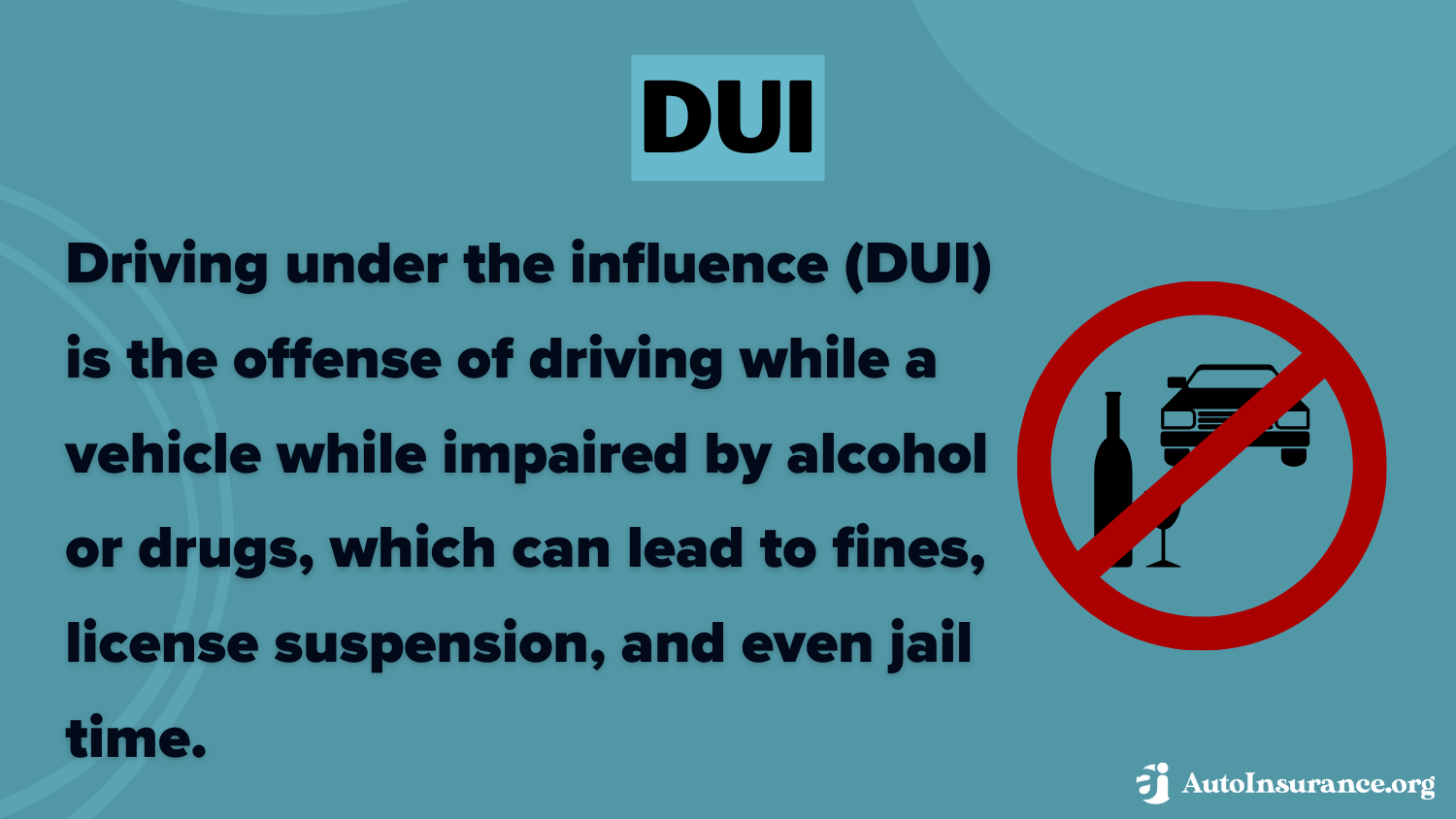
What is a DUI? (+Penalties in 2026)
-
Mar 2025
Hawaii Minimum Auto Insurance Requirements for 2026)(What Drivers in HI Need)
-
Dec 2024
How Insurance Companies Determine a Vehicle’s Value in 2026 (Process & Rules)
-
Aug 2026
Does your car need to be registered to get auto insurance? (2026)
-
Apr 2025
Best Windshield Replacement Coverage in Washington (Top 10 Companies in 2026)
-
Aug 2025
How to Sue an Uninsured Driver in 2026 (Take These 4 Steps)


Get a FREE Quote in Minutes
Insurance rates change constantly — we help you stay ahead by making it easy to compare top options and save.